When you step into the kitchen, the right cookware can make all the difference between a culinary masterpiece and a kitchen disaster. Whether you’re a seasoned chef or a cooking novice, choosing the perfect cookware is essential for enhancing your cooking experience and ensuring delicious results.
But with so many options available, how do you know what to look for when buying cookware? Imagine effortlessly whipping up your favorite dishes without the frustration of food sticking to the pan or uneven heat distribution. Picture the satisfaction of owning cookware that not only complements your cooking style but also stands the test of time.
By understanding the key features to consider, you can transform your kitchen into a haven of culinary delight. In this guide, you’ll discover the crucial factors to consider when investing in cookware. From material and durability to heat conductivity and maintenance, we’ll unravel the secrets behind choosing the best cookware for your needs. Dive in, and uncover how the right choices can elevate your cooking game to new heights.
Credit: www.lecreuset.ca
Material Choices
Choosing cookware involves considering materials like stainless steel, non-stick, and cast iron. Each has unique benefits and drawbacks. Stainless steel is durable, non-stick offers easy cleaning, and cast iron provides excellent heat retention.
Choosing the right cookware material impacts your cooking experience. Each material offers unique benefits and potential drawbacks. Understanding these can help you make informed decisions. This section will guide you through popular cookware materials.Stainless Steel
Stainless steel is durable and resistant to rust. It’s a popular choice for many home cooks. It doesn’t react with acidic foods, ensuring flavors remain pure. This material is also easy to clean. However, stainless steel is a poor heat conductor. Many manufacturers add aluminum or copper cores to improve heat distribution.Cast Iron
Cast iron retains heat exceptionally well. It is ideal for slow cooking and frying. This material adds iron to food, which can be beneficial. Cast iron requires maintenance to prevent rust. Seasoning the pan creates a non-stick surface. It’s heavy, so consider your storage space.Aluminum
Aluminum is lightweight and conducts heat efficiently. It heats evenly, reducing hot spots. This material is often used in non-stick pans. Aluminum is reactive with acidic foods, which can alter flavors. Anodized aluminum is a more stable option. It resists scratches and is non-reactive.Copper
Copper offers excellent thermal conductivity. It heats and cools quickly, giving you precise control. This material is often lined with tin or stainless steel. Copper requires regular polishing to maintain its shine. It’s often more expensive than other materials.Non-stick Vs. Traditional
Choosing cookware involves weighing the benefits of non-stick versus traditional options. Non-stick ensures easy food release, reducing the need for oil. Traditional cookware offers durability and heat resistance, ideal for high-temperature cooking. Evaluate your cooking habits to find the perfect fit for your kitchen.
When you’re in the market for new cookware, one of the pivotal decisions you’ll face is choosing between non-stick and traditional options. This choice can significantly impact your cooking experience. Will you opt for the easy clean-up of non-stick or the durability of traditional cookware? Each type has unique benefits and drawbacks that cater to different cooking styles and preferences. Let’s dive into these features to help you make an informed decision.Benefits Of Non-stick
Non-stick cookware is a favorite for many home cooks due to its convenience. The slick surface allows you to cook with less oil, making it ideal for those looking to reduce fat in their diet. Cleanup is often a breeze—no more scrubbing stuck-on food for hours. You can easily whip up delicate dishes like omelets or pancakes without worrying about them sticking. This feature can be a lifesaver on busy mornings. Imagine effortlessly sliding your breakfast onto the plate without any fuss.Drawbacks Of Non-stick
Despite its perks, non-stick cookware has its downsides. It can be prone to scratching if used with metal utensils, which can reduce its lifespan. Moreover, non-stick coatings can degrade over time, especially if exposed to high heat. Consider the potential health concerns associated with certain non-stick coatings. Some might release harmful chemicals if overheated. It’s crucial to research and choose brands that prioritize safety.Advantages Of Traditional Cookware
Traditional cookware, like stainless steel or cast iron, offers durability and versatility. These materials can withstand high temperatures, making them perfect for searing or browning meats. You can confidently use them in the oven or on the stovetop. Many chefs appreciate the even heat distribution and superior cooking performance of traditional cookware. Your meals can benefit from the depth of flavor achieved through techniques like deglazing. Would you prefer a pan that lasts for decades or one that requires replacement every few years? Traditional cookware often stands the test of time, offering a reliable option for those who value longevity.Heat Conductivity
Choosing the right cookware can make all the difference in your cooking experience, and one of the most critical factors to consider is heat conductivity. This refers to how well and evenly your cookware can transfer heat from the stove to the food. If you’ve ever struggled with a dish cooking unevenly or taking forever to heat, poor heat conductivity might be the culprit.
Importance Of Even Heating
Even heating is essential for cooking food thoroughly and avoiding hotspots that can lead to burning. When cookware distributes heat evenly, you spend less time adjusting the temperature or moving food around. This not only saves energy but also helps maintain consistent cooking results, making your culinary efforts more predictable and enjoyable.
Think about your favorite meal and how frustrating it would be if one part is overcooked while another is still raw. Good heat conductivity in cookware ensures that each bite is just as delightful as the next. Imagine sautéing vegetables to perfection without worrying about uneven browning—this is the magic of even heating at work.
Best Materials For Heat Conductivity
Some materials excel at conducting heat, making them excellent choices for cookware. Copper is one of the best conductors of heat, allowing for rapid and even distribution, though it often requires a bit more maintenance. Aluminum is another great option, being lightweight and offering excellent heat conductivity, especially when anodized for durability.
Stainless steel, while durable and easy to maintain, isn’t the best conductor on its own. However, when combined with a core of copper or aluminum, it can provide both durability and enhanced heat distribution. Have you ever experienced the joy of a perfectly seared steak? That’s often thanks to the superior heat conductivity of these materials.
Next time you’re shopping for cookware, think about the material not just for its look or cost, but for how well it will help you achieve culinary success. What material do you think will best suit your cooking style and needs?
Durability And Longevity
When investing in cookware, durability and longevity are vital factors to consider. You want your pots and pans to withstand the test of time, making them a worthy addition to your kitchen. Choosing durable cookware not only saves money in the long run but also enhances your cooking experience by providing consistent performance.
Impact Of Material On Durability
The material of your cookware significantly impacts its durability. Stainless steel, cast iron, and hard-anodized aluminum are known for their robust nature. For instance, stainless steel offers excellent resistance to rust and corrosion, making it a favorite among many home cooks.
Consider the type of cooking you frequently do. If you’re someone who enjoys high-heat cooking, cast iron might be your best bet. On the other hand, if you prefer lightweight options, hard-anodized aluminum can be a great choice.
Remember, the right material can make a noticeable difference in how long your cookware lasts. Have you ever noticed how some pots and pans just seem to last forever while others quickly degrade? The material is often the key.
Maintenance Requirements
Understanding the maintenance requirements of your cookware is crucial for its longevity. Some materials like cast iron require regular seasoning to maintain their non-stick surface and prevent rust. While this might sound daunting, it can be a rewarding ritual that extends the life of your cookware.
Stainless steel and hard-anodized aluminum are relatively low-maintenance. They can be cleaned with minimal effort and don’t require special care, making them suitable for busy lifestyles. But, are you willing to put in a bit more effort for cookware that lasts decades?
Ultimately, choosing cookware that aligns with your willingness to maintain it can save you headaches down the line. Do you prefer something that requires a little more care for long-term benefits, or are you looking for convenience above all?
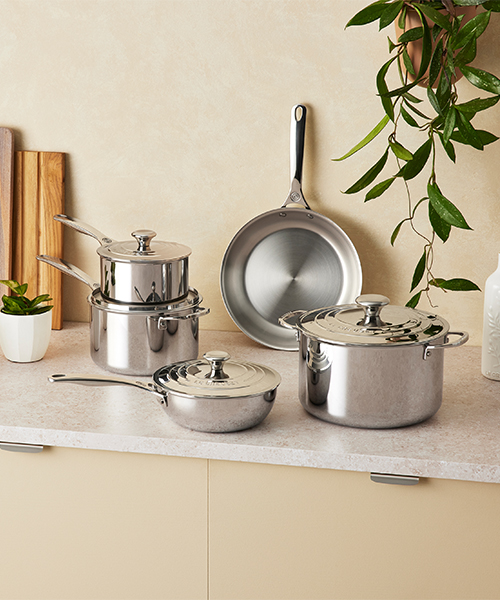
Cookware Sets Vs. Individual Pieces
Choosing the right cookware can be a bit like deciding between a buffet and a la carte dining. Do you go for a complete set or opt for individual pieces tailored to your specific cooking needs? Each option has its own merits, and understanding them can help you make a more informed decision for your kitchen.
Advantages Of Sets
Cookware sets offer convenience and uniformity. When you purchase a set, you get everything you need, from frying pans to saucepans, often at a better price than buying each piece separately. This is especially useful if you’re starting from scratch.
Consistency is another advantage. Sets ensure a uniform cooking experience as the pieces are designed to work well together. This can be beneficial when trying to achieve specific cooking results.
Consider the storage aspect. Sets often come with stackable designs or nesting features, which can save valuable cabinet space in your kitchen. If organization is your priority, this is a huge plus.
Choosing Individual Pieces
Individual pieces offer flexibility. You can handpick the cookware that aligns with your cooking style and preferences. If you frequently cook certain dishes, such as stir-fries, investing in a high-quality wok might be more beneficial than a generic pan from a set.
Quality over quantity can be a mantra when selecting individual pieces. You might choose a top-notch skillet or Dutch oven, knowing it will last longer and perform better than a lesser-quality piece from a set.
Think about the types of materials. By choosing individual pieces, you can mix materials like stainless steel, cast iron, and non-stick surfaces to match different cooking techniques and recipes.
Ask yourself: Do you want to try new recipes without being limited by the cookware you own? Opting for individual pieces can open up possibilities and enhance your culinary adventures.
Budget Considerations
Choosing the right cookware is essential for any kitchen. Budget considerations play a crucial role in this decision. Spending wisely ensures you get the best value for your money. With various options available, it’s vital to know how to balance quality and cost. Understanding affordable options can help you make an informed choice.
Balancing Quality And Cost
Quality cookware can last for years. It’s wise to invest in durable materials. Stainless steel and cast iron are excellent choices. They offer longevity and performance. Yet, high-quality cookware can be expensive. Balancing your budget and quality is key. Look for sets that offer both durability and reasonable pricing. Read reviews and compare brands.
Affordable Options
There are many budget-friendly cookware options. Consider non-stick pans for easy cooking. They are often more affordable than other materials. Aluminum pots are lightweight and cost-effective. They conduct heat well, making them a good choice. Check for sales and discounts. Buying second-hand can also save money. Ensure the items are in good condition.
Brand Recommendations
Choosing quality cookware involves considering material, durability, and heat distribution. Evaluate non-stick features and handle comfort. Check brand reputation for reliable options.
When choosing cookware, the brand plays a crucial role. A reputable brand ensures quality, durability, and safety. It’s essential to invest in cookware from reliable names. This section highlights trusted and emerging brands that offer excellent options.Trusted Brands
Some brands have earned trust over decades. They provide consistent quality and innovative designs. Here are a few:- All-Clad:Known for its stainless steel cookware. Popular for durability and even heating.
- Cuisinart:Offers a wide range of cookware. Loved for its non-stick options.
- T-fal:Famous for its affordable non-stick cookware. Ideal for everyday cooking.
Emerging Brands
New brands are entering the market with innovative solutions. They focus on sustainability and unique designs. Some to consider are:- GreenPan:Pioneers in ceramic non-stick technology. Focuses on eco-friendly materials.
- Caraway:Offers stylish, non-toxic cookware. Emphasizes health and aesthetics.
- Made In:Known for its professional-grade cookware. Provides high-quality at a reasonable price.
Safety Features
Durable handles and lids are essential safety features in cookware. Ensure they remain cool to the touch during cooking. Non-toxic materials prevent harmful chemicals from leaching into food.
When purchasing cookware, safety should be at the top of your checklist. Ensuring that your pots and pans are not only efficient but also safe can significantly impact your cooking experience. From the way you handle your cookware to the materials it’s made from, several safety features can make a difference.Handles And Lids
Handles and lids are crucial components of cookware that can affect your safety in the kitchen. Look for handles that are securely attached and made from heat-resistant materials. This ensures they remain cool to the touch and reduce the risk of burns. Rubberized or silicone handles provide a firm grip, minimizing the chances of accidents. Lids should fit snugly on pots and pans to prevent steam or hot liquids from escaping. Consider tempered glass lids, which allow you to monitor your cooking without lifting and losing valuable heat.Avoiding Toxic Materials
Choosing cookware made from safe, non-toxic materials is essential for your health. Some non-stick coatings, like Teflon, can release harmful fumes if overheated. Instead, opt for ceramic or stainless steel options, which are not only safer but also durable. Be cautious of aluminum cookware, as it can sometimes leach into food. If you prefer aluminum for its heat conduction, look for anodized versions, which are sealed and safer to use. What materials do you trust for your cookware? Ensuring your kitchen tools are free from harmful chemicals can give you peace of mind and a healthier cooking experience.Compatibility With Cooktops
Choosing the right cookware involves understanding its compatibility with your cooktop. Different cooktops require specific types of cookware for efficient cooking. Let’s explore how to ensure your cookware matches your cooktop type.
Induction Cookware
Induction cooktops need cookware with magnetic properties. Check if the cookware is induction-compatible by using a magnet. If a magnet sticks to the bottom, it’s suitable for induction cooking. Look for materials like stainless steel or cast iron. These materials work well with induction cooktops.
Gas And Electric Compatibility
Gas cooktops are versatile and work with most cookware. Ensure the cookware has a flat bottom for steady heating. Electric cooktops also require flat-bottomed cookware. Avoid using cookware with warped or uneven bases. Materials like aluminum, copper, and stainless steel are excellent choices for gas and electric cooktops.
Credit: www.lecreuset.ca

Credit: therationalkitchen.com
Frequently Asked Questions
What Materials Are Best For Cookware?
When choosing cookware, consider stainless steel, cast iron, and non-stick surfaces. Stainless steel is durable and versatile. Cast iron retains heat well and is ideal for slow cooking. Non-stick is perfect for low-fat cooking and easy cleaning. Each material suits different cooking needs and preferences.
Is Non-stick Cookware Safe To Use?
Non-stick cookware is generally safe if used properly. Avoid overheating and scratching the surface to maintain its safety. Use non-metal utensils to prevent damage. Ensure the non-stick coating is free from harmful chemicals like PFOA. Proper care prolongs the cookware’s lifespan and ensures safe cooking.
How Do I Maintain Stainless Steel Cookware?
To maintain stainless steel cookware, clean it with warm soapy water and a soft cloth. Avoid harsh abrasives that can damage the surface. Dry it immediately to prevent water spots. Use vinegar or baking soda for stubborn stains. Regular maintenance ensures durability and long-lasting performance.
What Size Cookware Should I Buy?
Consider your cooking habits and family size when choosing cookware size. For individuals or small families, a 10-inch skillet or 2-quart saucepan suffices. Larger families benefit from 12-inch skillets and 4-quart pots. Assess your regular cooking needs for optimal cookware size selection.
Conclusion
Choosing the right cookware matters. Quality pieces last longer. They enhance cooking experiences. Consider material, weight, and heat distribution. Non-stick surfaces simplify cooking and cleaning. Stainless steel offers durability and versatility. Budget plays a big role. Avoid impulse buying. Do some research first.
Check reviews for reliability. Prioritize your cooking style and needs. Handles should be comfortable and safe. Lids must fit well. Invest wisely for enjoyable kitchen moments. Good cookware makes cooking fun. Remember, it’s not just about price. It’s about value and satisfaction.
Happy cooking adventures ahead!