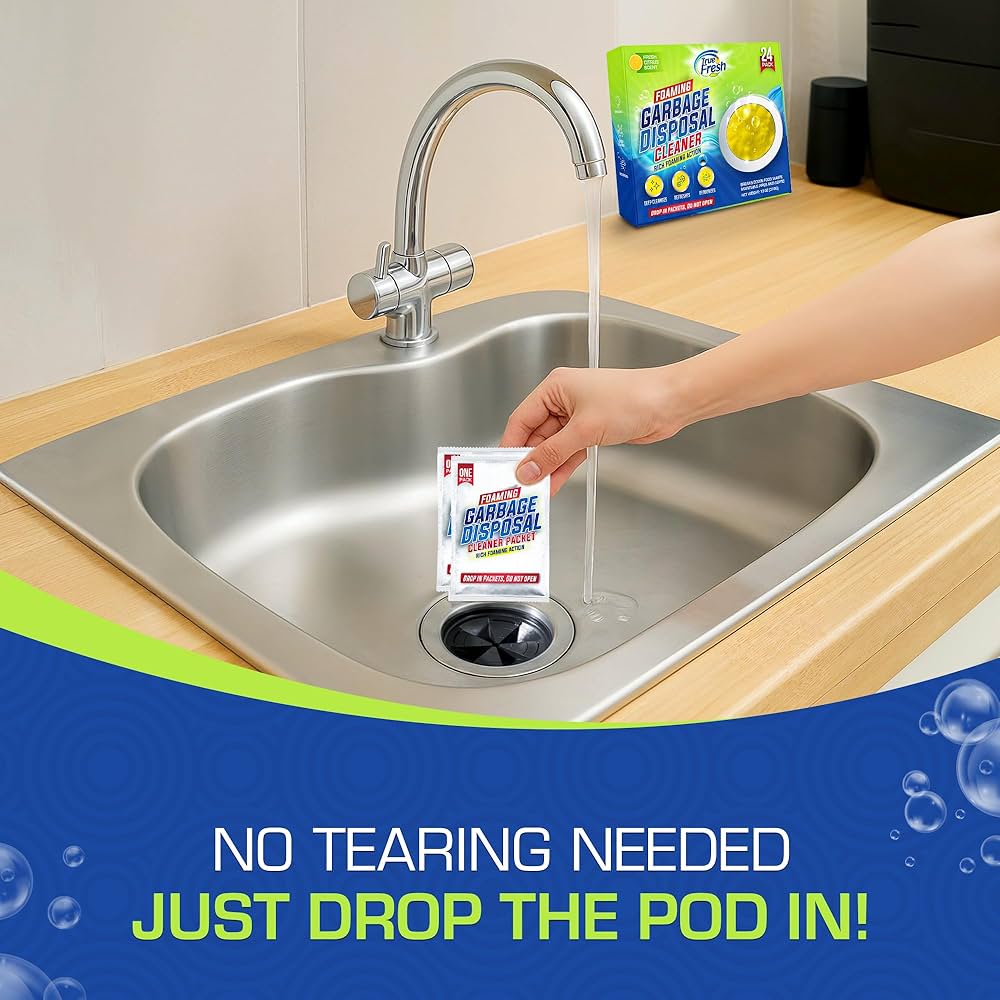
Are you tired of dealing with stubborn kitchen drain clogs that disrupt your daily routine? You’re not alone.
Kitchen drains are notorious for accumulating grease, food particles, and soap residue, leading to unpleasant odors and slow drainage. The good news is, you don’t have to let these pesky blockages ruin your day. Imagine a product that effortlessly clears your kitchen drains, saving you time and frustration.
Wouldn’t it be wonderful to avoid the hassle of calling a plumber or using harsh chemicals that can damage your pipes? We’ll explore the perfect solution to your kitchen drain woes. Discover the product that not only cleans your drains effectively but is also safe for your plumbing and the environment. Keep reading to find out how you can transform your kitchen sink from a source of stress to a source of satisfaction.
Common Causes Of Kitchen Drain Blockages
Grease, food scraps, and soap residue often cause kitchen drain blockages. Baking soda and vinegar effectively clean and deodorize drains. Regular use keeps pipes clear and reduces clogs.
Kitchen drains often face blockages, leaving us grappling with slow water flow or even complete stoppages. Understanding the common causes of these blockages can help in preventing them. Let’s delve into the main culprits that clog your kitchen drains, making it a frustrating chore to clear them out.Grease And Fat Buildup
Pouring cooking oils and fats down the drain seems harmless at first. However, once they cool, they solidify, clinging to your pipes and gradually narrowing the passage. Over time, these deposits accumulate, causing significant blockages that are tough to clear.Food Particles
Have you ever noticed how tempting it is to just wash away leftover food into the sink? While it might seem convenient, food particles can stick in the pipes, especially if they are fibrous or starchy. These remnants can combine with grease, creating a stubborn blockage that’s hard to dislodge.Soap Scum
Using soap to clean dishes is essential, but soap scum can be a hidden enemy. As it washes down the drain, it can mix with minerals in the water and form a hard residue. This buildup not only narrows the pipes but also traps other debris, compounding the problem.Foreign Objects
Sometimes, small objects accidentally find their way into the drain. It could be a bottle cap, a piece of broken glass, or even a stray spoon. These items can lodge in the pipes, creating an obstruction that disrupts the flow of water and causes backups.Mineral Buildup
If you live in an area with hard water, you might face mineral deposits in your drains. Over time, these minerals can build up, reducing the diameter of the pipes. This makes it easier for other materials to get stuck and form a blockage. Addressing these common causes can keep your kitchen drains flowing smoothly. Have you checked your drains lately to see what might be lurking inside? Being proactive can save you from future headaches and costly repairs.
Credit: www.amazon.com
Signs Your Kitchen Drain Needs Cleaning
Slow draining water and unpleasant odors indicate your kitchen drain needs cleaning. Products like baking soda, vinegar, or commercial drain cleaners can effectively tackle the buildup. Regular maintenance prevents serious blockages.
A clean kitchen drain is essential for maintaining a hygienic cooking environment. Over time, debris, grease, and food particles can accumulate, leading to clogs and unpleasant odors. Recognizing the signs that your kitchen drain needs cleaning can save you from more severe plumbing problems. Here are some tell-tale signs that your kitchen drain is crying out for attention.Slow Draining Water
If you notice water pooling around the drain or taking longer to disappear, it indicates a buildup of gunk inside the pipes. This buildup restricts water flow, eventually leading to complete blockages. Addressing slow drainage promptly can prevent more significant issues.Unpleasant Odors
A foul smell wafting from your kitchen sink is not just unpleasant; it’s a sign of decomposing food trapped in the drain. These odors can be persistent and hard to ignore, impacting your kitchen’s overall atmosphere. Regular cleaning can help eliminate these unwanted smells.Frequent Clogs
If you’re reaching for the plunger more often than usual, it’s a clear sign that your drain is overdue for a thorough cleaning. Persistent clogs can be frustrating and may lead to more serious plumbing issues if not addressed. Regular maintenance can help keep your drain clear and functional.Gurgling Sounds
Do you hear strange gurgling noises when water drains? This sound often indicates trapped air caused by a partial blockage in the pipes. Ignoring these noises might result in a complete blockage, requiring professional help.Fruit Flies And Pests
An influx of fruit flies or other pests around your sink can be another indicator of a dirty drain. These pests are attracted to the residue and food particles stuck in your pipes. Cleaning the drain can help deter them and keep your kitchen pest-free. Regularly inspecting and cleaning your kitchen drain can save you time and money in the long run. Are you noticing any of these signs in your kitchen? It’s time to roll up your sleeves and tackle the drain before it becomes a bigger problem.Natural Cleaning Solutions
Baking soda and vinegar effectively clean kitchen drains. These natural ingredients break down grime and remove odors. Use them regularly for a fresh, clear drain.
Natural cleaning solutions are gentle yet effective for kitchen drains. They avoid harsh chemicals while maintaining a clean environment. These solutions use common household items to break down clogs and freshen drains. Many people prefer them for their eco-friendly nature and easy accessibility.Baking Soda And Vinegar
Baking soda and vinegar create a powerful cleaning reaction. First, pour half a cup of baking soda down the drain. Follow with one cup of vinegar. The bubbling action helps loosen grime and debris. Let it sit for 15 minutes. Rinse with hot water for a fresh, clean drain.Lemon Juice And Salt
Lemon juice and salt are perfect for deodorizing drains. Start with half a cup of salt. Pour it directly into the drain. Add one cup of lemon juice. The acidic nature of lemon helps break down buildup. Leave it for 30 minutes. Flush with hot water to remove residue and odors.Chemical Drain Cleaners
Liquid chemical drain cleaners effectively tackle kitchen drain clogs. Their powerful formula dissolves grease, food particles, and soap scum. Suitable for quick results, they clear blockages in minutes.
Chemical drain cleaners are a go-to solution for many homeowners facing clogged kitchen drains. These potent formulas work by dissolving the debris and buildup that block your pipes. Whether it’s food particles, grease, or soap scum, chemical drain cleaners can tackle it all, offering a quick fix that saves you the hassle of manual cleaning.Benefits And Risks
Using chemical drain cleaners comes with its own set of benefits. They are incredibly effective and fast-acting, often clearing blockages within minutes. This makes them a convenient option for busy individuals who need a quick solution. However, there are risks involved. Chemical drain cleaners can be corrosive, potentially damaging your pipes if used too frequently. They may also pose safety hazards, such as skin burns or respiratory issues, so it’s crucial to handle them with care and follow the instructions on the label.Popular Brands
Several brands have gained popularity for their effectiveness and reliability. Drano is a household name, known for its fast-acting gel formula that cuts through tough clogs. Liquid-Plumr offers a similar level of efficiency and is praised for its ability to tackle even the most stubborn blockages. Another popular brand is Zep, which provides industrial-strength solutions for both residential and commercial use. Each of these brands has its unique formula, catering to different needs, so choosing the right one depends on your specific situation. Have you ever wondered how often you should resort to chemical drain cleaners? Balancing their benefits against potential risks is essential for maintaining your kitchen plumbing in the long run.Diy Drain Cleaning Tools
Baking soda and vinegar effectively clean kitchen drains by breaking down debris. This natural solution is both affordable and safe. Regular use keeps drains clear and odor-free.
DIY drain cleaning tools can save time and money. They are simple, effective, and easy to use. Many people prefer DIY methods to fix kitchen drain issues. These tools can tackle clogs without harsh chemicals.Plungers And Snakes
A plunger is a classic tool for clearing drain clogs. It uses suction to dislodge blockages. To use a plunger, place it over the drain. Push down and pull up repeatedly. This motion creates pressure to clear the clog. Drain snakes are flexible tools that reach deep into pipes. They can hook onto and remove debris. Insert the snake into the drain and twist it. This helps grab the clog and pull it out. Snakes are useful for stubborn clogs that plungers can’t handle.Homemade Drain Brushes
Homemade drain brushes can be crafted easily. Use materials like wire hangers or pipe cleaners. Bend the wire into a long shape with a hooked end. This hook can reach and remove debris from pipes. Pipe cleaners are soft yet effective for cleaning drains. Twist several together for a stronger tool. Insert it into the drain and twist. This action helps brush away clogs and residue. Making your own drain brush is a smart, cost-effective solution.
Credit: www.amazon.com
Professional Drain Cleaning Services
Sometimes, home remedies and over-the-counter solutions just don’t cut it for stubborn kitchen drain clogs. This is where professional drain cleaning services step in to save the day. With specialized equipment and trained technicians, these services offer a level of cleanliness and efficiency that DIY methods often can’t match. But when should you consider calling in the pros, and is it worth the investment? Let’s dive in.
When To Call A Professional
Are your drains emitting unpleasant odors despite regular cleaning? Or perhaps water is draining slower than a lazy weekend morning? These are red flags indicating it’s time to call a professional. A small clog might seem manageable, but underlying issues could escalate if not addressed promptly. Don’t wait for a complete blockage to disrupt your kitchen routine. A professional can diagnose and resolve the issue before it turns into a bigger hassle.
Cost And Efficiency
Worried about the cost? While professional services might seem expensive upfront, they often save you money in the long run by preventing recurring problems. Plus, consider the time and effort saved. Most professionals use high-tech equipment that makes short work of even the toughest clogs, restoring your drain to peak performance. Wouldn’t you rather spend your time cooking a favorite meal than battling a blocked drain?
Efficiency is another key benefit. Professionals not only fix the problem but also provide insights on how to prevent future clogs. This proactive approach can be invaluable, especially in a busy household where the kitchen is the heart of the home.
Preventive Measures For Kitchen Drains
Regularly use baking soda and vinegar to clean kitchen drains. This natural solution helps break down residue and neutralize odors. Keep your drains clear by using this simple method weekly.
Preventive Measures for Kitchen Drains Keeping your kitchen drains clean is like maintaining a healthy diet for your plumbing system. It’s all about being proactive rather than reactive. By adopting preventive measures, you can save yourself from the hassle of dealing with clogged drains and the costs associated with them.Regular Maintenance Tips
Routine maintenance is key to keeping your kitchen drains in top shape. Start by pouring boiling water down your drain once a week. This helps dissolve any grease or debris that might be clinging to the pipes. Consider using a mixture of baking soda and vinegar. Pour half a cup of baking soda followed by half a cup of vinegar down the drain. Let it fizz for about 15 minutes, then flush it with hot water. This natural remedy can effectively break down build-ups without harming your pipes.Avoiding Common Mistakes
One common mistake is pouring grease or oil down the drain. It might be liquid when hot, but it solidifies as it cools, leading to blockages. Instead, let the grease cool and dispose of it in the trash. Be cautious with what you let slip down the drain. Items like coffee grounds, eggshells, and fibrous vegetables can wreak havoc on your plumbing. Use a drain strainer to catch these potential culprits before they cause problems. Ask yourself, are you treating your kitchen drain as a trash can? It’s easy to fall into this habit, but changing your approach can prevent future headaches. Small adjustments in how you dispose of waste can make a big difference.
Credit: www.amazon.com
Frequently Asked Questions
What Is The Best Product For Cleaning Kitchen Drains?
The best product for cleaning kitchen drains is a powerful enzymatic cleaner. These cleaners break down organic matter and debris effectively. Brands like Bio-Clean and Green Gobbler are popular choices. They are safe for pipes and environmentally friendly, ensuring your drains stay clean without harsh chemicals.
How Often Should You Clean Kitchen Drains?
You should clean kitchen drains once a month to prevent buildup. Regular maintenance helps avoid clogs and unpleasant odors. Using a natural enzyme cleaner monthly keeps pipes clear and functioning well. This routine ensures your kitchen remains hygienic and free from drainage issues.
Are Natural Drain Cleaners Effective?
Yes, natural drain cleaners are effective and safe for pipes. They use enzymes to break down organic waste. Unlike harsh chemicals, they pose no risk to plumbing systems. Brands like Bio-Clean offer eco-friendly solutions. Regular use prevents clogs and maintains drain efficiency without environmental harm.
Can Vinegar And Baking Soda Clean Drains?
Yes, vinegar and baking soda can clean drains effectively. This natural method is great for minor clogs. Pour baking soda, then vinegar into the drain. Let it fizz for a few minutes, then rinse with hot water. It’s a simple, eco-friendly solution for maintaining clean kitchen drains.
Conclusion
Choosing the right product can make kitchen drain cleaning easy. Focus on solutions that suit your needs. Look for labels that promise effective results. Natural ingredients are often safe and gentle. Regular maintenance prevents big problems later. A clean drain means fewer odors and clogs.
Products vary, so read reviews and compare options. Be mindful of environmental impact too. Balance effectiveness with safety. The right product keeps your kitchen fresh and functional. Happy cleaning!