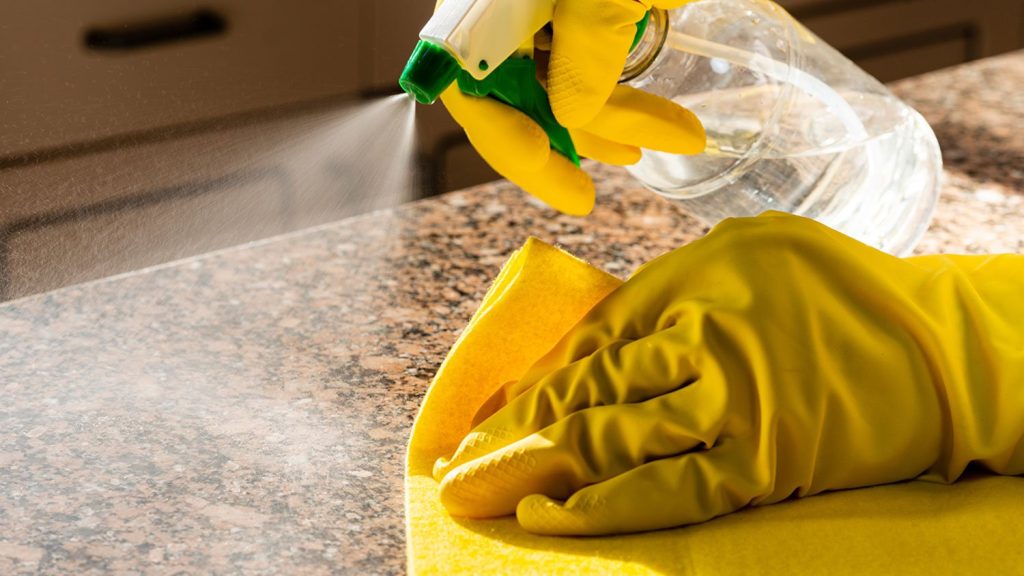
Imagine this: you’re in the middle of a deep kitchen clean-up. You’ve armed yourself with the most powerful oven cleaner, ready to tackle stubborn grease and grime.
But wait—have you ever wondered what happens if a drop of that potent cleaner lands on your beautiful kitchen countertop? Your kitchen is the heart of your home, a place where creativity and flavors come to life. Protecting its surfaces is crucial not only for aesthetics but for functionality.
You’ll uncover the real effects oven cleaner can have on your kitchen countertop. By understanding these impacts, you can make informed decisions that keep your kitchen looking pristine and working perfectly. Don’t let a cleaning mishap mar your countertop’s beauty. Dive into the details and learn how to safeguard your kitchen investment.
Chemical Composition Of Oven Cleaners
Understanding the chemical composition of oven cleaners can help you make informed decisions about their effects on your kitchen countertop. Oven cleaners are powerful solutions designed to tackle stubborn grease and baked-on grime. However, these potent formulations contain chemicals that might interact negatively with certain countertop materials, potentially causing damage or discoloration. Before you reach for that bottle of oven cleaner, it’s essential to know what’s inside and how it might affect your kitchen surfaces.
Active Ingredients
Oven cleaners often contain sodium hydroxide (lye) as a key active ingredient. This highly alkaline compound is effective at breaking down grease and food residues. But it can also etch or stain surfaces like granite or marble. You might think of it as akin to pouring acid on your countertop—a dangerous prospect! Another common active ingredient is potassium hydroxide, which similarly aids in dissolving tough grime. Imagine the cleaner as a supercharged soap, cutting through layers of dirt but potentially harming sensitive surfaces.
Common Additives
To enhance cleaning power, oven cleaners include various additives. Surfactants are used to improve the spreadability of the cleaner. They help the solution to coat surfaces evenly, ensuring that it can penetrate dirt thoroughly. Think of surfactants as the secret agents making sure every nook and cranny is cleaned. However, this can lead to unwanted residue on countertops, especially if they are porous.
Some oven cleaners also contain fragrances to mask the chemical smell. While this might seem pleasant, it can leave lingering scents that mix with food aromas. Consider whether you want to risk your kitchen smelling like a perfume shop instead of a place for preparing meals. Additionally, dyes are sometimes added for aesthetic appeal or brand differentiation. While they seem harmless, these dyes can stain lighter-colored countertops, leaving you with unexpected rainbow patches.
Does your countertop material handle these chemicals well? Or are you risking long-term damage for short-term cleanliness? Being aware of the chemical makeup of oven cleaners can help you make a choice that protects your kitchen’s beauty and functionality.
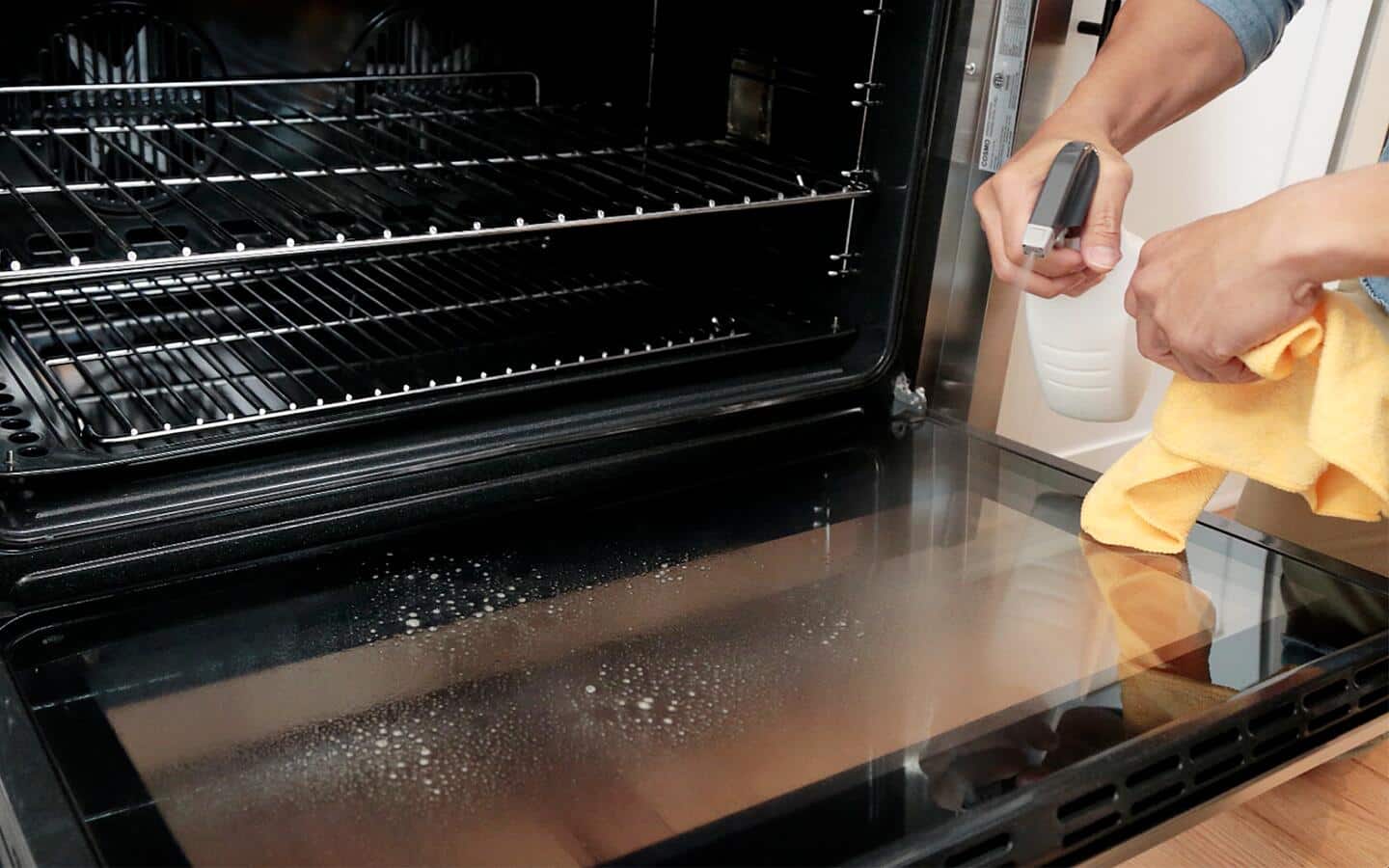
Credit: www.homedepot.com
Types Of Kitchen Countertop Materials
Choosing the right kitchen countertop material is crucial for any home. Each material has its unique characteristics and care requirements. Understanding these can help you protect and maintain your countertops, especially when using cleaning products like oven cleaners.
Granite
Granite is a popular choice for its durability and natural beauty. It’s heat-resistant and can withstand daily wear. However, its porous nature makes it vulnerable to acidic substances. Oven cleaners can damage its sealant, leading to potential stains.
Marble
Marble offers elegance with its unique veining. It’s softer than granite and more porous. This makes it sensitive to harsh chemicals. Oven cleaner can etch the surface, dulling its shine.
Laminate
Laminate countertops are budget-friendly and come in various designs. They’re made of layers of plastic bonded to particleboard. Oven cleaners can discolor the surface or cause it to bubble.
Quartz
Quartz is engineered stone, known for its non-porous surface. It’s resistant to stains and scratches. But, harsh chemicals like oven cleaners can discolor it or break down the resin.
Wood
Wood countertops add warmth and charm to kitchens. They require regular sealing to prevent water damage. Oven cleaners can strip these sealants, leading to warping or staining.
Reactions With Different Materials
Oven cleaners can cause damage to kitchen countertops. They might discolor or weaken surfaces, especially on laminate or stone. Always test in a small area first to avoid permanent damage.
Reactions with Different Materials Cleaning kitchen countertops with oven cleaner can lead to varied reactions. This depends on the material of the countertop. Let’s explore these reactions.Granite And Natural Stone
Oven cleaner can harm granite and natural stone. It contains harsh chemicals that may erode these surfaces. This can cause dull spots and discoloration. Natural stones are porous and can absorb the cleaner. This may lead to permanent damage. Always use mild soap and water for cleaning.Laminate Surfaces
Laminate surfaces can resist oven cleaner to some extent. But long exposure can cause fading and damage. The chemicals may weaken the adhesive bond. This can lead to peeling or bubbling. Ensure the cleaner is wiped off quickly to prevent harm. Use gentle cleaning agents for laminate surfaces.Wood Countertops
Oven cleaner is not suitable for wood countertops. The chemicals can strip away the finish. This can expose the raw wood underneath. It may lead to stains and scratches. Wood can absorb the cleaner, causing long-term damage. Use products specifically designed for wood to ensure longevity.Potential Damage And Risks
Oven cleaner can cause discoloration and scratches on kitchen countertops. Its harsh chemicals may weaken the surface, leading to permanent damage. Always test cleaner on a small area first.
Cleaning your kitchen can sometimes feel like a battle against grime and stubborn stains. Oven cleaners are powerful allies in this fight, but they can also be hazardous to your kitchen countertops. Understanding the potential damage and risks involved can help you make informed decisions and protect your kitchen surfaces.Surface Discoloration
Oven cleaners contain strong chemicals designed to cut through tough grease and baked-on food. However, these chemicals can be harsh on certain countertop materials. If you’ve ever noticed odd stains or color changes on your countertops after cleaning, you’re not alone. Materials like granite, marble, or laminate can react negatively, resulting in unsightly discoloration. Have you ever tried to scrub away a stain only to realize it’s a permanent mark left by a cleaner? It’s a frustrating experience that can be avoided by using milder, countertop-friendly cleaners.Structural Damage
Beyond aesthetics, oven cleaners can potentially cause structural harm. The potent chemicals can seep into the surface, particularly if there are tiny cracks or unsealed areas. This can weaken the integrity of the material, leading to cracks or chips over time. Imagine the inconvenience and cost of replacing an entire countertop due to damage from a cleaner. It’s crucial to consider the long-term implications of what you use on your surfaces. Wouldn’t it be better to invest in gentle, yet effective, cleaning solutions that preserve your countertops?Health Hazards
Your health and safety should always be a priority in your home. Oven cleaners can release fumes that are harmful if inhaled, posing health risks to you and your family. These toxic fumes can linger, especially in enclosed spaces, and may cause respiratory issues or skin irritation. Have you ever felt a headache or noticed a skin rash after cleaning your kitchen? It might be time to rethink the products you’re using. Opting for safer alternatives not only protects your countertops but also ensures a healthier environment for everyone in your home. In conclusion, being aware of the potential damage and risks of using oven cleaner on your kitchen countertops can save you from costly repairs and health issues. Choose your cleaning products wisely and maintain the beauty and integrity of your kitchen surfaces.Preventive Measures
Preventive measures are essential when using oven cleaner on kitchen countertops. It might sound harmless, but oven cleaner contains potent chemicals that can damage surfaces if not used correctly. By being proactive, you can protect your countertops and keep them looking pristine.
Safe Cleaning Practices
Before you grab the oven cleaner, consider your countertop material. Some surfaces, like granite and marble, require gentle cleaning solutions to avoid damage. Always test a small, inconspicuous area before applying the cleaner widely.
Using gloves can protect your skin from harsh chemicals. This is a simple step that can save you from irritation or allergic reactions. Additionally, ensure proper ventilation. A well-ventilated kitchen minimizes inhalation of fumes, keeping your air fresh and breathable.
Alternative Cleaning Solutions
Have you thought about using natural cleaners instead? Baking soda and vinegar can tackle stubborn stains without the risk of chemical damage. They’re not only safer for your countertops but also for your health.
Consider commercial cleaners designed for countertops. These are formulated specifically for various materials, ensuring effective cleaning without harm. Why risk the beauty of your kitchen when safer options are readily available?
Would you like to explore homemade options? A mix of lemon juice and water can offer a refreshing clean. It’s not only practical but leaves a pleasant aroma behind, enhancing your kitchen environment.
:max_bytes(150000):strip_icc()/spr-oven-cleaners-june-24-test-zep-zuovgr19-heavy-duty-grill-before-after-cathie-france-2-e072e9d1f23d4e6dac972aa4722bf6eb.jpeg)
Credit: www.thespruce.com
Repair And Restoration
Oven cleaners can damage kitchen countertops. Harsh chemicals might cause discoloration, stains, or surface erosion. Always test a small area first.
Repair and restoration of kitchen countertops affected by oven cleaner is a crucial topic for homeowners. Accidental spills or misguided cleaning attempts can damage surfaces, leaving unsightly marks or even causing structural harm. Understanding how to repair and restore these surfaces can help you maintain the beauty and functionality of your kitchen. Whether you opt for professional services or try your hand at DIY techniques, finding the right solution is key to preserving your countertop’s integrity.Professional Restoration Services
Sometimes, the damage caused by oven cleaner is severe enough that professional help is needed. Restoration experts have specialized tools and techniques to revive your countertop. They can assess the extent of the damage and recommend tailored solutions. By choosing a professional service, you ensure that your countertop receives the care it deserves. You might find that the cost of hiring a professional is worth the peace of mind and the quality of results. Would you trust a DIY fix over a professional restoration? Consider the longevity and finish that professionals can offer before making a decision.Diy Repair Techniques
If the damage is minor, you might consider repairing it yourself. Start by cleaning the affected area thoroughly with a gentle cleaner. This will remove any residual oven cleaner and prepare the surface for repair. For small scratches or discoloration, a homemade paste of baking soda and water can work wonders. Apply it gently, and let it sit for a few minutes before wiping it off. For deeper stains or etching, a store-bought countertop repair kit might be necessary. These kits often include everything you need to restore the surface, including epoxy fillers and polishing compounds. Do you have the patience and skill to tackle a DIY project? Remember, while DIY techniques can be rewarding, they require time and precision.
Credit: www.amazon.com.be
Frequently Asked Questions
Can Oven Cleaner Damage Kitchen Countertops?
Yes, oven cleaner can damage certain types of countertops. Its harsh chemicals can cause discoloration, staining, or surface degradation. Always check the countertop material and manufacturer’s recommendations before using oven cleaner. Opt for milder cleaning agents designed for countertops to avoid any potential harm.
Is Oven Cleaner Safe For Granite Countertops?
No, oven cleaner is not safe for granite countertops. The strong chemicals can etch or dull the granite surface. It’s best to use pH-neutral cleaners specifically made for granite. Regular maintenance with gentle cleansers will preserve the stone’s natural shine and prevent damage.
What Materials React With Oven Cleaner?
Oven cleaner reacts with porous materials like wood, marble, and certain plastics. The chemicals can penetrate the surface, causing stains or erosion. Always test a small area before applying any cleaner. Use mild cleaning agents for sensitive surfaces to avoid adverse reactions.
How To Remove Oven Cleaner Stains?
To remove oven cleaner stains, first rinse the area with water. Next, use a gentle detergent or baking soda paste. Scrub gently to avoid further damage. If stains persist, consider professional cleaning. Regular maintenance helps prevent future stains and keeps surfaces looking pristine.
Conclusion
Oven cleaner can damage kitchen countertops. It may cause stains or scratches. Use mild cleaners for safe cleaning. Choose products designed for countertops. Read labels carefully. Avoid harsh chemicals. Protect your countertop’s surface. Test a small area first. Be cautious with granite or marble.
These materials are sensitive. Cleaning with natural solutions is wise. Baking soda or vinegar work well. They are gentle and effective. Always wipe spills quickly. This prevents damage and keeps surfaces looking new. Remember, proper care extends countertop life. Keep your kitchen looking fresh and tidy.