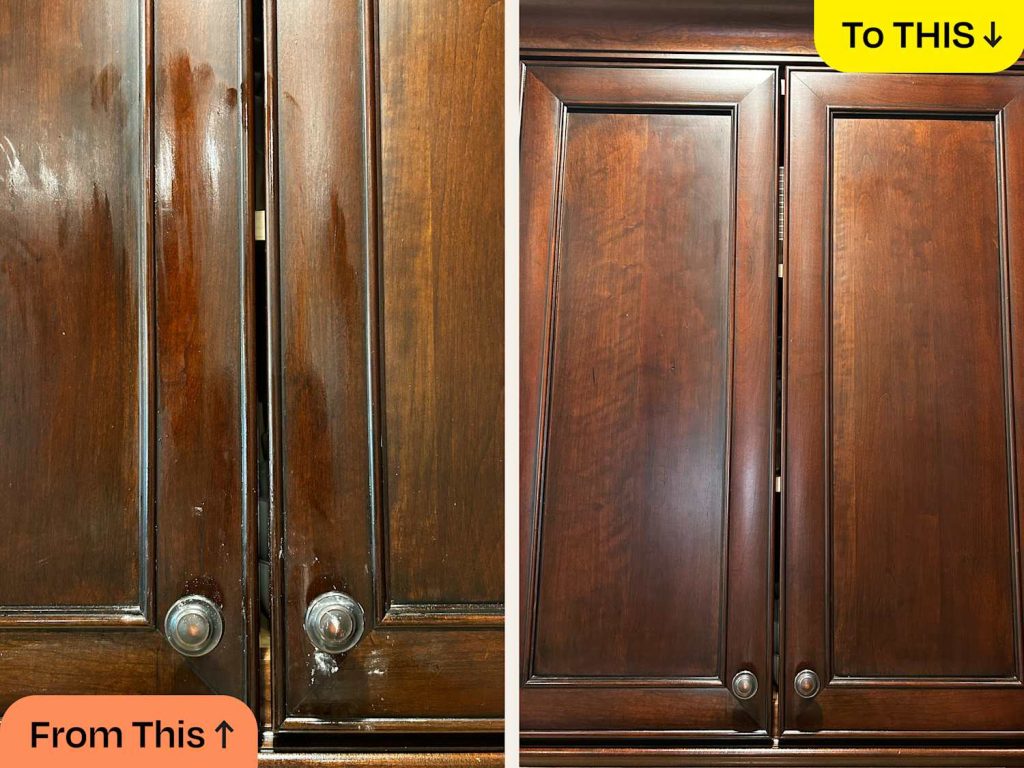
Your kitchen is where magic happens. It’s the heart of your home, where meals are crafted and memories are made.
But amidst the culinary chaos, your kitchen cabinets can accumulate grime and grease, losing their sparkle over time. You might be wondering: what is good for cleaning kitchen cabinets? You’ve come to the right place. Imagine walking into a kitchen that gleams with cleanliness, where every cabinet door opens to reveal a fresh scent and a spotless surface.
That dream can be your reality. You’ll discover the simplest and most effective ways to restore your cabinets to their former glory. Let’s dive into practical tips and tricks to make your kitchen shine again, ensuring your cabinets aren’t just clean, but inviting. Read on to uncover secrets that will transform your kitchen and make you proud of your space.
Natural Cleaning Options
Vinegar and water create an effective solution for cleaning kitchen cabinets. Baking soda can tackle tough stains and grease. Lemon juice adds a fresh scent while helping remove grime naturally.
Cleaning kitchen cabinets naturally not only keeps them spotless but also ensures a safe environment for your family. By using ingredients already in your kitchen, you can maintain the beauty of your cabinets without harsh chemicals. Let’s explore some simple, yet effective natural cleaning options.Vinegar And Water Mix
A vinegar and water mix is a classic solution that’s both effective and economical. Combine equal parts of vinegar and warm water in a spray bottle. Spray the solution onto a microfiber cloth and wipe down your cabinets. This method works wonders on greasy surfaces, breaking down grime with ease. If you’re worried about the vinegar smell, rest assured it dissipates quickly, leaving your kitchen smelling fresh.Baking Soda Paste
For stubborn stains, a baking soda paste can be your best friend. Mix baking soda with a bit of water to form a thick paste. Apply it to stained areas using a soft cloth or sponge. Gently scrub the paste in circular motions and watch the stains fade away. Baking soda’s mild abrasiveness ensures your cabinets won’t get scratched, keeping them pristine.Lemon Juice Freshener
Lemon juice not only cleans but also adds a refreshing scent to your kitchen. Squeeze fresh lemon juice and mix it with a bit of warm water. Use a cloth to apply this mixture to your cabinets. The natural acidity in lemon juice breaks down grease while leaving a delightful citrus aroma. Plus, it’s a great way to repurpose those extra lemons before they go bad. By adopting these natural cleaning methods, you not only maintain the cleanliness of your kitchen but also contribute to a healthier home. Which of these solutions will you try first?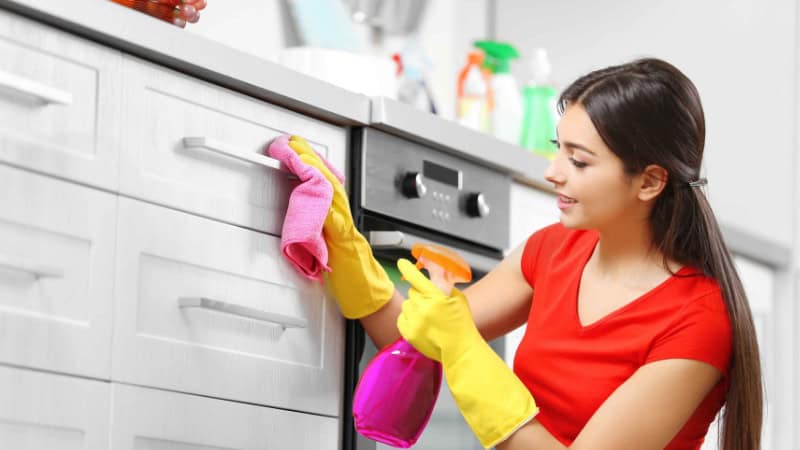
Credit: modern-maids.com
Commercial Cleaners
Keeping kitchen cabinets clean is essential for a tidy space. Commercial cleaners offer effective solutions. These products are designed to tackle tough stains, grease, and grime. Using commercial cleaners ensures your cabinets stay spotless and well-maintained. Let’s explore different types of commercial cleaners suited for kitchen cabinets.
All-purpose Cleaners
All-purpose cleaners are versatile. They clean various surfaces, including kitchen cabinets. These cleaners remove dirt, stains, and minor grease. They are easy to use. Spray, wipe, and see the results. All-purpose cleaners often contain mild ingredients. This makes them safe for most cabinet finishes. They are ideal for regular maintenance.
Cabinet-specific Solutions
Cabinet-specific solutions are tailored for kitchen cabinets. They protect and clean effectively. These solutions enhance the cabinet’s appearance. They are specially formulated to maintain the cabinet’s finish. Many options are available for wood, laminate, or painted cabinets. Using cabinet-specific solutions can prolong the life of your cabinets.
Degreasers
Grease can be stubborn. Degreasers are perfect for tackling tough grease stains. They break down grease quickly. Degreasers are strong and effective. They are especially useful for cabinets near the stove. Ensure to choose a degreaser safe for your cabinet’s material. Using degreasers can make cleaning less time-consuming.
Diy Cleaning Recipes
Mix vinegar and water for a gentle cabinet cleaner. Remove grease with baking soda and a damp cloth. Add lemon juice for a fresh scent while scrubbing away grime.
Cleaning kitchen cabinets can be a daunting task, but with the right DIY cleaning recipes, it becomes a breeze. Imagine using natural ingredients that you probably already have at home to create effective cleaning solutions. These recipes not only save you money but also ensure a chemical-free environment for your family. Let’s dive into some simple yet powerful DIY cleaning recipes for your kitchen cabinets.Essential Oil Blends
Essential oils aren’t just for aromatherapy; they can also work wonders in your cleaning routine. Create a refreshing blend by mixing a few drops of lemon and tea tree essential oils with warm water. Use a soft cloth to apply the mixture to your cabinets, leaving them sparkling clean and smelling fantastic. The antibacterial properties of tea tree oil help eliminate germs, while lemon oil cuts through grease. This blend is perfect for regular maintenance and adds a touch of nature to your cleaning regimen. Have you tried using essential oils for cleaning before?Castile Soap Solution
Castile soap is a versatile and gentle cleaner that can tackle various surfaces, including your kitchen cabinets. Mix one tablespoon of liquid Castile soap with one quart of warm water for an effective solution. Use a soft sponge to wipe down the surfaces, then rinse with a damp cloth. The best part about Castile soap is its all-natural ingredients, making it safe for both you and the environment. It’s a fantastic choice if you’re looking to avoid harsh chemicals. Plus, its mild scent adds a pleasant aroma to your kitchen.Borax-based Cleaner
Borax is a powerhouse when it comes to deep cleaning. Create a borax-based cleaner by combining one tablespoon of borax, one tablespoon of dish soap, and one cup of warm water. Use a spray bottle to apply the solution, then scrub gently with a sponge. This recipe is particularly effective for removing stubborn stains and sticky residues. Borax’s natural cleaning properties make it a reliable option for those tough spots. Have you ever considered using borax in your cleaning arsenal? By using these DIY cleaning recipes, you can maintain the beauty and cleanliness of your kitchen cabinets without relying on store-bought chemicals. Which recipe are you excited to try first?
Credit: www.express.co.uk
Cabinet Material Considerations
Choosing the right cleaning method for kitchen cabinets depends on their material. Different materials need different care. Understanding these differences can keep your cabinets looking new and lasting longer. Let’s explore how to care for various cabinet materials.
Wood Cabinet Care
Wood cabinets are beautiful and need gentle care. Use a soft, damp cloth to wipe them. Avoid using too much water; wood swells when wet. For stubborn stains, mix mild dish soap with warm water. Gently scrub the area with a cloth. Dry the surface immediately with a dry towel. To protect the finish, apply a wood polish every few months.
Laminate And Mdf Tips
Laminate and MDF cabinets are more resistant to moisture. Use a soft cloth with a mild detergent for cleaning. Avoid abrasive cleaners; they can scratch the surface. For sticky spots, a mix of vinegar and water works well. Spray the solution on the spot and wipe with a cloth. Dry the surface to prevent streaks.
Metal And Glass Cabinets
Metal cabinets need a non-abrasive cleaner. A mix of water and a gentle soap works well. Use a soft cloth to avoid scratches. For glass cabinets, use a glass cleaner for a streak-free shine. Spray the cleaner on a cloth, not directly on the glass. This prevents drips and streaks.
Preventative Maintenance
Regular cleaning keeps kitchen cabinets in good shape. Use a gentle dish soap mixed with warm water. A soft cloth helps to wipe away grime and fingerprints. Avoid harsh chemicals to protect cabinet finishes.
Preventative maintenance is the cornerstone of keeping your kitchen cabinets looking pristine. It’s not just about cleaning them when they are visibly dirty; it’s about adopting a routine that prevents grime, moisture, and damage from taking hold. With a few simple habits, you can ensure your cabinets remain in tip-top shape and save yourself the hassle of deep cleaning or costly repairs. Let’s dive into some practical tips for maintaining your kitchen cabinets.Regular Dusting Routine
A regular dusting routine is your first line of defense against the accumulation of dirt and grime. Dust may seem harmless, but over time it can mix with grease and moisture, turning into stubborn stains. Use a microfiber cloth to gently wipe down your cabinets every week. It’s a simple task that takes just a few minutes and makes a significant difference. Have you ever noticed how much brighter your cabinets look after a quick dusting? Consider setting a reminder on your phone or marking your calendar to establish this routine. It’s easy to forget, but once it becomes a habit, you’ll appreciate the effort.Sealing And Protecting
Sealing your cabinets can be a game-changer in the long-term maintenance of your kitchen. A good sealant acts as a protective barrier against spills, stains, and moisture. Choose a sealant that suits the material of your cabinets. Are they wooden, laminate, or painted? Each type requires specific care. Apply the sealant as per the manufacturer’s instructions, and you’ll find that future cleaning becomes a breeze. It’s a small investment of time that pays off with reduced cleaning efforts and a preserved cabinet finish.Avoiding Moisture Damage
Moisture is a silent enemy of kitchen cabinets. It can lead to warping, discoloration, and even mold growth. You may not notice it immediately, but eventually, it can cause irreversible damage. Position your cabinets away from direct contact with water sources. For example, if you have a sink cabinet, ensure it has proper insulation and waterproofing. Wipe up spills promptly and avoid leaving wet cloths or sponges on the cabinet surfaces. These habits can prevent moisture from seeping into the material, preserving the integrity of your cabinets. By embracing these preventative measures, you take control of your kitchen’s cleanliness and longevity. Isn’t it satisfying to know that with a bit of foresight, you can keep your kitchen looking fresh and inviting?
Credit: www.facebook.com
Frequently Asked Questions
What Are Natural Cleaners For Kitchen Cabinets?
Natural cleaners like vinegar and baking soda are great for kitchen cabinets. Mix vinegar with water for an effective solution. Baking soda works well for tough stains. These options are eco-friendly and safe for most surfaces, making them ideal for regular maintenance.
How Often Should I Clean Kitchen Cabinets?
Kitchen cabinets should be cleaned every few months. Regular cleaning helps prevent grime buildup. Dust weekly to keep surfaces fresh. For deep cleaning, consider doing it seasonally. This routine maintains cabinet quality and hygiene, ensuring a neat and tidy kitchen.
Can Vinegar Damage Kitchen Cabinet Surfaces?
Vinegar is generally safe for most cabinet surfaces. However, test it on a small area first. Avoid using it on porous or delicate materials. Dilute vinegar with water for a gentle cleaning solution. This ensures effective cleaning without causing damage to surfaces.
Is Baking Soda Effective For Cabinet Stains?
Yes, baking soda is effective for removing cabinet stains. It acts as a mild abrasive, tackling stubborn marks. Mix it with water to form a paste. Apply gently to stained areas. Baking soda’s natural properties make it a safe choice for cleaning without harsh chemicals.
Conclusion
Keeping kitchen cabinets clean is essential for a neat home. Use gentle cleaners to avoid damage. Natural solutions like vinegar and baking soda work well. Regular cleaning prevents grime buildup. Always dry cabinets after cleaning. This prevents moisture issues. Test cleaners on small areas first.
Ensure they don’t harm the finish. Consistency is key. Cleaning weekly keeps cabinets looking new. A clean kitchen feels welcoming and organized. Follow these tips for shiny, beautiful cabinets. Your kitchen deserves it. Enjoy a tidy space with minimal effort.
Happy cleaning!