
Imagine stepping into your kitchen, ready to whip up a delicious meal, only to be greeted by cluttered countertops and sticky floors. It’s not just an eyesore; it’s a recipe for stress.
But what if you could transform your cooking space into a haven of cleanliness and order? Cleaning kitchen premises isn’t just about tidying up—it’s about creating an environment where you feel inspired and at ease. You’ll discover the simple yet powerful techniques to revitalize your kitchen.
Whether you’re dealing with stubborn stains or chaotic cabinets, you’ll learn how to tackle every corner effectively. So, if you’re ready to turn your kitchen into a clean and inviting space, keep reading to unlock the secrets that will make your culinary adventures more delightful and your kitchen maintenance a breeze.
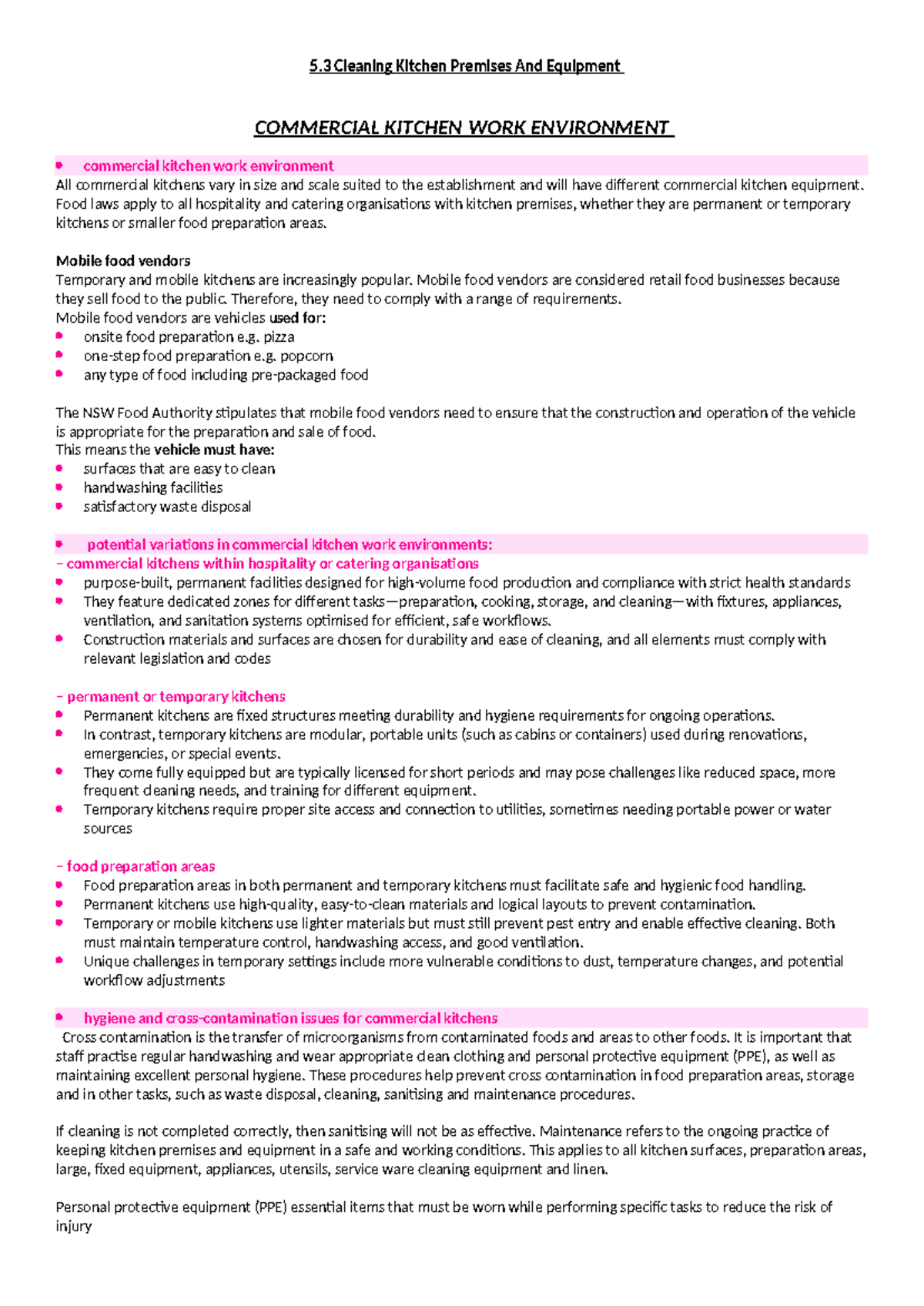
Credit: www.studocu.com
Importance Of Kitchen Cleanliness
The cleanliness of a kitchen affects food safety and health. A clean kitchen prevents bacteria and pests. It also reduces the risk of foodborne illnesses. Keeping the kitchen tidy ensures a pleasant cooking space. It also extends the lifespan of kitchen appliances. A clean environment boosts the overall dining experience.
Why Kitchen Hygiene Matters
Kitchen hygiene is crucial for preventing contamination. Dirty surfaces attract germs and insects. These can spread to food and cause health issues. Regular cleaning helps maintain a safe cooking environment. It ensures that meals are prepared in a sanitary setting. This protects family and guests from illness.
Impact On Health
A clean kitchen prevents food poisoning. It limits exposure to harmful bacteria. Regular cleaning reduces the spread of germs. This is especially vital in food preparation areas. It ensures that food is safe to eat. A hygienic kitchen supports overall well-being.
Enhancing Food Quality
Cleanliness affects the taste and quality of food. Unclean surfaces can alter flavors. They can also lead to spoilage. A tidy kitchen keeps ingredients fresh. It ensures that meals are flavorful and nutritious. This enhances the dining experience.
Maintaining Kitchen Equipment
Clean equipment lasts longer. Dirt and grease can damage appliances. Regular cleaning prevents build-up. It ensures that tools function efficiently. This prolongs their lifespan. It also saves money on replacements.
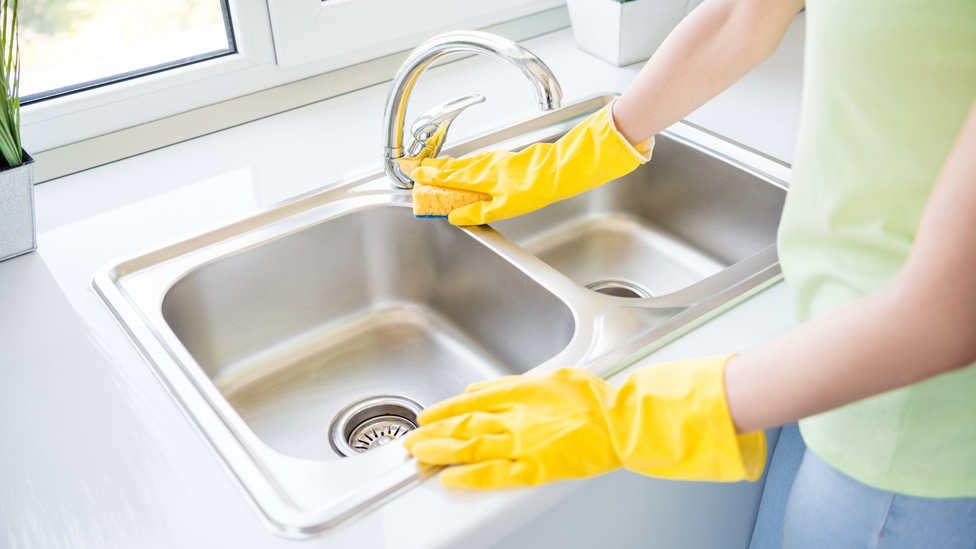
Credit: www.coles.com.au
Daily Cleaning Routine
Keeping a clean kitchen is essential for both hygiene and peace of mind. Establishing a daily cleaning routine can make all the difference in maintaining a spotless and organized space. A few simple tasks each day can prevent the buildup of grime and ensure your kitchen remains inviting.
Countertops And Surfaces
Wipe down countertops and surfaces after every meal preparation. Use a disinfectant spray to tackle bacteria and stains. Consider using microfiber cloths for a streak-free finish. Have you noticed how a gleaming countertop can instantly uplift the mood of your kitchen?
Appliance Maintenance
Daily attention to appliances can extend their lifespan and efficiency. Clean your microwave by heating a bowl of water with lemon slices; the steam loosens grime for easy wiping. Keep your refrigerator organized and check for expired items. Is your toaster clean? Shake out the crumbs regularly to prevent buildup.
Floor Care
Don’t underestimate the importance of clean floors. Sweep or vacuum daily to remove crumbs and dirt. Consider a quick mop with warm water and vinegar for natural freshness. Have you ever walked into a kitchen only to be deterred by sticky floors? A little daily care can prevent this.
Weekly Deep Cleaning Tasks
Cleaning kitchen premises involves thorough scrubbing of countertops, floors, and appliances. Focus on removing grease and food residues. Regular deep cleaning ensures a hygienic cooking environment, reducing the risk of contamination.
Weekly deep cleaning tasks in the kitchen ensure a fresh and hygienic space. These tasks help maintain the efficiency and cleanliness of your kitchen. Regular cleaning keeps germs at bay and improves the longevity of your appliances. Tackle these specific areas to keep your kitchen in top condition.Cabinet Organization
Cabinets collect dust and grime. Begin by emptying them. Wipe down shelves and surfaces with a damp cloth. Use a gentle cleaner to remove stains. Sort items based on usage. Place frequently used items within easy reach. Store rarely used items in higher cabinets. Group similar items together for easy access. Label shelves if needed.Refrigerator And Freezer
Start by emptying the fridge. Check expiration dates on food items. Discard expired or spoiled foods. Remove shelves and drawers. Wash them with warm, soapy water. Wipe the interior walls with a disinfectant. Clean the door seals with a mixture of vinegar and water. Organize food by type. Use containers to prevent spills. Repeat the process for the freezer.Oven And Stove
Ovens collect grease and food particles. Remove oven racks and soak them in soapy water. Use a specialized cleaner for the oven interior. Scrub stubborn stains with a soft brush. Wipe down the exterior with a damp cloth. For the stove, remove burners and grates. Clean them in warm, soapy water. Use a brush to clean food spills on the stove surface. Ensure all parts are dry before reassembling.Eco-friendly Cleaning Solutions
Eco-friendly cleaning solutions are gaining popularity in kitchen maintenance. They offer a safe, sustainable way to keep kitchen premises spotless. These solutions minimize harm to the environment and promote healthier living spaces. Opting for natural and sustainable cleaning products can significantly reduce chemical exposure. Let’s explore some eco-friendly cleaning options.
Natural Ingredients
Natural ingredients are gentle yet effective for cleaning kitchen surfaces. Vinegar, for instance, is a powerful disinfectant. It cuts through grease and grime with ease. Baking soda is another versatile ingredient. It absorbs odors and acts as a mild abrasive. Lemon juice, with its natural acidity, works well on stains. These ingredients are readily available and budget-friendly.
Sustainable Products
Sustainable products are crafted with eco-consciousness. They often come in biodegradable packaging. This reduces waste and environmental impact. Many brands offer refills, reducing plastic use. Plant-based cleaners contain no harmful chemicals. They are safe for both humans and pets. Look for products with eco-certifications or labels. This ensures they meet environmental standards.
Safety Measures In Cleaning
Cleaning kitchen premises involves removing dirt and germs to ensure a safe cooking environment. Proper safety measures like using gloves and ventilating the area help prevent accidents and maintain hygiene. Regular cleaning reduces the risk of contamination and keeps the kitchen fresh and inviting.
Cleaning kitchen premises is essential for maintaining hygiene. It’s also crucial to ensure safety during the cleaning process. Safety measures protect you from potential hazards while achieving a spotless kitchen. Below are key safety practices to follow.Handling Chemicals
Proper handling of cleaning chemicals is vital. Read labels carefully before use. Wear gloves to protect your skin. Open windows or use fans to ventilate the area. Store chemicals in a locked cabinet away from children. Always follow the manufacturer’s instructions for safe usage.Preventing Slips And Falls
Slips and falls can occur easily on wet floors. Use a mop with good grip to clean spills promptly. Place non-slip mats near sinks and stoves. Wear shoes with rubber soles for better traction. Keep walkways clear of clutter. Ensure adequate lighting to see potential hazards.
Credit: www.youtube.com
Tools And Equipment
Cleaning kitchen premises involves using tools and equipment to maintain hygiene. Common tools include mops, sponges, and cleaning sprays. These help remove dirt, grease, and bacteria from surfaces.
Cleaning kitchen premises requires the right tools and equipment to ensure every nook and cranny sparkles. The choices you make in tools can determine how efficiently and effectively you clean. From the simplest scrubber to more advanced machinery, each piece of equipment plays a crucial role in maintaining a spotless kitchen.Essential Cleaning Tools
Every kitchen should be armed with a basic set of cleaning tools. Sponges and scrubbers are your frontline soldiers against stubborn grease and grime. Soft microfiber cloths are perfect for gentle wiping and drying, leaving no streaks behind. Brooms and dustpans help you sweep up crumbs and debris. For those hard-to-reach corners, a handheld vacuum is ideal. Keep a mop and bucket on standby for spills and regular floor maintenance.Choosing The Right Equipment
Picking the right equipment can feel like a daunting task. Ask yourself what specific needs your kitchen has. Do you have a lot of stainless steel appliances? If so, consider investing in a specialized stainless steel cleaner. For larger kitchens, a steam cleaner might be a worthy investment, offering deep cleaning without chemicals. Smaller spaces might benefit more from compact, multi-purpose tools. Consider ergonomics and comfort—cleaning shouldn’t be a chore that leaves you tired and achy. Test the weight and handle design of tools before purchasing. Remember, the right tools can make your cleaning tasks quicker and more enjoyable. What tools could transform your cleaning routine today?Common Mistakes To Avoid
Cleaning kitchen premises is crucial for maintaining a healthy environment. Neglecting certain aspects can lead to ineffective cleaning and potential health risks. Avoiding common mistakes helps ensure thorough and effective cleaning.
Overlooking Small Areas
Small areas often hide dirt and grime. These spaces include corners, behind appliances, and under sinks. Ignoring them can lead to bacteria buildup. Regularly check these areas to keep them clean.
Using Wrong Products
Choosing incorrect cleaning products can damage surfaces. Some products may not disinfect effectively. Always read labels to ensure compatibility. Select products designed for specific kitchen surfaces. This prevents damage and ensures cleanliness.
Benefits Of A Clean Kitchen
Cleaning kitchen premises ensures a hygienic environment, reducing the risk of foodborne illnesses. It enhances the overall cooking experience and keeps pests away, promoting a healthier lifestyle.
A clean kitchen offers numerous benefits. It is more than just appealing to the eyes. A tidy kitchen enhances your health, cooking, and overall happiness. Let’s explore how a clean kitchen can make a difference in your life.Health And Hygiene
A clean kitchen protects your health. It reduces germs and bacteria. These germs can cause sickness. Regular cleaning removes food particles. This prevents pests like ants and cockroaches. Clean surfaces mean safer meals. Cleanliness also reduces allergens. Dust and mold can be harmful. A clean space helps you breathe better.Enhanced Cooking Experience
Cooking in a clean kitchen is a joy. It is easier to find utensils and ingredients. You can focus on creating delicious meals. A tidy kitchen inspires creativity. With no clutter, you can experiment with new recipes. Cooking becomes less stressful. A clean environment makes cooking quicker. You save time and energy. The whole family can enjoy a more pleasant mealtime.Frequently Asked Questions
What Is Included In Kitchen Cleaning?
Kitchen cleaning involves sanitizing surfaces, washing dishes, and cleaning appliances. It includes wiping countertops, mopping floors, and removing food waste. Regular cleaning prevents bacteria buildup and ensures a hygienic environment. Proper kitchen cleaning enhances safety and maintains the kitchen’s functionality and aesthetics.
Why Is Kitchen Hygiene Important?
Kitchen hygiene prevents foodborne illnesses and maintains a safe cooking environment. It reduces the risk of contamination and helps in keeping pests away. A clean kitchen promotes a healthy lifestyle and ensures food safety for everyone. Regular cleaning routines enhance overall kitchen efficiency and longevity.
How Often Should I Clean My Kitchen?
Clean your kitchen daily by wiping surfaces and washing dishes. Perform deep cleaning weekly, including appliances and floors. Regular cleaning prevents germs and maintains kitchen hygiene. Adjust the frequency based on usage and family size to ensure a clean and healthy environment.
What Are The Benefits Of A Clean Kitchen?
A clean kitchen reduces health risks and enhances food safety. It prevents pests and promotes a pleasant cooking experience. Cleanliness prolongs the life of appliances and surfaces. It also improves overall kitchen efficiency and creates a welcoming environment for family and guests.
Conclusion
Cleaning kitchen premises keeps your space safe and hygienic. A clean kitchen prevents germs and pests. Regular cleaning saves time and effort. It also extends the life of kitchen appliances. Tidy kitchens make cooking enjoyable and stress-free. Everyone feels comfortable in a clean space.
Cleaning should be a daily routine. Little steps make a big difference. Start with wiping surfaces and organizing shelves. Soon, it becomes second nature. Clean kitchens contribute to better health and well-being. So, focus on cleanliness for a happier kitchen experience.