Have you ever found yourself in a cleaning frenzy, reaching for that powerful oven cleaner, only to wonder if it’s safe for your kitchen countertops? It’s tempting to use the same cleaner for multiple surfaces, but the truth is, not all products are created equal.
You care about the beauty and longevity of your kitchen, right? Then you need to know how these potent chemicals can affect different countertop materials. Imagine the horror of discovering unsightly stains or damage after a vigorous cleaning session. You wouldn’t want your kitchen’s heart to lose its charm, would you?
By understanding the impact of oven cleaners on various countertop materials, you can protect your investment and keep your kitchen looking its best. Stick with us as we explore how these cleaners interact with different surfaces and reveal the secrets to maintaining your kitchen’s appeal without compromising its integrity.
Credit: www.lisabronner.com
Chemical Components Of Oven Cleaners
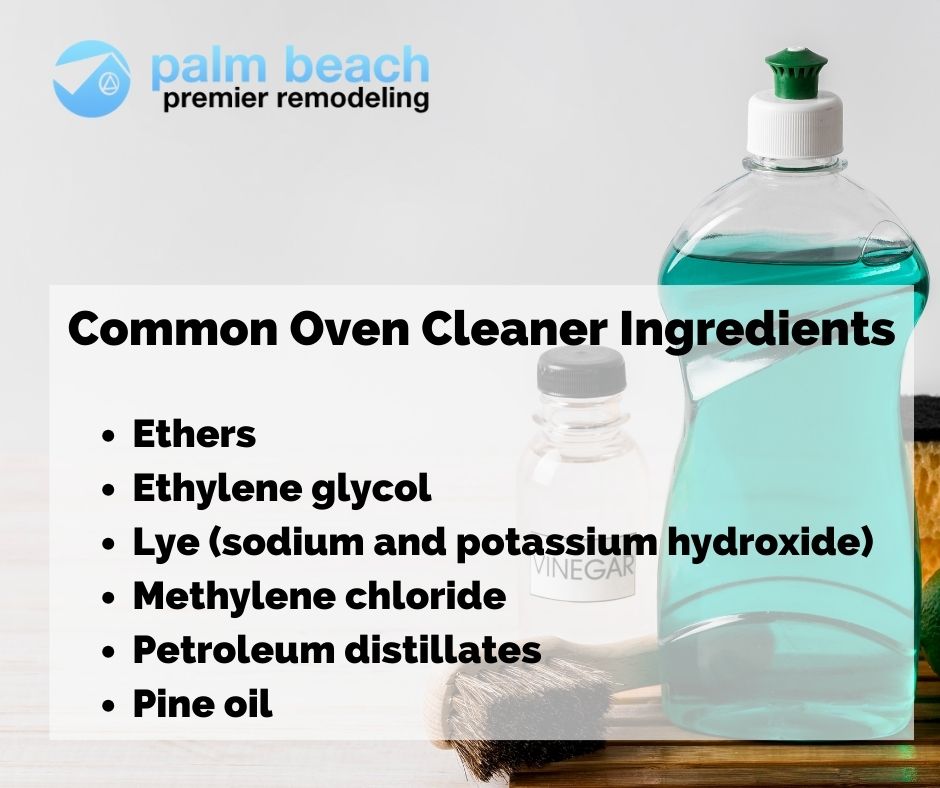
Oven cleaners contain powerful chemicals designed to cut through grease and grime. These ingredients are effective for cleaning ovens but may harm kitchen countertops. Understanding the chemical components is crucial to prevent damage to your surfaces.
Common Ingredients
Oven cleaners often include strong alkalis like sodium hydroxide and potassium hydroxide. These compounds help dissolve stubborn stains and baked-on grease. Solvents such as ethanol and isopropanol are also common. They help in breaking down oily residues. Some cleaners contain surfactants to enhance cleaning power. These agents break up dirt and make it easier to wipe away.
Potential Hazards
The chemicals in oven cleaners can harm countertop materials. Sodium hydroxide is very corrosive and can damage surfaces like marble and granite. Prolonged exposure to strong alkalis can lead to discoloration or etching. Solvents may strip away protective finishes on countertops. Surfactants, while useful, can leave residues that attract dirt over time.
Credit: pbphomerepair.com
Types Of Kitchen Countertops
Your kitchen countertops are the unsung heroes of your daily culinary adventures. Whether you’re slicing veggies or rolling out dough, your countertops bear the brunt of your cooking endeavors. But did you know that using oven cleaner on them could lead to unexpected outcomes? To better understand this, let’s dive into the various types of kitchen countertops and how oven cleaner might affect each one.
Natural Stone Surfaces
Natural stone countertops like granite and marble are prized for their durability and elegance. They add a touch of luxury to your kitchen. However, these surfaces are porous and can be sensitive to harsh chemicals. Oven cleaner may strip the sealant, causing the stone to absorb stains and potentially discolor. Have you ever noticed a dull patch on your stone countertop? It might just be the result of using an inappropriate cleaner. A gentle cleaning solution is your best friend here.
Laminate Countertops
Laminate countertops are affordable and come in a variety of designs, making them a popular choice. While they are generally resistant to stains, the chemicals in oven cleaners can wear down their surface, leading to discoloration or even peeling. Imagine the frustration of seeing your vibrant countertop lose its luster. It’s a reminder to choose cleaning agents designed specifically for laminate surfaces.
Wooden Tops
Wooden countertops bring warmth and character to any kitchen. They require a bit more care to maintain their beauty. Oven cleaner can cause irreversible damage by stripping away the protective layer of oil or varnish, leaving the wood vulnerable to moisture. If you love the rustic charm of wood, consider using natural cleaning solutions that nourish rather than harm.
Solid Surface Materials
Solid surface countertops like Corian offer a seamless appearance and are known for their versatility. They are generally non-porous, but that doesn’t make them immune to damage. Oven cleaner can leave them looking dull and etched. To keep your solid surface countertops pristine, opt for mild cleaning products. Would you risk the sleek look of your kitchen for a quick clean?
Each type of countertop has its own set of care instructions. Understanding the impact of oven cleaner can save you from costly repairs and maintain the beauty of your kitchen space. Choose wisely and keep your countertops looking their best!
Chemical Reactions With Countertop Materials
When you reach for that powerful oven cleaner, have you considered what happens when it spills onto your kitchen countertops? Oven cleaners contain strong chemicals that can react with various countertop materials, causing damage that might be irreversible. Understanding these chemical reactions can help you preserve your kitchen surfaces and make informed cleaning choices.
Stone Surface Vulnerabilities
Stone countertops like granite and marble are popular for their durability. Yet, they are not immune to the harsh chemicals in oven cleaners. The high pH level can etch the surface, leaving unsightly marks or dulling the finish. Have you ever noticed a cloudy spot on your granite after a cleaning mishap? This could be the result of chemical etching.
Laminate Damage Risks
Laminate countertops are often chosen for their affordability and variety. However, they can be particularly vulnerable to the aggressive nature of oven cleaners. The chemicals can cause discoloration or even peel away the protective layer. A friend’s laminate countertop once bubbled up from an accidental spill, a costly mistake she never anticipated.
Wood Surface Deterioration
Wood countertops add warmth to any kitchen but are sensitive to chemical exposure. Oven cleaner can strip away the finish, leaving the wood exposed and prone to moisture damage. Have you ever seen wood swell or crack unexpectedly? This can happen when harsh cleaners seep into the grain.
Impact On Solid Surfaces
Solid surface countertops, like Corian, are designed for easy maintenance but are not impervious to chemical reactions. While they are more resistant than stone or laminate, prolonged exposure can lead to surface damage or fading. Consider how you might feel if your sleek countertop suddenly lost its luster.
Are you treating your countertops with the care they need? Next time you clean, think twice before reaching for that oven cleaner.

Credit: www.angi.com
Short-term And Long-term Effects
Using oven cleaner on kitchen countertops can have varied effects. The type of material plays a big role. Let’s explore the short-term and long-term impacts.
Immediate Damage Signs
Oven cleaners contain harsh chemicals. These can cause immediate damage to some countertop materials. You might notice discoloration or fading. Surfaces can become dull or lose their shine. Some materials may show spots or stains. These changes can happen quickly after contact.
Gradual Degradation
Long-term exposure to oven cleaner can cause gradual degradation. The surface might erode slowly over time. Repeated use can weaken the material. Small cracks or chips might appear. This makes the countertop less durable. Over time, it can lead to costly repairs or replacements.
Preventive Measures
Oven cleaners can damage kitchen countertops, causing discoloration and surface erosion. Always use mild cleaners to protect countertops.
Preventive measures can save your countertops from the harsh effects of oven cleaners. Understanding how to clean and maintain them is essential. Let’s explore alternative solutions and proper usage techniques to keep your kitchen in top shape.Alternative Cleaning Solutions
Oven cleaners can damage countertops. Instead, use gentle cleaners. Mix vinegar and water in equal parts. This solution cleans without harm. Baking soda is another safe option. Make a paste with water. Scrub gently with a soft cloth. These natural methods protect your countertop’s surface.Proper Usage Techniques
If you must use oven cleaner, apply it carefully. Protect nearby surfaces first. Cover them with plastic or newspaper. Use the cleaner sparingly. Avoid direct contact with countertops. Wipe away any spills immediately. Rinse the area with water afterwards. This reduces the risk of damage. Always follow the instructions on the product label.Safe Practices For Countertop Maintenance
Maintaining your kitchen countertops goes beyond just wiping them down. It’s about ensuring they remain in pristine condition despite daily wear and tear. This becomes crucial, especially when dealing with strong substances like oven cleaner. These cleaners can be harsh, potentially damaging surfaces if not used properly. So, how can you ensure your countertops remain in good shape?
Routine Cleaning Tips
- Use a mild dish soap and warm water for everyday cleaning. This combination is gentle yet effective in removing most stains and spills.
- Avoid abrasive sponges or scrubbers. They can scratch the surface, leaving it vulnerable to further damage.
- Regularly clean spills immediately to prevent staining. Leaving spills unattended can lead to stubborn stains that are difficult to remove.
Have you ever noticed how small stains can become big problems over time? A quick wipe down can save you from future headaches.
Protective Measures
- Consider using cutting boards and trivets to shield your countertops from direct heat and sharp objects.
- Seal porous surfaces like granite regularly. This creates a protective barrier against spills and stains.
- Test any new cleaning products on a small, inconspicuous area first. This helps ensure they don’t cause damage.
Think about the last time you introduced a new product to your kitchen. Did you check its compatibility with your countertops first?
By adopting these safe practices, you can extend the life and beauty of your kitchen countertops. Remember, a little precaution today can save you from costly repairs tomorrow. Are you ready to enhance your countertop care routine?
Frequently Asked Questions
Can Oven Cleaner Damage Kitchen Countertops?
Yes, oven cleaner can damage countertops, especially if they’re made of sensitive materials like marble or granite. The harsh chemicals in oven cleaners can cause discoloration and etching. It’s crucial to read the product label and do a spot test on a small, hidden area before application.
How To Remove Oven Cleaner Stains?
To remove oven cleaner stains, wipe the area with a damp cloth immediately. Use a mild dish soap and warm water to clean the surface. For stubborn stains, consider using a mixture of baking soda and water. Avoid abrasive scrubbers that can cause further damage to the countertop.
Is It Safe To Use Oven Cleaner On Laminate?
Using oven cleaner on laminate surfaces is not recommended. The chemicals can weaken and discolor the laminate. It’s better to use a gentle, non-abrasive cleaner designed for laminate countertops. Always follow the manufacturer’s instructions and test on a small area first to avoid damage.
Are There Alternative Cleaners For Countertops?
Yes, there are alternative cleaners. You can use mild dish soap, vinegar, or a baking soda paste. These options are safer for most countertop materials. Always check the manufacturer’s guidelines for cleaning and test any new product on an inconspicuous area to ensure no damage occurs.
Conclusion
Oven cleaners can damage kitchen countertops if used carelessly. They contain strong chemicals. These can stain or weaken countertop surfaces. Always check the cleaner’s label. Ensure it’s safe for your countertop material. Test a small hidden area first. Use mild soap for regular cleaning.
This keeps countertops looking new. Avoid using harsh chemicals. They can lead to costly repairs. Taking simple precautions helps maintain countertop beauty and durability. Be cautious and informed about cleaning choices. Your kitchen will thank you for it!