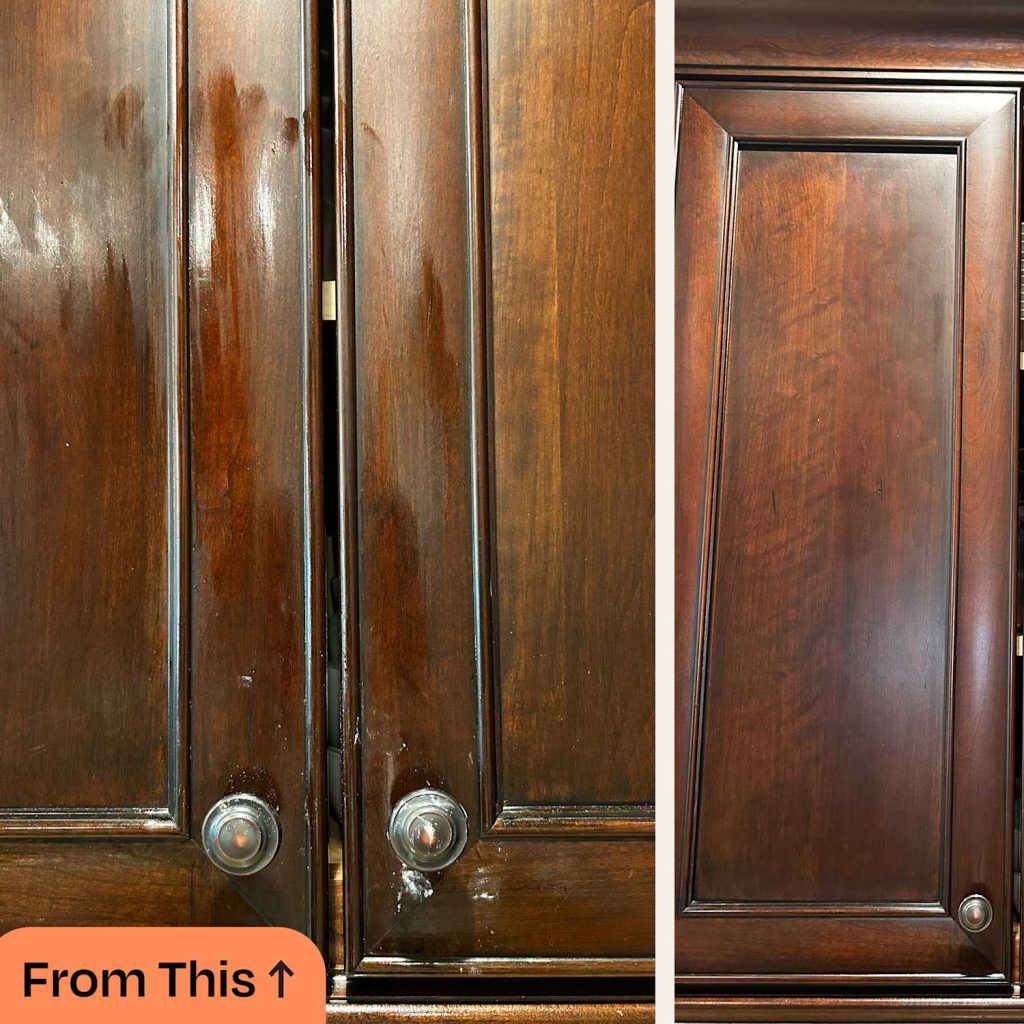
Imagine walking into your kitchen and feeling the warmth and elegance of your beautiful wood cabinets. They’re not just a place to store dishes and spices; they’re the heart of your kitchen’s charm.
But over time, grease, dust, and grime can dull their natural glow. You might wonder, “What truly cleans wood kitchen cabinets without damaging them? ” You’re not alone in this quest. Many homeowners struggle with finding the right solution that restores the shine while preserving the wood’s integrity.
The secret lies in understanding what works best for your cabinets’ unique needs. Dive into this article, and you’ll discover effective, safe, and simple ways to rejuvenate your wood cabinets, making your kitchen sparkle with renewed vibrancy. Don’t let uncertainty hold you back from achieving the kitchen of your dreams. Let’s reveal the secrets to a cleaner, brighter space that reflects your home’s warmth and character.
Choosing The Right Cleaning Products
Choosing the right cleaning products for wood kitchen cabinets is crucial. The wrong product may harm the finish or wood itself. With numerous options available, it becomes essential to select wisely. Your choice impacts both cabinet longevity and appearance. Understanding product types can guide you in maintaining your kitchen’s beauty.
Natural Vs Chemical Cleaners
Natural cleaners offer an eco-friendly way to clean your cabinets. Ingredients like vinegar and baking soda can effectively remove grime. These options are gentle on wood, reducing the risk of damage. Chemical cleaners, in contrast, provide a powerful cleaning solution. They often contain solvents that can dissolve tough stains quickly. Yet, they may contain harsh chemicals that could harm wood finishes. Choose based on your cleaning needs and personal preference.
Recommended Brands And Products
Several brands offer reliable products for wood cabinets. Murphy Oil Soapis a popular choice, known for its wood-safe formula. Pledge Gentle Wood Cleanerprovides a gentle yet effective solution. Method Wood for Goodis another favorite, offering natural ingredients. For a homemade touch, you might consider a mix of vinegar and water. Always test a small area first with any product to ensure it suits your cabinets.
Credit: www.housework.com
Preparing Cabinets For Cleaning
Cleaning wood kitchen cabinets involves choosing a gentle cleaner like vinegar or dish soap. Avoid harsh chemicals to protect the wood. Wipe with a soft cloth for best results.
Preparing your kitchen cabinets for cleaning is an essential first step. It ensures the cleaning process is both effective and safe. Before diving into the cleaning, it’s crucial to lay the groundwork. This involves removing any items that may be in the way. Doing so prevents accidental damage and makes the cleaning process more efficient.Removing Hardware
Take off all cabinet hardware before cleaning. Use a screwdriver to remove knobs and handles. Place these items in a safe spot. This helps avoid losing them during cleaning. Removing hardware also prevents scratches on surfaces.Dusting And Surface Prep
Begin by dusting the cabinets with a soft cloth. Wipe away loose dirt and dust. This step prevents scratches during deeper cleaning. Use a gentle brush for corners and grooves. Ensure surfaces are free from debris. Dusting sets the stage for a thorough cleaning.Step-by-step Cleaning Process
Cleaning wood kitchen cabinets might seem challenging. But with a simple process, it becomes easy. Regular cleaning keeps them looking fresh and new. Below is a guide to clean your wood cabinets effectively.
Spot Cleaning Stains
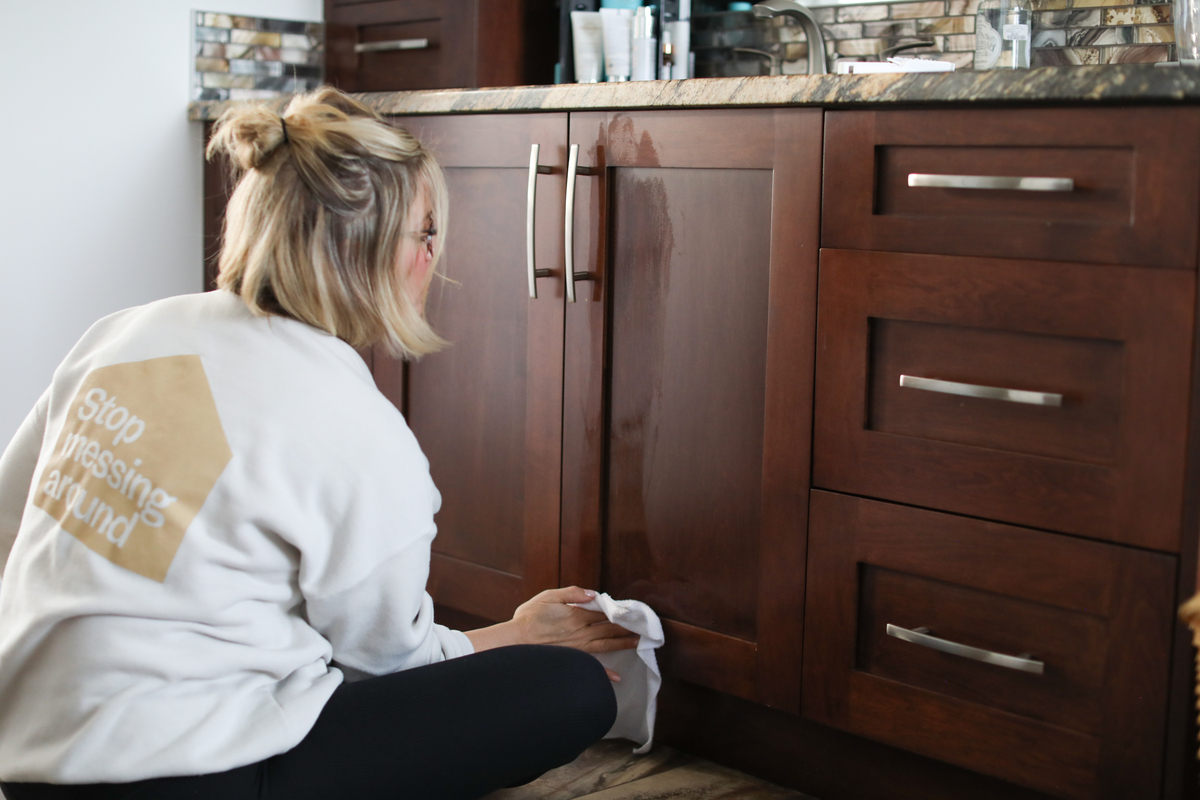
Stains on cabinets can be stubborn. Use a soft cloth for this task. Dampen it with warm water. Gently rub the stained area. For tough spots, mix water and mild soap. Avoid harsh chemicals. They can damage the wood. Rinse with a clean cloth and dry the area.
Deep Cleaning Techniques
Deep cleaning is essential for long-lasting cabinets. Start by emptying the cabinets. Use a vacuum to remove loose debris. Mix vinegar and water in equal parts. This solution is gentle yet effective. Dip a cloth into the mixture. Wipe the cabinet surfaces thoroughly. Pay attention to corners and crevices. Rinse with a damp cloth. Finally, dry the cabinets using a soft towel.

Credit: www.aol.com
Maintaining Cabinet Finish
Wood kitchen cabinets can be effectively cleaned using a mix of warm water and mild dish soap. Wipe gently with a soft cloth to remove grime, then dry thoroughly to maintain the finish. Regular cleaning keeps cabinets looking fresh and prevents damage.
Maintaining Cabinet Finish Wood kitchen cabinets are not just functional; they add a touch of warmth and elegance to your kitchen. Keeping their finish in top condition requires regular attention. If you’ve ever wondered how to keep your cabinets looking new, you’re in the right place.Protective Oils And Polishes
Using the right oils and polishes can significantly extend the life of your cabinet finish. A good wood polish not only enhances the natural beauty of the wood but also provides a protective layer against moisture and dust. Consider products with natural ingredients, like beeswax or lemon oil, that nourish the wood without harsh chemicals. Applying these regularly can keep your cabinets gleaming. Just a small amount on a soft cloth can work wonders.Avoiding Common Mistakes
It’s easy to make mistakes that can damage your cabinet’s finish. Using abrasive cleaners, for instance, can strip away the protective coating and dull the appearance. Always choose mild detergents and test any new product on a small hidden area first. Remember, less is more when it comes to cleaning wood surfaces. Avoid soaking the cabinets with water; a damp cloth should suffice. Water can seep into the wood and lead to warping or discoloration. Are you guilty of using kitchen cabinets as a handrest while cooking? Those oils from your hands can accumulate over time. Consider wiping down the handles and edges more often to avoid buildup.Diy Cleaning Solutions
Mix equal parts of vinegar and water for an effective wood cabinet cleaner. Gently wipe cabinets with a soft cloth. Baking soda paste can tackle tougher stains, leaving the wood looking refreshed and clean.
If you’re looking to breathe new life into your wood kitchen cabinets, DIY cleaning solutions can be your best ally. They are easy to whip up using ingredients you probably already have at home. Plus, they’re gentle on both your cabinets and your wallet.Vinegar And Baking Soda Mix
This classic duo is a powerhouse for cleaning wood surfaces. Mix equal parts of vinegar and water in a spray bottle. Add a tablespoon of baking soda to the mix, shaking well until dissolved. Spray the solution onto a soft cloth, not directly onto the wood, to prevent soaking. Gently wipe down your cabinets, focusing on areas with stubborn grime. Vinegar’s acidity helps cut through grease, while baking soda’s slight abrasiveness removes stuck-on dirt. Who knew that a couple of kitchen staples could work such wonders?Essential Oil Infusions
Bring a fresh scent and shine to your cabinets with essential oils. Start by mixing a cup of warm water with a few drops of dish soap. Add 10-15 drops of your favorite essential oil, such as lemon or tea tree. These oils not only smell great but also have natural antibacterial properties. Dip a soft cloth into the solution and wring it out well. Wipe your cabinets gently, enjoying the fresh aroma as you work. Imagine opening your cabinets to a burst of refreshing scent, all thanks to a simple DIY solution. Have you tried using essential oils for cleaning before? If not, now might be the perfect time to give it a shot.Handling Tough Grease And Grime
Wood kitchen cabinets often collect grease and grime over time. This can happen from cooking and regular use. Cleaning them requires patience and the right techniques. Tough grease can be stubborn, but with the right approach, it can be managed effectively. Let’s explore some practical methods to tackle this challenge.
Using Degreasers
Degreasers are powerful cleaning agents. They break down tough grease on wood cabinets. Choose a degreaser suitable for wood surfaces. Spray a small amount onto a soft cloth. Gently wipe the cabinet surface. Avoid soaking the wood to prevent damage. Test in a hidden area first to ensure safety.
Scrubbing Techniques
Stubborn grime may need scrubbing. Use a soft-bristle brush for this task. Dip it in a mild soap solution. Gently scrub the affected areas. Ensure the brush is not too hard to avoid scratches. Rinse the brush frequently to remove loosened grime. After scrubbing, wipe the cabinet with a damp cloth. This removes any soap residue. Dry the surface with a clean towel to prevent moisture damage.
Preventing Future Build-up
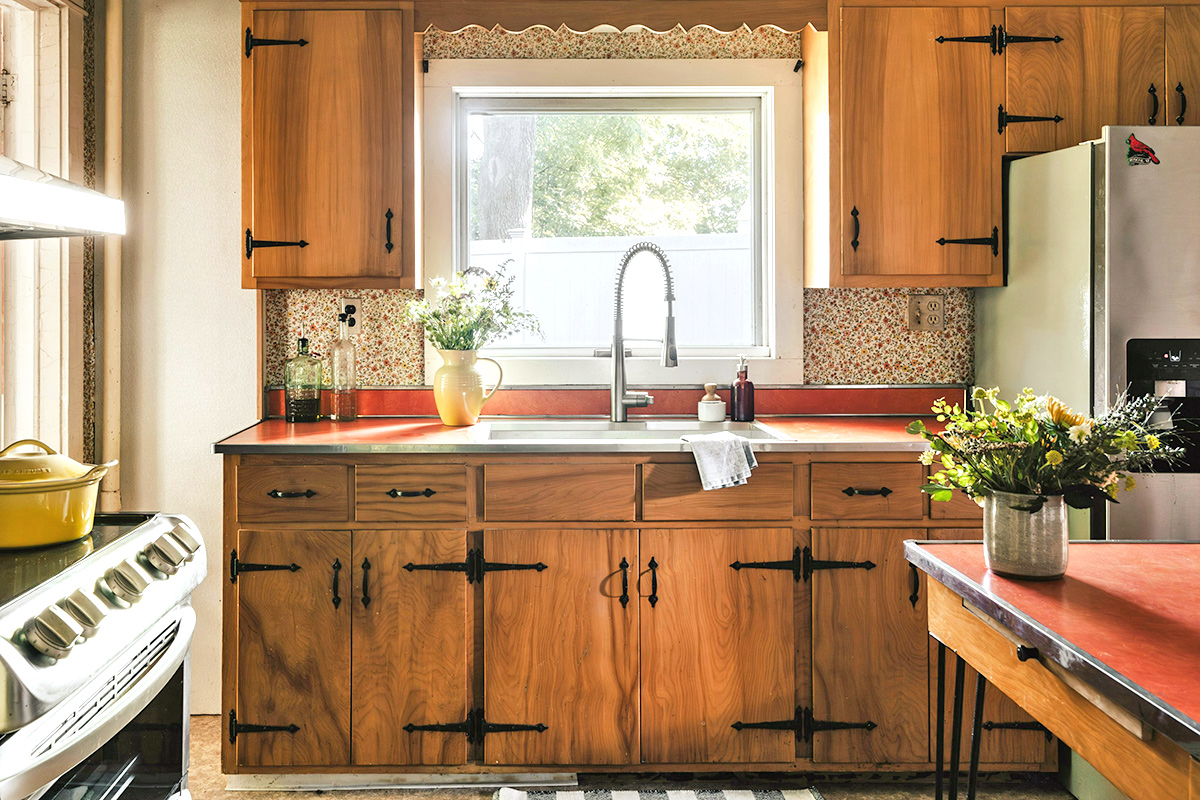
Your wood kitchen cabinets are often the focal point of your kitchen, and keeping them pristine can be a challenge. Grease, food particles, and everyday dust can accumulate quickly, leaving your cabinets dull and sticky. But what if there was a way to prevent this build-up? With a few simple habits and tips, you can maintain the beauty of your cabinets, ensuring they remain a stunning centerpiece in your kitchen.
Regular Cleaning Schedule
Establishing a regular cleaning routine is the first step in preventing build-up. Wipe down your cabinets weekly with a soft cloth and mild detergent. This removes surface grime before it has the chance to settle.
Quick daily maintenance can also make a world of difference. After cooking, a quick wipe with a damp cloth can prevent grease from hardening. Remember, it’s easier to clean a little every day than to tackle a big mess later.
Cabinet Maintenance Tips
Consider the finishes and materials of your cabinets. Some wood finishes might require specific cleaners, so always check the manufacturer’s instructions. Using the wrong cleaner could damage the surface.
Polishing your cabinets every few months can also help maintain their luster. A good wood polish not only enhances shine but also provides a protective layer against dirt and grime. You’d be surprised how much of a difference this small effort can make in the long run.
Lastly, inspect your cabinets regularly for any signs of wear or damage. Catching small issues early on, like loose handles or small nicks, can prevent bigger problems later. Why not take a moment now to give your cabinets the attention they deserve?
Credit: houseoutlook.com
Environmental Considerations
Environmental considerations are crucial when cleaning wood kitchen cabinets. Many conventional cleaners contain harmful chemicals. These can affect health and the environment. Opting for eco-friendly methods can make a big difference. They are safer for your family and nature.
Eco-friendly Cleaning Options
Eco-friendly cleaning options are gentle on wood and the planet. Use natural ingredients like vinegar and water. Mix equal parts in a spray bottle for a simple cleaner. Baking soda can tackle tough stains without harsh chemicals. Just sprinkle on a damp cloth and scrub lightly.
Olive oil can polish and protect wood surfaces. Mix it with lemon juice for a fresh scent. These options clean effectively and keep the environment safe. They are also budget-friendly and easy to find.
Reducing Chemical Use
Reducing chemical use benefits your health and the ecosystem. Many store-bought cleaners contain toxins. These can linger on surfaces and in the air. Choose biodegradable and non-toxic products instead. Look for labels that mention plant-based ingredients.
Avoid products with ammonia or bleach. These can damage wood and harm your family. Regular cleaning with mild solutions prevents the need for harsh chemicals. Maintaining cabinets with eco-friendly methods extends their life and keeps them beautiful.
Frequently Asked Questions
How To Clean Wood Kitchen Cabinets Effectively?
To clean wood kitchen cabinets effectively, use a mild dish soap mixed with warm water. Gently wipe the surfaces with a soft cloth. Avoid abrasive cleaners that can damage the finish. Regular cleaning prevents grime buildup and maintains the cabinet’s appearance.
What Is The Best Cleaner For Wood Cabinets?
The best cleaner for wood cabinets is a solution of vinegar and water. Vinegar naturally disinfects and removes grime. Mix equal parts vinegar and water, apply with a soft cloth. This solution is gentle and effective, preserving the cabinet’s finish.
Can I Use Vinegar On Wood Cabinets?
Yes, you can use vinegar on wood cabinets. It’s a natural cleaner that effectively removes dirt and grime. Mix equal parts of vinegar and water for a safe solution. Apply with a soft cloth to avoid damaging the cabinet’s finish.
How Often Should I Clean Wood Cabinets?
Clean wood cabinets every few weeks to prevent buildup of dirt and grime. Regular maintenance keeps them looking new and extends their lifespan. Wipe down the surfaces with a mild soap solution or vinegar mix. Frequent cleaning avoids stubborn stains and preserves the wood’s finish.
Conclusion
Finding the right cleaner for wood cabinets is crucial. Using gentle solutions keeps them shiny and damage-free. Vinegar, baking soda, and mild soap are good choices. Regular cleaning prevents grime buildup. Remember, a soft cloth works best. Avoid harsh chemicals that harm wood.
Consistent care maintains their beauty. Test cleaners on a small area first. This ensures no damage or discoloration. Stay mindful of moisture levels. Too much water can warp wood. With these tips, your cabinets will stay clean and fresh. Happy cleaning!