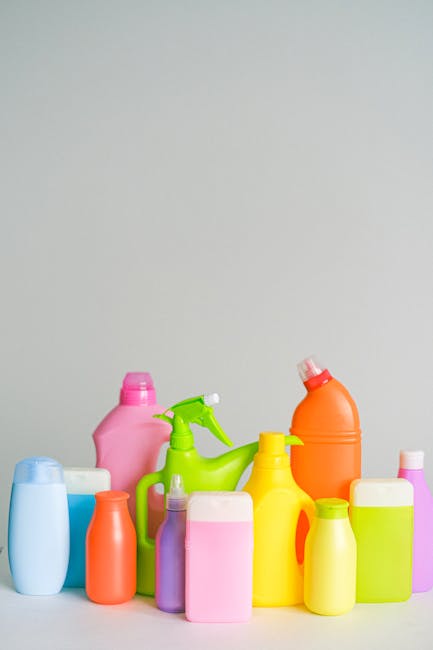
Imagine walking into your kitchen, ready to whip up a delicious meal. But instead of a clean, inviting space, you find clutter and grime.
Frustrating, right? The secret to maintaining a spotless kitchen lies in knowing which cleaning materials to use. You might already have some of these tools at your fingertips, but are you using them effectively? You’ll discover the various cleaning materials that can transform your kitchen into a sparkling sanctuary.
From natural solutions to innovative products, you’ll learn how to tackle dirt and grease with ease. Ready to uncover the secrets to a pristine kitchen? Let’s dive in!

Credit: www.goodhousekeeping.com
Cleaning Cloths
Various cleaning cloths suit different kitchen tasks. Microfiber cloths excel at dusting and absorbing spills. Cotton towels are perfect for drying dishes, while sponges tackle stubborn grime on countertops. Each material offers unique benefits for maintaining a clean kitchen environment.
Cleaning cloths are essential in the kitchen. They keep surfaces spotless and germ-free. Different types offer unique benefits, making them versatile tools. Let’s explore two popular types: microfiber cloths and cotton dish towels.Microfiber Cloths
Microfiber cloths are made of tiny synthetic fibers. These fibers trap dirt and dust efficiently. They are perfect for cleaning countertops and appliances. Microfiber is gentle on surfaces but tough on grime. These cloths are highly absorbent, making them ideal for spills. Their durability means they last a long time, even with frequent use. Microfiber cloths are often reusable, reducing waste in the kitchen.Cotton Dish Towels
Cotton dish towels are kitchen classics. They are soft and absorbent, suitable for drying dishes. Cotton is a natural fiber, making these towels eco-friendly. They come in various colors and patterns to match any kitchen decor. Cotton dish towels are versatile, often used for wiping hands or surfaces. They are easy to wash and maintain, ensuring hygiene. Their softness makes them ideal for delicate glassware. Both microfiber cloths and cotton dish towels have unique benefits. Choosing the right one depends on your cleaning needs.Sponges And Scrubbers
Sponges and scrubbers are essential cleaning materials for the kitchen. They help remove stubborn stains and grease from dishes and surfaces efficiently. With various textures and materials, they cater to different cleaning needs.
Sponges and scrubbers are essential for keeping the kitchen clean. They help remove food residues and tough stains, making surfaces spotless. Choosing the right type can make cleaning easier and more effective.Cellulose Sponges
Cellulose sponges are popular for everyday cleaning tasks. They absorb liquids quickly, making them perfect for wiping spills. Their soft texture is gentle on surfaces, preventing scratches. These sponges are biodegradable, which is better for the environment. Keep them clean by rinsing thoroughly and letting them dry completely. They can harbor bacteria if left damp.Abrasive Scrubbers
Abrasive scrubbers tackle stubborn dirt and grime. They have a rough texture that scrapes away tough stains. Use them on pots, pans, and oven racks for best results. Be cautious on delicate surfaces; they might cause scratches. Some come with a layer of detergent, adding cleaning power. Choose scrubbers based on the surface and type of dirt to ensure effective cleaning.Brushes
Brushes play a key role in kitchen cleaning. They tackle stubborn stains and grime on pots and pans. Different types, like scrub brushes and bottle brushes, cater to various surfaces and utensils.
Cleaning brushes are indispensable tools in the kitchen, designed to tackle various tasks with precision. They come in different shapes and sizes, each tailored for specific cleaning duties. Whether you’re scrubbing stubborn food particles off a pan or cleaning narrow bottles, there’s a brush for that job.Dish Brushes
Dish brushes are your go-to tool for cleaning plates, pots, and pans. They typically have stiff bristles that make it easy to scrub off dried food without scratching the surface. Have you ever struggled with a sticky pan? A dish brush can save you time and effort, making your post-dinner cleanup a breeze. These brushes often come with ergonomic handles, ensuring a comfortable grip even when dealing with tough stains. Some even feature a built-in soap dispenser, adding convenience to your cleaning routine.Bottle Brushes
Bottle brushes are uniquely designed to reach into narrow spaces where regular brushes fail. They have long handles and slender bristles, perfect for cleaning baby bottles, thermoses, or even vases. If you’ve ever tried cleaning a bottle with just a sponge, you know the struggle—bottle brushes make this task infinitely easier. These brushes often feature flexible heads, allowing you to clean every curve and corner. This ensures no residue is left behind, keeping your containers hygienically clean. Wouldn’t you want the assurance that your drinkware is spotless? Incorporating the right brushes into your kitchen cleaning arsenal can transform your cleaning tasks, making them more efficient and effective. Have you tried different brushes in your kitchen yet?Mops And Brooms
Mops and brooms are essential for keeping kitchen floors clean. Different materials like microfiber, cotton, and synthetic fibers are used for mops. Brooms often come with natural or synthetic bristles, each suited for various types of debris.
In the kitchen, cleanliness is key for health and safety. Mops and brooms are essential tools for maintaining a spotless kitchen floor. Each type has its unique purpose and benefits. Understanding their differences helps in choosing the right tool for the job.Wet Mops
Wet mops are perfect for deep cleaning. They tackle spills and stains efficiently. Their absorbent heads soak up liquid messes. This makes them ideal for sticky or greasy spots. Regular use keeps floors hygienic. Choose a mop with a removable head for easy washing. It saves time and effort. Microfiber mops are popular. They offer excellent absorption and durability.Dry Brooms
Dry brooms are great for sweeping dust and debris. They are lightweight and easy to use. Ideal for quick clean-ups. A broom with soft bristles works well on tiles and hardwood. It sweeps away fine particles without scratching surfaces. Store your broom in a dry place. This prolongs its life and maintains its effectiveness. Regular sweeping keeps your kitchen floor tidy.Cleaning Solutions
Explore various kitchen cleaning materials like sponges, microfiber cloths, and baking soda. Each offers unique benefits for tackling different tasks. Understanding their uses ensures a cleaner, more efficient kitchen space.
Cleaning your kitchen efficiently often starts with choosing the right cleaning solutions. These products are the backbone of maintaining a hygienic and organized kitchen space. With a plethora of options available, it’s crucial to know which cleaning solutions are best suited for different tasks. Let’s delve into the specifics of dishwashing liquids and all-purpose cleaners to understand their roles better.Dishwashing Liquids
Dishwashing liquids are essential for tackling dirty dishes and utensils. They are formulated to break down grease and remove food particles efficiently. A good dishwashing liquid should create a rich lather and be gentle on your hands. Have you ever noticed how some dishwashing liquids leave a lingering fragrance? This can transform your dishwashing experience, making it more enjoyable. Brands often offer various scents like lemon or lavender, adding a fresh touch to your kitchen routine. Consider choosing a dishwashing liquid that aligns with your preferences and needs. If you have sensitive skin, opt for a hypoallergenic formula. Your choice can impact not just cleanliness, but also your comfort while doing the dishes.All-purpose Cleaners
All-purpose cleaners are versatile and designed to handle multiple surfaces. They can clean countertops, appliances, and even floors, making them a staple in any kitchen. These cleaners simplify your cleaning routine, saving time and effort. Think about the surfaces in your kitchen that require regular cleaning. An effective all-purpose cleaner should be tough on stains but gentle on materials. This ensures your kitchen stays spotless without causing damage. Some all-purpose cleaners come with disinfecting properties, providing an extra layer of hygiene. If you’re concerned about germs, look for products with antibacterial claims. This can give you peace of mind, knowing your kitchen is truly clean. Choosing the right cleaning solutions can transform your kitchen maintenance routine. What solutions do you rely on for sparkling cleanliness?Natural Cleaning Agents
Natural cleaning agents have been gaining popularity for their effectiveness and eco-friendliness. These materials not only provide a sparkling clean kitchen but also ensure a safer environment for your family. Let’s explore some of the most effective natural cleaning agents that can transform your kitchen cleaning routine.
Vinegar
Vinegar is a versatile powerhouse in the kitchen. It’s not just for salad dressing! Its acidic nature makes it a great degreaser and disinfectant. You can use vinegar to clean countertops, appliances, and even to remove stubborn stains.
Mix equal parts of vinegar and water in a spray bottle for a quick and easy cleaning solution. It’s perfect for tackling grime and bacteria. Ever tried cleaning your microwave with vinegar? A simple bowl of vinegar heated for a few minutes can loosen up food residues, making them easy to wipe away.
Baking Soda
Baking soda is another staple that can work wonders in your kitchen. It acts as a gentle abrasive, perfect for scrubbing surfaces without scratching. Think about your kitchen sink or stovetop; baking soda can clean these areas effectively.
Combine baking soda with a bit of water to form a paste. This paste can tackle tough stains or clean greasy surfaces. You might even find it useful for deodorizing your refrigerator. Sprinkle some inside and let it sit to absorb odors. Have you tried baking soda to clean your oven? It’s a natural alternative that can handle baked-on messes efficiently.
Using natural cleaning agents can be a game changer in your kitchen. Not only do they help keep your space clean, but they also contribute to a healthier home. Have you considered swapping out chemical cleaners for these natural alternatives? It’s worth a try!
Gloves And Protective Gear
Gloves and protective gear ensure safety while using various kitchen cleaning materials. Common items include dish soap, baking soda, and vinegar. These materials help maintain cleanliness and hygiene effectively.
Gloves and protective gear are essential tools in any kitchen. They provide not only comfort but also safety, ensuring that your cooking and cleaning experiences are efficient and risk-free. Let’s dive into the specifics of these crucial items.Rubber Gloves
Rubber gloves are a must-have for anyone who spends time in the kitchen. They protect your hands from harsh chemicals found in cleaning products and hot water during dishwashing. Have you ever tried scrubbing a greasy pan only to find your hands dry and irritated afterward? Rubber gloves can prevent this discomfort, allowing you to tackle tough kitchen tasks with ease. These gloves also provide excellent grip, minimizing the risk of slippery mishaps. Choose a pair that fits snugly to enhance your dexterity and control. Remember, when your hands are safe, your productivity in the kitchen skyrockets.Aprons
Aprons serve as a protective barrier, keeping your clothes free from spills and stains. Think about the last time you cooked a delicious pasta sauce only to find splatters everywhere. An apron can save you from unnecessary laundry and keep you looking sharp. They also come with pockets, offering a handy place to store utensils or recipes while you cook. Choose an apron that fits well and reflects your style to make your kitchen experience more enjoyable. Have you considered making aprons a part of your personal kitchen uniform? They combine functionality with a touch of personal flair.
Credit: www.aol.com
Specialized Tools
Discover the essential cleaning materials for your kitchen. Sponges, microfiber cloths, and scrub brushes tackle dirt and grime. Baking soda, vinegar, and dish soap make effective natural cleaners for various surfaces.
In the heart of every kitchen, specialized cleaning tools play a vital role. These tools ensure that every nook and cranny remains spotless. They tackle tough stains and keep appliances in pristine condition. Here’s a look at some essential tools.Stovetop Scrapers
Stovetop scrapers are indispensable for smooth glass or ceramic surfaces. They remove burnt-on food without scratching. Equipped with a razor-like blade, they glide over surfaces with ease. For safety, always retract the blade when not in use. Regular use prevents buildup and keeps your stovetop looking new.Grill Brushes
Grill brushes are essential for those who love barbecuing. They help clean grates, removing stubborn grease and charred residue. Most feature sturdy bristles attached to a long handle. This design keeps your hands safe from heat. Always choose one suitable for your grill type. Regular brushing extends the life of your grill and enhances its performance.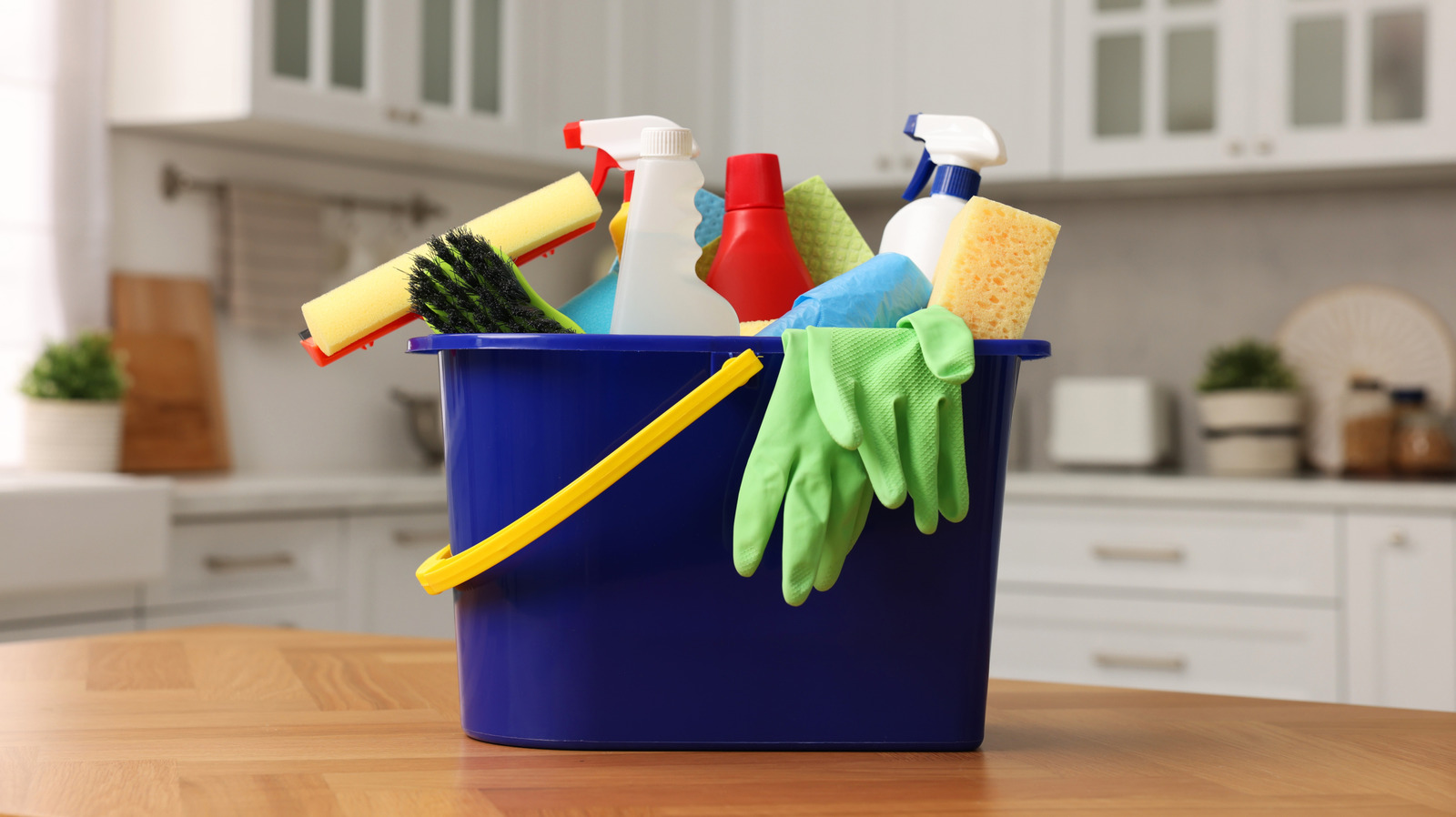
Credit: www.foodrepublic.com
Frequently Asked Questions
What Are Common Kitchen Cleaning Materials?
Common kitchen cleaning materials include dish soap, sponges, microfiber cloths, and baking soda. These materials are effective for everyday cleaning tasks. Vinegar is also popular for its natural cleaning properties. Having a variety of these items ensures you’re prepared for different types of cleaning challenges in the kitchen.
How Does Baking Soda Clean Kitchens?
Baking soda is a natural abrasive and deodorizer. It effectively scrubs surfaces without scratching them. Additionally, it neutralizes odors, making it ideal for freshening up the kitchen. It’s versatile and can be used on countertops, sinks, and even in the refrigerator to combat smells.
Why Use Microfiber Cloths In Kitchens?
Microfiber cloths are highly absorbent and trap dirt effectively. They are gentle on surfaces and reduce the need for harsh chemicals. These cloths are reusable and eco-friendly, making them a sustainable choice. They are ideal for wiping counters, cleaning appliances, and polishing stainless steel.
Are Natural Cleaners Effective In The Kitchen?
Yes, natural cleaners like vinegar and lemon are effective. They cut grease, remove stains, and disinfect surfaces naturally. These options are safe for food-preparation areas and environmentally friendly. Many people prefer them to chemical cleaners for their safety and minimal environmental impact.
Conclusion
Choosing the right cleaning materials makes kitchen cleaning easier. Sponges and cloths wipe surfaces effectively. Baking soda and vinegar tackle stubborn stains naturally. Use dish soap for greasy dishes and utensils. Microfiber cloths leave no streaks on shiny surfaces. Steel wool pads scrub tough grime from pots and pans.
Always store cleaning supplies safely. A tidy kitchen looks inviting and stays hygienic. Remember, regular cleaning keeps your kitchen a healthy space. Try using these cleaning materials for a spotless kitchen every day. Enjoy a clean and welcoming cooking environment.