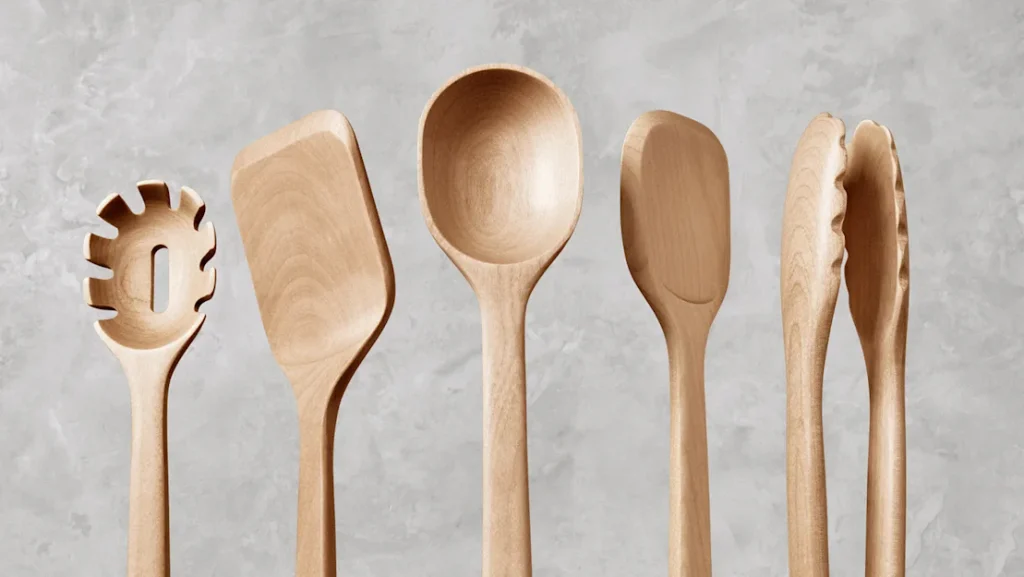
Imagine reaching for your favorite wooden spoon only to wonder, “Is this really clean?” Wooden kitchen utensils are a staple in many households, cherished for their durability and natural aesthetics.
Yet, cleaning them can sometimes be puzzling. You might have heard that boiling them is a good way to disinfect, but is it really necessary? Before you toss your trusty spatula into a pot of bubbling water, let’s explore whether boiling is the best method for cleaning these essential tools.
This article will reveal the secrets to keeping your wooden utensils spotless, ensuring they stay safe for your culinary adventures. By the end, you’ll know exactly how to maintain their pristine condition without unnecessary steps. Ready to uncover the truth? Let’s dive in!
Boiling Wooden Utensils: Pros And Cons
Wooden kitchen utensils are popular for their durability and natural look. Many wonder if boiling them before cleaning is a good idea. This process can have both benefits and drawbacks. Let’s explore the pros and cons of boiling wooden utensils.
Benefits Of Boiling
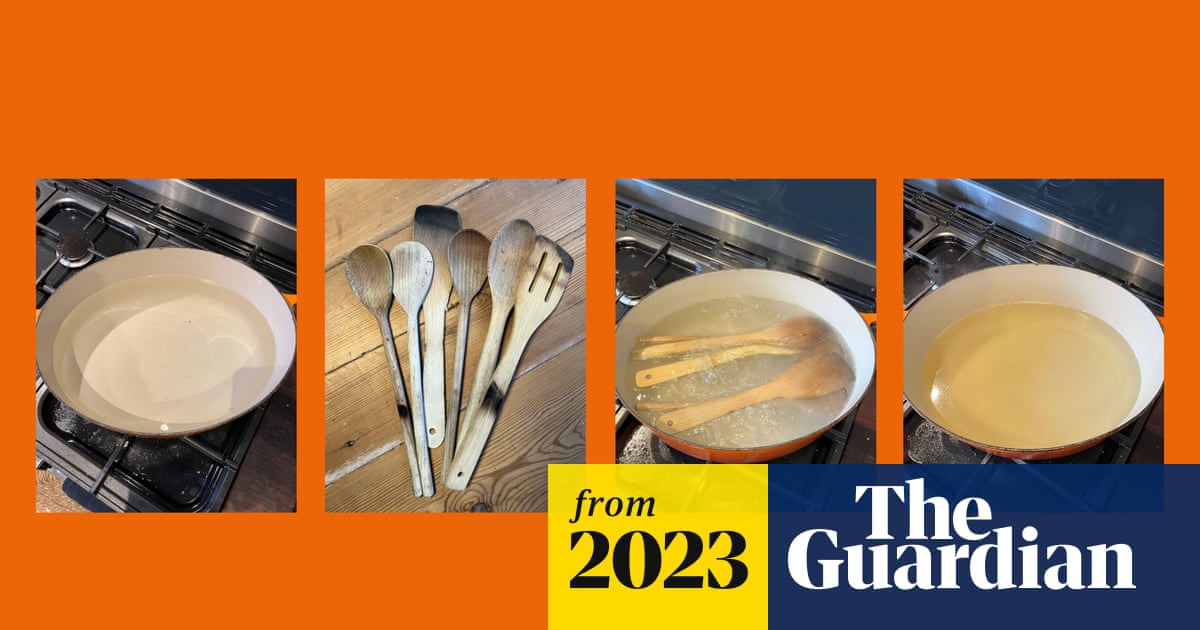
Boiling can kill germs and bacteria effectively. This makes your utensils safer for cooking. It also removes lingering food particles and odors. Boiling can be a deep-cleaning method. It ensures thorough sanitation of the wood surface.
Potential Risks
Boiling can cause wood to crack or warp. Wood expands when exposed to high heat. This can weaken the structure of the utensil. Over time, it may lead to splits. Boiling might also strip away natural oils. These oils keep the wood healthy and strong. Frequent boiling might shorten the lifespan of your utensils.
Credit: www.theguardian.com
Alternative Cleaning Methods
Boiling wooden kitchen utensils can sanitize them effectively. It helps remove germs and stubborn stains. Ensure they dry thoroughly to prevent warping.
Cleaning wooden kitchen utensils can be tricky. Boiling isn’t always the best choice. Instead, try alternative cleaning methods. They are simple and effective. Plus, they keep your utensils in great shape. Let’s explore some options.Soap And Water
Wash wooden utensils with mild soap and warm water. Use a soft sponge. Avoid soaking them in water for long periods. Rinse thoroughly to remove any soap residue. Dry them immediately with a clean towel. This helps prevent warping and cracking.Vinegar Solution
Mix equal parts of vinegar and water. This creates a natural cleaning solution. Dip a cloth in the mixture. Wipe the utensils gently. Vinegar helps disinfect and remove odors. Rinse with water after cleaning. Dry completely before storing.Baking Soda Scrub
Sprinkle baking soda on the utensils. Add a little water to form a paste. Use a soft brush or cloth to scrub gently. Baking soda removes stains and neutralizes odors. Rinse off the paste with water. Wipe dry with a clean towel.Proper Drying Techniques
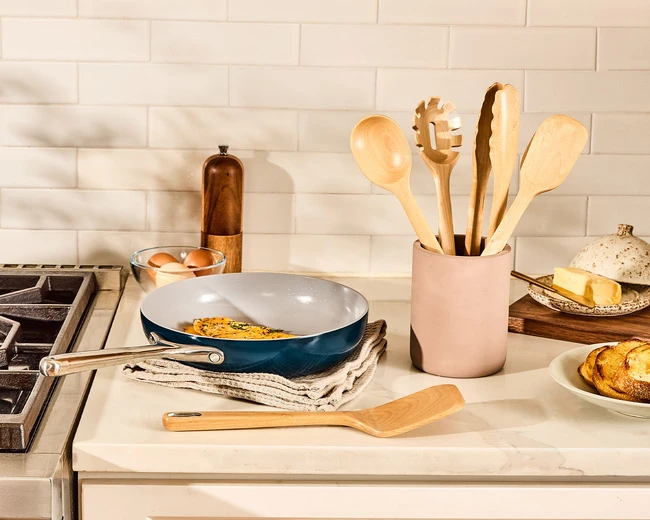
Proper drying techniques are crucial for wooden kitchen utensils. They help prevent damage and extend the lifespan of your tools. After cleaning, ensuring the utensils dry thoroughly is essential. Moisture left on wood can lead to warping or mold growth. Let’s explore effective drying methods.
Air Drying
Air drying is a simple and effective method. Place utensils in a dry, airy spot. Avoid direct sunlight to prevent cracking. Ensure there is good air circulation around them. This helps in absorbing moisture quickly. Use a drying rack if possible. It keeps utensils elevated and promotes even drying. Allow them to dry completely before storing.
Using A Towel
Using a towel is another practical drying method. Choose a clean, absorbent towel for best results. Gently pat each utensil dry. Focus on removing excess water. Wrap the towel around the utensil to absorb moisture. This method is quick and efficient. Ensure towels are dry before use. Regularly change towels to maintain hygiene.
Credit: www.carawayhome.com
Maintaining Wooden Utensils
Boiling wooden kitchen utensils before cleaning isn’t necessary. Excessive heat can damage the wood, causing it to crack. Instead, wash with mild soap and warm water to maintain their longevity.
Maintaining wooden kitchen utensils ensures their longevity and functionality. These tools are known for their durability and aesthetic appeal. Yet, they require special care. Proper maintenance prevents cracking, warping, and bacterial growth. Let’s explore key practices to keep your wooden utensils in top shape.Regular Oil Treatment
Wooden utensils dry out with frequent washing. Applying oil regularly keeps them moisturized. Use food-safe oils like mineral oil or coconut oil. Apply a thin layer to each utensil. Allow the oil to soak in for a few hours. Wipe off any excess with a clean cloth. This treatment enhances the wood’s natural shine. It also provides a protective barrier against moisture.Storage Tips
Proper storage is crucial for wooden utensils. Avoid placing them in damp areas. Moisture can lead to mold growth. Store them in a dry, well-ventilated space. Use utensil holders or racks for easy access. Ensure they are completely dry before storing. Avoid stacking them tightly to prevent warping. Hanging them on hooks can also be a good option. It saves space and promotes airflow.Signs Of Wear And Replacement
Boiling wooden kitchen utensils may seem helpful for cleaning. It can cause damage over time. Signs of wear include cracks or splintering, which indicate a need for replacement.
The longevity of wooden kitchen utensils is often a topic of interest for those who prioritize hygiene and functionality in their cooking routines. As with any kitchen tool, understanding the signs of wear and knowing when to replace them is crucial. Wooden utensils can last for years if cared for properly, but sometimes boiling them before cleaning can accelerate wear and tear.Identifying Damage
Wooden utensils can show signs of damage in various ways. Cracks and splits are the most common indicators that your utensil might be nearing the end of its life. These imperfections not only affect the structural integrity but can also harbor bacteria, making them less hygienic. Discoloration is another sign to watch out for. If the wood is losing its natural color or has dark spots, it might be absorbing moisture or oils, which can lead to further deterioration. Are your utensils feeling rough to the touch? A smooth surface is essential for usability, and roughness might mean the wood is drying out or deteriorating.When To Replace
Replacing wooden utensils doesn’t have to be a frequent task, but knowing when is key. If a crack is deep or spans the length of the utensil, it’s time to consider a replacement. Such damage can compromise its functionality and safety in food preparation. Persistent odors that don’t go away after cleaning are a red flag. If boiling or other cleaning methods fail to eliminate the smell, it’s a sign that the wood is absorbing substances beyond repair. Consider the value of your utensils. Are they heirlooms or high-quality pieces? If yes, you might opt for professional restoration. Otherwise, replacing them might be more practical than risking compromised hygiene. Remember, the aim is to keep your kitchen tools safe and effective.
Credit: www.carawayhome.com
Frequently Asked Questions
Is Boiling Wooden Utensils Before Cleaning Necessary?
Boiling wooden utensils before cleaning is not necessary. It can cause the wood to warp or crack. Instead, wash them with warm soapy water and dry thoroughly. This method preserves their longevity and maintains their integrity.
How Do You Clean Wooden Utensils Properly?
To clean wooden utensils, wash them with warm soapy water immediately after use. Avoid soaking them for extended periods. Dry thoroughly with a towel to prevent moisture damage. Regularly apply mineral oil to maintain their condition and extend their lifespan.
Can Boiling Damage Wooden Kitchen Utensils?
Yes, boiling can damage wooden kitchen utensils. High temperatures can cause wood to crack or warp. It also strips the wood of natural oils. To avoid damage, clean wooden utensils with warm soapy water and dry them immediately.
What Is The Best Way To Sanitize Wooden Utensils?
Sanitize wooden utensils by washing them with warm soapy water. Then, rinse with a vinegar solution. Dry thoroughly with a towel to prevent moisture buildup. This method effectively sanitizes without damaging the wood’s structure or finish.
Conclusion
Boiling wooden utensils before cleaning is not necessary. It can damage them. Gentle cleaning keeps them in good shape. Warm soapy water works well for everyday cleaning. Dry them thoroughly to prevent mold. Oil your utensils occasionally to maintain their beauty.
Proper care extends their life. Wood is durable yet delicate. Respect its nature for long-lasting use. Think about your cleaning methods. Simplicity is key in maintaining wooden utensils. Enjoy their warmth and charm in your kitchen. Keep cleaning easy and effective.
Your utensils will thank you.