Imagine walking into your kitchen and spotting stubborn grease stains and sticky residue that just won’t budge. You’ve tried all sorts of cleaning products, but nothing seems to cut through the grime effectively.
Sound familiar? You’re not alone. Many of us face this frustrating problem. But what if the solution is already in your pantry? Yes, we’re talking about vinegar. You might have heard whispers about vinegar being a miracle cleaner, but is it really up to the task?
Could this simple, everyday ingredient transform your cleaning routine and save you time and effort? The idea of using vinegar as a kitchen cleaner is intriguing, but it raises questions: Does it truly work? Is it safe for all surfaces? How does it compare to other cleaning products? Stick around, because we’re diving deep into whether vinegar is your next go-to kitchen cleaner. We’ll explore its benefits, limitations, and practical tips on how to use it effectively. By the end, you’ll be equipped with the knowledge to decide if vinegar deserves a spot in your cleaning arsenal.

Credit: www.facebook.com
History Of Vinegar In Cleaning
The use of vinegar as a cleaning agent dates back centuries, proving its effectiveness in a variety of household tasks. Known for its acidic nature, vinegar has been a staple in kitchens around the world, not just for culinary purposes but also for its remarkable cleaning properties. Its history in cleaning reveals a journey from being a simple household item to a trusted natural cleaner.
Vinegar’s cleaning legacy stretches back to ancient civilizations, where it was used as a natural disinfectant. The Greeks and Romans leveraged its antimicrobial properties to clean surfaces and preserve food. Over time, vinegar became synonymous with hygiene and health.
During the Middle Ages, vinegar was a popular choice for cleaning and medicinal purposes. Homes across Europe relied on vinegar to maintain cleanliness, especially in times when soap was scarce. Its versatility in cleaning made it invaluable in households.
The 19th century marked a turning point for vinegar, as its use expanded beyond domestic chores. Industrial applications emerged, and vinegar became a critical component in cleaning products. This era solidified vinegar’s reputation as an essential cleaning agent.
Fast forward to today, vinegar continues to be a favored choice for those seeking eco-friendly and non-toxic cleaning solutions. Its historical significance and proven effectiveness make you wonder: why not harness the power of vinegar in your kitchen?
Have you ever tried cleaning with vinegar? What unexpected benefits did you discover? Share your experiences and join the conversation about this timeless cleaner.
Chemical Properties Of Vinegar
Vinegar’s acidity makes it a powerful kitchen cleaner, effectively cutting through grease and stains. Its natural antibacterial properties help sanitize surfaces, providing a safe cleaning option.
Vinegar is a staple in many kitchens. It’s not just for flavoring food. This acidic liquid has cleaning properties that make it a versatile cleaner. Understanding its chemical properties can reveal why vinegar is effective.Acidity Level
Vinegar contains acetic acid. This gives it a low pH level. The acidity helps break down dirt and grime. It can dissolve mineral deposits and grease. The high acidity makes it a powerful cleaner.Antibacterial Properties
Acetic acid has antibacterial qualities. It can kill some bacteria and germs. This makes vinegar useful for sanitizing surfaces. It may not replace commercial disinfectants completely. Yet, it helps reduce germs in the kitchen.Natural Solvent
Vinegar acts as a solvent. It can dissolve sticky residues. This helps in removing stains and odors. Vinegar’s solvent nature aids in cleaning glass and surfaces. It leaves them shiny and clean.Environmental Benefits
Vinegar is eco-friendly. It does not contain harsh chemicals. Safe for use around pets and children. It reduces reliance on synthetic cleaners. This makes it a sustainable choice for cleaning.Versatile Usage
Vinegar can clean various kitchen items. Use it on countertops, floors, and appliances. Mix with water for general cleaning. Add baking soda for tougher stains. Its versatility is unmatched among natural cleaners.Types Of Vinegar For Cleaning
White vinegar and apple cider vinegar are popular choices for kitchen cleaning. Both types effectively remove stains and odors.
Cleaning with vinegar is a time-tested method that many swear by for its effectiveness and eco-friendliness. But did you know that not all vinegars are created equal when it comes to cleaning? Different types of vinegar bring unique benefits to your cleaning routine. Let’s dive into the varieties of vinegar you might consider for tackling those kitchen messes.White Vinegar
White vinegar is the go-to choice for many household cleaning tasks. Its high acidity makes it a powerful degreaser and disinfectant. You can use it to wipe down countertops, clean glass surfaces, and even unclog drains. Mix equal parts of white vinegar and water in a spray bottle for an effective all-purpose cleaner. This simple solution can tackle everyday grime without leaving any toxic residue. Plus, it’s inexpensive and readily available in most supermarkets.Apple Cider Vinegar
Apple cider vinegar is not just for cooking or health remedies; it can also serve as a mild cleaner. It contains acetic acid, which can help break down grime and bacteria. While less acidic than white vinegar, apple cider vinegar can still shine in certain cleaning tasks. It works particularly well on cutting boards and other surfaces where food residue is a concern. If you find the smell of white vinegar too harsh, apple cider vinegar offers a milder aroma. This can be a pleasant alternative for those sensitive to strong smells.Specialty Vinegars
Specialty vinegars like balsamic or red wine vinegar may seem unusual for cleaning, but they can have niche applications. However, their higher price and potential for staining usually make them less practical. You might use them in small amounts to remove stubborn spots or as a last resort when other cleaners fail. Keep in mind that their unique colors and compositions may require extra rinsing to prevent staining. Specialty vinegars might not be your first choice for regular cleaning, but knowing their potential uses can be handy. Have you ever considered using these in your cleaning routine, or do you stick to the classics? Whether you’re a seasoned cleaning expert or just starting out, experimenting with different vinegars can lead to surprising results. Do you have a favorite vinegar you swear by, or are you ready to try something new?Benefits Of Using Vinegar
Vinegar is more than just a condiment; it’s a powerhouse cleaner that offers a multitude of benefits for your kitchen. Its versatility makes it a must-have in every household. But what makes vinegar such a compelling choice for cleaning? Let’s explore its benefits.
Natural And Non-toxic
Vinegar is a natural solution, free from the harsh chemicals found in many commercial cleaners. You can clean your kitchen without worrying about chemical residues or harmful fumes. It’s safe to use around children and pets, providing peace of mind while you tackle household chores.
Antibacterial Qualities
Its antibacterial properties make vinegar a formidable opponent against germs and bacteria. You can effectively sanitize countertops, cutting boards, and other surfaces. This means a healthier kitchen environment without resorting to chemical-laden products.
Odor Neutralization
Vinegar excels in neutralizing odors, leaving your kitchen smelling fresh. Whether it’s lingering food smells or stubborn garbage odors, vinegar can tackle them. Just a simple spray can leave your kitchen feeling clean and rejuvenated.
Have you ever used vinegar for cleaning in your kitchen? If not, you might be surprised at its effectiveness and ease of use. Give it a try and see if it becomes your go-to cleaner.
Common Kitchen Uses
Vinegar is a versatile and natural cleaning solution. It’s found in many kitchens around the world. Its acidic nature makes it effective for a variety of cleaning tasks. Not only is it safe and eco-friendly, but it’s also budget-friendly. Discover how vinegar can become your go-to cleaner in the kitchen.
Surface Cleaning
Vinegar makes an excellent surface cleaner. Mix equal parts of water and vinegar in a spray bottle. Use it to wipe down countertops, tables, and cabinets. This solution removes dirt and grime without harsh chemicals. It leaves surfaces clean and fresh. Avoid using on granite or marble to prevent damage.
Degreasing
Grease buildup in the kitchen is common. Vinegar helps cut through grease effectively. Apply undiluted vinegar to greasy areas using a cloth. Let it sit for a few minutes. Then, wipe away the grease with a clean cloth. This method works well for stovetops and oven doors. It’s a simple way to maintain a clean kitchen environment.
Glass And Window Cleaning
Vinegar is great for cleaning glass surfaces. Mix vinegar and water in a 1:1 ratio. Use this solution to clean windows and glass doors. Spray the mixture on the glass and wipe with a lint-free cloth. It removes smudges and leaves glass shiny. This method is streak-free and easy to use.
Vinegar In Combination With Other Cleaners
Mixing vinegar with other cleaners can enhance its cleaning power for kitchen surfaces. Always avoid combining vinegar with bleach, as it can produce harmful fumes.
Vinegar is a versatile kitchen cleaner that can be enhanced when combined with other natural ingredients. This combination not only amplifies the cleaning power but also tailors the solution to specific cleaning challenges in your kitchen. By pairing vinegar with other agents, you can tackle stubborn stains, eliminate odors, and even disinfect surfaces effectively.Baking Soda
Baking soda and vinegar create a fizzing reaction that can tackle tough grime. This duo is excellent for cleaning kitchen sinks and unclogging drains. Simply sprinkle baking soda on the surface or in the drain, then pour vinegar over it to see the magic unfold. This combination also works well for scrubbing stovetops. The abrasive nature of baking soda helps lift grease while vinegar breaks it down. Rinse with water and wipe with a damp cloth for a sparkling finish.Essential Oils
Adding essential oils to vinegar not only enhances its scent but also boosts its cleaning power. Lemon essential oil is a popular choice due to its antibacterial properties and fresh aroma. Mix a few drops with vinegar in a spray bottle for a multipurpose cleaner that leaves your kitchen smelling delightful. Tea tree oil is another excellent addition for its antifungal properties. It’s particularly useful in areas prone to mold and mildew, like under the sink or in the pantry. Just a few drops can make a significant difference in maintaining a clean and hygienic kitchen. Have you tried using vinegar with other ingredients in your cleaning routine? Let us know your favorite combinations and how they’ve transformed your kitchen cleaning experience!Limitations Of Vinegar As A Cleaner
Vinegar is often hailed as a miracle cleaner for its natural and eco-friendly properties. However, it has its limitations. While it works wonders in many situations, it’s not the ultimate solution for every cleaning task in your kitchen. Understanding where vinegar falls short can help you choose the right cleaner for each job.
Not Suitable For All Surfaces
Vinegar’s acidic nature makes it unsuitable for certain surfaces. It can damage stone countertops such as granite or marble, leaving them dull or etched. If you’ve ever tried using vinegar on these surfaces, you might have noticed a cloudy residue that won’t go away. This is because vinegar reacts with the minerals in the stone, causing a chemical change.
Similarly, vinegar can harm hardwood floors. The acid can wear away the protective finish, leading to dullness over time. If you have beautiful wooden cabinets or floors, consider using a specialized wood cleaner instead.
Potential For Corrosion
While vinegar is great for dissolving mineral deposits, it can also corrode metals. Using vinegar on cast iron or aluminum pans can lead to pitting and rust over time. Have you ever noticed a rusty spot on your favorite pan after cleaning it with vinegar? That’s the acid at work.
Even stainless steel, commonly found in kitchens, isn’t immune. Prolonged exposure to vinegar can tarnish its shine. A mild dish soap and warm water might be a safer choice for these surfaces.
So, while vinegar is a versatile cleaner, knowing its limitations can save you from potential mishaps. Have you ever experienced an unexpected result while cleaning with vinegar? Understanding these nuances ensures your kitchen remains both clean and beautiful.

Credit: www.instagram.com
Comparing Vinegar To Commercial Cleaners
Vinegar has long been a household staple, praised for its versatility in cleaning. But how does it stack up against commercial cleaners? The debate between using natural solutions versus store-bought products is ongoing. Let’s dive into a comparison between vinegar and commercial cleaners to understand which might be better suited for your kitchen cleaning needs.
Effectiveness
Vinegar is renowned for its ability to cut through grease and grime. Its acetic acid component makes it effective at dissolving mineral deposits and killing certain bacteria.
However, commercial cleaners are often formulated to tackle specific stains and contain stronger chemicals. They can be more effective on tough stains and sanitized surfaces more thoroughly.
Consider your needs: Do you often deal with heavy-duty messes, or are everyday splatters more your style?
Cost Efficiency
Vinegar is incredibly budget-friendly. A large bottle costs just a few dollars and can last for months, depending on your usage.
Commercial cleaners, on the other hand, can be more expensive, especially those with specialized formulas. They might require frequent purchasing, leading to higher costs over time.
Think about what’s more important to you: saving money in the short term or investing in a product that claims to offer more powerful cleaning?
Environmental Impact
Vinegar is biodegradable and non-toxic, making it an eco-friendly choice. Using vinegar reduces the number of harsh chemicals released into the environment.
Many commercial cleaners contain chemicals that can be harmful to aquatic life and contribute to pollution. However, some brands are now offering greener options with less environmental impact.
Would you prefer a natural solution that’s gentle on the planet or a commercial cleaner that might offer convenience but at a potential environmental cost?
Diy Vinegar Cleaning Recipes
Vinegar serves as an effective and natural kitchen cleaner. It cuts through grease and eliminates odors effortlessly. DIY vinegar recipes offer a simple and affordable cleaning solution.
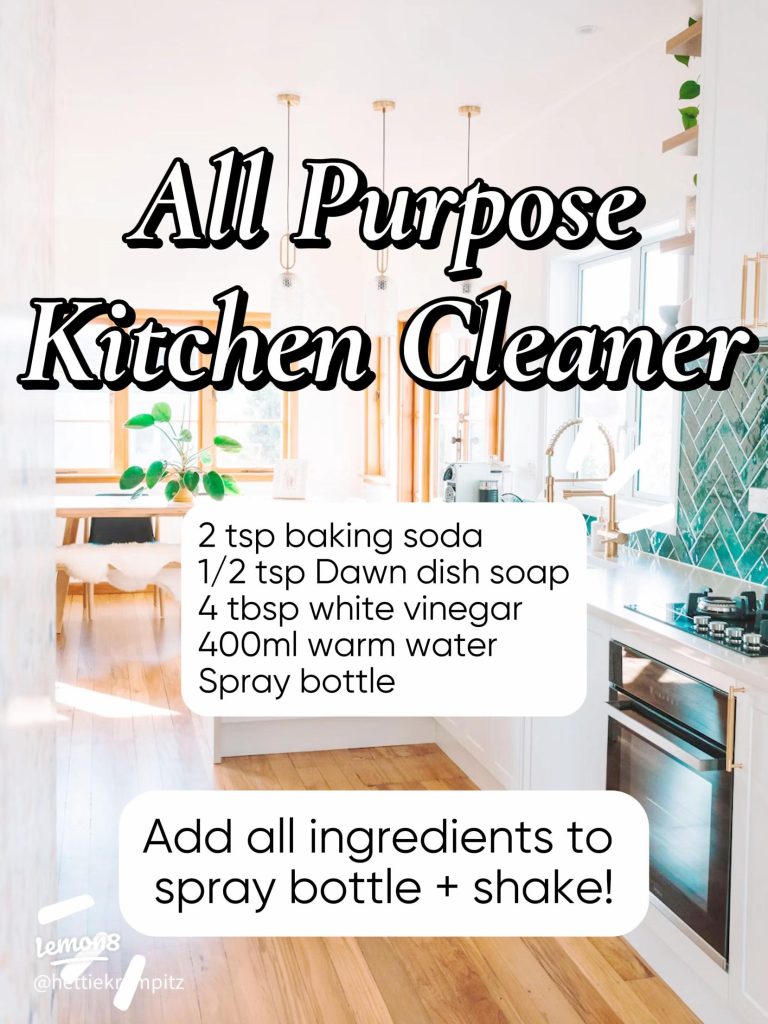
DIY vinegar cleaning recipes offer simple solutions for your kitchen cleaning needs. Vinegar is a versatile and natural cleaner. It helps tackle various cleaning tasks in the kitchen. These recipes use basic ingredients you likely have at home. They are easy to make and effective. Let’s explore some popular DIY vinegar cleaning recipes.All-purpose Cleaner
Create an all-purpose cleaner with vinegar. Mix equal parts of vinegar and water in a spray bottle. Add a few drops of your favorite essential oil for a pleasant scent. Shake well before use. Spray the mixture on countertops, sinks, and appliances. Wipe clean with a soft cloth. This cleaner is great for everyday messes.Lime And Grime Remover
Lime deposits can be stubborn. Vinegar helps remove them easily. Warm one cup of vinegar in the microwave. Soak a cloth in the warm vinegar. Wrap the cloth around faucets or other lime-coated areas. Leave it for an hour. Wipe away the loosened lime with the cloth. Rinse with water for a clean finish. This method also works on grime in sinks.
Credit: www.amazon.com
Safety Precautions
Using vinegar as a kitchen cleaner requires caution. Always ensure proper ventilation to avoid irritation from fumes. Test on small areas first to prevent damage.
Using vinegar in your kitchen can be a natural cleaning choice. But safety is important when handling it. Vinegar is acidic and can damage surfaces or skin if misused. Knowing how to handle and store it safely prevents accidents. Also, avoiding harmful reactions is key to safe use.Handling And Storage
Store vinegar in a cool, dark place. This keeps it effective for longer. Always use original containers for storage. This prevents confusion with other liquids. Make sure bottles are sealed tightly. This avoids spills and evaporation. Wear gloves when using vinegar for cleaning. It protects your skin from irritation. Use proper ventilation. Vinegar fumes can be strong in closed spaces.Avoiding Harmful Reactions
Never mix vinegar with bleach. This creates toxic chlorine gas. Be aware of other cleaners with ammonia. Mixing with vinegar can be dangerous. Test vinegar on a small area first. Some surfaces may react poorly. Avoid using vinegar on stone surfaces. It can damage marble and granite. Read product labels carefully. Ensure compatibility with vinegar use. This prevents unexpected reactions.Frequently Asked Questions
Can Vinegar Clean Kitchen Surfaces Effectively?
Yes, vinegar is an effective kitchen cleaner. It is natural, non-toxic, and can remove grease and grime. Its acidic nature helps dissolve mineral deposits and kill bacteria. However, avoid using vinegar on granite or marble surfaces to prevent damage.
Is Vinegar Safe For Cleaning Appliances?
Vinegar is safe for cleaning most kitchen appliances. It can remove odors and mineral buildup from coffee makers and dishwashers. Always check the manufacturer’s instructions before use, as some appliances may require specific cleaning methods.
How Do You Use Vinegar For Kitchen Cleaning?
To use vinegar for cleaning, mix equal parts vinegar and water. Apply with a spray bottle or cloth. It works well on countertops, sinks, and cutting boards. Rinse thoroughly with water after cleaning to remove any residual vinegar smell.
Does Vinegar Disinfect Kitchen Surfaces?
Vinegar has mild disinfecting properties, but it’s not as effective as commercial disinfectants. It can kill some bacteria and viruses, but not all. For thorough disinfection, consider using a product specifically designed for killing germs.
Conclusion
Vinegar serves as a versatile kitchen cleaner. It’s effective on various surfaces. Many appreciate its natural, non-toxic properties. It’s budget-friendly, too. Just mix with water for basic cleaning. Tough stains? Use vinegar directly. But be cautious on delicate surfaces. Test small areas first.
Some odors may linger. Ventilate spaces well after use. Vinegar’s strengths and limitations are clear. Consider your needs and preferences. It could be a good choice for many households. Easy, accessible, and simple to use. Perfect for everyday cleaning tasks.
Try it in your cleaning routine today.