Have you ever stood in the cleaning aisle, staring at the endless array of products, and wondered if there’s really a difference between kitchen and bathroom cleaner? You’re not alone.
It’s a common question that pops up as we juggle our busy lives and strive to keep our homes sparkling clean. You want to make sure you’re using the right product for the right job, ensuring not only cleanliness but also the safety of your family and the longevity of your home surfaces.
But do you really need separate cleaners for your kitchen and bathroom? By the end of this article, you’ll discover the secrets behind these cleaning products, empowering you to make informed choices that save you time, money, and effort. Get ready to uncover the truth and transform your cleaning routine!

Credit: www.amazon.com
Ingredients In Kitchen Cleaners
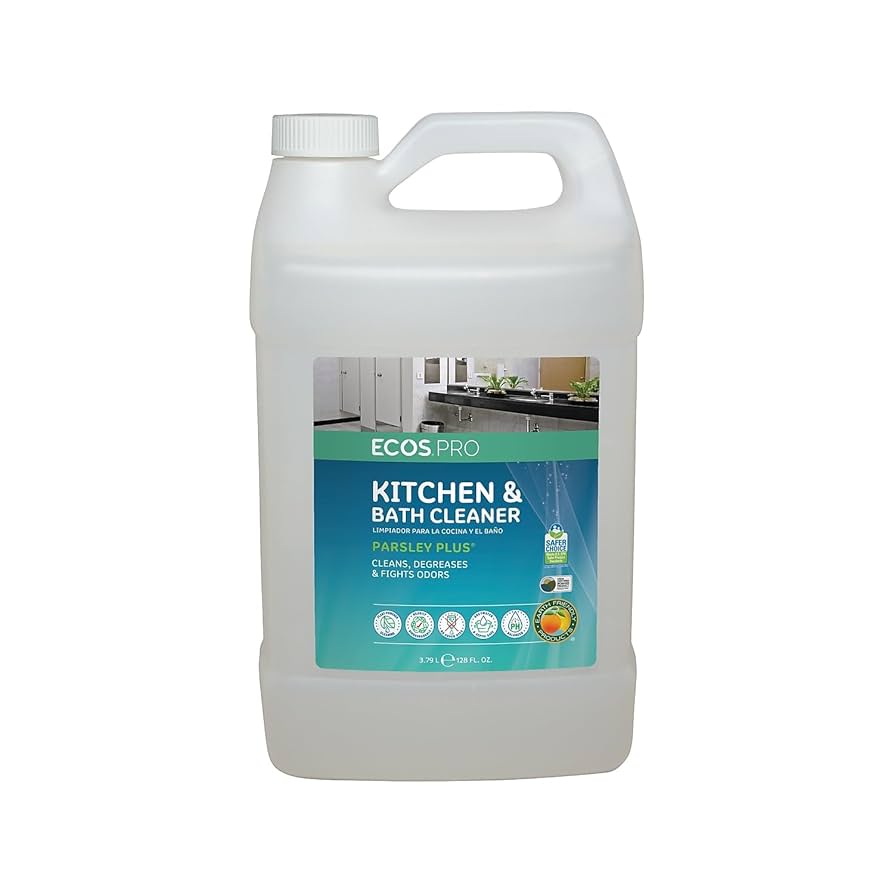
Kitchen and bathroom cleaners often differ in their ingredients. Kitchen cleaners usually target grease and food residues, so they contain degreasers and surfactants. Bathroom cleaners focus on soap scum and mineral deposits, using bleach or acidic substances like vinegar or citric acid for effectiveness.
Understanding the ingredients in kitchen cleaners can help you choose the right product for your specific needs. Kitchen cleaners are formulated to tackle grease, food stains, and bacteria commonly found in cooking spaces. Let’s break down these ingredients to see how they work and what you should consider when selecting a cleaner.Common Ingredients In Kitchen Cleaners
Most kitchen cleaners contain surfactants. These are compounds that help break down grease and grime, making it easier to wipe away. Think of surfactants as the soap in your dishwashing liquid, working to lift away stubborn stains. You might also find solvents in these cleaners, which dissolve oil and grease. Solvents are especially useful for tackling those tough, baked-on food residues that cling to your stovetop or oven.Antibacterial Agents
Many kitchen cleaners include antibacterial agents. These are crucial for killing germs and bacteria that thrive in food preparation areas. While some people prefer natural cleaners, others may appreciate the peace of mind that comes from using products with proven antibacterial properties. Do you prioritize natural ingredients, or is effectiveness your main concern?Fragrance Additives
Fragrance additives are often included to leave a pleasant scent after cleaning. These can range from citrus to lavender, giving your kitchen a fresh aroma. However, if you have sensitivities or allergies, you might want to choose a fragrance-free option. The lingering scent of a cleaner can sometimes be more than just pleasant—it can trigger reactions in sensitive individuals.Natural Vs. Chemical Ingredients
There’s a growing trend towards natural ingredients. These often include vinegar, baking soda, and essential oils, providing a safer option for families and pets. Natural ingredients can be effective, but they might require more elbow grease compared to their chemical counterparts. Consider the balance between safety and effort when selecting your cleaner. Are you drawn to the idea of using natural ingredients, or do you find the convenience of chemical cleaners more appealing? Your choice reflects not only cleaning efficacy but also your lifestyle and values.
Credit: www.amazon.com
Ingredients In Bathroom Cleaners
Bathroom cleaners often contain stronger acids and disinfectants to tackle soap scum and mold. Kitchen cleaners focus more on degreasing agents for oil and food stains. Both are designed for specific grime types, ensuring effective cleaning tailored to each room’s needs.
When it comes to cleaning your bathroom, the ingredients in bathroom cleaners play a crucial role in tackling the stubborn grime and germs that lurk in this humid environment. Unlike kitchen cleaners, bathroom cleaners are specifically formulated to address the unique challenges posed by soap scum, mildew, and hard water stains. Let’s take a closer look at what makes bathroom cleaners tick.Antibacterial Agents
Antibacterial agents are often a key ingredient in bathroom cleaners. These components target bacteria and viruses that thrive in damp spaces, ensuring your bathroom is not just visually clean but hygienically safe. Next time you pick up a bathroom cleaner, check the label for active antibacterial ingredients like benzalkonium chloride or sodium hypochlorite.Surfactants
Surfactants are essential for breaking down and removing dirt and grease. They work by reducing the surface tension between the cleaner and the grime, allowing the cleaner to penetrate and lift away dirt. In bathrooms, surfactants effectively tackle soap scum and body oils, making them indispensable for a thorough clean.Acids
Acids such as citric or phosphoric acid are commonly found in bathroom cleaners. They excel in dissolving mineral deposits and stains, particularly those caused by hard water. Have you ever struggled with stubborn lime scale on your shower head or faucets? Acids can make quick work of these deposits, leaving surfaces sparkling clean.Fragrances
Fragrances are added to bathroom cleaners to leave a pleasant scent after cleaning. However, it’s important to consider whether you prefer synthetic scents or natural options like essential oils. What scent makes your bathroom feel fresh and inviting to you?Preservatives
Preservatives are included to extend the shelf life of bathroom cleaners. They prevent the growth of microbes within the product itself, ensuring that it remains effective over time. It’s worth checking if the preservatives align with your preferences for eco-friendly or hypoallergenic options.Thickeners
Thickeners help in making the cleaner cling to vertical surfaces such as shower walls and tiles. This ensures that the active ingredients have enough contact time to break down grime. Ever noticed how gel cleaners seem to stick better than liquid ones? Thickeners are the secret behind that. Understanding these ingredients can help you make informed choices about the products you use in your home. What ingredients do you prioritize when choosing a bathroom cleaner?Surface Compatibility
Kitchen and bathroom cleaners differ in their surface compatibility. Kitchen cleaners often target grease and food residue, while bathroom cleaners focus on soap scum and mineral deposits. Choosing the right product ensures effective cleaning without damaging surfaces.
Surface compatibility is crucial for effective cleaning. Different surfaces need specific cleaners. Using the wrong cleaner can damage surfaces and reduce effectiveness.Kitchen Surfaces
Kitchen surfaces vary widely. Countertops often consist of granite, marble, or laminate. Each material has unique needs. Granite and marble require pH-balanced cleaners. Acidic cleaners can etch and dull these surfaces. Laminate surfaces are more forgiving. They can handle multipurpose cleaners. Stainless steel appliances need special attention. Some cleaners can leave streaks or spots. Use cleaners designed for stainless steel.Bathroom Surfaces
Bathroom surfaces include tile, porcelain, and glass. Tiles can be ceramic or stone. Ceramic tiles are durable and easy to clean. Stone tiles need gentle, non-acidic cleaners. Porcelain sinks and tubs resist stains but need non-abrasive cleaners. Glass surfaces like mirrors require streak-free cleaners. Avoid harsh chemicals that can damage coatings. Each surface needs the right cleaner for best results.Effectiveness Against Germs
Understanding the effectiveness of cleaners is crucial for maintaining hygiene. Kitchens and bathrooms are hotspots for germs. Using the right cleaner helps eliminate harmful bacteria. Let’s explore how these cleaners tackle germs in each area.
Kitchen Germs
Kitchens are busy places with many surfaces. Cutting boards, countertops, and sinks host numerous germs. Raw meat and unwashed vegetables can spread bacteria. These germs can cause foodborne illnesses. Kitchen cleaners are formulated to target such bacteria. Ingredients like bleach or hydrogen peroxide work effectively here.
Bathroom Germs
Bathrooms are breeding grounds for different germs. Toilets, sinks, and shower areas are common germ spots. Moisture and warmth promote bacterial growth. Bathroom cleaners often contain strong disinfectants. These help in killing pathogens like E. coli and Salmonella. Such cleaners ensure a clean and safe bathroom environment.
Safety Considerations
Safety is crucial when choosing cleaners for your home. Kitchen and bathroom cleaners often contain chemicals. These chemicals can pose risks if not used correctly. Understanding the safety considerations helps prevent accidents and health issues. Let’s explore the safety aspects of using these cleaners in different areas of your home.
For Kitchen Use
Kitchen cleaners often include degreasers and antibacterial agents. These help remove food residues and prevent germ growth. Always read the label for safety instructions. Look for non-toxic and food-safe options. Avoid mixing different cleaners. This can create hazardous fumes. Use gloves to protect your skin. Ensure the kitchen is well-ventilated while cleaning. After cleaning, rinse surfaces thoroughly. This prevents chemical residues from contaminating food. Keep cleaners out of reach of children and pets.
For Bathroom Use
Bathroom cleaners target mold, mildew, and soap scum. They often contain bleach or ammonia. These chemicals can irritate skin and eyes. Wear gloves and goggles for protection. Ensure proper ventilation to reduce inhalation risks. Never mix bleach with ammonia-based products. This can produce toxic gases. Rinse bathroom surfaces well after cleaning. This prevents residue buildup. Store bathroom cleaners safely, away from children. Always follow the manufacturer’s safety guidelines. This ensures effective and safe cleaning.
Environmental Impact
Cleaning products impact our planet significantly. They enter our waterways and soil. Kitchen and bathroom cleaners, though similar, have different environmental footprints.
Impact Of Ingredients
Kitchen cleaners often contain degreasers. These can be harsh and harmful to aquatic life. Bathroom cleaners might use bleach. This can release toxic compounds into the air and water.
Packaging Concerns
Many cleaners come in plastic bottles. Plastic contributes to pollution and landfill waste. Some brands use recyclable materials, but not all do.
Biodegradability
Biodegradable cleaners break down naturally. They reduce harm to the environment. Not all cleaners are biodegradable, so check labels carefully.
Eco-friendly Alternatives
Many brands offer green options. These use plant-based ingredients. They often come in sustainable packaging.
Certification And Labels
Look for eco-certifications on products. Labels like “Green Seal” indicate better environmental practices. These products often have reduced harmful effects.
Consumer Awareness
Awareness helps reduce environmental harm. Choose products with minimal impact. This benefits both health and the planet.
Cost And Availability
Comparing kitchen and bathroom cleaners reveals differences in cost and availability. Kitchen cleaners are usually cheaper and widely available. Bathroom cleaners might be slightly more expensive due to specialized ingredients.
When choosing between kitchen and bathroom cleaners, the cost and availability often play a significant role. You might wonder if there’s a price difference or if one is more readily available than the other. Understanding these aspects can help you make an informed decision and perhaps even save a few bucks in the process.Cost Comparison: Kitchen Vs. Bathroom Cleaners
The cost of cleaners can vary significantly. Kitchen cleaners are often priced based on their versatility and ability to tackle grease and food residues. On the other hand, bathroom cleaners might be priced higher due to specialized ingredients that combat mold and soap scum. Consider purchasing in bulk or during sales. This can reduce costs, especially if you find a product that works well for both areas. Many brands offer multi-purpose cleaners that are priced more affordably than buying two separate products.Availability In Stores And Online
Availability can depend on the type of store you visit. Supermarkets and big-box stores typically stock a wide range of both kitchen and bathroom cleaners. However, you might find certain brands or eco-friendly options more readily online. Online shopping offers convenience and often a wider selection. You can easily compare prices and read reviews to ensure you’re getting the best product for your needs. Plus, subscription services can ensure you never run out of your preferred cleaner.Seasonal Discounts And Offers
Keep an eye out for seasonal discounts and offers. Many stores offer deals on cleaning supplies during spring cleaning season or around the holidays. Signing up for store newsletters or loyalty programs can alert you to sales and special promotions. Coupons can also provide significant savings. Check manufacturer websites or coupon apps for additional discounts on your preferred cleaners. Small savings add up, especially when you’re regularly purchasing these products.Are Premium Cleaners Worth The Price?
You might be tempted by premium cleaners that promise extraordinary results. However, it’s essential to evaluate if these products deliver noticeable benefits over regular options. Sometimes, the difference might not justify the higher price. Test a premium cleaner if you’re curious, but pay attention to the results. If a less expensive cleaner performs just as well, it might be smarter to save your money for other household needs.
Credit: www.amazon.com
Alternatives And Diy Solutions
Finding alternatives to commercial cleaners for kitchens and bathrooms can be rewarding. Many people prefer natural solutions to avoid harsh chemicals. DIY cleaners often use ingredients found in most homes. They are cost-effective and eco-friendly. Let’s explore some natural ingredients and homemade recipes for effective cleaning.
Natural Ingredients
Several natural ingredients work well as cleaning agents. Vinegar is a popular choice. It cuts through grease and disinfects surfaces. Baking soda is another great option. It acts as a mild abrasive and deodorizer. Lemon juice is effective too. Its acidity helps remove stains and adds a fresh scent. Essential oils, like tea tree oil, have antimicrobial properties. They enhance cleaning power and add pleasant aromas.
Homemade Recipes
Creating homemade cleaners is simple. For a general cleaner, mix vinegar and water. Use equal parts in a spray bottle. Add a few drops of essential oil for fragrance. This mixture cleans both kitchen and bathroom surfaces. For tough stains, make a paste with baking soda and water. Apply it to the stain and scrub gently. To freshen drains, pour baking soda followed by vinegar. Let it fizz, then rinse with hot water.
Another recipe involves lemon juice. Mix it with baking soda to form a paste. This works well for scrubbing sinks and tubs. To polish faucets, rub with a lemon half. It removes mineral deposits and leaves a shine.
Frequently Asked Questions
What Makes Kitchen Cleaner Different From Bathroom Cleaner?
Kitchen cleaners are formulated to tackle grease and food residues. Bathroom cleaners are designed to remove soap scum and mineral deposits. Kitchen surfaces often require degreasers, while bathroom surfaces need descalers. Both cleaners contain specific ingredients tailored to their environment.
Understanding these differences ensures effective cleaning and maintenance.
Can I Use Bathroom Cleaner In The Kitchen?
Using bathroom cleaner in the kitchen is not recommended. Bathroom cleaners may contain harsh chemicals unsuitable for food-contact surfaces. They are designed for tackling soap scum and mineral deposits, not grease. Kitchen cleaners are formulated to handle food residues and grease safely.
Always use the correct cleaner for each area.
Are Kitchen And Bathroom Cleaners Interchangeable?
Kitchen and bathroom cleaners are not interchangeable due to their formulations. Each is tailored to specific cleaning needs. Kitchen cleaners focus on grease and food residue, while bathroom cleaners target soap scum and mineral deposits. Using the wrong cleaner can lead to ineffective cleaning and potential surface damage.
Do Kitchen Cleaners Work On Bathroom Surfaces?
Kitchen cleaners might not be effective on bathroom surfaces. They are formulated for grease and food residues, not soap scum. Bathroom surfaces often need descaling agents present in bathroom cleaners. Using kitchen cleaners on bathroom surfaces may lead to inadequate cleaning and potential surface damage.
Conclusion
Choosing the right cleaner matters for your home. Kitchen and bathroom cleaners serve different purposes. Kitchen cleaners tackle grease and food stains. Bathroom cleaners fight soap scum and germs. Using the right product keeps surfaces safe and clean. Avoid mixing them, as it might cause harm.
Read labels carefully before use. This ensures effective cleaning. Keeping your home clean is easier with the right tools. Remember, a clean home is a happy home. Make smart cleaning choices for the best results. Your home deserves the best care.