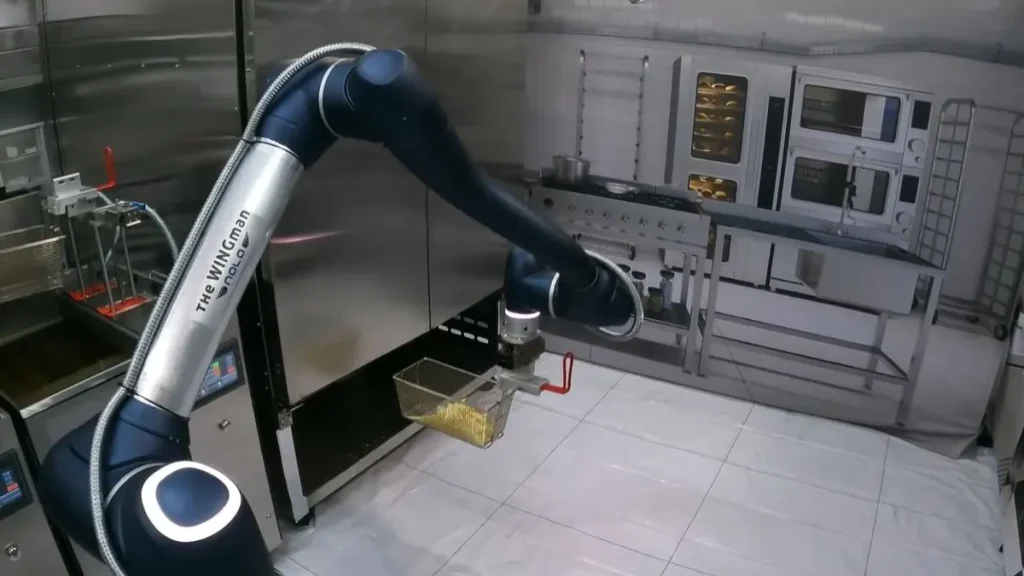
Imagine walking into your kitchen, and instead of the usual mess, you find everything spotless. No crumbs on the counter, no spills on the floor, and every dish in its place.
Sounds like a dream, doesn’t it? Well, the magic behind this scenario might just be an autonomous kitchen cleaning robot. But what exactly is it? And how could it change the way you maintain your kitchen? With the rise of smart technology, this intriguing innovation promises to revolutionize your cleaning routine.
Before you start picturing a tiny robot zooming around your kitchen, let’s delve into what makes these robots tick and why they might be the next essential addition to your home. Get ready to uncover the secrets of these machines and see if they live up to the hype. This article will explore whether a kitchen cleaning robot can truly work autonomously and how it can transform your daily chores into a hassle-free experience.

Credit: www.youtube.com
Autonomous Robots: Key Features
Is Kitchen Cleaning Robot an Autonomous Robot Kitchen cleaning robots clean surfaces and floors without human help. They use sensors to avoid obstacles and follow cleaning paths. These robots can work independently, making them autonomous.
Autonomous robots are transforming the way we approach everyday tasks, and kitchen cleaning robots are at the forefront of this innovation. These intelligent machines promise to take over mundane chores, offering more free time and less hassle. But what makes them truly autonomous? Let’s explore the key features that set these robots apart.Adaptive Navigation
An autonomous kitchen cleaning robot must navigate its environment effectively. Equipped with sensors and cameras, these robots map your kitchen and avoid obstacles like furniture and pets. This adaptive navigation ensures they clean efficiently without getting stuck or causing accidents.Self-charging Capability
Imagine your robot running out of power in the middle of a task. Autonomous cleaning robots prevent this by returning to their charging stations when battery levels are low. This feature ensures they’re always ready for the next cleaning session, without any intervention from you.Intelligent Scheduling
Wouldn’t it be amazing if your kitchen was spotless every morning? With intelligent scheduling, you can set your robot to clean at specific times. Whether it’s after dinner or during the day when you’re out, these robots can align with your lifestyle seamlessly.Customizable Cleaning Modes
Different kitchens have different needs. Autonomous robots offer various cleaning modes to tackle specific messes. From a quick sweep to a deep clean, you can tailor their performance to suit your kitchen’s requirements.Remote Control Via Smartphone
Your smartphone becomes a powerful tool with these robots. Most autonomous cleaning robots can be controlled and monitored through a dedicated app. This means you can start, stop, or schedule a clean from virtually anywhere, even while at work or running errands.Learning And Adaptation
The more your robot cleans, the smarter it becomes. Many autonomous robots are equipped with machine learning capabilities, allowing them to learn the layout of your kitchen and refine their cleaning paths over time. This results in more efficient cleaning with each use.Safety Features
Safety is paramount when dealing with autonomous robots. These robots include features like anti-drop sensors to prevent falls from heights and soft bumpers to protect furniture. You can have peace of mind knowing your kitchen and its contents are safe. Embracing an autonomous kitchen cleaning robot means embracing convenience and efficiency. Are you ready to let a robot handle your kitchen chores, or do you still prefer the traditional methods?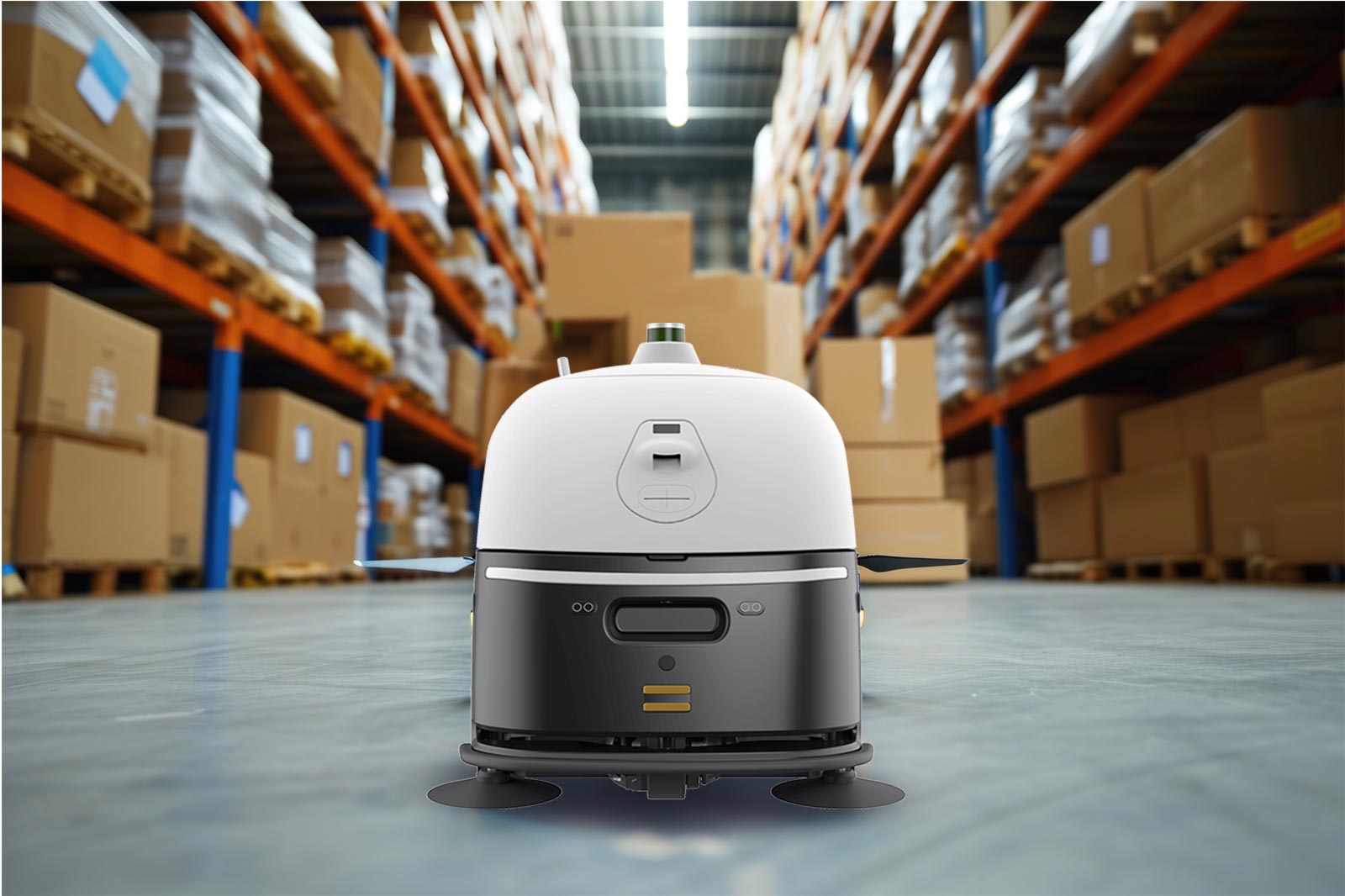
Credit: pringlerobotics.ai
Types Of Kitchen Cleaning Robots
Is Kitchen Cleaning Robot an Autonomous Robot Kitchen cleaning robots come in various types, including floor cleaners, countertop scrubbers, and dishwashing robots. These robots are mostly autonomous, using sensors and smart technology to navigate and clean efficiently. They handle tasks like vacuuming, mopping, and even scrubbing, making kitchen maintenance simpler.
Exploring the types of kitchen cleaning robots opens a world of convenience. These autonomous helpers come in various forms. Each design targets specific cleaning tasks. Understanding these types helps in choosing the right robot for your kitchen needs.Robotic Floor Cleaners
Robotic floor cleaners are popular in many homes. They navigate around obstacles easily. Equipped with sensors, they avoid collisions and falls. These robots sweep and mop floors efficiently. Some models even return to their charging stations automatically.Robotic Window Cleaners
Robotic window cleaners handle glass surfaces. They cling to windows using suction technology. Their cleaning pads remove dust and grime effectively. These robots are ideal for kitchens with large windows. They offer a streak-free shine without human effort.Dishwashing Robots
Dishwashing robots bring innovation to kitchens. Compact and efficient, they save time on dishwashing tasks. These robots load and wash dishes autonomously. Advanced models even adjust water pressure and temperature. Users can enjoy clean dishes with minimal supervision.Countertop Cleaning Robots
Countertop cleaning robots focus on flat surfaces. They wipe and sanitize counters thoroughly. These robots work well in busy kitchens. Their compact design allows for easy storage. Users appreciate their ability to maintain cleanliness without manual labor.Trash Disposal Robots
Trash disposal robots simplify waste management. They collect and compact trash efficiently. Some models even sort recyclables automatically. These robots help keep kitchens organized. Their user-friendly design makes them a valuable asset in modern homes. Understanding these types of robots enhances kitchen maintenance. Each type offers specific benefits tailored to different cleaning needs. Choosing the right robot can transform kitchen chores into effortless tasks.Capabilities Of Kitchen Cleaning Robots
Kitchen cleaning robots have transformed the way we maintain our homes. These autonomous devices offer impressive capabilities that simplify cleaning tasks. They navigate and clean efficiently, adapting to different kitchen layouts and surfaces.
Navigation And Mapping
Kitchen cleaning robots use advanced sensors to map out spaces. They create detailed maps of your kitchen layout. This technology helps them avoid obstacles and plan efficient cleaning routes. Robots can remember previous cleaning paths. This ensures they cover every inch without missing spots.
Cleaning Tasks And Efficiency
These robots are designed for specific cleaning tasks. They can sweep, mop, and vacuum floors with precision. Some models can even scrub surfaces. Their efficiency reduces the time needed for manual cleaning. High-power motors ensure thorough dirt removal. They work quietly, letting you relax while they clean.
Adaptability To Different Environments
Kitchen layouts can vary widely. Robots adapt to different environments easily. They adjust to changes in floor type, from tiles to hardwood. Sensors detect spills and direct cleaning efforts accordingly. Their flexibility makes them suitable for various kitchen designs.
Technologies Behind Automation
As kitchen cleaning robots become more common in households, you might wonder what makes these machines tick. The technologies behind automation are fascinating, transforming what was once a chore into a seamless activity. From sensing their surroundings to learning from their experiences, these robots are redefining how we interact with our kitchen spaces.
Sensor Technologies
At the heart of a kitchen cleaning robot’s capability to navigate is its sensor technology. These sensors allow the robot to detect obstacles, ensuring it moves smoothly around furniture, appliances, and even pets. You might be surprised to know that some robots use advanced cameras and lidar systems similar to those in autonomous cars.
These sensors not only prevent collisions but also help the robot map out the kitchen layout. This capability is crucial for efficient cleaning, as the robot can identify high-traffic areas that need more attention. Have you ever noticed your robot spending extra time under the dining table? That’s the sensors at work, ensuring a thorough clean.
Artificial Intelligence Integration
Artificial Intelligence (AI) is the brain behind the brawn of kitchen cleaning robots. AI enables these robots to make smart decisions based on the data they collect. Imagine your robot recognizing when it’s time to clean specific areas more frequently during certain times of the day.
This intelligence allows robots to adapt to your household’s unique cleaning needs. The more your robot cleans, the better it understands your kitchen’s nuances. This learning process ensures that it becomes more efficient over time, saving you both time and effort.
Machine Learning Algorithms
Machine learning takes AI a step further by allowing robots to learn from their experiences. These algorithms help the robot refine its cleaning patterns and strategies. If you’ve ever wondered why your robot seems to improve with each use, machine learning is the answer.
Through continuous learning, the robot can anticipate potential issues and adjust its methods accordingly. This adaptability is key to maintaining a spotless kitchen without manual intervention. Could you imagine a future where your robot predicts spills and cleans them before they even dry?
Understanding the technologies behind kitchen cleaning robots not only enhances appreciation for their capabilities but also prompts us to think about how such technologies might evolve. What other chores could be automated with similar technologies? The possibilities are as endless as our imaginations.
Challenges In Kitchen Cleaning Robotics
The dream of a spotless kitchen without lifting a finger sounds enticing, doesn’t it? Enter the kitchen cleaning robot. However, turning this dream into a reality is fraught with challenges. These robots must navigate complex environments, ensure safety, and remain cost-effective and accessible. Let’s delve into these challenges, starting with the intricacies of kitchen layouts.
Complexity Of Kitchen Environments
Kitchen layouts vary greatly, making it difficult for robots to adapt universally. From tight corners to diverse appliances, each kitchen poses unique obstacles.
Imagine a robot trying to clean around a cluttered countertop filled with utensils and ingredients. This unpredictability demands advanced sensors and adaptive algorithms. Have you ever had to squeeze through a narrow kitchen aisle? Robots face similar struggles, requiring precision and flexibility.
Safety And Reliability Concerns
Safety is paramount, especially in a space with sharp tools and hot surfaces. Kitchen robots must be reliable and smart enough to avoid accidents.
Consider how a robot might handle a hot stove or a knife left on a counter. Ensuring these machines can safely navigate and operate in such environments is crucial. You wouldn’t want your robot to accidentally turn on an oven or knock over a pot of boiling water, right?
Cost And Accessibility Issues
While technology advances, affordability remains a hurdle. High costs limit accessibility, making these robots a luxury rather than a staple.
Think about the price of current cleaning robots; now, add the complexity of kitchen-specific functions. These factors push costs higher, deterring widespread adoption. Would you invest in a pricey robot if it only managed to clean half your kitchen efficiently?
The journey of kitchen cleaning robots is filled with hurdles. Yet, tackling these challenges could transform our culinary spaces. What changes would you like to see in your kitchen’s future?
Future Of Kitchen Cleaning Robots
The future of kitchen cleaning robots is incredibly exciting, as advancements in technology pave the way for more efficient and intelligent designs. Imagine a world where your kitchen stays spotless without lifting a finger. These robots are not just about cleanliness; they represent a shift toward a more convenient lifestyle. As technology evolves, so do the possibilities for these autonomous helpers. Are you ready to explore what the future holds?
Trends In Robotics Technology
Robotic technology is advancing at a rapid pace, with AI and machine learning at its core. These robots are becoming smarter, learning to navigate complex environments and adapt to new challenges. You might soon see robots equipped with sensors that can detect spills and clean them instantly. Consider how these trends can transform your kitchen into a hands-free cleaning zone.
Potential Innovations And Developments
Imagine a robot that not only cleans but also organizes your kitchen supplies. Future innovations could include robots that work in tandem with smart kitchen devices, ensuring seamless operation. Picture robots communicating with your fridge to manage inventory or alerting you when it’s time to restock. What innovations would make your life easier?
Impact On Daily Life
Kitchen cleaning robots have the potential to significantly impact daily routines, offering more time for leisure and family. With these autonomous helpers, you might spend less time cleaning and more time enjoying home-cooked meals. They can also bring peace of mind, knowing your kitchen is always clean and ready for use. How would your daily life change with a robotic assistant?
Credit: mono.ipros.com
Frequently Asked Questions
What Is A Kitchen Cleaning Robot?
A kitchen cleaning robot is a device designed to automate cleaning tasks in kitchens. It navigates autonomously, using sensors to detect dirt and obstacles. These robots can perform tasks like sweeping, mopping, and sometimes even dishwashing, making them a convenient solution for maintaining kitchen cleanliness.
How Does An Autonomous Robot Work?
An autonomous robot uses sensors and software to perform tasks without human intervention. It maps its environment, identifies obstacles, and follows a programmed path. This allows it to efficiently complete tasks like cleaning, providing a hands-free experience for users in home or commercial settings.
Are Kitchen Cleaning Robots Effective?
Yes, kitchen cleaning robots are generally effective for maintaining cleanliness. They are designed to handle common cleaning tasks like sweeping and mopping. While they may not replace deep cleaning, they significantly reduce daily cleaning efforts, making them a valuable tool for busy households.
Can Kitchen Robots Clean All Surfaces?
Kitchen cleaning robots can handle most hard surfaces like tile, wood, and laminate. However, their effectiveness on uneven surfaces or carpets may vary. It’s essential to choose a model suited for your specific flooring to ensure optimal performance and cleaning results.
Conclusion
Kitchen cleaning robots offer convenience and efficiency in daily chores. They operate autonomously, tackling tasks without constant supervision. These robots adapt to various kitchen layouts. Advanced sensors help them avoid obstacles. They save time and reduce manual effort. For busy households, they are a practical solution.
While not perfect, they continue to improve. Investing in one can simplify kitchen maintenance. Consider your needs and budget before purchasing. Technology will only get better. Kitchen cleaning robots are a promising addition to modern homes.