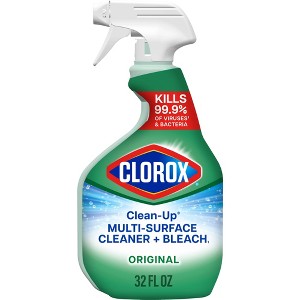
Are you wondering if Clorox Kitchen Cleaner with Bleach is safe for use around food? You’re not alone.
Many people like you are cautious about what products they use in their kitchens, especially when it comes to food safety. When it’s time to clean those stubborn stains and sanitize surfaces, you want to be sure that the cleaner you’re using won’t harm your food or your family.
You’ll discover the truth behind Clorox Kitchen Cleaner with Bleach and whether it meets food-grade standards. Let’s dive in and uncover the facts you need to know for a cleaner, safer kitchen.

Credit: www.amazon.com
Clorox Kitchen Cleaner Ingredients
Determining if Clorox Kitchen Cleaner with Bleach is food grade hinges on its ingredients. It contains bleach and other cleaning agents, which are not safe for direct food contact. Always ensure surfaces are rinsed well before food preparation.
When it comes to keeping your kitchen sparkling clean, Clorox Kitchen Cleaner with Bleach is a popular choice among many households. This cleaner is known for its powerful disinfecting properties, but what exactly goes into making it so effective? Understanding its ingredients can help you make informed decisions about its use in your home.Ingredients Overview
Clorox Kitchen Cleaner with Bleach contains a mix of active and inactive ingredients. The active ingredient, sodium hypochlorite, is the powerhouse behind its disinfecting capabilities. This compound is a form of chlorine bleach, which is renowned for killing germs and bacteria on contact.Role Of Sodium Hypochlorite
Sodium hypochlorite is the key player in this cleaner. It works by breaking down proteins in microorganisms, effectively eliminating them. This makes it a reliable choice for sanitizing surfaces, especially in areas prone to contamination like kitchen countertops and sinks.Other Ingredients
Aside from sodium hypochlorite, Clorox Kitchen Cleaner includes other ingredients that aid in its cleaning power. Surfactants help to lift dirt and grease, making it easier to wipe away grime. Stabilizers ensure the bleach remains effective over time, while fragrance agents provide a fresh scent after cleaning.Safety Considerations
While effective, it’s important to handle Clorox Kitchen Cleaner with care. Ensure proper ventilation when using it, and avoid contact with skin and eyes. Always follow the label instructions to maximize safety and efficacy. Would you consider these guidelines when using a powerful cleaner in your home?Common Misconceptions
A common misconception is that all bleach-based cleaners are suitable for food surfaces. However, Clorox Kitchen Cleaner is not food grade. It’s essential to rinse surfaces thoroughly with water after cleaning to prevent chemical residues from coming into contact with food. Incorporating these insights into your cleaning routine can enhance safety and effectiveness in your kitchen. By knowing what’s in your cleaner, you can make better choices for a healthier home environment. How do you ensure the products you use are safe for your family?
Credit: www.amazon.com
Understanding Food Grade Safety
Is Clorox Kitchen Cleaner with Bleach food grade? Not really. This cleaner is designed for tough kitchen stains, not for direct food contact. Always rinse surfaces thoroughly if used near food preparation areas.
Understanding food grade safety is crucial when using cleaning products in your kitchen. You want to ensure that the surfaces where you prepare food are not only clean but also safe from harmful chemicals. Food grade safety means that a product is safe to use in environments where food is handled, prepared, or consumed.What Does Food Grade Mean?
Food grade refers to products that are safe for food contact. These items are made from materials that won’t leach harmful substances into your food. When using a cleaner like Clorox Kitchen Cleaner with Bleach, it’s essential to know whether it meets these standards.Importance Of Checking Labels
Always read product labels carefully. Look for phrases like “food-safe” or “suitable for food contact.” This ensures you’re not unknowingly introducing dangerous chemicals into your cooking space.Can Bleach Be Food Safe?
Bleach can be safe in certain concentrations and when used correctly. It’s often used to sanitize surfaces in food preparation areas. However, it’s vital to follow instructions and ensure thorough rinsing after application.Personal Experience With Kitchen Cleaners
I once used a non-food-grade cleaner on my kitchen counter and noticed a lingering chemical smell. It made me reconsider my choice and prioritize safer, food-grade options. This small change made a significant difference in my peace of mind.Practical Tips For Safe Cleaning
– Check Labels: Always verify the safety of cleaning products. – Rinse Thoroughly: After using bleach-based cleaners, rinse surfaces well. – Use Alternatives: Consider natural cleaners like vinegar for certain tasks. Are you confident that your kitchen cleaner is safe for food contact? Taking a few minutes to check can make a world of difference for your health and peace of mind.Bleach In Cleaning Products
Bleach is a common ingredient in many cleaning products. It is known for its strong disinfecting properties. This makes it effective in killing germs and bacteria. Many household cleaners include bleach to ensure cleanliness and safety. But is it safe to use around food? Let’s explore its role and uses in kitchen cleaning products.
Role Of Bleach
Bleach is a powerful disinfectant. It breaks down tough stains and kills harmful pathogens. This is why it’s found in many cleaning products. In kitchen cleaners, bleach helps maintain a germ-free environment. It ensures surfaces are hygienic and safe for food preparation.
Bleach also removes odors. This is beneficial in keeping kitchens smelling fresh. It is effective on various surfaces, including countertops and sinks. Its role is crucial in preventing the spread of bacteria.
Common Uses In Kitchens
Bleach is used in kitchens for many cleaning tasks. It disinfects countertops after preparing raw meat. This reduces the risk of cross-contamination. Bleach is also used to clean cutting boards and utensils. This helps remove food residue and germs.
Another common use is in cleaning kitchen sinks and drain areas. Bleach helps clear away grime and bacteria buildup. It can also be used to whiten grout between tiles. This keeps the kitchen looking bright and clean.
While effective, it’s important to use bleach safely. Ensure it’s rinsed off surfaces that come into contact with food. This prevents any potential contamination.
Safety Standards For Kitchen Cleaners
Ensuring safety in your kitchen is crucial. Kitchen cleaners must meet strict standards to keep your space hygienic. This includes using products like Clorox Kitchen Cleaner with Bleach.
Regulations And Guidelines
Kitchen cleaners must comply with health regulations. These rules protect consumers and ensure product efficacy. The Environmental Protection Agency (EPA) sets guidelines for chemical use. It mandates safe levels of ingredients in cleaning products. Each cleaner must have clear usage instructions. This helps prevent accidents and misuse. Manufacturers must label their products correctly. Proper labeling informs users about potential risks.
Testing And Certification
Cleaning products undergo rigorous testing. This ensures they meet safety and effectiveness standards. Independent labs conduct these tests. They assess the cleaner’s ability to kill germs. Certification from agencies like the EPA is vital. Certified products are deemed safe for use. Testing also checks for harmful chemical reactions. These tests protect consumers from potential hazards. Certification marks assure consumers of quality. Products with these marks meet high safety standards.
Potential Risks Of Using Bleach
Bleach is a powerful cleaning agent, and Clorox Kitchen Cleaner with Bleach is no exception. While it might promise spotless surfaces, its application in food-related areas raises concerns. Understanding the potential risks of using bleach in your kitchen can help you make informed decisions for a safer cooking environment.
Chemical Exposure
Bleach contains sodium hypochlorite, a chemical that can pose health risks. When used in confined spaces, it can lead to respiratory issues or skin irritation. Imagine cleaning your kitchen counter, only to start coughing from the fumes. You might not realize the impact until you experience it firsthand.
It’s crucial to use bleach in well-ventilated areas. Open windows or use exhaust fans to reduce exposure. Consider wearing gloves to protect your skin. How often have you considered the risks of chemical exposure when you clean?
Effects On Food Preparation
Using bleach near food can be risky. Residues might linger on surfaces and contaminate your meals. Picture preparing a salad on a freshly cleaned counter; traces of bleach could affect the taste and safety of your food.
To minimize risks, ensure thorough rinsing of surfaces after cleaning. Opt for food-safe alternatives when possible. Have you ever thought about the cleaning products’ impact on your meals? Choosing wisely can safeguard your health.
Alternatives To Bleach-based Cleaners
When considering cleaning your kitchen, you might wonder if there are safer alternatives to bleach-based cleaners like Clorox Kitchen Cleaner with Bleach. Bleach is a powerful disinfectant, but it can be harsh on surfaces and potentially harmful if ingested. Fortunately, there are numerous alternatives that are both effective and safer for your home and health.
Natural Cleaning Options
Natural cleaning options are gaining popularity for their safety and environmental benefits. Ingredients like vinegar, baking soda, and lemon are not only non-toxic but also highly effective at cutting through grease and grime.
Vinegar, when mixed with water, makes an excellent all-purpose cleaner. It is particularly good at removing odors and stains, making it a versatile choice for kitchen surfaces.
Baking soda acts as a gentle abrasive that can scrub away stubborn spots without scratching surfaces. Combined with lemon, it can tackle even the toughest grime, leaving a fresh scent behind.
Benefits Of Non-bleach Products
Switching to non-bleach products offers several advantages. They are generally safer for use around food and children, reducing the risk of toxic exposure. Plus, these products often have fewer harsh chemical fumes, making your cleaning process a more pleasant experience.
Many non-bleach cleaners are also environmentally friendly, using biodegradable ingredients that do not contribute to pollution. This is a win for both your household and the planet.
Have you ever noticed how some cleaners leave a residue that feels sticky or filmy? Non-bleach alternatives typically rinse away more cleanly, leaving your surfaces truly clean and ready for use.
What natural cleaning solutions have you tried in your kitchen? Share your experiences and discover new ways to maintain a clean and healthy home without relying on bleach.
Expert Opinions On Clorox Kitchen Cleaner
Clorox Kitchen Cleaner with Bleach is popular for its cleaning power. Many experts have shared their opinions about its effectiveness and safety. These insights can help consumers make informed choices.
Health And Safety Perspectives
Experts highlight its disinfecting ability. The bleach component kills germs effectively. It’s crucial for maintaining kitchen hygiene. Some caution about its strong chemical nature. Proper ventilation is advised during use. This minimizes inhaling fumes. Protective gloves can prevent skin irritation. Always store away from food items to ensure safety.
Consumer Feedback
Consumers appreciate its cleaning efficiency. It tackles tough stains effortlessly. Users report shiny surfaces after use. Some mention its strong smell as a concern. It’s essential to rinse surfaces thoroughly. This reduces any lingering residue. Overall, it receives positive ratings. Many recommend it for deep cleaning tasks.
Tips For Safe Use Of Kitchen Cleaners
Understanding how to use kitchen cleaners safely is essential. Cleaners like Clorox Kitchen Cleaner with Bleach can be effective. Yet, misuse can lead to unintended consequences. Proper handling ensures safety for you and your food.
Proper Application Methods
Before starting, read the product label carefully. Always follow the instructions. Wear gloves to protect your skin. Spray the cleaner on a cloth or sponge. Do not spray directly on food surfaces. This prevents contact with food. Wipe the surface thoroughly to remove germs. Rinse with water after cleaning.
Protecting Food Surfaces
Keep food away from cleaning areas. Use separate towels for cleaning and drying. Store food in sealed containers. This prevents contamination. Clean cutting boards and countertops immediately after use. Ensure no residue remains on food-preparation surfaces. This helps maintain food safety in your kitchen.
Credit: www.food4less.com
Frequently Asked Questions
Is Clorox Kitchen Cleaner Safe For Food Surfaces?
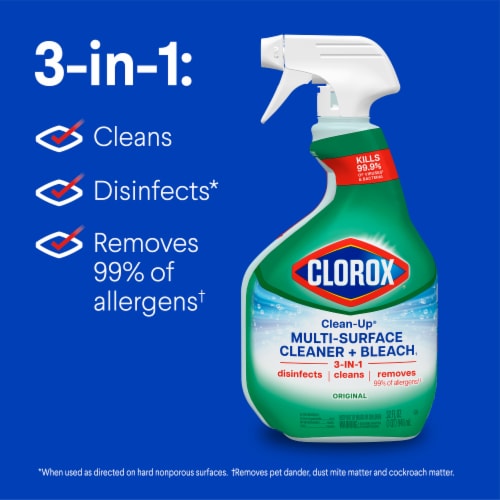
Clorox Kitchen Cleaner with bleach is not food grade. It’s designed for cleaning non-food surfaces. Always rinse surfaces thoroughly with water after use to ensure safety. For food-contact surfaces, consider using products labeled as food-safe or food-grade.
Can Clorox Bleach Be Used On Kitchen Counters?
Yes, Clorox Kitchen Cleaner can be used on counters. However, ensure you rinse the surface thoroughly after cleaning. This prevents any bleach residue from remaining. It’s essential for maintaining a safe environment for food preparation.
Does Clorox Kitchen Cleaner Disinfect Kitchen Areas?
Clorox Kitchen Cleaner with bleach effectively disinfects surfaces. It kills germs and bacteria on contact. This makes it ideal for cleaning high-touch areas. Remember to rinse surfaces well after use for safety.
Is Clorox Kitchen Cleaner Suitable For Cutting Boards?
Clorox Kitchen Cleaner is not recommended for cutting boards. Use food-safe cleaners specifically designed for cutting boards. This ensures you maintain a safe environment for food preparation. Always rinse thoroughly if bleach-based products are used.
Conclusion
Clorox Kitchen Cleaner with Bleach isn’t food grade. It’s designed for cleaning surfaces. Always ensure food contact areas are rinsed well after use. This cleaner removes tough stains and disinfects effectively. Not suitable for direct food contact. Always read labels for proper usage instructions.
Safety comes first when using cleaning products. Choose the right cleaner for kitchen needs. Understanding product labels helps make safe choices. Always prioritize health and safety in the kitchen.