
Are you tired of scraping burnt food off your pans? Ever wondered if cast iron cookware could be the answer to your non-stick dreams?
You’re not alone. Many home cooks and professional chefs alike are curious about whether this age-old kitchen staple can offer a naturally non-stick cooking experience. With its reputation for durability and even heat distribution, cast iron certainly has its perks.
But does it really stand up to the non-stick test? Before you invest in a new set of pans or reconsider your cooking methods, let’s dive into the truth about cast iron cookware and discover if it can truly transform your culinary adventures. Keep reading to find out how your kitchen routine could change forever.
Credit: divdishes.com
History Of Cast Iron Cookware
Cast iron cookware has been a staple in kitchens for centuries. Over time, its seasoned surface gains non-stick properties. This makes it a preferred choice for many home cooks.
The history of cast iron cookware is rich and fascinating. Its journey spans centuries and continents. This durable material has been a kitchen staple for generations. Its appeal lies in its longevity and versatility. But how did cast iron cookware become so popular? Let’s explore its origins and evolution.Origins And Evolution
Cast iron cookware dates back to ancient China. The first known use was during the Han Dynasty, around 220 AD. Artisans crafted pots and pans from molten iron. They discovered its remarkable heat retention properties. This led to its spread across Europe and beyond. By the 16th century, cast iron was a common cooking material. Its evolution continued with technological advancements. The 19th century saw mass production techniques. This made cast iron cookware more accessible to the public. Its evolution is a testament to human innovation.Popularity Through Ages
Throughout history, cast iron has remained popular. In colonial America, it was a kitchen essential. Families used it for everyday cooking needs. The industrial revolution boosted its production. This made it more affordable and widespread. During the 20th century, cast iron faced competition. New materials like aluminum and stainless steel emerged. Yet, it never lost its charm and utility. Today, many chefs and home cooks cherish it. They appreciate its ability to create unique flavors and dishes. Its popularity endures, bridging past and present culinary traditions.
Credit: www.target.com
Characteristics Of Cast Iron
Cast iron cookware can develop a non-stick surface with proper seasoning. This process creates a natural coating that prevents food from sticking. Its durability and heat retention make it a popular choice for cooking.
Cast iron cookware has long been a staple in many kitchens, admired for its unique characteristics that stand the test of time. While it’s not inherently non-stick, over time and with proper care, it develops a natural non-stick surface. But what exactly makes cast iron so special? Let’s dive into the characteristics that set it apart.Material Composition
Cast iron is made from iron-carbon alloys. This composition gives it a dense and heavy feel, making it a bit of a workout to lift but also ensuring even heat distribution. Unlike other cookware materials, cast iron retains heat exceptionally well. This makes it ideal for cooking dishes that require consistent temperatures. Do you ever wonder why your grandmother’s cornbread tasted just right? It might be because of cast iron’s ability to enhance flavors over time.Durability And Longevity
One of the standout features of cast iron is its durability. It’s not uncommon for cast iron cookware to be passed down through generations. This longevity is due to its robust construction. With proper care, including regular seasoning and avoiding rapid temperature changes, it can last for decades. Have you ever thought about investing in something that could be a family heirloom? Cast iron might just be that enduring piece in your kitchen.Non-stick Properties
Cast iron cookware has a remarkable ability to develop non-stick properties. Unlike modern non-stick pans, it doesn’t rely on synthetic coatings. Instead, its non-stick surface is achieved through a natural process.
Seasoning Process
Seasoning a cast iron pan involves applying a thin layer of oil. This oil is heated until it polymerizes. This creates a smooth coating on the pan’s surface. Each time you cook, this layer improves. Over time, it forms a protective barrier. This barrier makes food less likely to stick.
Natural Non-stick Ability
Cast iron’s natural surface gets better with use. The oils from cooking contribute to its non-stick qualities. As you cook fatty foods, the pan’s surface enhances. This makes it easier to cook eggs or pancakes. The more you use it, the better it becomes. It rewards patience with improved performance.
Comparing Cast Iron To Modern Non-stick Pans
Cast iron cookware develops a natural non-stick surface with proper seasoning and maintenance. Unlike modern non-stick pans, it offers durability and even heat distribution. Perfect for searing and browning, but requires regular care to maintain its non-stick properties.
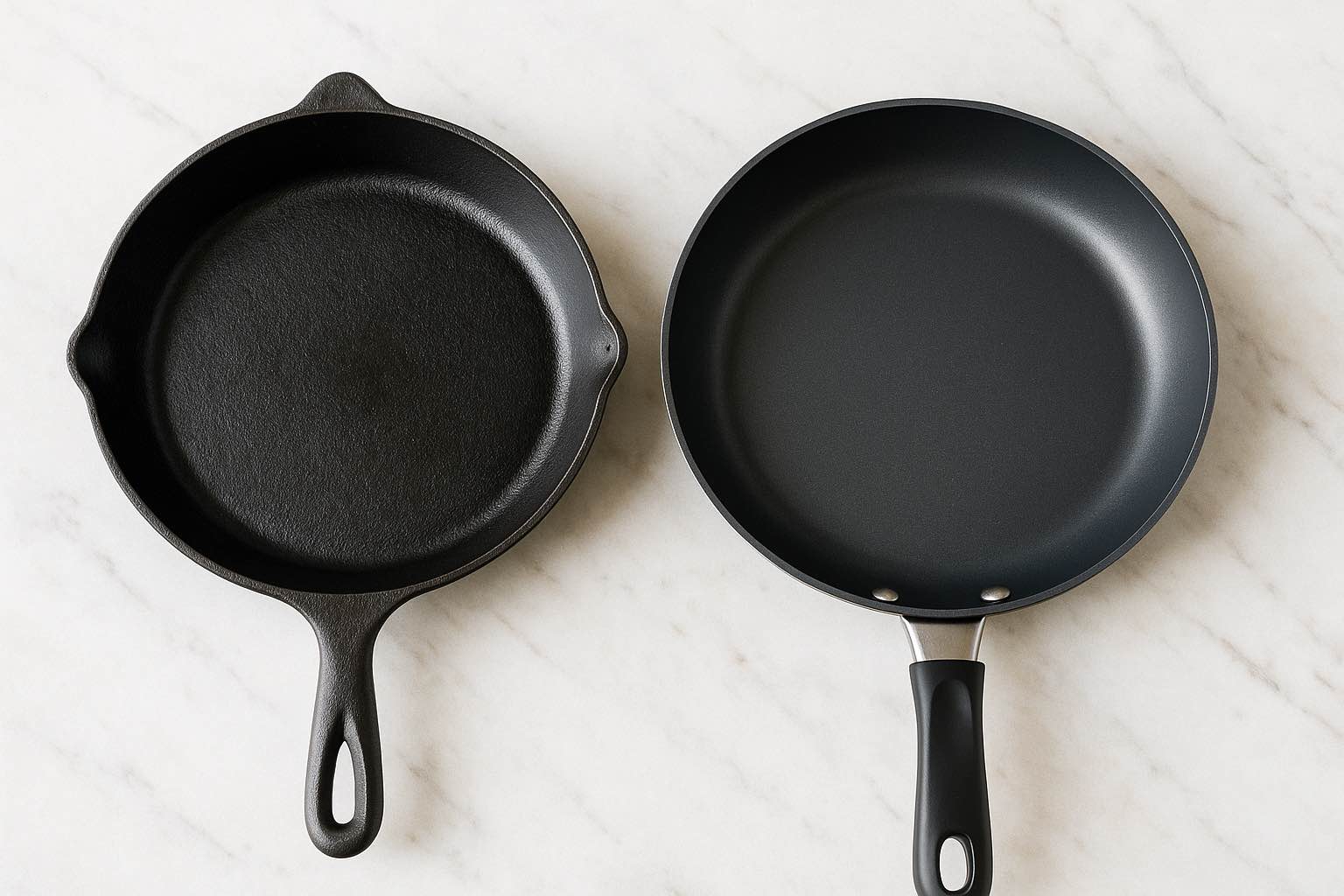
Comparing cast iron cookware to modern non-stick pans highlights key differences. Both have unique features that cater to different cooking needs. Understanding these differences can help you choose the right pan for your kitchen.Performance Differences
Cast iron pans excel at heat retention. They cook food evenly, especially at high temperatures. This makes them great for searing meat. Modern non-stick pans heat up quickly but might not hold heat as well. They are perfect for delicate foods like eggs and pancakes. Cast iron pans develop a non-stick surface over time with seasoning. Non-stick pans come with a coating that provides an immediate smooth surface. This makes food release easy. Cast iron is heavier and requires more effort to handle. Non-stick pans are lightweight, making them easier to maneuver.Health Considerations
Seasoned cast iron pans are free from synthetic chemicals. They provide a natural cooking surface. Non-stick pans often use coatings that can release fumes at high temperatures. Cast iron can add iron to your diet, which can be beneficial. Non-stick pans do not offer this nutritional advantage. Proper maintenance of cast iron involves regular seasoning. This creates a safe and effective cooking surface. Non-stick pans require careful use to avoid scratching the coating. This maintains their non-stick properties.Maintenance Tips For Cast Iron
Maintaining cast iron cookware is essential for a smooth cooking experience. Regular seasoning can create a non-stick surface. Avoid soap and harsh scrubbing to preserve the protective layer.
Maintaining cast iron cookware is essential to preserving its non-stick qualities and ensuring it lasts a lifetime. A well-cared-for cast iron skillet can become your kitchen’s best friend, offering unparalleled cooking versatility. But how do you keep it in pristine condition?Cleaning Techniques
Cleaning cast iron requires a gentle touch. Avoid using soap as it can strip the seasoning from the surface. Instead, clean your cookware with hot water and a brush or sponge. If food residue is stubborn, try boiling a little water in the pan to loosen it. Dry the cookware thoroughly with a towel immediately after washing. Leaving it wet can lead to rust. After drying, apply a thin layer of vegetable oil to maintain the non-stick surface.Proper Storage
Storing cast iron correctly is crucial to prevent damage. Always keep it in a dry place to avoid moisture, which can cause rust. If you stack your cast iron with other cookware, place a paper towel between pieces to protect the surface and prevent scratches. Consider hanging your cast iron to save space and keep it aired out. This method not only showcases your beautiful cookware but also ensures it remains rust-free. What’s your favorite cast iron dish? Perhaps it’s time to try a new recipe with your well-maintained cookware.Common Myths About Cast Iron Cookware
Cast iron cookware often finds itself surrounded by myths that can deter potential users from experiencing its benefits. These myths can create confusion, especially when you’re deciding whether to invest in this versatile kitchen tool. Let’s tackle some of these misconceptions head-on, and see if any of these myths have held you back from embracing cast iron cookware.
Misconceptions About Seasoning
Seasoning a cast iron pan might sound like a daunting task, but it’s simpler than many think. A common myth is that seasoning requires hours of laborious work. In reality, seasoning can be as easy as applying a thin layer of oil and heating your pan. You might have heard that cast iron needs constant seasoning, but once you’ve done it right initially, maintaining it becomes a breeze. Think of it as your pan’s protective shield against sticking and rust. Have you ever wondered why your grandma’s cast iron skillet is still non-stick after all these years? It’s likely because she knew the secret—seasoning isn’t hard, just part of the routine.
Debunking Rust Concerns
Rust is often seen as the enemy of cast iron, but should it be? Many believe that once a pan rusts, it’s beyond saving. Not true! Rust can be easily removed with a bit of scrubbing and re-seasoning. There’s a misconception that cast iron is prone to rust if not dried immediately. While it’s true that moisture can lead to rust, the solution is simple: dry your cookware thoroughly and apply a light coat of oil. Ever left your pan in the sink and found it rusty the next day? That’s not the end of its life—it’s just asking for a little TLC.
Benefits Of Using Cast Iron
Cast iron cookware offers several benefits that make it a popular choice. It is known for its durability, even heat distribution, and ability to add iron to your diet. These features make it an essential tool in many kitchens. Let’s explore the key benefits of using cast iron.
Versatility In Cooking
Cast iron cookware is incredibly versatile. It can be used on the stove, in the oven, and even over an open flame. This allows you to prepare a wide range of dishes with ease. From searing steaks to baking bread, cast iron can do it all. It retains heat well, ensuring your food cooks evenly. You can even use it to serve food directly from the cookware, keeping it warm.
Environmental Impact
Cast iron cookware has a minimal environmental impact. It is made from natural materials and can last for decades with proper care. This reduces the need for frequent replacements, cutting down on waste. Cast iron is also recyclable, making it a sustainable choice. Unlike non-stick pans, it doesn’t release harmful chemicals into the environment. Choosing cast iron supports eco-friendly cooking practices.

Credit: www.walmart.com
Frequently Asked Questions
Is Cast Iron Naturally Non-stick?
Cast iron isn’t naturally non-stick but becomes so with proper seasoning. Seasoning involves coating the pan with oil, then heating it. This process creates a slick, non-stick surface. Regular maintenance helps retain its non-stick properties. Over time, it can outperform synthetic non-stick cookware.
How Do You Season Cast Iron Cookware?
To season cast iron, clean and dry the pan completely. Apply a thin layer of vegetable oil or flaxseed oil. Bake it upside down in the oven at 375°F (190°C) for an hour. Repeat this process several times for better results.
Regular seasoning maintains its non-stick surface.
Can You Use Soap On Cast Iron?
Yes, you can use soap on cast iron occasionally. Modern dish soaps won’t strip seasoning like older ones did. Use mild soap and avoid scrubbing too hard. Rinse thoroughly and dry immediately. Re-season if necessary. Regularly cleaning with hot water and a stiff brush is usually sufficient.
Why Does Cast Iron Need Seasoning?
Seasoning cast iron creates a non-stick surface and prevents rust. The oil polymerizes, forming a protective layer. It enhances cooking performance and adds flavor to food. Proper seasoning also extends the life of your cookware. Regular maintenance ensures your cast iron remains effective and durable.
Conclusion
Cast iron cookware can become non-stick with proper care and seasoning. It offers durability and versatility in the kitchen. Cooking with it requires some practice. But the results are worth it. Maintaining the seasoning layer is key. Regular use helps improve its non-stick properties.
Cleaning and drying immediately prevents rust. Cast iron adds rich flavor to dishes. It’s a reliable choice for many cooks. Its natural non-stick surface is both safe and effective. Consider it for your cooking needs. Enjoy the benefits of well-cared-for cast iron.
Happy cooking!