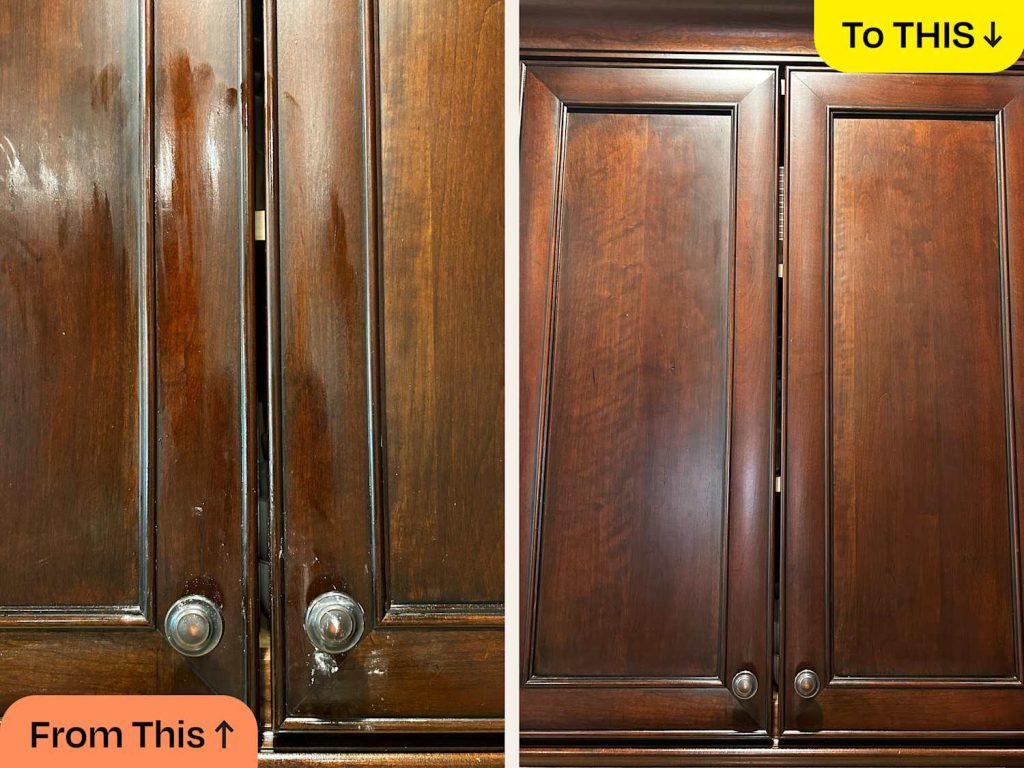
Have you ever spent hours scrubbing your kitchen cabinets only to find they still feel sticky afterwards? It’s frustrating, isn’t it?
You’re not alone. Many people face this annoying issue despite their best cleaning efforts. The good news is, there’s a solution. You’ll discover simple, effective techniques to banish that sticky residue for good. Imagine running your fingers over smooth, clean surfaces every time you open a cabinet.
It’s possible, and you deserve a kitchen that feels as fresh and clean as it looks. Keep reading to learn how you can achieve that satisfying, spotless finish without the hassle.

Credit: jp.pinterest.com
Common Causes Of Stickiness
Grease buildup and leftover cleaning products often cause stickiness on kitchen cabinets. Using too much cleaner or not rinsing properly can leave residue.
Sticky kitchen cabinets can be a real nuisance. Understanding the root causes can help you tackle the problem effectively. Let’s explore the common culprits of sticky residue on your kitchen cabinets.Grease And Oil Build-up
Cooking in the kitchen often leads to grease splatters. These oil particles can land on your cabinets. Over time, they accumulate and form a sticky layer. Regular cooking without proper ventilation worsens the situation. Even if you clean often, grease can still stick.Cleaning Product Residue
Using too much cleaning product can leave a residue. Some cleaners contain wax or polish. These substances can create a sticky film when not wiped properly. Rinsing cabinets with clean water can help remove excess cleaner.Humidity And Moisture
High humidity levels in the kitchen cause moisture to build up. This moisture can mix with dust and grease. The result is a sticky surface on your cabinets. Ensure your kitchen is well-ventilated to combat this issue.Food Spills And Stains
Spills from food or drinks can lead to stickiness. If not cleaned immediately, these spills dry up. They leave a sticky residue that attracts more dirt. Keep a cloth handy to wipe spills quickly.Old Varnish Or Paint
Over time, varnish or paint can break down. This breakdown can lead to a sticky texture. Old cabinets with worn finishes are more prone to this. Consider refinishing them to restore their smooth surface. Understanding these causes helps you maintain clean cabinets. Keep an eye out for these sticky situations. Your kitchen will thank you!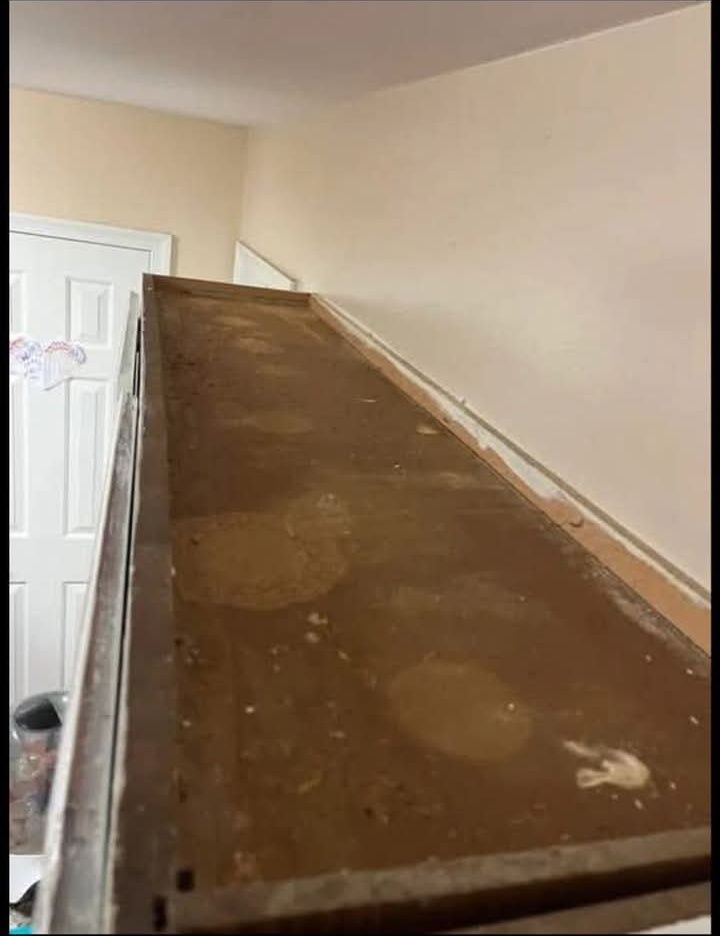
Credit: www.facebook.com
Choosing The Right Cleaning Products
Removing stickiness after cleaning kitchen cabinets is easy with the right products. Opt for natural cleaners like vinegar or baking soda to effectively dissolve residue. Ensure all surfaces are dried thoroughly to prevent any lingering stickiness.
Choosing the right cleaning products for your kitchen cabinets can make a significant difference in achieving a spotless and non-sticky finish. The wrong product can leave residues, making your cabinets feel tacky even after cleaning. Whether you prefer natural solutions or commercial cleaners, knowing what works best can save you time and effort.Natural Solutions
Natural solutions are a fantastic option if you’re looking to avoid harsh chemicals. Vinegar and water is a classic combination that effectively cuts through grease. Mix equal parts of vinegar and water in a spray bottle and wipe with a microfiber cloth. Another gentle option is baking soda. Sprinkle some on a damp cloth and gently scrub the sticky areas. This mild abrasive helps remove residue without damaging the cabinet finish. Coconut oil can also work wonders. Apply a small amount on a cloth and rub over sticky spots. Not only does it clean, but it also conditions the wood, leaving a pleasant sheen.Commercial Cleaners
If you prefer the convenience of ready-made solutions, commercial cleaners are a solid choice. All-purpose cleaners are versatile and designed to tackle various surfaces, including kitchen cabinets. Look for ones labeled as safe for wood to avoid any damage. Degreasers are particularly effective if your cabinets are coated with stubborn grease. These products are formulated to break down tough residues, ensuring a clean finish. For a more eco-friendly option, consider plant-based cleaners. They offer the cleaning power of traditional products without the harsh chemicals. Always test a small area first to ensure the cleaner doesn’t affect the cabinet’s finish. Are you ready to transform your sticky cabinets with the right product? Choose a method that aligns with your cleaning philosophy, and see how it can change your kitchen routine.Effective Cleaning Techniques
Baking soda and water effectively tackle sticky residue on kitchen cabinets. Apply the paste, scrub gently, and wipe clean. Ensure surfaces are dry to prevent further stickiness.
Cleaning kitchen cabinets can sometimes leave them sticky. This often happens if cleaning is not done properly. The stickiness can attract more dirt. It makes the cabinets look dirty again. But don’t worry, there are ways to remove it.Proper Scrubbing Methods
Always use gentle scrubbing techniques. Avoid harsh scrubbing. It can damage the cabinet surface. Use a soft-bristled brush for scrubbing. This helps remove sticky residue. Dip the brush in warm soapy water. Scrub the surface in circular motions. This method is effective for removing grease and grime. Make sure to rinse the cabinet with clean water. Then, dry it with a soft cloth.Using Soft Cloths
Soft cloths are essential for cleaning. They help prevent scratches on the cabinets. Microfiber cloths are a great choice. They easily pick up dust and residue. Dampen the cloth with warm water. Gently wipe the cabinet surface. For stubborn spots, add a little vinegar to the cloth. This helps break down the sticky residue. Always wipe in one direction. This reduces the risk of spreading residue. `Preventive Measures
Wipe cabinets with a vinegar and water solution to cut grease. Dry with a soft cloth to avoid residue.
Preventive measures are essential to keep your kitchen cabinets from becoming sticky. By implementing regular maintenance and avoiding grease buildup, you can ensure a clean, fresh kitchen environment. These simple practices can save you time and effort.Regular Maintenance
Regular maintenance is key to preventing stickiness on kitchen cabinets. Wipe cabinets with a damp cloth every few days. Use warm water and mild soap for cleaning. This practice removes dust and grime before they accumulate. Make sure to dry cabinets thoroughly. Moisture can lead to stickiness and mold growth. Regularly check for any spills or stains. Address them immediately to prevent stubborn residue.Avoiding Grease Buildup
Grease buildup is a common cause of sticky cabinets. Use a splatter guard while cooking to minimize grease spread. Ensure proper ventilation in your kitchen. Turn on exhaust fans to reduce airborne grease. Clean stovetop and surrounding areas frequently. This prevents grease from settling on cabinets. Choose non-greasy cooking methods, like baking or steaming. This reduces the amount of grease in the air. Regularly degrease kitchen surfaces using a vinegar solution. Vinegar breaks down grease effectively.Additional Tips For Tackling Stubborn Residue
Cleaning kitchen cabinets can leave them sticky sometimes. Tackling stubborn residue needs some extra care. These tips will help restore your cabinets to their original shine.
Utilizing Vinegar Solutions
Vinegar is a natural cleaner. Mix equal parts of vinegar and water. Dip a cloth into the solution. Wipe the sticky areas gently. This breaks down the residue effectively. Vinegar’s acidity helps dissolve grime. Rinse the area with water afterward. Dry with a clean towel. This prevents any vinegar smell.
Baking Soda Paste
Baking soda is a mild abrasive. Mix baking soda with water to form a paste. Apply the paste to sticky spots. Scrub gently with a soft cloth. Baking soda lifts the residue without scratching surfaces. Rinse the area thoroughly with water. Ensure no paste remains. Dry with a clean cloth. This leaves your cabinets spotless.
When To Seek Professional Help
Sticky residue remains despite cleaning efforts. Professional help is needed when home remedies fail to remove stubborn stickiness. Experts use specialized products and techniques for thorough cleaning.
When sticky residue refuses to leave your kitchen cabinets, it might be time to seek professional help. Persistent stickiness can indicate deeper issues. Sometimes, DIY methods aren’t enough. Professionals have the right tools and techniques. They can assess and treat more complex problems. Knowing when to call them can save time and stress.Unsuccessful Diy Attempts
You’ve tried everything, yet the stickiness persists. This is a clear sign. Professionals can handle stubborn residues. Don’t waste more time on ineffective solutions.Visible Damage Or Discoloration
Sticky cabinets might have hidden damage. Discoloration or warping can occur. Professionals can restore their original look. They can address potential structural issues too.Unpleasant Odors
A lingering odor can signal a deeper problem. It might point to mold or mildew. These require professional treatment. Experts can eliminate odors and ensure a clean, safe space.Complex Material Or Finish
Some cabinets have special finishes. These need expert care. Incorrect cleaning can damage them. Professionals know how to treat these materials properly.Time Constraints
Busy schedules can make cleaning difficult. Hiring professionals saves time. They can complete the job efficiently. You can focus on other important tasks.
Credit: www.yahoo.com
Frequently Asked Questions
Why Are Kitchen Cabinets Sticky After Cleaning?
Sticky residues often result from leftover cleaning products. Grease and dirt can also contribute to this stickiness. Ensure you rinse with warm water thoroughly. Drying the surface helps to eliminate any leftover moisture. Always use a clean cloth for drying to prevent reapplying any residues.
What Cleaning Solution Removes Cabinet Stickiness Effectively?
A mixture of vinegar and warm water is effective. Vinegar cuts through grease without leaving residues. Mix equal parts of both and apply with a cloth. Wipe the cabinets thoroughly, then rinse with water. Ensure you dry the cabinets afterward to prevent moisture buildup.
How Can I Prevent Stickiness On Cleaned Cabinets?
Regular cleaning helps in preventing stickiness. Use mild cleaners and avoid harsh chemicals. Always rinse thoroughly with water after cleaning. Dry the surfaces completely with a clean cloth. This routine prevents buildup of residues, keeping your cabinets clean and non-sticky.
Can I Use Baking Soda To Clean Sticky Cabinets?
Yes, baking soda is effective for stickiness. Mix it with water to form a paste. Apply gently with a cloth to the sticky areas. Rinse thoroughly with warm water afterward. Baking soda is a natural abrasive and deodorizer, making it perfect for kitchen use.
Conclusion
Removing stickiness from kitchen cabinets can be simple. Use the right cleaners. Choose those that cut grease effectively. Scrub gently to avoid damage. Rinse well and dry with a soft cloth. Regular maintenance keeps cabinets clean. Avoid harsh chemicals to protect surfaces.
Consistency is key for lasting results. Enjoy a fresh and spotless kitchen. With these tips, sticky residues are a thing of the past. Your kitchen cabinets will shine like new. Keep your kitchen a pleasant place to cook and gather.
Clean cabinets make a big difference. Happy cleaning!