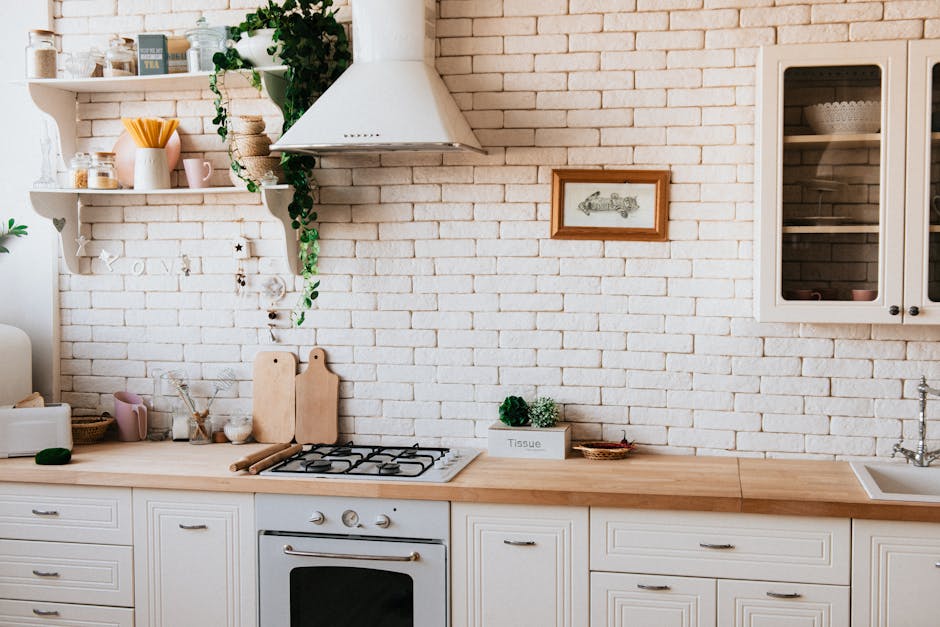
Imagine opening your kitchen cabinets to find everything neatly arranged, making cooking and meal prep a breeze. No more rummaging through cluttered shelves or losing track of pantry staples.
With the right approach, organizing your kitchen cabinets can transform your cooking space into a haven of efficiency. But where do you start? You might feel overwhelmed just thinking about tackling those messy shelves. That’s where a simple kitchen cabinets diagram comes into play.
This visual tool can guide you in arranging your items logically and intuitively, tailored to your unique needs. You’ll discover how to create and use a kitchen cabinets diagram to streamline your space. Get ready to unlock the secrets of an organized kitchen that saves you time and reduces stress. Dive in, because you’re about to revolutionize the way you use your kitchen forever.
Benefits Of An Organized Kitchen
Organizing kitchen cabinets with a diagram boosts space efficiency and accessibility. A clear layout saves time during meal prep. Enjoy a clutter-free environment and make cooking more enjoyable.
An organized kitchen can transform your cooking experience. Imagine opening a cabinet and instantly finding what you need, whether it’s your favorite spice or the pan that always cooks just right. An organized space not only saves time but also enhances the joy of cooking. As you streamline your kitchen, you might find yourself experimenting more, trying new recipes, and enjoying the process from prep to plating. But what are the tangible benefits of having an organized kitchen?Improved Efficiency
When your kitchen cabinets are organized, cooking becomes a breeze. You can swiftly move from one task to another without wasting time searching for items. This efficiency allows you to focus more on cooking and less on cleanup. With everything in its place, meal preparation becomes quicker, leaving you more time to enjoy your meals.Enhanced Creativity
An organized kitchen can spark creativity. Knowing where everything is can encourage you to try new recipes or experiment with flavors. You might find yourself reaching for spices you haven’t used before or combining ingredients in unexpected ways. This creativity can turn your kitchen into a space of culinary innovation.Stress Reduction
Chaos in the kitchen can lead to stress, especially when you’re in a hurry. An organized kitchen reduces stress by providing a sense of control. You know where everything is and can access it easily. This orderliness can make cooking a relaxing activity, rather than a source of frustration.Space Maximization
With an organized kitchen, you can make the most out of your space. Efficient use of cabinets means more room for your essentials and possibly some new gadgets or utensils. You might even find space for a small herb garden or additional storage solutions that can further enhance your kitchen’s functionality.Improved Hygiene
Organization often leads to cleanliness. When cabinets are neat, it’s easier to clean them regularly. Keeping your kitchen tidy can prevent the buildup of dust and dirt, ensuring a more hygienic space. A clean kitchen is not only healthier but also more inviting. Do you often struggle to find things in your kitchen? An organized kitchen can change that experience and turn cooking into a delightful adventure, rather than a chore.
Credit: www.pinterest.com
Assessing Your Space
Organizing kitchen cabinets begins by assessing the available space. Measure shelves and drawers for optimal arrangement. Create a diagram to visualize cabinet layout and storage solutions.
Organizing your kitchen cabinets starts with understanding your space. Before rearranging, assess the available room to make the most of it. Knowing the dimensions and problem areas helps in creating a functional layout. This step sets the foundation for an efficient kitchen setup.Measuring Cabinets
Accurate measurements guide your organizing strategy. Use a measuring tape for width, depth, and height. Write down each cabinet’s dimensions. Consider interior and exterior measurements. This helps in planning storage solutions. Knowing exact sizes is crucial for fitting items properly.Identifying Problem Areas
Recognize where clutter accumulates. Look for overcrowded shelves and awkward spaces. Identify cabinets that are hard to access. Note items without dedicated places. Problem areas may include corners or high shelves. Understanding these will help in optimizing storage. Addressing these spots improves functionality.Categorizing Kitchen Items
Organizing kitchen cabinets efficiently begins with categorizing your kitchen items. This step ensures everything has a designated place, making your kitchen more functional and enjoyable to use. By understanding how best to categorize, you’ll save time during meal prep and reduce clutter in your kitchen space.
Sorting By Usage
Consider how often you use each item in your kitchen. Items you use daily, like mugs, plates, and cutlery, should be easily accessible. Reserve the lower shelves for these everyday essentials.
Occasionally used items, such as baking dishes or specialty gadgets, can be stored higher up or towards the back. This method ensures that your most-used items are always within reach, minimizing the hassle during busy mornings.
Ask yourself: do you really need that fondue pot taking prime real estate? Rethink the placement of rarely-used items, and you might find more space for your daily essentials.
Grouping Similar Items
Grouping similar items together can transform your cabinet chaos into a streamlined system. Keep all your baking supplies—like flour, sugar, and baking powder—in one area. Store pots and pans together with their respective lids to avoid mismatched stacks.
Consider using bins or baskets to consolidate smaller items like spices, which can otherwise scatter and become hard to find. Labeling these containers can also save time and help you maintain the organization.
Grouping items not only helps with finding things quickly but also highlights duplicates you might not need. How many spatulas can one kitchen truly need?
By categorizing your kitchen items thoughtfully, you create a kitchen space that works for you. It’s about making life easier, one cabinet at a time.
Creating A Functional Layout
Organizing kitchen cabinets with a diagram simplifies storage and enhances efficiency. Group similar items together for easy access. Use clear labels and designated sections to minimize clutter and streamline cooking.
Creating a Functional Layout Organizing your kitchen cabinets efficiently can transform your cooking space into a well-oiled machine. A functional layout not only saves time but also enhances your culinary experience by making everything easily accessible. Let’s delve into some practical strategies to make your kitchen cabinet layout work for you.Efficient Storage Solutions
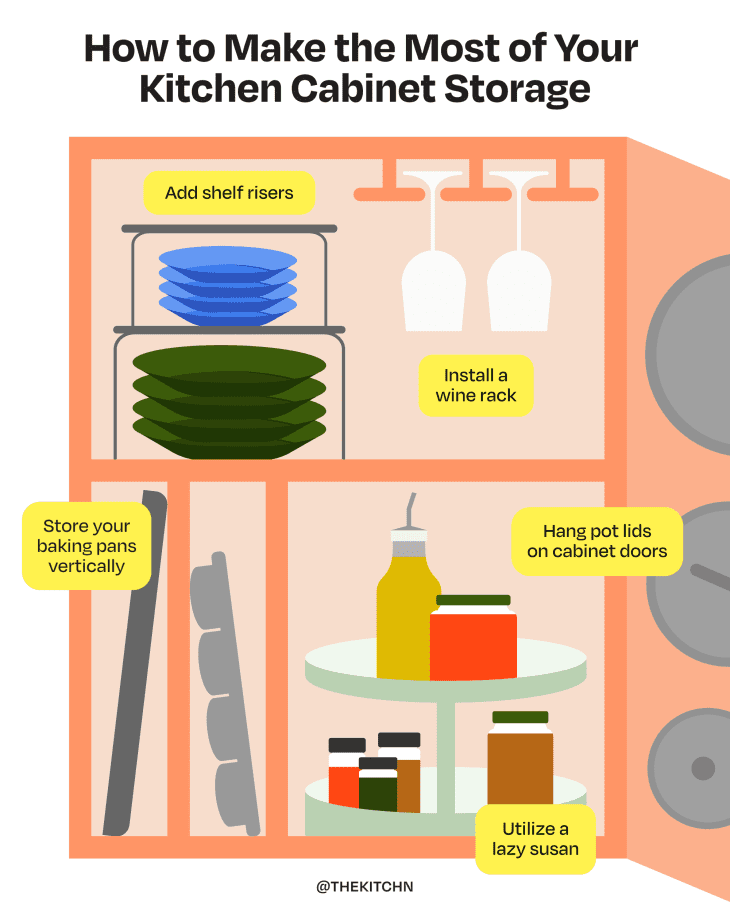
Maximize every inch of your cabinet space with smart storage solutions. Use tiered shelves to make items at the back more visible and accessible. Consider installing pull-out drawers for pots and pans, making it easier to grab what you need without a hassle. Incorporate lazy Susans in corner cabinets to utilize those awkward spaces. You’ll be amazed at how much more you can store when you can spin items into view rather than digging through cluttered shelves. Use clear containers for dry goods, which not only keep items fresh but also help you quickly identify contents. This simple change can save you precious minutes during meal prep.Zoning By Activity
Divide your kitchen into zones based on activities to streamline workflow. Think about how you move around your kitchen and what you do most often. This will guide you in placing items where they make the most sense. For example, keep baking supplies near your prep area. Store pots and pans close to the stove, where you’ll need them most. This reduces unnecessary trips across the kitchen, keeping everything within reach. Do you love brewing coffee every morning? Dedicate a coffee zone with mugs, beans, and your coffee maker in one place. This creates an efficient flow, turning your daily routine into a seamless experience.Utilizing Vertical Space
Utilizing vertical space in your kitchen can transform its functionality. This approach helps maximize every inch, especially in tight areas. A well-organized kitchen makes cooking and cleaning more efficient. Vertical space can be your best friend in small kitchens. Let’s explore some effective ways to use this space.
Incorporating Shelving
Adding shelves can dramatically increase your storage options. They provide a place for dishes, spices, and even small appliances. You can fit them above countertops or in unused corners. Consider adjustable shelves for more flexibility. This way, you can change shelf height based on your needs.
Floating shelves offer a modern look. They are easy to install and add a decorative touch. Use them to display nice dishes or cookbooks. Arrange items by frequency of use. Keep everyday items within easy reach. Place rarely used items higher up.
Hanging Storage Options
Hanging storage helps free up countertop space. Install hooks under cabinets for mugs or kitchen tools. You can also use wall-mounted racks for pots and pans. This keeps your cookware accessible and organized.
Magnetic strips are perfect for knives. They keep blades sharp and within reach. You can also hang baskets for fruits or vegetables. This adds charm and functionality to your kitchen. Use every bit of wall space to keep things tidy and neat.
Credit: benable.com
Labeling And Accessibility
Organize kitchen cabinets with clear labeling for easy access. Diagrams help identify locations for items efficiently. Ensure accessibility by grouping similar items and labeling shelves for quick identification.
Organizing kitchen cabinets effectively improves your cooking experience. Labeling and accessibility are key elements. They ensure you find items quickly and reduce clutter. Clear labels help everyone understand where each item belongs. Easy access arrangements make cooking more efficient. Together, they transform chaos into order.Clear Labeling Techniques
Use simple labels for clarity. Labels should be easy to read. Choose large, clear fonts. Use contrasting colors to make them stand out. Sticky labels or plastic tags work well. Consider labeling shelves and containers. For spices, label lids for a quick glance. Group similar items together with matching labels. This creates an intuitive system.Easy Access Arrangements
Place frequently used items within arm’s reach. This saves time and effort. Store heavier items on lower shelves. Use pull-out drawers for easy access. Install lazy Susans for corner cabinets. They allow easy access to items at the back. Use dividers to separate utensils. Adjustable shelves are great for customizing space. Ensure every item has a designated spot.Maintaining Organization
Maintaining organization in your kitchen cabinets is crucial for a tidy space. It ensures easy access to items and streamlines cooking processes. Regular upkeep prevents clutter and promotes efficiency. Let’s explore some practical strategies to keep your kitchen cabinets in top shape.
Regular Cleaning Tips
Consistent cleaning keeps cabinets fresh and hygienic. Wipe surfaces weekly to remove dust and spills. Use gentle cleaners to avoid damaging finishes. Clean out crumbs and food particles from corners. This prevents pest infestations and maintains a clean look. Don’t forget to clean cabinet handles and knobs. They often collect fingerprints and grime.
Re-evaluating Space Needs
Periodically assess how you use your cabinet space. Consider changes in your cooking habits. You might need more room for new appliances or cookware. Remove items you rarely use or have duplicates of. This frees up space for essentials. Adjust shelves to better accommodate taller items. Use stackable containers to maximize vertical space.
Visual Guide Tools
Visual Guide Tools offer a simple way to organize kitchen cabinets using diagrams. These diagrams help categorize items, creating a neat and accessible space. Each section of the cabinet can be labeled for specific items, ensuring a structured and tidy kitchen.
Visual guide tools can transform kitchen cabinet organization. They provide clear, easy-to-follow diagrams. These tools simplify the process, making it more accessible for everyone. Visual aids help to plan efficiently and manage space effectively. With the right tools, organizing becomes less overwhelming and more enjoyable.Using Diagrams Effectively
Diagrams offer a clear picture of your kitchen layout. They help visualize where items will go. Use them to map out cabinet contents. Label each section with item categories. This reduces confusion and saves time. Simple sketches can show how to arrange pots, pans, and utensils. Visual guides make it easy to plan storage space. Detailed diagrams ensure everything has a designated spot.Digital Planning Resources
Digital tools provide advanced planning options. Apps and software can create detailed cabinet diagrams. They allow you to drag and drop items into virtual spaces. Adjust dimensions and try different arrangements. These tools often feature user-friendly interfaces. Online platforms offer templates for various kitchen layouts. You can customize diagrams to fit your needs. Digital resources make it easy to visualize changes before making them.
Credit: www.facebook.com
Frequently Asked Questions
How Do I Start Organizing Kitchen Cabinets?
Begin by emptying all cabinets and grouping similar items together. Assess what you use frequently and what can be stored elsewhere. Clean the shelves, then arrange items by category. Use organizers like bins or racks to maximize space. Label containers for easy identification.
Regularly revisit and tidy up.
What Are Essential Tools For Organizing Kitchen Cabinets?
Essential tools include shelf risers, lazy Susans, and drawer dividers. Use bins for grouping similar items and labels for easy identification. Consider tension rods for vertical storage and stackable shelves for maximizing space. These tools help maintain order and make finding items easier.
How Can Diagrams Aid In Organizing?
Diagrams offer a visual blueprint for kitchen organization. They help plan where items will best fit, ensuring efficient use of space. Visual aids simplify the process, making it easier to categorize and locate items. They also help identify underutilized areas for better storage solutions.
What’s The Best Way To Store Pots And Pans?
Store pots and pans using stackable organizers or hanging racks. Use dividers to separate lids for easy access. Consider pull-out drawers for deep cabinets to maximize space. This approach keeps cookware accessible and organized, reducing clutter and saving time during meal preparation.
Conclusion
Organizing kitchen cabinets can transform your cooking space. Diagrams help visualize storage plans. They simplify the process. Label shelves for easy access. Group items by use or type. Keep frequently used items within reach. Use containers to maximize space. Clear clutter for a tidy look.
Regularly review and adjust the setup. This maintains efficiency. A well-organized kitchen saves time and effort. It enhances your cooking experience. Try different arrangements. Find what suits you best. Enjoy a neat and functional kitchen. Happy organizing!