
Is your kitchen cluttered with broken appliances that are just gathering dust? You might be wondering how to dispose of those old gadgets safely and responsibly.
Before you toss them in the trash, it’s important to know that there are smarter and more environmentally-friendly ways to handle this. This guide is crafted just for you, providing clear and simple steps to say goodbye to your broken kitchen appliances without harming the planet.
Imagine freeing up space in your home while contributing to a cleaner environment. Keep reading to discover how you can make a difference with just a few easy actions.
Assessing Appliance Condition
Assess the condition of your broken kitchen appliance by checking for repair options first. If unfixable, ensure safe disposal by contacting local waste management. Proper handling prevents environmental harm.
Assessing the condition of your broken kitchen appliance is the first step towards deciding its fate. Is it worth repairing, or should it be disposed of responsibly? This assessment will save you time, money, and ensure you’re making environmentally friendly choices. It’s an opportunity to pause and really look at what’s in front of you. Could some parts still serve a purpose, or is it beyond repair?Identify Repairable Parts
Begin by examining the appliance to see if any parts are salvageable. Look for components that can be easily replaced or fixed, such as knobs, cords, or filters. Small repairs might just bring your appliance back to life. Check if the manufacturer’s warranty or any service manuals are still available. These can often guide you to identify what can be repaired at home. You might be surprised to find that a small DIY fix can make your appliance functional again. Consider reaching out to repair shops for professional advice. A quick call could inform you if a part is commonly repaired or if it’s time to let go. This proactive step helps in making a cost-effective decision.Evaluate Non-repairable Damage
Some damage is beyond repair and needs careful evaluation. Cracks in the body, burnt-out motors, or irreparable leaks usually indicate that an appliance has reached the end of its life. These damages can pose safety risks if ignored. Think about your safety and that of your household. If the damage compromises the appliance’s safe operation, it’s wiser to move towards recycling or disposal. Safety should always be a priority. Imagine trying to repair a cracked microwave door. It might seem minor, but the risk of radiation leakage is significant. Sometimes, letting go is the most responsible choice for your peace of mind and safety.
Credit: junk-rescue.com
Local Disposal Regulations
Disposing of broken kitchen appliances might seem straightforward, but local disposal regulations often add layers of complexity. Understanding these guidelines is crucial to ensure that your efforts are environmentally responsible and compliant with local laws. Here’s how you can navigate these rules effectively.
Check Local Guidelines
Local disposal regulations can vary significantly from one area to another. It’s essential to check what your city or municipality requires. Some places have specific recycling centers for appliances, while others might offer curbside pickup services.
Contact your local waste management authority or visit their website for detailed information. You might find helpful resources that list acceptable disposal methods or even locations where you can drop off your broken appliances.
Did you know that some cities offer free disposal days? These can be a great opportunity to get rid of your unwanted items without incurring additional costs.
Understand Hazardous Material Rules
Broken kitchen appliances can contain hazardous materials, such as refrigerants or electronic components, which need special handling. Understanding these rules is crucial to avoid fines or penalties.
Check if your appliance contains any hazardous materials. For example, refrigerators have Freon, which requires careful disposal. Your local regulations might require you to hire a certified technician for removal.
Have you ever considered that improper disposal could harm the environment? Ensuring safe disposal not only protects nature but also keeps your community safe.
Recycling Options
Recycling centers often accept broken kitchen appliances for proper disposal. Many local programs offer pickup services for these items. Consider donating parts for reuse or finding specialized e-waste facilities.
Recycling broken kitchen appliances helps the environment. It reduces waste and conserves resources. Recycling options ensure that old appliances don’t end up in landfills. They can be turned into new products. Explore different methods to recycle these items.Locate Recycling Centers
Find local recycling centers for kitchen appliances. Use online directories or maps. Some centers accept all types of appliances. Others may have specific requirements. Check what items they accept before visiting. Some centers offer pickup services for large items. This makes recycling easier. Contact them for more information.Explore Manufacturer Programs
Many manufacturers have take-back programs. They recycle old products responsibly. Check the manufacturer’s website for details. Some offer discounts on new purchases in exchange for old items. This encourages recycling and proper disposal. Participating in these programs helps reduce electronic waste. It also supports sustainable practices.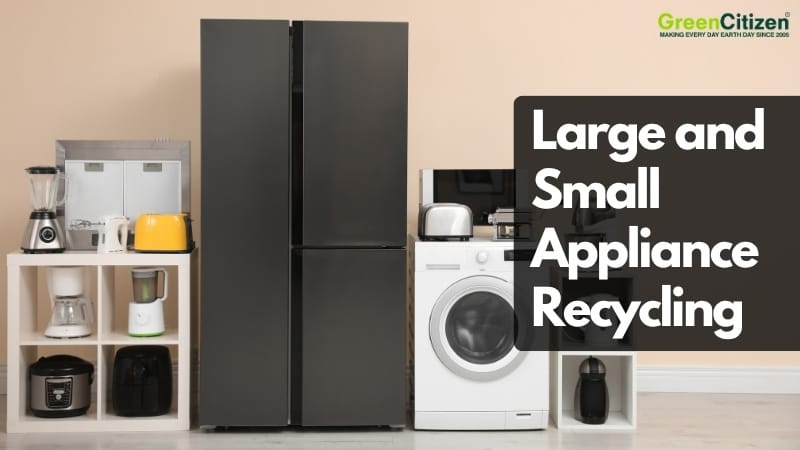
Credit: greencitizen.com
Donation Possibilities
Donation Possibilities Broken kitchen appliances can be donated to organizations for parts or refurbishment. Many local charities or recycling centers accept items for repair. This helps reduce waste while supporting community programs.
When your kitchen appliances break beyond repair, it might seem like the only option is to throw them away. However, you can give them a second life through donation. Many organizations and community programs accept broken appliances for refurbishment or recycling, turning your trash into someone else’s treasure. Let’s explore how you can make a difference through donation.Identify Charitable Organizations
Start by researching local charitable organizations that accept broken appliances. Many charities refurbish these items, providing them to families in need or selling them to fund their initiatives. Contact organizations like Goodwill or the Salvation Army to inquire if they have a repair program. Some may even offer free pickup services, making it easier for you to donate. Do you have a specific charity in mind that aligns with your values? Reach out to them and see if they can accept your donation. Your broken toaster might just be the missing piece in their community program.Consider Community Programs
Community programs often have initiatives for recycling or repairing appliances. Check with your local government or community centers to see if they have any upcoming collection events. Some areas have specific days where you can drop off broken appliances for free. It’s a simple way to contribute to local sustainability efforts. Have you ever considered collaborating with local repair shops? They often welcome broken appliances for parts and may even offer a discount on future repairs in exchange for your donation. Engaging with these programs not only benefits the community but also offers you a hassle-free way to dispose of your broken kitchen appliances responsibly.Professional Disposal Services
Broken kitchen appliances can be disposed of through professional disposal services. These services ensure safe recycling or proper disposal, reducing environmental impact. Choose a certified service provider to responsibly handle appliance waste.
Disposing of broken kitchen appliances can seem daunting. You might wonder what to do with that old refrigerator or dysfunctional dishwasher. Professional disposal services can be a convenient solution. They offer expertise in safely removing and recycling appliances, ensuring you aren’t left with the hassle of figuring out disposal regulations. Plus, they take care of the heavy lifting. But how do you choose the right service for your needs? Let’s dive into the details.Find Certified Disposal Companies
Start by looking for certified disposal companies in your area. Certification ensures they follow environmental regulations and provide ethical disposal methods. You can often find lists of certified companies online or through local government resources. Ask friends or neighbors if they have recommendations. People often have personal experiences with disposal services, which can be invaluable. Remember, it’s not just about finding a company, but finding one that aligns with your values and needs. Some companies specialize in environmentally-friendly disposal, while others may offer more budget-friendly options.Compare Service Costs
Once you’ve identified potential companies, compare their service costs. Prices can vary significantly based on the type of appliance and the company’s disposal methods. Create a simple table listing each company, their services, and prices. This visual comparison can make decision-making easier. Don’t forget to consider any hidden fees. Some companies charge extra for appliance removal or recycling. Always ask for a detailed breakdown of costs before committing. Are you getting the best deal for your money? Balancing cost and quality service is crucial to ensuring your appliances are disposed of responsibly without breaking the bank.Diy Disposal Tips
Recycle small parts at local facilities. Donate working components to charity. Use curbside pickup for large items.
Disposing of broken kitchen appliances might seem daunting, but with a few handy DIY disposal tips, you can manage it effectively and responsibly. Understanding how to dismantle and segregate waste correctly not only helps the environment but can also save you money. Plus, there’s a satisfying sense of accomplishment when you tackle these tasks on your own.Safe Dismantling Techniques
Safety is paramount when dismantling appliances. First, ensure that all appliances are unplugged to avoid any electrical hazards. Use gloves to protect your hands from sharp edges and small parts. Disassembling an appliance can be like solving a puzzle. For instance, removing screws carefully and storing them in a small container helps you keep track of all parts. Have you ever thought about the tiny treasures hidden inside, like copper wires, which can be recycled or sold? Always read the appliance’s manual if available, as it might offer specific tips on safe dismantling.Proper Waste Segregation
Once dismantled, segregating the waste is crucial. Identify and separate recyclable materials such as metals, plastics, and glass. These can often be dropped off at local recycling centers. Consider creating a simple table to categorize parts:| Material | Disposal Method |
|---|---|
| Metals | Recycling Center |
| Plastics | Recycling Bin |
| Glass | Specialized Glass Disposal |
Environmental Impact
When you dispose of broken kitchen appliances, you might not immediately think about the environmental impact. However, these actions can significantly affect the planet. Many appliances contain materials that can harm the environment if not properly disposed of. If you’re mindful about how you discard these items, you can help reduce pollution and conserve resources.
Understand Ecological Benefits
Proper disposal can lead to recycling, which reduces the need for new resources. Recycling metals and plastics from old appliances saves energy and prevents the depletion of natural resources. Imagine saving tons of metal from ending up in a landfill! By recycling, you contribute to a healthier planet and less waste.
Consider the energy savings. Recycling uses less energy than producing new items from raw materials. This leads to fewer emissions and a smaller carbon footprint. You have the power to make a difference with just a little effort.
Avoid Common Disposal Mistakes
It’s easy to make mistakes when disposing of kitchen appliances. Tossing them in the trash is the most common error. Appliances can leak toxic substances into the soil and water. Avoid this by using designated recycling centers.
Another mistake is not checking local regulations. Some areas have specific rules for appliance disposal. You could face fines if you unknowingly break these rules. Stay informed to avoid unnecessary trouble.
Have you ever thought about donating your broken appliances? Some organizations can refurbish them for reuse. Before you discard your broken toaster, check if someone can repair it. Your trash could be someone else’s treasure.
Credit: www.familyhandyman.com
Frequently Asked Questions
How Do I Recycle Broken Kitchen Appliances?
Recycling broken kitchen appliances helps reduce waste. Check with local recycling centers for appliance recycling programs. Many offer pick-up services or drop-off locations. Always remove batteries or hazardous materials before recycling. Some manufacturers also offer take-back programs for old appliances.
This ensures proper disposal and recycling of components.
Can I Donate Broken Kitchen Appliances?
Most charities accept only working appliances. However, some organizations accept broken appliances for parts or repair training. Contact local charities or vocational schools to inquire. They may find value in your broken appliance. Always ensure that the appliance is safe and free of hazardous materials before donation.
Are There Any Fees For Appliance Disposal?
Disposal fees vary by location and service provider. Some recycling centers charge a small fee for appliance drop-off. Others may offer free pick-up services. Check with your local waste management authority for specific fees. Some manufacturers offer free take-back programs, reducing disposal costs.
What Should I Do Before Disposing Of Appliances?
Before disposing, ensure the appliance is clean and free of hazardous materials. Remove any batteries or components that require special handling. Check for local recycling programs or manufacturer take-back services. Proper preparation ensures safe and efficient disposal, minimizing environmental impact.
Conclusion
Disposing of broken kitchen appliances is simple with the right steps. Start by checking local recycling options. Many places offer programs for appliance disposal. Consider donating if the appliance still works. Some organizations can repair and reuse it. Online marketplaces are great for selling parts.
Always remove hazardous materials before disposal. This keeps the environment safe. Proper disposal supports sustainability. It also helps clear space in your home. Remember to handle appliances carefully. Disposal is easier when you plan ahead. Small actions make a big difference.
Let’s all contribute to a cleaner world.