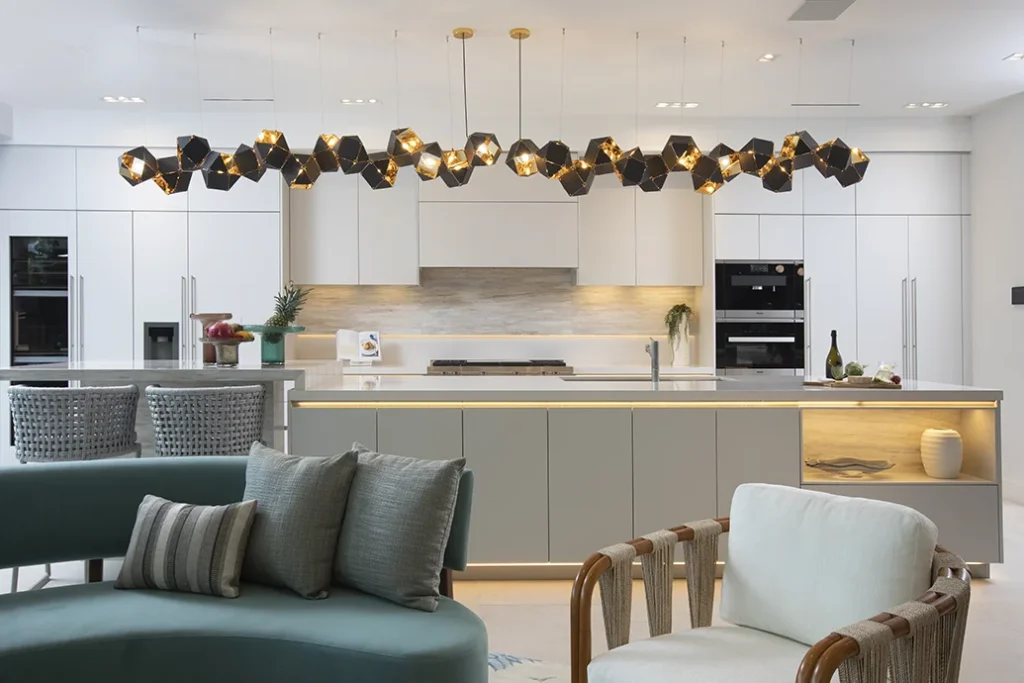
Imagine walking into your kitchen and being welcomed by a warm, inviting glow that makes cooking a joy and family gatherings even more special. The right lighting in your kitchen can transform this essential space from ordinary to extraordinary.
But how do you achieve that perfect balance of function and style? It’s easier than you might think, and you don’t need a design degree to get it right. In this guide, you’ll discover simple yet effective tips to design lighting for your kitchen that not only improves visibility but also enhances the atmosphere.
Whether you’re looking to update your existing setup or planning a complete renovation, understanding how to strategically place and select lighting can make all the difference. Let’s brighten up your kitchen, turning it into a place where you love to cook, eat, and entertain. Keep reading, and you’ll soon see your kitchen in a whole new light.
Importance Of Kitchen Lighting
Kitchen lighting plays a key role in functionality and ambiance. Proper design enhances cooking ease and sets a welcoming mood. Thoughtful placement of lights can highlight work areas and create a cozy atmosphere for gatherings.
Lighting in the kitchen is more than just functional. It sets the mood, enhances safety, and creates an inviting atmosphere. Proper lighting transforms a kitchen from a simple cooking space into the heart of the home.Enhancing Visibility And Safety
Good lighting ensures safety while preparing meals. It illuminates work areas, reducing the risk of accidents. Bright, well-placed lights help you see clearly, whether chopping vegetables or reading a recipe.Creating Ambiance And Mood
Kitchen lighting affects the room’s ambiance. Soft lighting creates a warm, cozy feel for family gatherings. Bright lights are great for active cooking sessions, making the space lively and energetic.Highlighting Design Elements
Strategic lighting highlights kitchen features. It draws attention to beautiful countertops or stylish cabinetry. Accent lights can showcase art pieces or unique architectural details.Improving Energy Efficiency
Energy-efficient lighting saves money and resources. LED lights are a great choice for kitchens. They use less energy and last longer than traditional bulbs.Supporting Multitasking
A kitchen serves many functions. Task lighting supports cooking, reading, and socializing. Different zones need varied lighting to accommodate diverse activities.Customization And Control
Modern kitchens benefit from adjustable lighting. Dimmer switches allow control over light intensity. This flexibility enhances usability throughout different times of the day.Adding Value To Your Home
Well-designed kitchen lighting increases home value. Prospective buyers appreciate a beautifully lit kitchen. It’s a selling point that stands out in property listings.
Credit: k-c-a.co.uk
Types Of Kitchen Lighting
Designing kitchen lighting involves choosing ambient, task, and accent lights. Ambient lights provide overall illumination for the space. Task lighting focuses on work areas like countertops and sinks. Accent lighting highlights decorative elements, adding depth and style.
Designing kitchen lighting requires thoughtful planning. Lighting enhances functionality and creates a welcoming space. Three types of lighting play a crucial role: ambient, task, and accent lighting. Each type serves a specific purpose and complements the kitchen’s design.Ambient Lighting
Ambient lighting provides general illumination. It ensures the kitchen is well-lit and comfortable. Ceiling fixtures like chandeliers or recessed lights are common choices. They distribute light evenly across the room. Pendant lights can add style and warmth. Choose bulbs with a soft glow for a cozy atmosphere. Ambient lighting sets the stage for other lighting layers.Task Lighting
Task lighting focuses light where activities happen. It helps with food preparation and cooking. Under-cabinet lights are popular for brightening countertops. They minimize shadows and improve visibility. Install task lights near the stove and sink. Adjustable fixtures work best for directed light. Task lighting enhances precision and safety in the kitchen.Accent Lighting
Accent lighting highlights specific features. It adds depth and dimension to the space. Use it to showcase artwork or architectural elements. LED strip lights can accentuate open shelves. Spotlights draw attention to decorative pieces. Accent lighting creates visual interest and adds character. It transforms the kitchen into an inviting area. Understanding these lighting types ensures a well-lit kitchen. They contribute to functionality and aesthetic appeal. Proper lighting design enhances the kitchen’s overall ambiance.Choosing The Right Fixtures
Your kitchen is not just a place for cooking; it’s where you gather with family, experiment with new recipes, and enjoy meals together. Choosing the right lighting fixtures can transform this vital space into a functional and inviting environment. With so many options available, how do you decide which fixtures will best illuminate your kitchen?
Ceiling Fixtures
Ceiling fixtures are the backbone of kitchen lighting. They provide general illumination and set the mood. A flush-mount ceiling light is ideal for smaller kitchens, offering bright, widespread light. If you have a larger kitchen, consider a semi-flush mount or chandelier to add style. Think about the height of your ceiling — a fixture that hangs too low can be a nuisance.
Under-cabinet Lights
Under-cabinet lights are perfect for task lighting. They illuminate countertops, making chopping vegetables and reading recipes easier. LED strip lights are a popular choice due to their energy efficiency and sleek design. Consider adjustable color temperatures for versatility — warm light for dining and cool light for cooking.
Pendant Lights
Pendant lights add a touch of elegance and can highlight specific areas like an island or dining table. Choose pendants that complement your kitchen’s style, whether modern or rustic. Remember spacing; too many pendants can clutter the space, while too few may not provide enough light. How will your choice impact the ambiance?
As you explore these options, think about your kitchen’s layout and how each fixture will serve your daily needs. Your choices will not only affect functionality but also the atmosphere you create. Are you ready to let your kitchen shine?

Credit: tj2lighting.com
Energy Efficiency In Kitchen Lighting
Designing an energy-efficient kitchen involves more than just appliances. Lighting plays a crucial role too. Efficient kitchen lighting saves money and reduces energy consumption. It also enhances the kitchen’s overall ambiance and functionality.
Led Lights
LED lights are a popular choice for energy-efficient lighting. They consume less power and have a longer lifespan. This makes them cost-effective in the long run. LEDs emit less heat, keeping your kitchen cooler. They are available in various colors and designs. This allows you to match the decor of your kitchen easily.
Smart Lighting Solutions
Smart lighting solutions offer convenience and efficiency. You can control these lights with your smartphone or voice commands. This allows you to adjust brightness and color based on your needs. Smart lighting systems often include motion sensors. These sensors turn off lights when the kitchen is not in use. This helps save energy and extends the bulb’s life.
Design Tips For Different Kitchen Styles
Creating the right kitchen lighting enhances both function and style. Task lighting under cabinets aids in meal prep. Pendant lights add character above islands, while ambient lighting ensures a cozy atmosphere.
Designing lighting for a kitchen involves understanding different styles. Each kitchen style requires a unique lighting approach. The right lighting enhances aesthetics and functionality. Here are some design tips for various kitchen styles.Modern Kitchens
Modern kitchens benefit from sleek and minimal lighting. Use pendant lights with clean lines. LED strips under cabinets add a futuristic touch. Recessed lighting offers a clutter-free look. Consider dimmable options for flexibility. Choose fixtures in metallic or matte finishes. This complements the modern aesthetic.Traditional Kitchens
Traditional kitchens require warm, inviting lighting. Chandeliers add elegance and charm. Wall sconces provide ambient light. Use warm-toned bulbs for a cozy feel. Consider antique or vintage-style fixtures. These enhance the classic design elements. Layered lighting creates depth and warmth.Small Kitchens
Small kitchens need strategic lighting solutions. Maximize light with reflective surfaces. Under-cabinet lights are crucial for task areas. Pendant lights save space and add style. Opt for bright, energy-efficient bulbs. Mirrors or glossy finishes can enhance light spread. Keep fixtures simple to avoid clutter.Enhancing Safety With Proper Lighting
Designing lighting for the kitchen involves creating a bright, welcoming space. Proper lighting reduces shadows and improves safety. Focus on layering ambient, task, and accent lights for optimal results.
Enhancing safety in the kitchen starts with proper lighting. A well-lit kitchen prevents accidents and ensures a smooth cooking experience. Adequate lighting helps you see clearly, avoiding any mishaps.Understanding The Importance Of Task Lighting
Task lighting focuses on specific work areas. It illuminates countertops, sinks, and stoves. This type of lighting reduces shadows and brightens the workspace. LED strips under cabinets work great for this purpose. They provide direct light where you need it most.Choosing The Right Bulbs For Clarity
Bulb choice affects visibility and safety in your kitchen. Opt for bulbs with a cool white tone. They offer better clarity and mimic daylight. This helps you see colors accurately, reducing errors. LEDs are energy-efficient and last longer, making them a smart choice.Positioning Lights For Maximum Coverage
Proper light positioning ensures even coverage. Place lights strategically to avoid dark corners. Recessed lighting works well for general illumination. Pendant lights add style and function over islands or dining areas. Ensure all key areas are well-lit to enhance safety.Utilizing Dimmers For Flexibility
Dimmers add flexibility to your kitchen lighting. They allow you to adjust brightness as needed. Lower light levels during relaxed meals create ambiance. Brighten up while cooking for better visibility. This versatility enhances both safety and comfort. Natural light is a valuable asset in any kitchen. Large windows or skylights bring in daylight. This reduces the need for artificial lighting during the day. Natural light also improves mood and reduces eye strain. Ensure window treatments don’t block out too much light.Common Mistakes To Avoid
Proper kitchen lighting design avoids shadows on work surfaces. Balance task, ambient, and accent lights for efficiency. Choose energy-efficient bulbs to reduce glare and save power.
When designing kitchen lighting, you might think it’s as simple as picking a few fixtures and moving on. However, the truth is, overlooking certain aspects can lead to a poorly lit space that feels more like a dungeon than the heart of your home. Avoid these common mistakes to ensure your kitchen is as functional and inviting as you envision.Ignoring Layered Lighting
One of the biggest mistakes is relying on a single light source. A central ceiling fixture might not provide adequate illumination for all your kitchen tasks. Consider layering different types of lighting: ambient, task, and accent lighting. This combination ensures every corner of your kitchen is well-lit and functional.Overlooking Task Lighting
Cooking and preparing food requires good visibility, yet many people skip installing task lighting. Under-cabinet lighting is a fantastic way to illuminate your countertops and cooking areas. It eliminates shadows and makes chopping vegetables less of a hazard.Choosing Style Over Function
It’s easy to get swept away by trendy fixtures that catch your eye. However, if they don’t provide adequate light, they’re not serving their primary purpose. Always prioritize function first, and then find fixtures that meet your aesthetic preferences.Not Considering Color Temperature
The color temperature of your bulbs can dramatically affect the ambiance of your kitchen. A bulb that’s too cool might make the space feel sterile, while a too-warm bulb could make it feel dingy. Aim for a balanced, neutral tone that complements your kitchen’s design and feels natural.Skipping Dimmer Switches
A dimmer switch offers flexibility for your kitchen lighting. It allows you to adjust the brightness according to the time of day or the mood you wish to create. Without dimmers, you miss out on this adaptability and might find your lighting too harsh or too dim at times.Forgetting About Energy Efficiency
Energy-efficient bulbs are not only better for the environment, but they also save you money on your energy bills. Opt for LED bulbs, which last longer and consume less power compared to traditional bulbs. This simple switch can have long-term benefits for both your wallet and the planet.Neglecting Natural Light
Sometimes, the best lighting doesn’t come from a bulb at all. If your kitchen has windows, make the most of the natural light they provide. Position your fixtures to complement this natural light rather than compete with it, enhancing the overall lighting of the space. Avoid these pitfalls, and you’ll create a kitchen environment that’s not only beautiful but also highly functional. What lighting changes can you make today to transform your kitchen into a brighter, more welcoming space?Incorporating Natural Light
Incorporating natural light in kitchen design enhances brightness and creates a warm, inviting atmosphere. Position windows strategically to maximize sunlight. Skylights can be a great addition for increasing natural illumination.
Incorporating natural light into your kitchen design is more than just an aesthetic choice—it’s a chance to create a warm, inviting space that feels open and refreshing. Natural light can transform the mood of your kitchen, making it a more pleasant space for cooking, dining, and socializing. Let’s look at how you can maximize this natural resource through strategic window placements and skylight installations.Window Placement
The placement of windows can dramatically impact the amount of natural light your kitchen receives. Consider the direction your windows face. South-facing windows usually bring in the most sunlight throughout the day, while east-facing ones capture the gentle morning light. Think about the size of your windows as well. Larger windows naturally allow more light in, but even smaller, strategically placed ones can brighten up darker corners. Adding a window above your sink or countertop not only enhances your cooking experience with natural views but also boosts the overall illumination.Skylights
Skylights are a fantastic option for bringing light into kitchens that lack wall space for windows. They offer a direct path for sunlight, making your space feel larger and more airy. Unlike windows, skylights can flood the room with light without compromising privacy. When selecting skylights, consider their placement to avoid excessive heat during summer. Some skylights come with shades or tints to control the light and temperature. Think about the style as well—flat skylights blend seamlessly with modern designs, while domed versions can add an architectural touch to traditional kitchens. Adding natural light to your kitchen isn’t just about aesthetics; it’s about creating a functional and joyful space. How will you embrace natural light in your kitchen design?
Credit: k-c-a.co.uk
Frequently Asked Questions
What Are The Best Lighting Types For Kitchens?
The best kitchen lighting types are ambient, task, and accent lighting. Ambient lighting provides overall illumination. Task lighting focuses on specific areas like countertops. Accent lighting highlights features like cabinets or art. Combining these creates a functional and inviting kitchen space.
How Do I Choose Kitchen Light Fixtures?
Choose kitchen light fixtures based on style, functionality, and energy efficiency. Consider the kitchen’s decor and layout. Opt for LED fixtures to save energy. Ensure they provide adequate light for cooking and dining tasks. A blend of pendant, recessed, and under-cabinet lights can enhance the kitchen’s ambiance.
How To Layer Lighting In The Kitchen?
Layering lighting involves using multiple light sources for different purposes. Start with ambient lighting for overall illumination. Add task lighting for work areas like countertops and the stove. Incorporate accent lighting to highlight decor and architectural features. This creates a balanced, functional, and aesthetically pleasing kitchen environment.
How Can I Make A Small Kitchen Look Brighter?
To brighten a small kitchen, use reflective surfaces and light colors. Install under-cabinet lighting to illuminate countertops. Use pendant lights to add style and depth. Maximize natural light by keeping windows unobstructed. Mirrors can also help reflect light, making the space appear larger and brighter.
Conclusion
Brighten your kitchen with thoughtful lighting choices. Consider task lighting for cooking areas. Accent lights can highlight decor and create warmth. Ambient lighting ensures overall visibility. Mix and match fixtures for a balanced look. Ensure energy efficiency with LED bulbs.
Dimmer switches offer flexibility for mood setting. Safety is crucial; avoid shadows in work zones. Experiment with styles that match your kitchen theme. Keep it practical and stylish. Proper lighting transforms your kitchen into a welcoming space. Enjoy a well-lit kitchen that meets your needs and enhances your home.