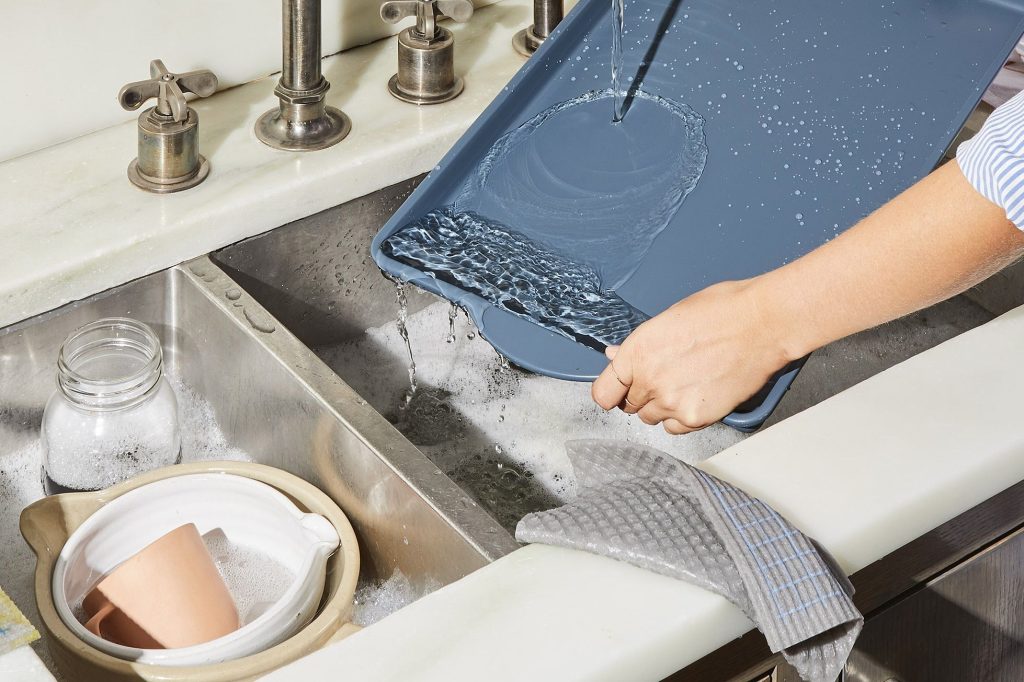
Imagine stepping into your kitchen and finding it sparkling clean, organized, and inviting. How does that make you feel?
A clean kitchen is more than just visually appealing; it’s the heart of your home where you create delicious meals and memories. But, achieving that spotless kitchen can seem overwhelming. You might wonder where to start, what products to use, or how to tackle those stubborn stains.
Don’t worry! We’re here to guide you through simple, effective steps that will transform your kitchen into a spotless haven. By the end of this article, you’ll not only know how to clean your kitchen efficiently, but you’ll also feel motivated and confident to maintain that pristine space. Ready to discover the secrets to a cleaner kitchen? Let’s dive in!
Organizing Cleaning Supplies
Cleaning the kitchen becomes easier with organized supplies. Store similar items together for quick access. Keep cleaners and cloths in a designated spot to save time.
Organizing your cleaning supplies is more than just a chore—it’s a way to streamline your kitchen routine and boost your efficiency. Imagine reaching for a cleaner and finding it instantly, without rummaging through a chaotic pile. A well-organized cleaning arsenal can make the daunting task of kitchen cleaning much more manageable and, dare we say, enjoyable.Choose A Dedicated Space
Designate a specific spot in your kitchen for cleaning supplies. It could be under the sink, in a pantry, or a dedicated closet. Having a consistent location helps you know exactly where to find what you need, saving you time.Use Clear Containers
Store your supplies in clear, labeled containers. This allows you to see what’s inside at a glance, and labels help keep everything in its rightful place. Consider using stackable bins to maximize vertical space.Install Hooks And Shelves
Utilize vertical space by installing hooks or shelves inside cabinet doors. Hooks can hold brushes or towels, while shelves can store spray bottles and other essentials. This approach keeps items off the floor and within easy reach.Group Similar Items
Arrange your cleaning products by type or use. Group all-purpose cleaners together, separate from specialty products like oven or stainless-steel cleaners. This categorization makes it easy to grab what you need for specific tasks.Keep A Checklist
Maintain a checklist of your cleaning supplies. A simple inventory ensures you never run out of essentials like dish soap or sponges. This practice also prevents over-purchasing, saving you both space and money.Evaluate And Discard
Periodically review your cleaning supplies. Discard expired or unused products to make room for the items you actually use. This keeps your space clutter-free and ensures you’re only storing effective, necessary supplies. Have you ever wondered how much time you lose searching for a misplaced cleaner? By organizing your supplies, you reclaim those precious minutes, adding a sense of calm and control to your cleaning routine. What creative storage solutions have you found helpful in your kitchen?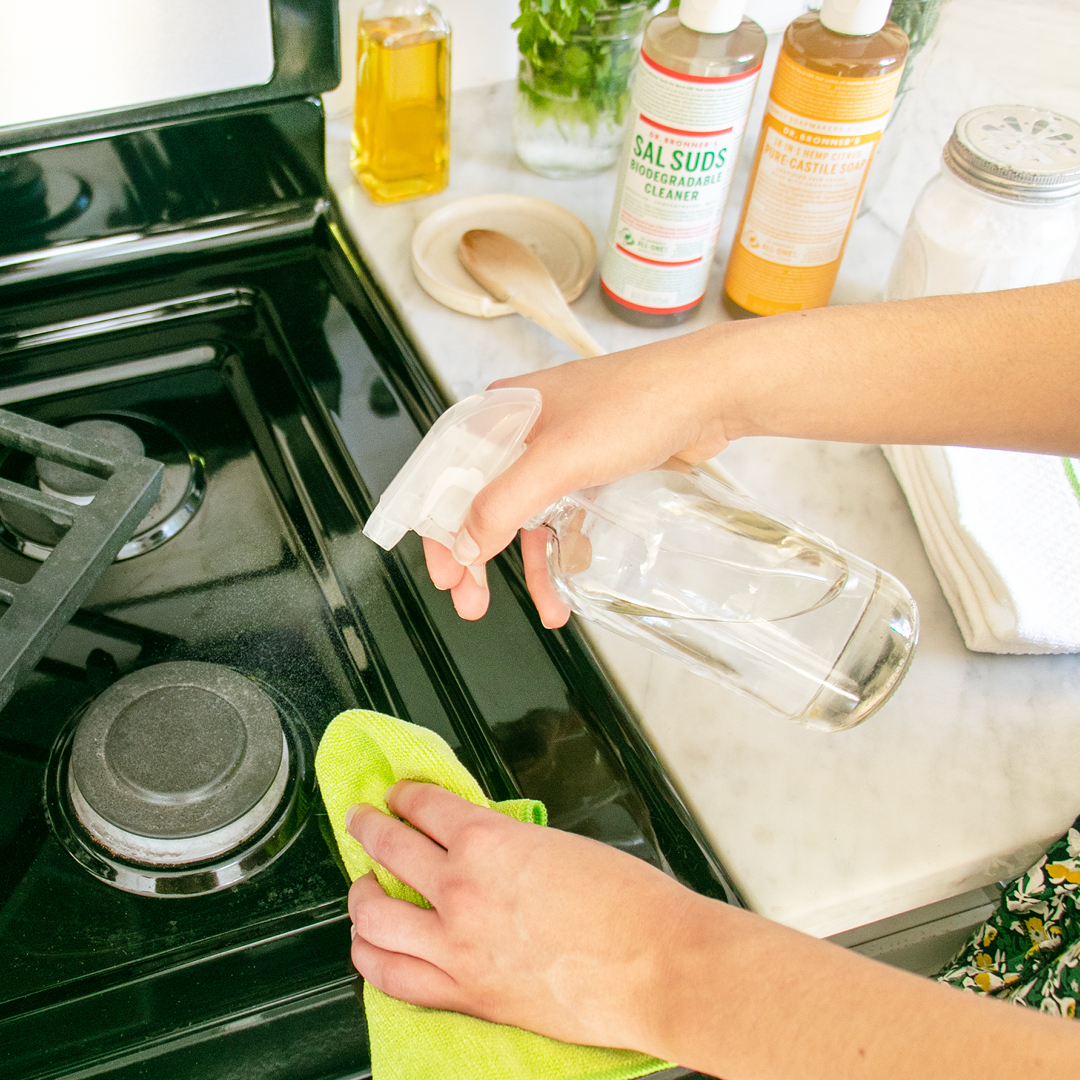
Credit: www.lisabronner.com
Efficient Countertop Cleaning
Efficient countertop cleaning begins with removing debris and crumbs. Use a damp cloth and mild soap for stubborn stains. Regular maintenance ensures a sparkling and hygienic kitchen surface.
Efficient countertop cleaning keeps your kitchen fresh and sanitary. It involves removing stains and spills promptly and using the right cleaners. This ensures a clean and attractive kitchen space.Choosing The Right Cleaners
Select cleaners based on your countertop material. Granite and marble need gentle cleaners. Soapstone and quartz require non-abrasive solutions. Check labels for compatibility. Homemade cleaners work well on most surfaces. Mix vinegar and water for a natural solution. Avoid harsh chemicals that may damage the finish.Removing Stains And Spills
Address spills quickly to avoid stains. Blot liquids with a soft cloth. Don’t rub; this spreads the spill. For tougher stains, use baking soda paste. Apply and let sit for 15 minutes, then rinse. Lemon juice helps with stubborn marks. Always test on a small area first. Regular cleaning prevents buildup. Wipe counters daily for best results.Sink And Faucet Care
Regular cleaning keeps your kitchen sink and faucet shining. Use mild soap and water for everyday grime. For tough stains, a mix of vinegar and baking soda works wonders. Remember to rinse thoroughly to prevent residue buildup and maintain a sparkling finish.
The kitchen sink and faucet endure daily use, making regular care essential. Keeping them clean ensures hygiene and prolongs their lifespan. A clean sink and shiny faucet can elevate your kitchen’s overall look.Disinfecting Techniques
To disinfect the sink, use a gentle cleaner. White vinegar works well. Spray vinegar all over the sink. Let it sit for 10 minutes. This helps kill bacteria. Rinse with warm water. For stubborn stains, use baking soda. Sprinkle it on the sink. Scrub gently with a soft brush. Faucets need attention too. Use a cloth soaked in vinegar. Wipe down the faucet. Pay attention to small crevices. This prevents build-up of grime.Polishing For Shine
Polishing makes your sink and faucet sparkle. Use a microfiber cloth for best results. Dry the sink after cleaning. This prevents water spots. Apply a small amount of olive oil to the cloth. Buff the sink with the cloth in circular motions. For the faucet, polish with the same cloth. Be gentle to avoid scratches. Focus on the handles and spout. This gives the faucet a nice shine. Regular polishing keeps them looking new. By following these steps, your kitchen will look pristine and welcoming.Stovetop And Oven Maintenance
Cleaning kitchen appliances ensures their longevity and efficiency. Regularly wipe stovetops with mild detergent. Remove oven racks and clean with soapy water for optimal performance.
Maintaining a clean stovetop and oven is essential for a hygienic kitchen and can prevent unwanted odors and smoke from lingering in your home. Daily upkeep and occasional deep cleaning can extend the life of your appliances and make your cooking environment much more pleasant. Let’s dive into some practical tips that will help you keep these vital parts of your kitchen sparkling clean.Daily Wipe-downs
A quick daily wipe-down can save you loads of time in the long run. After cooking, allow the stovetop to cool down before wiping it with a damp cloth and some mild detergent. This simple routine can prevent grease and food particles from becoming stubborn stains. Incorporate this task into your evening routine to make it second nature. You might even find it satisfying to see a gleaming stovetop after a long day. Consider keeping a small spray bottle of vinegar and water nearby for a natural cleaning solution. This can be especially handy if you have kids or pets and prefer to avoid harsh chemicals.Deep Cleaning Methods
For deep cleaning, a more thorough approach is necessary. Start by removing the grates and burner caps and soaking them in warm soapy water. While they soak, use a non-abrasive scrubber to tackle the stovetop surface. Baking soda can be a great ally for stubborn spots. Sprinkle it on the stains, add a little water to form a paste, and let it sit for 15 minutes before scrubbing. When it comes to the oven, consider using a homemade mixture of baking soda and vinegar. Apply the paste, let it sit overnight, and wipe it clean in the morning. Check your oven’s manual for any specific cleaning instructions or self-cleaning features. Have you ever wondered if your oven’s self-cleaning function is more effective than manual cleaning? Giving it a try might just save you some elbow grease. By keeping your stovetop and oven clean, you contribute to the overall efficiency and safety of your kitchen. What’s your go-to method for tackling tough stains?Refrigerator Freshness
Cleaning your kitchen involves ensuring refrigerator freshness. Regularly check and remove expired food items. Wipe shelves and drawers with a mild detergent. This helps maintain a fresh, hygienic environment, preventing food odors and bacteria.
Refrigerator Freshness Keeping your refrigerator fresh is crucial not only for maintaining the taste of your food but also for ensuring a healthy kitchen environment. A clean and organized fridge can help you reduce food waste and even save money. Imagine reaching for your favorite snack only to find it spoiled because it was hidden behind other items. Let’s dive into the details on how you can transform your refrigerator into a fresh and efficient space.Organizing Shelves
The key to a fresh refrigerator often lies in how you organize your shelves. Start by categorizing items based on their type and frequency of use. Place frequently used items at the front where they are easily accessible. Consider using clear bins or baskets to group similar items. This will not only keep things tidy but also make it easier to spot what’s running low. You’ll thank yourself later when you can instantly see what’s missing before heading to the grocery store.Deodorizing Solutions
Unpleasant odors can quickly turn your fridge from fresh to funky. Combat this by using natural deodorizing solutions. Baking soda is a classic choice; placing an open box in your fridge can absorb unwanted smells effectively. For a more aromatic approach, try a bowl of freshly ground coffee or activated charcoal. Both are excellent odor absorbers and can leave your fridge smelling pleasant. Have you ever considered using vanilla extract for a quick fix? A few drops on a cotton ball can provide a sweet scent, giving your refrigerator an instant refresh.Cabinet And Drawer Tidiness
Keeping your kitchen cabinets and drawers tidy is essential. A clean and organized kitchen can make cooking more enjoyable. It also helps in finding items quickly. Let’s explore some effective ways to tidy up your kitchen storage spaces.
Dusting And Wiping
Start by emptying the cabinets and drawers. This makes cleaning easier. Use a damp cloth to remove dust and dirt. Wipe all surfaces, including corners and edges. For stubborn stains, use a gentle cleaner. Allow surfaces to dry completely before refilling.
Organizational Tips
Group similar items together for easy access. Consider using baskets or bins to separate items. Label containers for quick identification. Store frequently used items at the front. This reduces time spent searching.
Arrange items by size and use. Keep heavier items on lower shelves. Use drawer dividers for smaller kitchen tools. This prevents clutter and keeps everything in place.
Floor Cleaning Strategies
Maintaining a clean kitchen floor is crucial for a healthy home environment. Effective floor cleaning strategies can make this task easier and more efficient. From sweeping to mopping, the right approach ensures your kitchen floor stays spotless and germ-free.
Sweeping And Mopping
Sweeping is the first step in keeping your kitchen floor tidy. A soft-bristle broom works best for removing loose dirt and debris. Make sure to sweep under furniture and appliances to get all hidden particles. Use long, even strokes for thorough cleaning.
Mopping follows sweeping to tackle sticky residues. Select a suitable mop for your floor type—microfiber mops are versatile and gentle. Use a mild detergent mixed with warm water for effective cleaning. Avoid overly wetting the floor to prevent damage.
Dealing With Tough Spots
Tough spots require special attention and solutions. For stubborn stains, vinegar and baking soda can work wonders. Sprinkle baking soda over the stain, then spray vinegar. Let it fizz and soak for a few minutes before scrubbing.
For grease stains, a mix of dish soap and hot water is effective. Apply the solution directly to the stain and scrub gently with a sponge. Always rinse thoroughly to avoid sticky residues.
:max_bytes(150000):strip_icc()/9ThingsYouShouldCleaninYourKitchenEveryWeek-28c9ca430069452181b75b201c65d16e.jpg)
Credit: www.eatingwell.com
Regular Maintenance Schedule
Creating a regular maintenance schedule for kitchen cleaning ensures a spotless and hygienic environment. Focus on wiping surfaces, cleaning appliances, and organizing spaces. Consistent practices prevent grime build-up and maintain a welcoming kitchen atmosphere.
Maintaining a clean kitchen is essential for a healthy home. A regular maintenance schedule helps keep your kitchen tidy and germ-free. This plan saves time and makes cleaning less overwhelming.Weekly Routines
Set aside time each week for basic cleaning. Wipe down countertops and surfaces with a mild cleaner. Clean the stovetop to remove spills and splatters. Sweep and mop the floor to catch crumbs and dirt. Empty the trash and replace the liner. Check the fridge for expired items and wipe the shelves. Organize the pantry and store items neatly. This keeps your kitchen fresh and inviting.Monthly Deep Clean
Once a month, dedicate time for a deep clean. Clean the oven and remove baked-on grease. Use a gentle cleaner to scrub the inside. Empty the refrigerator completely. Remove shelves and drawers to wash them. Clean the freezer and discard old food. Dust and wipe down cabinet doors and handles. Clean and sanitize the sink and faucet. Remove lime buildup or stains. Wash windows to let in more light. Dust light fixtures and replace bulbs if needed. Organize under the sink. Check for leaks or drips. These tasks help maintain a sparkling kitchen. They also extend the life of appliances. Regular cleaning prevents the buildup of dirt and grime. Your kitchen stays a welcoming space for family and friends.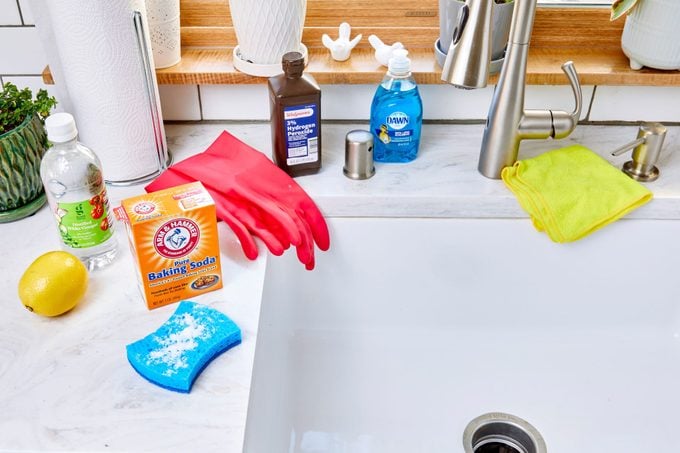
Credit: www.rd.com
Frequently Asked Questions
How Often Should I Clean My Kitchen?
Cleaning your kitchen daily prevents bacteria and odors. Wipe surfaces and wash dishes after each use. Deep clean weekly, including appliances and floors, for a hygienic space. Regular maintenance helps keep your kitchen fresh and safe.
What Tools Are Best For Kitchen Cleaning?
Microfiber cloths, sponges, and non-abrasive scrubbers are great for kitchen cleaning. Use disinfectant sprays for countertops. Baking soda and vinegar tackle tough stains. A vacuum or broom keeps floors dirt-free. Proper tools ensure effective and efficient cleaning.
How To Clean Kitchen Appliances Safely?
Unplug appliances before cleaning. Use mild detergents for exterior surfaces. For interiors, a mixture of vinegar and water works well. Avoid harsh chemicals that can damage surfaces. Regular maintenance extends appliance life and ensures safety.
Can Vinegar Be Used For Kitchen Cleaning?
Yes, vinegar is a natural cleaner. It’s effective for removing stains, odors, and grease. Mix with water for surfaces and appliances. It’s eco-friendly and safe for most kitchen surfaces. However, avoid using it on granite or marble countertops.
Conclusion
A clean kitchen makes cooking enjoyable and safe. Regular cleaning prevents germs. Focus on countertops and sinks. Wipe spills immediately to avoid stains. Organize your kitchen items for easy access. Use mild cleaners to protect surfaces. Clean appliances weekly for better performance.
Keep trash bins sealed to avoid odors. Always wash dishes promptly. A tidy kitchen boosts mood and efficiency. Remember, a little effort goes a long way. Consistency is key. Enjoy your clean and welcoming kitchen space.