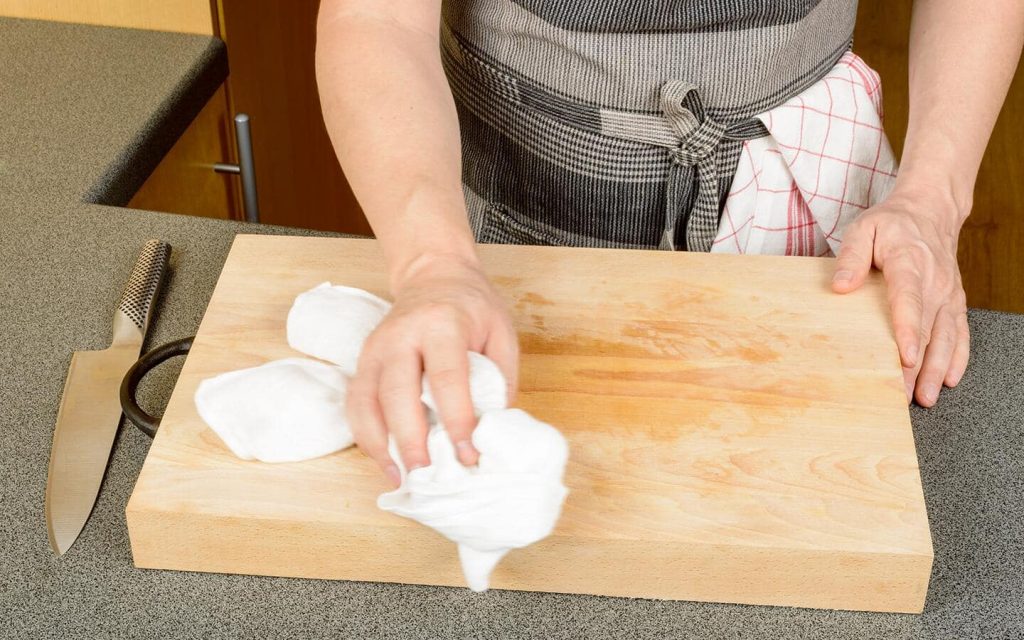
When was the last time you gave your kitchen bread board a good cleaning? If you’re like many home cooks, it might have been a while.
Bread boards are a staple in any kitchen, but they can quickly become a breeding ground for germs if not properly cleaned. Imagine slicing your favorite loaf of bread on a board teeming with bacteria. Not very appetizing, right? But don’t worry, keeping your bread board clean doesn’t have to be a daunting task.
With a few simple steps, you can ensure your board is as spotless as the rest of your kitchen. We’ll show you exactly how to clean your bread board effectively and keep it looking fresh and inviting. You’ll learn the tricks that not only protect your health but also extend the life of your bread board. Ready to uncover the secrets to a cleaner kitchen? Let’s dive in.
Types Of Bread Boards
Cleaning bread boards involves using warm soapy water and a gentle scrub. Dry thoroughly to prevent warping. For deeper cleaning, scrub with coarse salt and lemon, then rinse.
In every kitchen, bread boards are essential tools. They serve different purposes and come in various materials. Each type of bread board requires specific cleaning methods. Understanding these differences helps maintain their longevity and hygiene.Wooden Bread Boards
Wooden bread boards add a rustic charm to any kitchen. They are durable and gentle on knives. Yet, they require special care. Always avoid soaking them in water. Water can warp and crack the wood. Use warm, soapy water for cleaning. Rinse and dry immediately with a clean towel. Regularly oiling your wooden board keeps it in top condition.Plastic Bread Boards
Plastic bread boards are lightweight and easy to handle. They are less expensive than wood and glass boards. Unlike wooden boards, they can go in the dishwasher. This makes them convenient to clean. Yet, they can develop scratches over time. Scratches can harbor bacteria. Regularly inspect your plastic board for signs of wear. Replace it if deep scratches appear.Glass Bread Boards
Glass bread boards are the easiest to clean. Their non-porous surface resists stains and odors. You can wash them in a dishwasher without worry. They are also resistant to scratches. Yet, they are hard on knife edges. Glass boards can be slippery. Ensure they have non-slip feet for safety. Handle with care to avoid breakage.Importance Of Regular Cleaning
Regular cleaning of bread boards in your kitchen is crucial for maintaining hygiene and preventing the growth of harmful bacteria. These boards are often used for various types of food, including raw meat, vegetables, and bread, which can leave behind residues and germs. By cleaning your bread boards regularly, you ensure the safety of your food preparation surfaces and contribute to the overall cleanliness of your kitchen.
Why Regular Cleaning Matters
Think about all the ingredients that come into contact with your bread board. Each one leaves traces that can harbor bacteria. If you skip cleaning, these germs can transfer to the next item you chop, slice, or serve. Regular cleaning helps eliminate these risks, keeping your meals safe and your family healthy.
Preventing Cross-contamination
Imagine preparing a fresh salad on a bread board that was used for cutting raw chicken. Without proper cleaning, you’re risking cross-contamination, which can lead to foodborne illnesses. Washing and sanitizing your bread boards after each use prevents this issue, ensuring each meal is prepared on a clean surface.
Preserving The Life Of Your Bread Board
Beyond hygiene, regular cleaning can extend the life of your bread boards. Food particles and moisture can damage the wood or material of the board over time. By keeping them clean and dry, you maintain their quality and functionality, avoiding the need for frequent replacements.
Simple Cleaning Routine
- After each use, rinse your bread board with warm water.
- Use a mild detergent and a scrub brush to remove food residues.
- Dry the board thoroughly to prevent moisture damage.
- Occasionally, apply a food-safe mineral oil to wooden boards to keep them conditioned.
Have You Checked Your Bread Board Lately?
Take a moment to inspect your bread board. Are there lingering stains or odors? If so, it might be time for a more thorough cleaning. Consider using vinegar or baking soda for tougher stains. Ensuring your boards are spotless not only helps with meal prep but also adds a touch of pride to your kitchen routine.
Cleaning Methods For Wooden Boards
Clean bread boards with warm soapy water and a soft sponge. Rinse thoroughly to remove soap. Dry completely to prevent warping.
Wooden bread boards are a staple in many kitchens, cherished for their rustic charm and durability. However, maintaining their pristine condition requires specific cleaning techniques. Unlike plastic or glass, wooden boards demand gentle care to preserve their natural beauty and functionality. Let’s delve into the best practices to keep your wooden bread boards in top shape.Natural Cleaning Solutions
When cleaning wooden boards, consider using natural solutions. These not only protect the wood but also avoid harsh chemicals that might seep into your food. A mixture of vinegar and water can be effective. Simply wipe the board with a cloth dampened in this solution. Lemon and coarse salt are another excellent duo. Sprinkle salt on the board, then rub it with a lemon half. This method not only cleans but also deodorizes, leaving your board fresh and inviting.Avoiding Water Damage
Water is a silent enemy of wooden boards. Excessive moisture can lead to warping and splitting, compromising the board’s integrity. Always ensure your board is thoroughly dried after cleaning. Avoid submerging it in water or leaving it in a damp sink. Instead, use a dry towel to wipe it down. Consider standing it upright in a well-ventilated area to air dry completely.Oil Treatment For Longevity
To extend the life of your wooden board, regular oil treatment is essential. Mineral oil or a specially designed cutting board oil can keep the wood hydrated and prevent cracks. Apply a generous amount of oil, then let it soak overnight. This treatment not only maintains the board’s condition but also enhances its appearance, bringing out the natural grain and color. Have you ever noticed how a well-oiled board gleams with vitality? It’s a simple task that pays dividends in longevity and aesthetics. Treat your wooden board like the valuable kitchen tool it is, and it will serve you well for years to come.Cleaning Techniques For Plastic Boards
Plastic boards are common in many kitchens. They’re durable and easy to maintain. Yet, proper cleaning is essential to ensure hygiene. Let’s explore some effective techniques.
Effective Sanitization
Sanitizing plastic boards helps keep them germ-free. Start by washing the board with hot, soapy water. Rinse it thoroughly to remove soap residues. For deeper cleaning, mix one tablespoon of bleach with a gallon of water. Soak the board in this solution for a few minutes. Rinse well after soaking to ensure no bleach remains.
Preventing Stains
Plastic boards can stain over time. To prevent this, clean immediately after use. Use baking soda paste for stubborn stains. Apply the paste, then scrub gently. Rinse with water to reveal a clean surface. For regular maintenance, vinegar is effective. Wipe the board with vinegar to remove odors and minor stains.
Maintaining Glass Boards
Clean kitchen bread boards using warm, soapy water and a soft sponge. Rinse thoroughly and dry with a towel. Regular cleaning prevents bacteria buildup and maintains hygiene.
Maintaining Glass Boards Glass boards add a modern touch to any kitchen, but they require special care to maintain their pristine look. Unlike wooden or plastic boards, glass boards are less porous, making them resistant to stains and odors. However, they can still accumulate residue and scratches if not handled properly.Safely Removing Residue
To keep your glass board spotless, start by rinsing it under warm water to remove any loose particles. Use a soft sponge with a mild dish soap to gently scrub the surface, ensuring all food residue is lifted. Avoid using abrasive pads that can dull the glass finish over time. If your board has stubborn spots, a mixture of baking soda and water can work wonders. Let it sit for a few minutes before wiping it away with a soft cloth. Rinsing thoroughly is crucial to ensure no soap or baking soda remains.Preventing Scratches
Scratches on a glass board not only look unsightly but can also become a breeding ground for bacteria. Always use a sharp knife as dull knives can slip and cause more scratches. Consider placing a silicone mat beneath the board to add an extra layer of protection against accidental slips. Are you storing your glass board correctly? Placing it in a drawer without padding can lead to scratches from other utensils. Instead, store it upright in a dedicated slot or use a cloth between stacked items to protect the surface. By taking these steps, you can ensure your glass board remains a gleaming centerpiece in your kitchen. How do you protect your kitchen tools to extend their lifespan?
Credit: www.instagram.com
Expert Advice On Cleaning Frequency
Bread boards need regular cleaning for hygiene. Wash them with warm, soapy water after each use. Scrub both sides and dry thoroughly to prevent bacteria.
Cleaning frequency is key for kitchen hygiene. Experts say regular cleaning keeps bacteria away. But how often should bread boards be cleaned? It depends on several factors, including board material and usage.Understanding Different Bread Board Materials
Wooden boards need special care. They absorb more moisture and can harbor bacteria. Clean them thoroughly after each use. Plastic boards are easier to clean. They are less porous and can go in the dishwasher.Frequency Based On Usage
For frequent bakers, clean bread boards daily. This prevents cross-contamination and keeps flavors pure. Occasional users can clean weekly, but always after raw dough contact.Signs Your Bread Board Needs Cleaning
Check for stains or lingering odors. These are signs of a dirty board. If the surface feels sticky, clean it immediately.Expert Tips For Maintaining Hygiene
Always dry boards completely. Moisture promotes bacterial growth. Consider using separate boards for bread and other foods. This reduces contamination risks.The Role Of Proper Storage
Store bread boards in a dry place. Avoid stacking them while wet. This helps maintain their condition and hygiene.Using Natural Cleaning Agents
Vinegar and lemon are effective cleaners. They disinfect and remove odors naturally. Use a gentle scrub to avoid damaging the surface.Importance Of Regular Inspection
Regularly inspect your boards for cracks. Replace them if damaged. Cracks can hide bacteria and are hard to clean.Common Mistakes To Avoid
Neglecting to clean bread boards can lead to bacteria buildup. Avoid soaking them in water to prevent warping. Use lemon and salt for natural cleaning instead of harsh chemicals.
Common mistakes can make bread board cleaning less effective. Avoiding these errors ensures your kitchen stays hygienic and safe. Let’s look at common cleaning mistakes to steer clear of.Using Harsh Chemicals
Harsh chemicals can damage bread boards. They may leave residues. Opt for natural cleaners instead. They clean effectively and safely.Soaking The Bread Board
Soaking can warp wood boards. It weakens them over time. Instead, wipe with a damp cloth. This method keeps the board intact.Not Drying Properly
Leaving a board wet promotes bacteria. Moisture invites mold growth too. Always dry with a towel. Then, let it air dry standing up.Ignoring Regular Maintenance
Regular maintenance prolongs board life. Oil wooden boards monthly. This prevents cracking and keeps them looking fresh.Using The Same Side Repeatedly
Using one side wears it out faster. Alternate sides for even wear. This technique also reduces contamination risks.Skipping Sanitizing Steps
Sanitizing is crucial for hygiene. Use vinegar or lemon juice. They kill bacteria without harming the board.
Credit: www.tiktok.com

Credit: homewithgraceandjoy.com
Frequently Asked Questions
How Often Should Kitchen Bread Boards Be Cleaned?
Kitchen bread boards should be cleaned after each use. This ensures food safety and prevents bacteria buildup. Regular cleaning helps maintain hygiene and extends the board’s lifespan. Using warm water and mild soap is recommended for effective cleaning.
What Is The Best Way To Clean Bread Boards?
The best way to clean bread boards is using warm, soapy water. Scrub gently with a soft brush or sponge. Rinse thoroughly and dry immediately to prevent warping. Avoid harsh chemicals or soaking, which can damage the board’s surface.
Can Vinegar Be Used To Clean Bread Boards?
Yes, vinegar can effectively clean bread boards. It acts as a natural disinfectant, removing odors and bacteria. Mix equal parts water and vinegar, wipe the board, and rinse well. This method is eco-friendly and safe for food contact surfaces.
Are Wooden Bread Boards Dishwasher Safe?
Wooden bread boards are not dishwasher safe. The high heat and moisture can cause warping and cracking. Hand wash them with warm, soapy water. Always dry thoroughly after cleaning to maintain their quality and longevity.
Conclusion
Keeping bread boards clean is essential for kitchen hygiene. Regular washing prevents bacteria buildup. Use warm water and mild soap for daily cleaning. Dry boards thoroughly to avoid mold. For deeper cleaning, try vinegar or lemon juice. These natural solutions help remove stains and odors.
Remember to oil wooden boards occasionally. This keeps them in good shape and prevents cracking. Store boards in a dry place. This ensures they last longer. Following these simple steps keeps your bread boards safe and ready for use. Happy cooking in a clean kitchen!