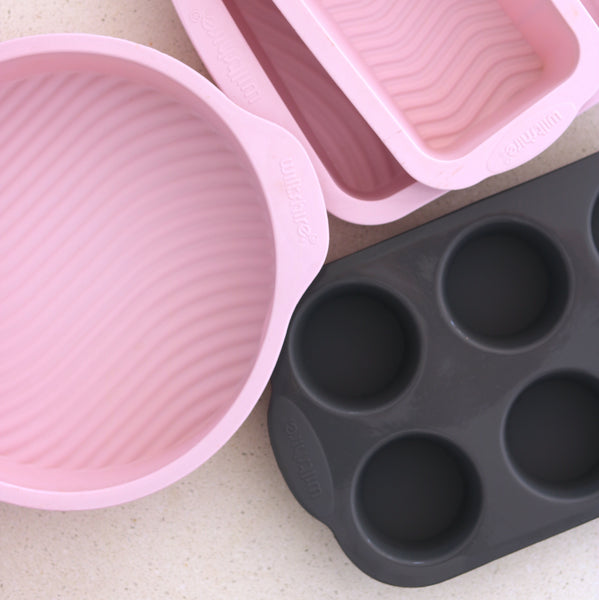
Imagine stepping into your kitchen, ready to whip up a delicious cake or a batch of cookies. As you gather your ingredients, you glance at your collection of baking tools and spot your silicone bakeware.
Maybe you’ve heard it’s a game-changer, but you’re not quite sure how to use it. Don’t worry; you’re not alone. Many home bakers are discovering the wonders of silicone bakeware for its non-stick properties and flexibility. But how exactly do you make the most of these colorful tools?
In this guide, we’ll explore everything you need to know about using silicone bakeware, so you can bake with confidence and ease. Let’s dive in and transform your baking experience together!
Benefits Of Silicone Bakeware
Silicone bakeware offers flexibility and easy release for baked goods. It withstands high temperatures without warping. Cleaning is simple, as silicone is non-stick and dishwasher safe.
Silicone bakeware has become a favorite in many kitchens. Its popularity is due to its unique benefits. Let’s explore why silicone bakeware is a smart choice for your baking needs.Lightweight And Easy To Handle
Silicone bakeware is incredibly light. This makes it easy to carry and handle. You won’t struggle with heavy pans anymore. It’s perfect for those who find traditional bakeware cumbersome.Non-stick Surface
Silicone offers a naturally non-stick surface. Baked goods release easily without greasing the pan. This means less time spent on cleanup. Food slides off smoothly.Durable And Long-lasting
Silicone bakeware is tough and resilient. It withstands high temperatures without damage. It doesn’t warp or crack over time. This durability ensures a long lifespan.Safe And Non-toxic
Silicone is made from safe, non-toxic materials. It doesn’t leach chemicals into your food. You can bake with confidence, knowing it’s safe for your family.Flexible And Easy To Store
Silicone’s flexibility is a big plus. It bends easily to fit in tight spaces. You can fold it for storage without worrying about damage. This saves valuable kitchen space.Versatile And Multi-purpose
Silicone bakeware is versatile. It’s suitable for baking, freezing, and even microwaving. You can use it for a variety of recipes. From cakes to ice cubes, its uses are many.Easy To Clean
Cleaning silicone bakeware is a breeze. Most pieces are dishwasher safe. Even hand washing is quick and simple. No scrubbing needed, thanks to its non-stick nature.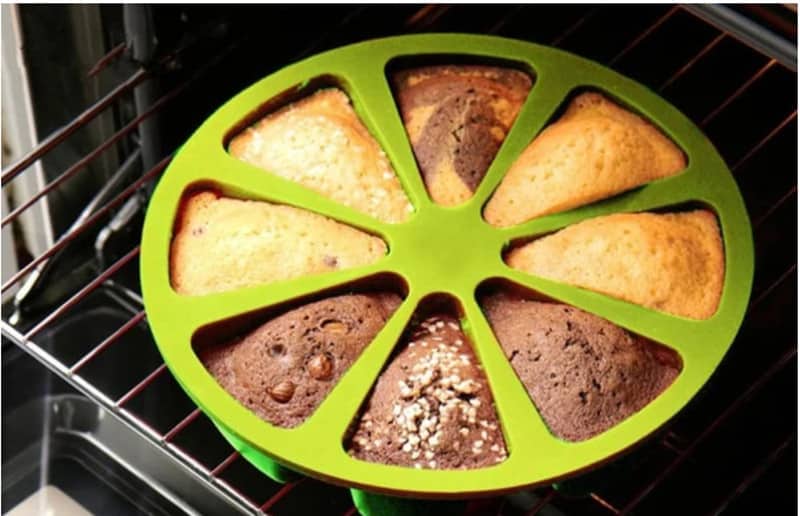
Credit: consumersiliconeproducts.com
Choosing The Right Silicone Bakeware
Silicone bakeware is flexible and easy to clean. Lightly grease the surface to ensure easy release. Silicone heats evenly, preventing hot spots and burning.
Choosing the right silicone bakeware can make a big difference in your baking experience. Silicone bakeware is versatile, easy to clean, and perfect for a range of recipes. Selecting the best option for your needs involves understanding a few key factors.Consider The Size And Shape
Choose sizes that fit your oven and storage space. Consider the shape based on the types of dishes you frequently bake. Muffin pans, loaf pans, and cake molds are popular options.Check The Quality
Look for high-quality silicone bakeware. It should be sturdy and not too flimsy. The bakeware should have a smooth surface and even coloring.Temperature Resistance
Ensure your silicone bakeware can withstand high temperatures. Quality bakeware should be safe for use in both the oven and freezer.Ease Of Cleaning
Silicone bakeware should be easy to clean. Non-stick surfaces make washing simple. Check if the bakeware is dishwasher safe for added convenience.Flexibility
Choose bakeware that is flexible yet maintains its shape. It should bend easily but return to its original form without distortion.Brand Reputation
Consider brands known for producing reliable silicone bakeware. Read reviews and ask for recommendations from fellow bakers.Price Range
Set a budget for your bakeware purchase. Compare prices among different brands and styles. Remember, higher price doesn’t always mean better quality.Preparing Silicone Bakeware
Ensure the bakeware is clean and dry before use. Lightly grease the silicone surface for effortless food release. Place it on a sturdy baking tray to maintain stability in the oven.
Preparing your silicone bakeware is essential to ensure a flawless baking experience. Unlike traditional metal pans, silicone bakeware offers flexibility and non-stick properties, but a little preparation can enhance these benefits. Have you ever wondered why your silicone muffin pans sometimes stick? It’s often due to skipping key preparation steps.Washing Before Use
Before you dive into baking, it’s crucial to wash your silicone bakeware thoroughly. You might be surprised how much residue can linger from manufacturing. Use warm soapy water and a soft sponge to gently cleanse every nook and cranny. Rinsing well is key—no one wants a soapy taste in their cupcakes! Drying thoroughly ensures there’s no excess moisture, which can affect baking results.Greasing And Dusting
Although silicone is known for its non-stick quality, a light greasing can make all the difference in your baking success. Imagine the frustration of trying to pry a loaf of bread out of a stubborn mold! A small dab of cooking spray or butter can help avoid sticking. Dusting the greased surface with flour or cocoa powder provides an extra layer of protection. This simple step can transform your baking experience from frustrating to delightful. Have you ever skipped greasing and ended up regretting it? Give it a try and see the difference in your next batch of muffins.Baking Temperature Guidelines
Silicone bakeware can safely be used at temperatures up to 450°F. Always preheat your oven for consistent results. Silicone’s flexibility ensures easy release, making it ideal for baking cakes and muffins.
Silicone bakeware has become a kitchen staple, offering flexibility and ease of use. However, understanding the right baking temperatures can make or break your culinary creations. Navigating temperature guidelines ensures your cakes rise beautifully and your cookies achieve that perfect golden edge. Let’s dive into the essential baking temperature tips for using silicone bakeware effectively.Understanding Silicone’s Heat Conductivity
Silicone is a poor conductor of heat compared to metal. This means it heats up slowly and retains heat longer. You might need to adjust your baking times slightly longer than traditional bakeware. Have you ever wondered why your silicone-baked muffins take a little longer? It’s not your oven—it’s the bakeware. Embrace this trait by keeping an eye on your treats, and using a toothpick to check doneness.Optimal Temperature Settings
Most silicone bakeware can withstand temperatures between 350°F to 428°F (175°C to 220°C). This makes it versatile for a variety of recipes. Remember, higher heat is not always better. Maintaining a steady temperature is key to achieving consistent results. Try baking at 375°F (190°C) for a balanced approach.Adjusting Baking Time
Longer baking times are often needed with silicone. A 5 to 10-minute extension might be necessary to achieve the desired results. Keep in mind, patience is your ally. Rushing could lead to underbaked centers. Check frequently towards the end of the recommended baking time.Preheating Tips
Always preheat your oven before placing silicone bakeware inside. This ensures even heat distribution from the start. Skipping preheating can lead to uneven baking. It’s a small step, but it can make a big difference in your final product.Testing And Tweaking
Experiment with different recipes to find what works best with your silicone bakeware. Adjust times and temperatures based on your observations. Every oven and recipe is unique. By testing and tweaking, you’ll refine your technique and become a silicone baking pro. Do you have a favorite recipe that turns out perfectly every time? Share it and inspire others!Removing Baked Goods Easily
Silicone bakeware offers effortless release of baked goods. Its non-stick surface prevents sticking and tearing. Flexible design allows easy removal without damaging delicate treats.
Removing baked goods from silicone bakeware can be effortless. Silicone’s flexibility simplifies the process. Still, a few techniques ensure success. Start by waiting for the right time. Cooling your baked treats properly helps in demolding. Follow these tips for best results.Cooling Techniques
Allow your baked goods to cool before removal. This helps them firm up. Place the silicone bakeware on a wire rack. It allows air to circulate evenly. For cakes and brownies, wait 10 to 15 minutes. Cookies might need less time. Avoid removing them while too hot. It could lead to breakage.Demolding Tips
Use a gentle touch when demolding. Flex the silicone slightly to release the edges. Press the bottom gently to pop out the baked item. Avoid using sharp tools. They can damage the silicone. For stubborn cases, use a plastic spatula. It helps release the goods without harm. If needed, apply a light coat of cooking spray. This can aid in easier removal next time.Cleaning And Maintenance
Silicone bakeware has become a favorite in many kitchens due to its versatility and ease of use. However, keeping it clean and well-maintained is crucial for long-lasting performance. Whether you’re a baking enthusiast or someone trying out silicone for the first time, understanding the cleaning and maintenance process can ensure your bakeware remains in top condition.
Dishwasher Vs. Hand Washing
Deciding whether to use a dishwasher or hand wash your silicone bakeware can affect its longevity. While silicone is generally dishwasher safe, frequent dishwasher use can lead to a build-up of soap residue. This might impact the non-stick qualities of your bakeware. Hand washing allows you to carefully clean each piece, ensuring no residue remains.
Consider your routine and choose what works best for you. If you prefer the convenience of a dishwasher, make sure to occasionally hand wash the bakeware to remove any stubborn residues. On the other hand, hand washing lets you inspect your bakeware closely for any signs of wear or damage.
Stain Removal
Stains on silicone bakeware can be a bit of a puzzle, especially if you’ve cooked with colorful ingredients. To tackle these stains, a mixture of baking soda and water can be your best friend. Apply this paste to the stained area, let it sit for a few hours, and then scrub gently. This method can effectively lift most stains without damaging the silicone.
But what if the stains persist? You might want to try soaking the bakeware in a solution of vinegar and water. This can help break down stubborn stains and restore the look of your silicone pieces. Remember, regular maintenance and prompt cleaning after use can prevent stains from setting in the first place.
Do you have a favorite trick for maintaining your silicone bakeware? Sharing your tips with others can help them prolong the life of their kitchen essentials!
Storage Solutions
Silicone bakeware offers a flexible, non-stick surface for easy baking. Simply wash before use, then pour batter directly into the silicone mold. Its heat resistance ensures even baking, while its pliability allows effortless removal of baked goods.
Storing silicone bakeware correctly is essential for maintaining its quality and longevity. These flexible, non-stick wonders require specific care to ensure they remain in top condition. Proper storage not only saves space but also keeps your kitchen organized. Let’s explore some effective storage solutions.Stack Them Neatly
Silicone bakeware is flexible and can be stacked easily. Stack them in a drawer or on a shelf. Ensure they are clean and dry first.Use A Storage Box
Place the bakeware in a plastic storage box. A box with a lid keeps dust away. Choose a size that fits your bakeware collection.Hang With Hooks
Install hooks inside a cabinet door. Hang bakeware by their edges or holes. This saves space and makes them easy to access.Roll Smaller Items
Roll smaller silicone mats or sheets. Tie them with a rubber band. Store them upright in a container.Separate With Dividers
Use dividers in drawers for organization. Separate bakeware by type or size. This prevents them from sticking together.Avoid Direct Sunlight
Keep silicone bakeware away from direct sunlight. Sunlight can degrade silicone over time. Store them in a cool, dark place.Common Mistakes To Avoid
Silicone bakeware offers many benefits. It’s flexible, non-stick, and easy to clean. Yet, mistakes happen during use. Knowing these errors can enhance your baking experience. Avoiding them ensures better results.
Not Greasing The Bakeware
Silicone is non-stick, but a light grease layer helps. It ensures easier food release. Use a small amount of oil or butter. This makes cleaning simpler too.
Using Sharp Tools
Sharp tools can damage silicone. Avoid knives or metal utensils. Use wooden or plastic tools instead. This keeps your bakeware in good shape.
Placing Directly On Oven Racks
Silicone is flexible. Direct placement on racks can cause spills. Use a baking sheet for support. It keeps everything stable during cooking.
Ignoring Temperature Limits
Silicone bakeware has temperature limits. Exceeding them can cause damage. Always check the manufacturer’s instructions. Stay within safe temperature ranges.
Not Cleaning Properly
Proper cleaning extends bakeware life. Avoid harsh detergents or scrubbing pads. Wash with warm, soapy water. Ensure complete drying before storage.
Overfilling Molds
Silicone molds can overflow if overfilled. Fill only two-thirds of the way. This prevents messes and ensures even baking.
Innovative Uses Beyond Baking
Silicone bakeware offers versatility beyond baking. Use it as a mold for soap or candles. Create fun ice cubes or frozen treats.
Silicone bakeware is versatile and not just for baking. It has many innovative uses that go beyond the oven. This flexible and durable material can simplify various tasks in your kitchen. Let’s explore some creative ways to use silicone bakeware.Ice Cube And Chocolate Molds
Silicone molds make great ice cubes. They come in fun shapes. Use them for chocolates too. Melt your chocolate, pour it in, and let it set. It’s simple and fun for kids.Soap And Candle Making
Silicone bakeware is perfect for homemade soaps. It’s heat resistant, making it ideal for candles. Pour your soap or wax mixture and let it cool. The flexible molds make removal easy.Serving Dishes For Snacks
Use silicone bakeware as serving dishes. Fill them with nuts or candies. They are colorful and non-slip. Perfect for parties or casual gatherings.Portion Control Meal Prep
Divide meals using silicone bakeware. It’s great for portion control. Each section holds just the right amount. Store in the fridge or freezer for later.Organizing Small Items
Use silicone bakeware for organizing. Place them in drawers for small items. They keep everything tidy and easy to find. Ideal for office or craft supplies. Silicone bakeware offers many creative uses. Its versatility makes it a helpful kitchen tool.
Credit: www.amazon.com

Credit: www.amazon.com
Frequently Asked Questions
How Do I Clean Silicone Bakeware?
To clean silicone bakeware, use warm soapy water and a soft sponge. Rinse thoroughly to remove any soap residue. For stubborn stains, a paste of baking soda and water can be effective. Avoid using abrasive cleaners or pads, as they can damage the silicone surface.
Can Silicone Bakeware Go In The Oven?
Yes, silicone bakeware is safe for oven use. It can typically withstand temperatures up to 500°F (260°C). Always check the manufacturer’s guidelines for specific temperature limits. Silicone’s flexibility makes it ideal for baking, as it allows easy removal of baked goods.
Is Silicone Bakeware Safe For Microwave Use?
Silicone bakeware is safe for microwave use. It is heat-resistant and does not react with food. Ensure your bakeware is microwave-safe by checking the manufacturer’s instructions. Avoid using bakeware with metal parts, as they are not suitable for microwaves.
Does Silicone Bakeware Affect Baking Time?
Silicone bakeware can slightly affect baking time due to its heat-resistant properties. It may require a few extra minutes compared to metal pans. Always monitor your baked goods closely to ensure optimal results. Adjust baking times as needed for your specific recipe.
Conclusion
Silicone bakeware offers convenience and ease. Its non-stick surface makes baking simple. Cleaning is a breeze; just wipe or wash. It’s durable and flexible, reducing breakage risk. Choose silicone for healthier cooking, less oil needed. Perfect for muffins, cakes, and cookies.
Baking is more fun with colorful silicone molds. They’re versatile for both cold and hot dishes. Remember to check for quality before buying. Look for FDA-approved labels for safety. Enjoy experimenting with new recipes. Silicone bakeware enhances your kitchen experience.
Make baking enjoyable and stress-free.