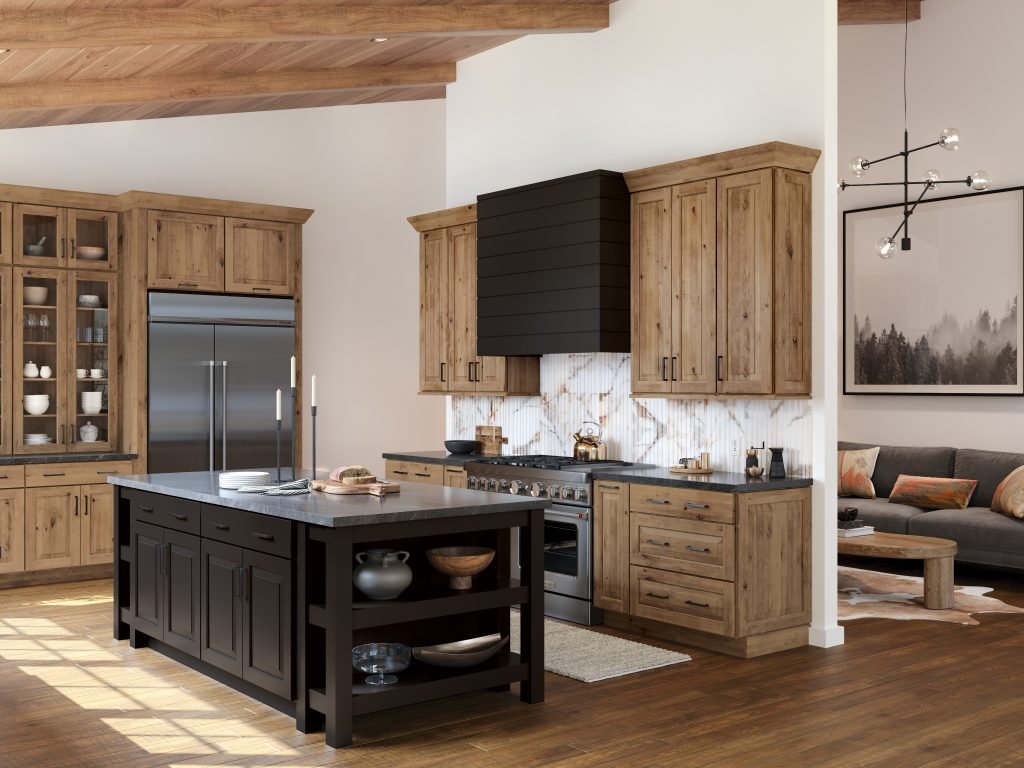
Are you dreaming of a kitchen that perfectly blends style and functionality? Designing and buying kitchen cabinets can seem overwhelming, but it’s a rewarding process that transforms your cooking space into a masterpiece.
Imagine opening your cabinets to find everything in its place, easy to reach and beautifully organized. This is not just a fantasy; it can be your reality. Whether you’re a culinary enthusiast or someone who loves a neat and tidy kitchen, the right cabinets make all the difference.
In this guide, you’ll discover simple steps to design and purchase kitchen cabinets that reflect your taste and meet your needs. Get ready to turn your kitchen dreams into a practical, stunning space you’ll love to use every day.
Choosing The Right Style
Choosing the right style for kitchen cabinets involves considering your kitchen’s layout and your personal taste. Focus on materials, colors, and finishes that complement your space. Balance functionality and design to create a welcoming and efficient kitchen environment.
Choosing the right style for kitchen cabinets can transform your space. Cabinets are a central feature of your kitchen. Their design impacts the overall feel and functionality. Consider your personal taste and lifestyle. This choice can create a kitchen that is both beautiful and practical.Traditional Vs. Modern
Traditional cabinets often feature ornate details. These may include raised panels and rich wood finishes. They give a warm and classic look to your kitchen. Traditional styles evoke a sense of timeless elegance. Modern cabinets, on the other hand, boast clean lines. They often have sleek surfaces and minimalistic designs. These cabinets create a fresh and contemporary atmosphere. Modern styles reflect simplicity and innovation.Custom Vs. Stock Cabinets
Custom cabinets offer flexibility in design. You can tailor them to fit unique spaces. They allow for personalized finishes and materials. Custom cabinets are ideal for specific needs and tastes. Stock cabinets are pre-made and ready to install. They are often more budget-friendly. Stock options provide quick solutions for standard sizes. They offer a variety of styles without the wait. Both options have distinct benefits. Custom cabinets cater to individual preferences. Stock cabinets offer convenience and affordability.
Credit: hchcabinet.ca
Material Selection
Selecting materials for kitchen cabinets involves considering durability, style, and budget. Wood offers a classic look, while laminate provides a cost-effective choice. Evaluate each option to ensure it aligns with your design vision and daily use requirements.
Material selection plays a crucial role in designing kitchen cabinets. The right materials can enhance durability and aesthetics. They also influence the overall cost of the project. Understanding different material options helps in making an informed decision.Wood Options
Wood remains a popular choice for kitchen cabinets. It offers a timeless appeal. Oak is sturdy and has a prominent grain pattern. Cherry wood is known for its rich color and smooth finish. Maple is lighter and suits various design styles. Each wood type brings its own charm and functionality. Consider the cabinet’s location and use to choose the best wood.Alternative Materials
There are several alternatives to wood. Medium-density fiberboard (MDF) is cost-effective and smooth. It is easier to paint and finish. Plywood offers strength and moisture resistance. It’s a good choice for humid environments. Laminate is another option. It provides a modern look and is easy to clean. Stainless steel cabinets are sleek and durable, ideal for contemporary kitchens. These materials offer flexibility in design and maintenance.Optimal Layout Design
Designing the optimal layout for kitchen cabinets can transform your cooking space. A well-planned design ensures that every inch counts, making your kitchen efficient and stylish. Thoughtful layout planning can enhance the workflow and aesthetics of your kitchen.
Space Utilization
Maximize every corner of your kitchen with clever design strategies. Consider vertical storage to use the full height of your walls. Install deep drawers for bulky pots and pans. Use pull-out shelves for easy access to items at the back. Corner cabinets can feature rotating racks to reach all items. This efficient use of space keeps the kitchen organized.
Ergonomic Considerations
Comfort and functionality are key in kitchen design. Ensure the cabinets are at a reachable height for easy access. Place frequently used items at waist level to avoid strain. The work triangle rule—sink, stove, and refrigerator—should be in close proximity. This layout minimizes steps and enhances efficiency. Adjustable shelves can cater to different storage needs, making the kitchen user-friendly.
Color And Finish Choices
Explore a wide range of colors and finishes to personalize your kitchen cabinets. Choose from classic whites, warm woods, or vibrant hues to match your style. Matte or glossy finishes can enhance the overall look, ensuring a perfect fit for your kitchen design.
Choosing the right color and finish for your kitchen cabinets is crucial in creating a space that’s both functional and stylish. The colors and finishes you select can dramatically change the mood and feel of your kitchen. With a wide array of options available, from vibrant hues to muted tones and sleek finishes to rustic textures, it’s essential to make choices that reflect your personality and lifestyle. But how do you find the perfect match for your kitchen? Let’s dive into some popular choices that can transform your space.Trendy Colors
Bold colors are making a splash in the kitchen cabinet world. Picture a stunning navy blue or a chic forest green—these colors add depth and personality to your kitchen. Are you daring enough to try them out? Neutral tones like greys and whites remain timeless. They create a clean, spacious feel and can easily adapt to changes in decor. You can play with different shades to create subtle contrasts. Consider your home’s overall color palette. Matching your cabinets with existing colors can create a seamless flow throughout your living spaces.Durable Finishes
When it comes to finishes, durability is key. You want cabinets that will withstand the test of time and daily use. Gloss finishes offer a shiny, modern look and are easy to clean, but can show fingerprints easily. Matte finishes are trending for their understated elegance. They don’t show smudges as much, making them ideal for busy kitchens. Imagine having cabinets that hide those inevitable fingerprints! Wood grain finishes offer a classic, warm feel. They can be either subtle or dramatic depending on your taste. How does a rustic touch sound for your kitchen? Ultimately, your choice should balance aesthetics with practicality. What finish can withstand your culinary adventures while complementing your style?Budget Planning
Designing and buying kitchen cabinets on a budget involves careful planning. Choose materials that offer durability and style within your financial limits. Consider DIY options or prefabricated cabinets for cost savings and explore local stores for deals and discounts.
Budgeting is a crucial step when you’re planning to design and buy kitchen cabinets. A well-thought-out budget ensures you don’t overspend and helps you make smart choices. Let’s dive into the essential aspects of budget planning that will keep your kitchen renovation both exciting and financially manageable.Cost Estimation
Begin by assessing the scope of your kitchen renovation. Are you looking for a complete overhaul or just a cabinet refresh? The cost can vary significantly based on this decision. Research the materials and styles you like, and gather quotes from multiple suppliers. This will give you a realistic picture of how much you need to budget. Consider all aspects, including installation, hardware, and possible delivery charges. A detailed cost estimation helps avoid unpleasant surprises later.Saving Strategies
Explore various ways to stretch your budget further. Buying ready-to-assemble cabinets can be a cost-effective choice without sacrificing style. Look out for sales or discounts at local stores and online retailers. Sometimes waiting for a holiday sale can save you a substantial amount. Think about doing some of the work yourself. Painting or installing hardware can be a rewarding DIY project that lowers labor costs. Aligning your design choices with your budget doesn’t mean compromising on quality. Be strategic and creative in your approach, and you’ll find it easier to achieve your dream kitchen without breaking the bank.
Credit: kitchenrta.ca
Finding Reliable Suppliers
Finding reliable suppliers is key to designing and buying kitchen cabinets. Quality cabinets come from trusted vendors who offer durable materials and excellent craftsmanship. Knowing where to find these suppliers is essential for making informed decisions.
Local Vs. Online Vendors
Local vendors often provide personalized service. You can visit their showroom and see cabinet samples. This helps assess the quality firsthand. Local suppliers may also offer installation services, making the process easier.
Online vendors offer convenience and variety. You can browse through numerous options without leaving home. Many online stores provide detailed product descriptions and images. This helps you compare styles and prices efficiently.
Checking Reviews And Ratings
Reviews reveal important insights about suppliers. Customers share their experiences with product quality and service. Check multiple review platforms for a comprehensive view.
Ratings show the level of satisfaction previous buyers experienced. High ratings indicate a trusted supplier. Look for consistent feedback about durability and design. This ensures you choose cabinets that meet your expectations.
Installation Process
Designing and buying kitchen cabinets involves measuring your space accurately. Select cabinet styles and materials that fit your kitchen’s theme. Consult with experts or use online tools for a personalized layout before purchasing.
The installation process of kitchen cabinets can transform your space. It requires careful planning and execution. Whether you choose to do it yourself or hire a professional, each option has its own merits.Diy Vs. Professional Installation
DIY installation can be a rewarding experience. It allows you to personalize your kitchen. You save money by doing the work yourself. It requires time, patience, and some skills. You need to follow instructions carefully. Having the right tools is essential. Professional installation offers expertise and efficiency. Professionals have the experience to handle complex tasks. They ensure a flawless finish. It may be more costly but saves you time and stress.Common Mistakes To Avoid
Many people rush the installation process. This can lead to uneven cabinets. Proper measurements are crucial. Double-check your dimensions. Skipping this step can cause alignment issues. Not using a level can result in crooked cabinets. Use a level for perfect alignment. Forgetting to secure cabinets tightly is another error. Loose cabinets can be dangerous. Ensure all screws and brackets are fastened securely. Ignoring wall studs can lead to weak support. Always anchor cabinets to wall studs for stability. Planning and precision prevent common mistakes.Maintenance And Care
Maintaining kitchen cabinets is essential for their long-lasting beauty and functionality. Proper care ensures they remain in good condition, enhancing your kitchen’s appeal. This section will guide you on effective cleaning techniques and long-term maintenance strategies.
Cleaning Tips
Regular cleaning keeps your cabinets looking fresh and new. Use a soft cloth and mild soap for routine cleaning. Avoid harsh chemicals that can damage the finish. Dry the cabinets immediately after cleaning to prevent moisture damage.
For stubborn stains, mix vinegar and water in equal parts. Gently scrub the area with a soft brush. Test any new cleaning solution on a hidden spot first. This ensures it won’t harm the cabinet surface.
Long-term Maintenance
Inspect your cabinets regularly for signs of wear and tear. Tighten loose hinges and handles to prevent further damage. Apply a wood polish periodically to keep the finish shiny and protected.
Control humidity levels in your kitchen to prevent warping. Use a dehumidifier if necessary. Keep cabinet doors closed to protect contents from dust and grime.
Consider installing cabinet liners to protect the interior surfaces. These help in maintaining cleanliness and reduce scratches.

Credit: www.thomasandbirch.com
Frequently Asked Questions
What Are The Steps To Design Kitchen Cabinets?
Designing kitchen cabinets starts with assessing your space and needs. Choose a style and layout that suits your kitchen. Consider materials, colors, and finishes that complement your home’s aesthetic. Use design software or consult professionals for accurate measurements and planning.
Finalize your design before purchasing.
How Much Do Kitchen Cabinets Typically Cost?
Kitchen cabinet costs vary based on materials, size, and customization. Stock cabinets are the most affordable, ranging from $100 to $300 per linear foot. Semi-custom cabinets can cost between $150 to $650 per foot. Custom cabinets are the priciest, starting at $500 and going up to $1,200 per foot.
Where Can I Buy Quality Kitchen Cabinets?
Quality kitchen cabinets can be purchased from home improvement stores, specialized cabinet retailers, or online platforms. Stores like Home Depot and Lowe’s offer a variety of options. Online retailers like Wayfair and Cabinets. com provide diverse choices. Visiting a local showroom can also offer insights and personalized guidance.
What Materials Are Best For Kitchen Cabinets?
Wood, MDF, and plywood are popular choices for kitchen cabinets. Solid wood is durable and offers a classic look. MDF is budget-friendly and versatile, suitable for painted finishes. Plywood is strong and resistant to moisture, ideal for kitchen environments. Consider your budget and style preferences when choosing materials.
Conclusion
Designing and buying kitchen cabinets can be simple and enjoyable. Start by understanding your needs and style preferences. Measure your space carefully to ensure a perfect fit. Explore different materials and finishes for durability and beauty. Consider your budget, but don’t sacrifice quality.
Consult with professionals to refine your choices. Visualize your dream kitchen, then make it a reality. Remember, good planning saves time and money. Enjoy the process and soon, you’ll have a kitchen that reflects your unique taste. Happy designing!