Have you ever found yourself staring at stubborn stains on your kitchen countertops, wondering if there’s an easier way to get rid of them? You might have thought about using oven cleaner, given its reputation for tackling tough grime.
But does it really work on your kitchen countertops? Before you grab that can, it’s crucial to understand how oven cleaner interacts with different surfaces. Your countertops are the heart of your kitchen, and you want to ensure they stay in top condition.
This article will uncover the truth about using oven cleaner on countertops, helping you make informed decisions and avoid costly mistakes. Keep reading to discover whether this quick fix is right for you and your kitchen.

Credit: www.reddit.com
Oven Cleaner Ingredients
Oven cleaners contain strong chemicals designed for tough grease. These may damage kitchen countertops. Test a small spot first.
Oven cleaners are known for their strong cleaning power, often tackling the toughest grease and grime. But what exactly is in these cleaners that makes them so effective? Understanding the ingredients can help you determine if they’re safe to use on your kitchen countertops. Let’s dive into what’s inside a typical oven cleaner and how these components work.Common Ingredients In Oven Cleaners
Oven cleaners usually contain a mix of potent chemicals. One of the primary ingredients is sodium hydroxide, also known as lye. This powerful substance breaks down tough, baked-on food and grease by altering their chemical structure. Another common ingredient is butoxydiglycol. This solvent helps dissolve oily residues, making it easier to wipe them away. It works efficiently on stubborn stains but can be harsh on certain surfaces.How Ingredients Affect Different Surfaces
The effectiveness of oven cleaner ingredients depends largely on the type of surface they’re applied to. While they excel on metal surfaces, they can be too abrasive for materials like granite or marble. It’s crucial to consider the composition of your countertops before using these products. If you’re unsure, test a small, hidden area first. This can prevent any potential damage and ensure the cleaner is suitable for your countertop material.Potential Risks And Safety Precautions
Using oven cleaners on kitchen countertops isn’t without risks. The strong chemicals can cause discoloration or etching on sensitive surfaces. Always wear gloves and ensure good ventilation when using these products to protect yourself from fumes and skin irritation. A safer alternative might be looking for cleaners specifically designed for countertops. These are formulated to be less harsh while still effective at cleaning everyday messes. So, next time you’re considering using an oven cleaner on your countertops, think about the ingredients and how they might interact with your specific surface. Would you risk potential damage for a quick clean, or is there a safer option available?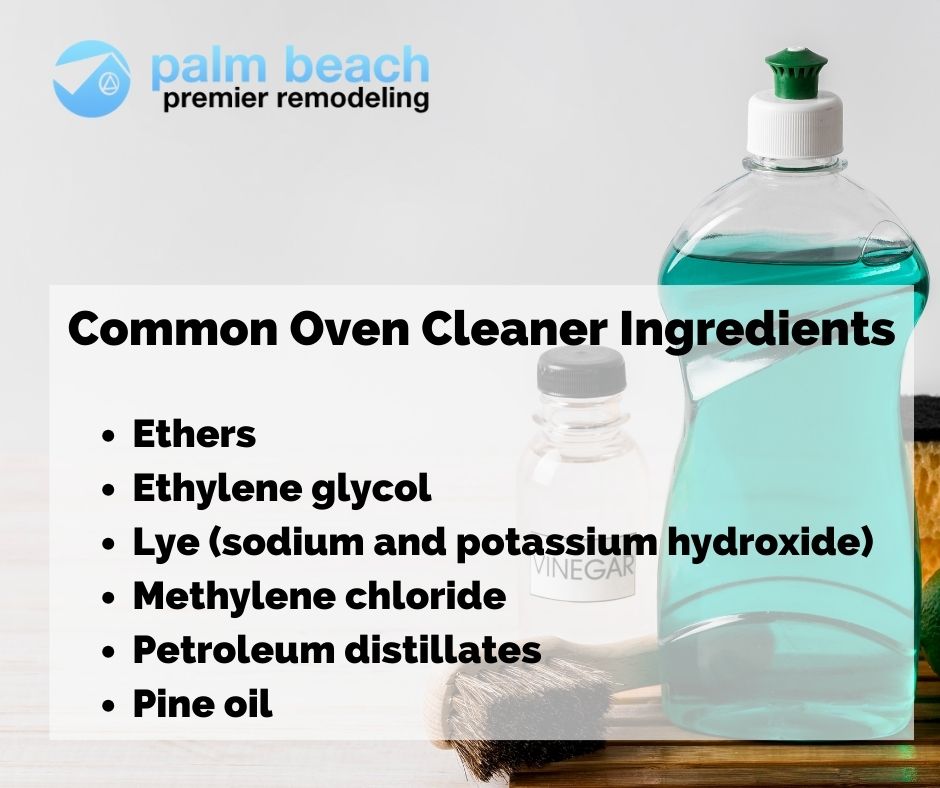
Credit: pbphomerepair.com
Countertop Materials
Countertops are the heart of your kitchen, and keeping them clean is crucial. But can oven cleaner do the job? It largely depends on the material your countertops are made of. Each material reacts differently to cleaning agents, so understanding what works best is essential. Let’s explore how oven cleaner interacts with various countertop materials.
Granite And Marble
Granite and marble countertops are stunning but delicate. Oven cleaner can be too harsh, potentially dulling their shine and causing damage. These natural stones are porous, meaning they can absorb chemicals. If you’ve ever spilled red wine on marble, you know how easily it can stain. Instead, opt for pH-balanced cleansers designed for stone surfaces.
Laminate And Formica
Laminate and Formica are more forgiving when it comes to cleaning agents. They are non-porous, making them less prone to stains. Oven cleaner might work here, but it’s essential to test it in a small area first. Harsh chemicals can degrade the adhesive or finish over time. Consider whether the risk is worth it for the occasional stubborn stain.
Quartz And Solid Surface
Quartz is known for its durability, but it’s not invincible. Oven cleaner can damage the resin that holds quartz together, leading to discoloration. Solid surface countertops, like Corian, also react poorly to oven cleaner. You might be tempted to use it for its cleaning power, but there are gentler options that won’t compromise the integrity of these surfaces.
So, is it worth using oven cleaner on your countertops? Always weigh the risks and potential damage against the benefits. Have you ever tried cleaning your countertops with unconventional methods? Share your experiences and let’s find the best solutions together!
Potential Risks
Using oven cleaner on kitchen countertops can pose several risks. While it might seem like a quick fix, it’s essential to understand the potential hazards. These risks may affect not only the countertop but also the surrounding environment and your health. Let’s delve into the dangers of using oven cleaner on your countertops.
Surface Damage
Oven cleaners are designed for tough grease and grime removal. Their strong chemicals can harm delicate surfaces. Countertops made of granite, marble, or wood may suffer. The cleaner can strip the sealant or finish, leaving them vulnerable. This damage may cause discoloration or etching, ruining the countertop’s appearance.
Even on durable materials like laminate, the cleaner can cause problems. Prolonged exposure might lead to bubbling or peeling. Replacing or repairing damaged countertops can be costly. Protect your investment by choosing suitable cleaning methods.
Chemical Reactions
Oven cleaners contain caustic substances like lye or sodium hydroxide. These chemicals can react with certain countertop materials. For example, they might interact with natural stone, causing a breakdown. The cleaner can also react with other products used on countertops.
Mixing chemicals may produce harmful fumes. These fumes can irritate your skin, eyes, and respiratory system. Proper ventilation is crucial when using strong cleaners. Ensuring safety in your kitchen should be a priority. Avoiding risky chemical reactions is a wise choice for maintaining a healthy home environment.
Proper Application
Using oven cleaner on kitchen countertops needs careful attention. Proper application ensures effectiveness and safety. Not all countertops can handle oven cleaner’s strong chemicals. It’s crucial to apply the cleaner correctly. This prevents damage and achieves the best results.
Safety Precautions
Start by reading the oven cleaner’s label. It provides important safety information. Wear gloves to protect your hands. Consider using goggles to shield your eyes. Ensure the area is well-ventilated. Open windows or use a fan. Keep children and pets away during the process. Avoid contact with skin and eyes. If contact occurs, rinse immediately with water.
Application Techniques
Test the cleaner on a small, hidden area first. This checks for any adverse reactions. If safe, proceed to the main area. Spray the cleaner evenly over the countertop. Allow it to sit for the recommended time. Do not let it dry completely. Use a damp cloth or sponge to wipe away the cleaner. Rinse the countertop thoroughly with water. Dry with a clean towel to prevent streaks.
Alternative Cleaning Solutions
Kitchen countertops endure a lot daily. They face spills, stains, and sometimes, the unintended use of products not meant for them, like oven cleaner. While oven cleaner might seem like a powerful option for stubborn stains, it can be too harsh for countertop materials. Instead, it’s wise to look at alternative cleaning solutions that are both effective and gentle. Let’s explore a few.
Natural Cleaners
Natural cleaners offer a safe and eco-friendly way to maintain your countertops. Baking soda is a fantastic option; it acts as a gentle abrasive without scratching surfaces. You can create a paste using baking soda and water. Apply it to the stain, let it sit for a few minutes, then wipe it away.
Vinegar is another household staple that can work wonders. Mix equal parts of vinegar and water in a spray bottle for a quick and effective cleaner. It’s especially useful for cutting through grease and grime. Plus, you’ll avoid the chemical smell that often accompanies commercial products.
If you love a fresh scent, consider using lemon juice. Its acidity helps break down stains, and the fresh aroma leaves your kitchen smelling delightful. Combine lemon juice with a bit of salt for an added abrasive effect.
Commercial Options
Commercial cleaners designed specifically for countertops can offer peace of mind. Products like Method or Mrs. Meyer’s are formulated to be tough on stains but gentle on surfaces. They often contain plant-based ingredients, making them safer for your home and family.
For those looking for heavy-duty cleaning, brands like Granite Gold or Stone Care International offer solutions tailored for specific materials like granite and marble. They ensure that your countertop’s integrity is maintained while providing a deep clean.
Always check the label before using any commercial cleaner. Make sure it matches your countertop material to prevent damage. Are you ready to give your countertops the care they deserve? Consider these alternatives and see the difference.

Credit: www.reddit.com
User Experiences
Exploring oven cleaner’s effectiveness on kitchen countertops reveals mixed results. Some users find it removes stubborn stains, while others report damage to surfaces. It’s essential to test a small area first to avoid potential harm.
User experiences with using oven cleaner on kitchen countertops are varied and intriguing. Some users have hailed it as a miracle solution, while others have shared cautionary tales. It’s fascinating how different materials and conditions can produce such diverse outcomes. Here, we dive into these stories, offering insights and lessons learned from real users.Success Stories
Many users have reported impressive results when using oven cleaner on their countertops. A common story involves removing stubborn stains that seemed impossible to clean with regular products. One user shared how her white laminate countertop, stained with coffee and wine, regained its pristine look after a careful application of oven cleaner. Another user mentioned tackling grease build-up on a granite surface. She was thrilled to see the cleaner strip away months of grime without damaging the stone. The key, she noted, was to rinse thoroughly and avoid letting the product sit too long. These success stories often revolve around using the cleaner sparingly and performing a spot test first. Have you considered trying it out on a small, inconspicuous area of your countertop?Warning Tales
On the flip side, some users have faced unfortunate mishaps. A notable cautionary tale involves a user who applied oven cleaner on a wooden countertop. The result was a discolored patch that required sanding and refinishing. Another user recounted her experience with a quartz countertop. Ignoring the advice to perform a spot test, she ended up with a dull surface, losing its glossy finish. These stories highlight the importance of understanding your countertop material before proceeding. Many warnings also emphasize the importance of ventilation. The fumes can be overpowering, and not taking precautions can lead to discomfort. Are you prepared to ensure adequate airflow in your kitchen if you decide to give it a try? Understanding these user experiences can guide you in making an informed decision. Whether you’re inspired by the success stories or cautious due to the warning tales, the choice is yours.Frequently Asked Questions
Can Oven Cleaner Damage Kitchen Countertops?
Yes, oven cleaners can damage countertops. Most oven cleaners contain harsh chemicals. These chemicals can cause discoloration or surface damage. Always test a small, hidden area first. Consider using a cleaner specifically designed for countertops to ensure safety.
Is It Safe To Use Oven Cleaner On Granite?
No, it’s not safe to use oven cleaner on granite. The harsh chemicals can etch the surface. This can lead to dullness and damage. Always use pH-balanced cleaners specifically for granite to maintain its shine and integrity.
How To Clean Countertops Without Using Oven Cleaner?
To clean countertops safely, use mild dish soap and warm water. Wipe with a soft cloth. For stubborn stains, a baking soda paste can help. Avoid abrasive pads and harsh chemicals. Always dry thoroughly to prevent water damage.
What Alternatives Exist To Clean Kitchen Countertops?
Natural alternatives like vinegar and water work well. Baking soda is good for tough stains. Mild dish soap and warm water are safe options. Always use soft cloths or sponges. Avoid acidic or abrasive cleaners to prevent damage.
Conclusion
Using oven cleaner on kitchen countertops requires caution. Some surfaces may react poorly. Always test a small area first. Avoid using on granite or marble. These materials can get damaged. For safer cleaning, use mild soap and water. This method works for most countertops.
Regular care keeps surfaces looking fresh. Read product labels carefully. Choose cleaners designed for kitchen use. This ensures safety and effectiveness. Keep your kitchen clean and undamaged. With the right approach, you maintain a beautiful kitchen space.