
Imagine stepping into your kitchen, eager to whip up a delicious meal. But, as you reach for your favorite ingredients, a nagging thought crosses your mind: are germs lurking on your countertops, waiting to spoil your culinary creation?
We all want a kitchen that’s not just clean, but truly safe from harmful bacteria. You might have heard that vinegar is a natural cleaning powerhouse. But does it really kill germs in your kitchen? This question might have sparked your curiosity, and you’re not alone.
Understanding the effectiveness of vinegar can change the way you approach cleaning, giving you peace of mind and a healthier space. Dive into this article to discover whether vinegar is your ultimate ally or if you need to rethink your cleaning routine. Your kitchen’s safety is just a scroll away!
Vinegar As A Natural Cleaner
Vinegar is a natural cleaner that can help kill germs in the kitchen. Its acidity breaks down bacteria on surfaces. This makes it a simple, eco-friendly choice for kitchen hygiene.
Vinegar is a popular choice for natural cleaning. It’s affordable and easy to find. People use it for various cleaning tasks around the home. But does it kill germs in the kitchen? Let’s explore vinegar as a natural cleaner.What Is Vinegar?
Vinegar is a liquid made from fermented ethanol and water. It has a strong, sour smell. Its acidity makes it effective for cleaning. Many people use it to clean surfaces, remove stains, and deodorize.How Vinegar Works As A Cleaner
The acidity in vinegar helps break down dirt and grime. It can dissolve mineral deposits and cut through grease. This makes it useful for cleaning kitchen surfaces. It can also help remove odors.Vinegar’s Limitations Against Germs
Vinegar can kill some bacteria, but not all. It’s less effective than bleach or commercial disinfectants. It may not kill viruses. Use vinegar for cleaning, but not as a sole disinfectant.Using Vinegar Safely In The Kitchen
Always dilute vinegar with water before use. A 1:1 ratio is common. Test on a small area first to avoid damage. Avoid mixing vinegar with bleach. It can create harmful fumes.Alternatives To Vinegar For Killing Germs
Consider using hydrogen peroxide or rubbing alcohol. Both are effective against germs. They can be used in combination with vinegar. Always follow safety instructions for each product.Properties Of Vinegar
Cleaning with vinegar can effectively kill some germs in the kitchen. Its acidic nature disrupts the cell membranes of certain bacteria.
Vinegar is more than just a simple condiment sitting in your pantry. It has properties that make it a versatile cleaning agent, especially in the kitchen. But how effective is it at killing germs? Let’s dive into the properties of vinegar and see why it might just be your next go-to cleaner.Acetic Acid Composition
Vinegar is primarily composed of acetic acid, which gives it its distinct sour taste and pungent smell. This acetic acid is what makes vinegar effective in cleaning. It can break down grime, dissolve mineral deposits, and even cut through grease. The concentration of acetic acid in vinegar typically ranges from 4% to 7%. This might not sound like much, but it’s powerful enough to tackle many cleaning tasks. Have you ever tried using vinegar to clean your coffee maker or remove hard water stains? It works wonders!Antimicrobial Effects
The antimicrobial effects of vinegar are another reason why it’s popular in cleaning routines. Acetic acid can kill some types of bacteria and viruses, making your kitchen a safer place. However, it’s important to note that vinegar is not a registered disinfectant. Vinegar can help reduce the number of germs, but it might not eliminate all harmful pathogens. Consider using it in combination with other cleaning methods for the best results. Have you ever wondered if vinegar could replace your regular disinfectant? It might be a useful supplement but not a complete substitute. Is vinegar a part of your cleaning arsenal yet? If not, it might be time to give this humble liquid a try. You might just find that it becomes an essential part of your kitchen cleaning routine.Effectiveness Against Germs
Vinegar has long been hailed as a natural cleaning agent, but can it truly tackle the germs lurking in your kitchen? Let’s dive into its effectiveness against these unseen invaders. While vinegar is known for its acidic properties, how does it stack up against the common germs you encounter every day?
Common Kitchen Germs
Your kitchen is a bustling hub for bacteria and viruses. E. coli, Salmonella, and Listeria are just a few of the germs that can thrive on countertops and cutting boards. These pathogens can cause serious health issues if not properly managed.
Have you ever wondered if wiping down your surfaces with vinegar can help? While vinegar can reduce some bacteria, it might not be a complete solution for all kitchen germs. It’s essential to understand which germs you’re targeting and the best way to combat them.
Comparing Vinegar To Chemical Disinfectants
How does vinegar compare to store-bought chemical disinfectants? Chemical cleaners are designed to kill a broad spectrum of germs quickly and effectively. However, they often come with strong odors and potential health risks.
Vinegar offers a more eco-friendly alternative, but it may not provide the same level of germ-killing power. Have you ever tried using vinegar after handling raw meat? The results may vary, and you might find yourself needing a stronger solution for those tougher jobs.
Consider the balance between natural and chemical cleaners. You might choose to use vinegar for everyday cleaning and reserve stronger disinfectants for high-risk areas. What approach do you think would work best in your kitchen?

Credit: www.yahoo.com
Application Methods
Cleaning with vinegar can reduce germs in the kitchen. Apply vinegar directly to surfaces. Wipe with a clean cloth for effective results.
Cleaning with vinegar is a popular kitchen practice, touted for its natural disinfecting properties. However, understanding the right application methods is crucial to ensure its effectiveness. You might wonder how to use vinegar correctly to tackle germs in your kitchen. Let’s break down the best practices for applying vinegar through dilution ratios and surface coverage.Dilution Ratios
To maximize vinegar’s germ-killing potential, getting the dilution ratio right is key. Typically, a mix of one part vinegar to one part water is effective for most kitchen surfaces. For tougher grime or areas needing extra disinfecting power, a stronger solution, like undiluted vinegar, might be necessary. Using the correct ratio not only ensures cleanliness but also preserves surfaces. Some surfaces, especially natural stones like granite, can be damaged by excessive acidity. Always test a small area first if you’re uncertain.Surface Coverage
Ensuring even surface coverage is another essential factor. Use a spray bottle for a fine mist over large areas. This method helps distribute the vinegar evenly, preventing any missed spots where germs might linger. For smaller or more intricate surfaces, a cloth soaked in vinegar solution can be more effective. Wipe thoroughly, and remember to leave the vinegar on the surface for a few minutes to allow it to work its magic before rinsing or drying. Consider the surfaces you’re targeting. Are they frequently touched, like handles and switches? Giving these areas extra attention can make a significant difference in your kitchen’s overall hygiene. Have you tried different methods, and what worked best for you? Your insights could inspire others in their cleaning journey.Limitations Of Vinegar
Cleaning with vinegar can reduce some germs but may not eliminate all bacteria. Its acidity disrupts many germs, yet it is less effective against tougher bacteria and viruses. For comprehensive kitchen hygiene, consider combining vinegar with other cleaning agents.
Cleaning with vinegar has gained popularity due to its natural properties. It is often used for sanitizing kitchen surfaces. Despite its benefits, vinegar has limitations that should be considered.Resistance Of Certain Bacteria
Vinegar is not effective against all bacteria. Some bacteria have developed resistance. This means vinegar cannot kill them. For example, Staphylococcus aureus can survive vinegar. This limits vinegar’s effectiveness in disinfecting kitchens.Ineffectiveness On Viruses
Vinegar has little effect on viruses. It lacks the ability to destroy viral particles. Viruses require stronger disinfectants. Vinegar cannot protect against flu or cold viruses. When dealing with viruses, vinegar is not reliable.Enhancing Vinegar’s Cleaning Power
Vinegar is a popular choice for cleaning due to its natural acidity. It can effectively tackle germs and grime in the kitchen. Yet, there are ways to boost its cleaning power. By combining vinegar with other natural cleaners and using heat and soaking techniques, you can enhance its effectiveness.
Combining With Other Natural Cleaners
Mix vinegar with baking soda for powerful cleaning. The fizzing reaction helps lift stubborn stains and dirt. Use lemon juice with vinegar for added antibacterial properties. The citrus scent leaves surfaces smelling fresh. Essential oils like tea tree or lavender can be added for extra germ-killing power. They also offer pleasant aromas.
Heat And Soaking Techniques
Warm vinegar cleans better. Heat it gently before use. This helps dissolve tough grime. For stubborn stains, soak them in vinegar. Let it sit for a few hours. This method loosens dirt and kills germs effectively. Boiling vinegar can sanitize kitchen tools. Just immerse them in the hot liquid. Ensure proper ventilation due to vinegar’s strong odor.
Safety And Environmental Impact
Cleaning with vinegar is a safe, eco-friendly method that can reduce kitchen germs. Vinegar’s acidity helps eliminate some bacteria, though it may not kill all types. Its use can lessen chemical exposure and environmental impact compared to synthetic cleaners.
Cleaning your kitchen with vinegar is more than just a cost-effective solution; it’s a step towards a safer and more environmentally conscious home. Unlike many chemical cleaners that can leave harmful residues, vinegar provides a natural alternative that is both effective and gentle. But how does it stack up in terms of safety and environmental impact?Non-toxic Benefits
Vinegar is a non-toxic powerhouse. You can clean your kitchen without worrying about harmful chemicals lingering on surfaces where you prepare food. This is especially important if you have kids or pets who are more susceptible to the dangers of chemical exposure. Consider your peace of mind knowing that vinegar won’t contribute to indoor air pollution. Unlike bleach or ammonia, vinegar doesn’t release toxic fumes. You can breathe easy while you tackle those kitchen messes.Environmental Considerations
Using vinegar as a cleaning agent is an environmentally friendly choice. It’s biodegradable and doesn’t contribute to the pollution of water systems. By using vinegar, you’re not just cleaning your kitchen; you’re also reducing your ecological footprint. Think about the impact of each purchase. Vinegar usually comes in recyclable glass or plastic bottles, reducing waste compared to single-use cleaning wipes or sprays. Imagine the difference you can make over a year by switching to this sustainable option. Have you ever wondered how your cleaning habits affect the planet? By opting for vinegar, you’re taking a small yet significant step towards a greener lifestyle. Your kitchen isn’t just cleaner; it’s a testament to the positive changes you can make for the environment.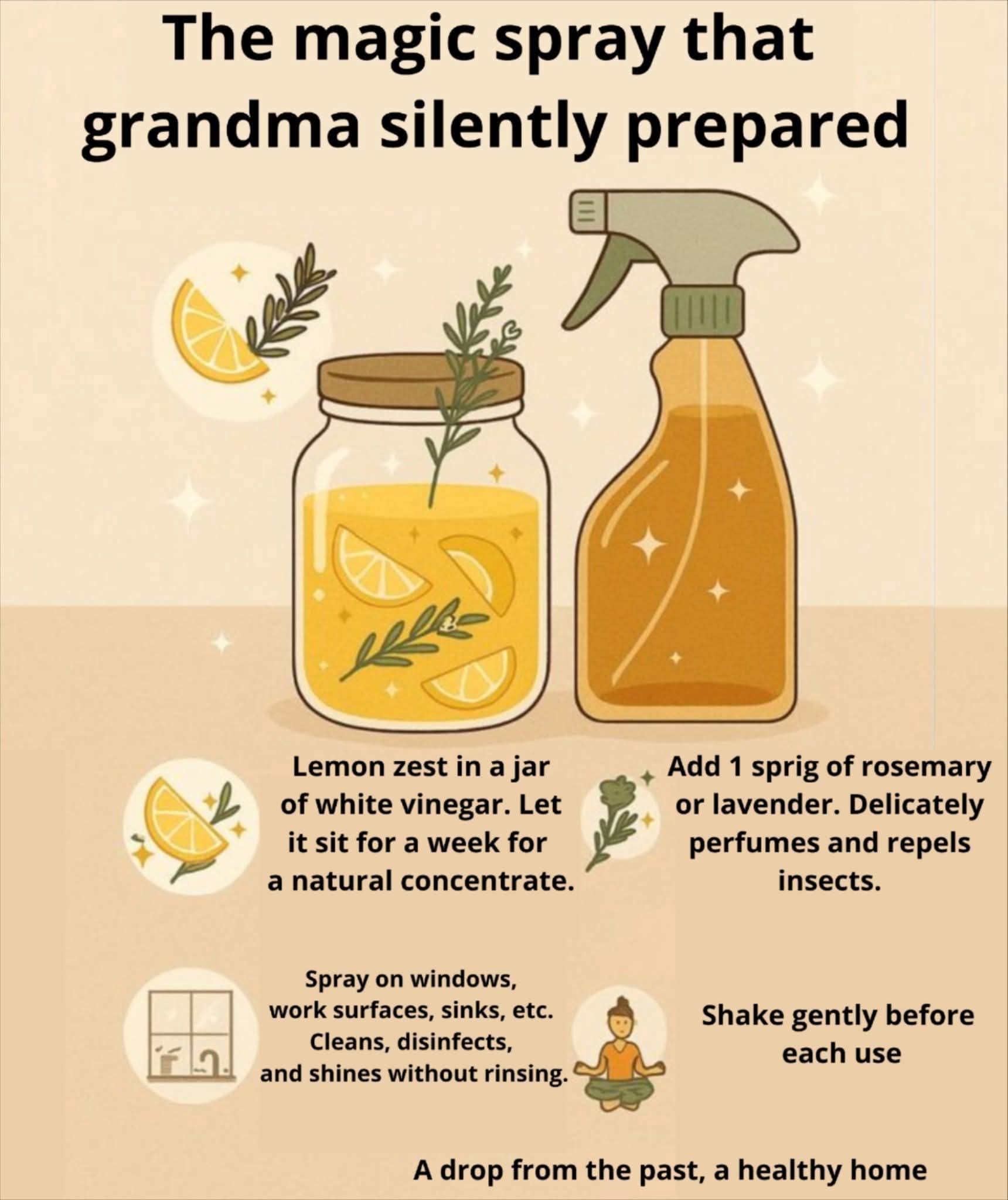
Credit: www.facebook.com
Practical Tips For Kitchen Use
Cleaning with vinegar is a natural way to keep your kitchen germ-free. It is affordable, non-toxic, and effective against many germs. But how do you best use it in your kitchen routine? Here are some practical tips to integrate vinegar into your cleaning.
Daily Cleaning Routine
Start with a simple vinegar-water mix. Equal parts vinegar and water work well. Use a spray bottle for easy application. Spray surfaces and wipe with a clean cloth. This works on countertops, sinks, and tables. It is a quick way to keep germs at bay.
Consider adding a few drops of essential oil. This can improve the scent of the vinegar. Lemon or lavender are good choices. The oil adds a fresh smell and extra cleaning power.
Specific Areas To Target
Focus on high-touch areas. Light switches and cabinet handles are often missed. These spots can harbor many germs. Wipe them daily with your vinegar solution.
Pay attention to cutting boards. Vinegar is effective at killing germs on wood surfaces. After washing, spray with vinegar and let it air dry. This adds an extra layer of protection.
Finally, do not forget the refrigerator. Remove shelves and drawers and clean them with vinegar. It helps to remove odors and kill germs. Keeping your fridge clean helps maintain food safety.

Credit: household-tips.thefuntimesguide.com
Frequently Asked Questions
Does Vinegar Kill Kitchen Germs Effectively?
Vinegar is effective against some germs due to its acidic nature. It can kill certain bacteria and viruses. However, it isn’t as powerful as commercial disinfectants. For more comprehensive cleaning, combine vinegar with other methods. Always ensure proper ventilation when using vinegar in enclosed spaces.
Can Vinegar Replace Kitchen Disinfectants?
Vinegar can replace disinfectants for some tasks, but not all. It’s effective for general cleaning and deodorizing. However, for killing strong pathogens, commercial disinfectants are recommended. Vinegar is a natural alternative for those seeking chemical-free options. Always test surfaces to avoid damage.
How Should I Use Vinegar For Cleaning?
Dilute vinegar with water, usually one part vinegar to one part water. Apply the solution to surfaces using a spray bottle or cloth. Let it sit for a few minutes before wiping. For tougher stains, use undiluted vinegar. Avoid using vinegar on stone countertops to prevent damage.
Is Vinegar Safe For All Kitchen Surfaces?
Vinegar is safe for many surfaces but can damage some. Avoid using it on natural stone surfaces like granite or marble. It can erode the finish and dull the appearance. Test a small area first if unsure. Generally, vinegar is safe for glass, stainless steel, and ceramic surfaces.
Conclusion
Vinegar helps clean surfaces but isn’t a germ killer. Its acidic nature can reduce germs but not eliminate them completely. For effective germ control, use vinegar with other cleaners. Bleach or commercial disinfectants are better choices for killing germs. Regular cleaning still matters.
Dirt and grime can harbor germs. Vinegar offers a natural cleaning option. It’s safe and eco-friendly. But, it lacks strong germ-killing power. Keep your kitchen clean and fresh with regular cleaning habits. Consider using stronger disinfectants for better germ control.
Stay healthy and safe in your kitchen.