Imagine standing in your kitchen, ready to whip up a delicious meal, only to realize your trusty pots and pans might not work on your new induction cooktop. It’s a common dilemma for many home cooks.
You might wonder, “Do I need special cookware for induction? ” This question could be the difference between a seamless cooking experience and a frustrating one. Understanding the specifics of induction-compatible cookware can save you time, money, and a lot of headache.
This article will guide you through everything you need to know, ensuring that your culinary adventures remain uninterrupted. Dive in to discover if your current cookware makes the cut, or if it’s time to invest in something new!
Induction Cooking Basics
Induction cooking is gaining popularity in modern kitchens. Its efficiency and safety appeal to many. Understanding its basics helps in making informed decisions about cookware.
How Induction Works
Induction cooking uses magnetic fields to heat pots and pans. The cooktop generates energy directly to the cookware. This means only the cookware gets hot, not the cooktop itself. It’s fast and energy-efficient. The surface remains cool, reducing burn risks.
Benefits Of Induction Cooking
Induction cooking offers precise temperature control. You can adjust heat instantly, which is great for delicate dishes. Cooking is faster, saving time on meal preparation. The cooktop stays cool, making cleaning easier. It’s also safer, especially with children around. Energy efficiency is another perk. Less energy is wasted, lowering utility bills.

Credit: www.reddit.com
Cookware Compatibility
Choosing the right cookware for your induction cooktop can be puzzling. Unlike traditional stoves, induction cooktops require special attention to the material of your pots and pans. This unique cooking method uses magnetic fields to generate heat, meaning not every cookware piece in your kitchen will work. So, how do you know if your cookware is compatible?
Materials That Work With Induction
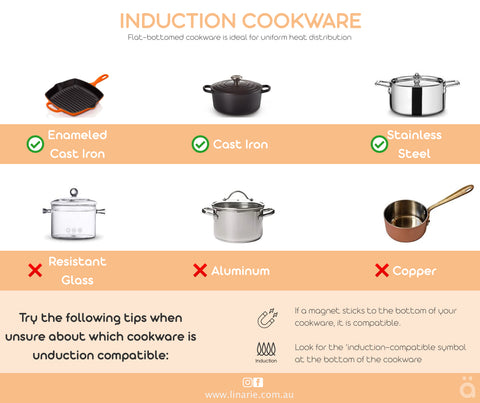
Not all cookware materials are suitable for induction cooking. The essential factor is whether the material is magnetic. Cast iron and stainless steel are excellent choices, as they contain enough ferrous metal to interact with the magnetic field. You might be surprised to learn that some types of stainless steel won’t work, especially if they have a high nickel content, which disrupts the magnetic field.
Some cookware might surprise you with its induction compatibility. For instance, enameled cast iron works beautifully and adds a splash of color to your kitchen. Aluminum and copper, however, are typically not compatible unless they’re layered with a magnetic stainless steel base. This layering allows you to enjoy the benefits of these excellent heat conductors without sacrificing induction functionality.
Identifying Induction-compatible Cookware
Wondering how to identify induction-friendly pots and pans? The simplest method is to check the bottom of your cookware. Many manufacturers label their products with an induction-compatible symbol, often resembling a coil or zigzag. If you don’t see a symbol, try a quick magnet test. Grab a fridge magnet and see if it sticks firmly to the bottom of the pan. If it does, you’re good to go.
Have a favorite pan but unsure about its compatibility? Consider its weight and construction. Induction-compatible cookware tends to be heavier due to its magnetic materials. This weight ensures a secure connection with the induction cooktop. In my experience, this also often translates to better heat retention and even cooking, making your culinary adventures more satisfying.
Next time you’re shopping for cookware, ask yourself: Does this piece meet my induction needs? With the right knowledge and a bit of detective work, you can build a kitchen arsenal that’s both stylish and functional. Have you ever tried cooking with induction-compatible pans? How did it change your cooking experience?
Exploring Cookware Options
Induction cooktops require specific cookware with a magnetic base. Not all pots and pans work on them. Check for compatibility by using a magnet on the cookware’s bottom.
Exploring cookware options for induction cooking can be fascinating. Induction cooktops require specific cookware to function properly. Not all pots and pans are suitable. Understanding which options work best ensures efficient cooking.Popular Induction Cookware Brands
Several brands stand out in the induction cookware market. These brands offer reliable and high-quality products. Some popular names include:- T-fal
- Cuisinart
- All-Clad
- Circulon
- Calphalon
Comparing Traditional Vs. Induction Cookware
Traditional cookware may not work with induction. Induction cooktops need magnetic cookware. This means the base must be magnetic. Induction cookware often has a flat bottom. This ensures even heat distribution. Traditional cookware might have curved bottoms. These may not connect well with the cooktop. Induction cookware usually heats faster. It can offer better energy efficiency. Traditional pots and pans might not be as quick. This can impact cooking time and energy use. In summary, choosing the right cookware is crucial. It affects cooking performance and energy consumption.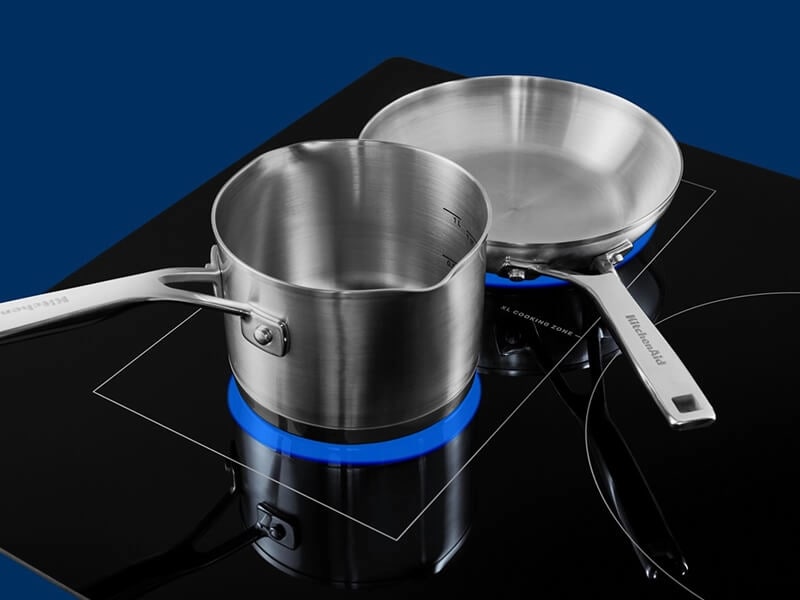
Credit: www.maytag.com
Testing Cookware For Induction
Induction cooking requires compatible cookware with magnetic properties. Check if your pots and pans attract magnets. Stainless steel and cast iron usually work well, while aluminum and copper need special bases.
Testing the compatibility of your cookware for induction cooking can seem like a daunting task. But with a few simple tricks, you can determine whether your pots and pans will work on your induction cooktop. Let’s dive into some practical ways to test and identify effective induction cookware.Simple Tests To Check Compatibility
A quick and easy method is the magnet test. Grab a small magnet and place it at the bottom of your cookware. If the magnet sticks firmly, your cookware is induction compatible. Another way is to check the manufacturer’s label. Many brands will indicate if their product is suitable for induction cooking. Look for symbols or explicit mentions like “induction-safe”. You can also do a water boil test. Place your cookware on the induction hob with some water and turn it on. If the water heats up rapidly, your cookware is likely compatible.Signs Of Effective Induction Cookware
Effective induction cookware often features a flat, smooth bottom. This ensures maximum contact with the cooktop, allowing efficient heat transfer. Cookware made from materials like cast iron or stainless steel usually works well with induction. These materials are known for their magnetic properties and durability. Consider the weight of the cookware. Heavier pots and pans typically perform better on induction hobs due to their solid construction. But, make sure they are manageable for you to handle safely. Remember, the right cookware can make your cooking experience more enjoyable and efficient. How do your current pots and pans measure up?Investing In Quality Cookware
Investing in quality cookware is more than just a choice—it’s a commitment to enhancing your culinary experience. When you switch to induction cooking, the right cookware can transform your kitchen and cooking habits. But do you really need to spend a fortune on these pots and pans? Let’s dive into why investing in high-quality induction cookware might be one of the best decisions for your kitchen.
Long-term Benefits Of Induction Cookware
Imagine cooking meals faster and more efficiently while saving on energy costs. Induction cookware is designed to maximize the unique heating method of induction cooktops, ensuring your food cooks evenly and quickly. This means less time in the kitchen and more time enjoying your meals.
Durability is another significant benefit. High-quality induction cookware often lasts longer due to its robust build and materials. This longevity not only provides value for money but also reduces the hassle of frequent replacements. You’ll enjoy better performance and reliability in every dish you prepare.
Budget-friendly Choices
Quality doesn’t always mean expensive. There are budget-friendly options that offer excellent performance for induction cooking. Look for cookware made from stainless steel or cast iron, which are both effective and reasonably priced.
It’s all about smart choices. Consider purchasing a few key pieces that you use most often rather than a full set. You might start with a versatile frying pan or a reliable saucepan. These items can handle a variety of cooking tasks, making them a valuable addition to your kitchen without breaking the bank.
Have you ever thought about checking out second-hand or clearance sales? Sometimes, you can find top-tier cookware at a fraction of the price. It’s worth exploring if you’re on a tight budget but still want to invest in quality cookware.
Credit: www.carawayhome.com
Faqs On Induction Cookware
Induction cooking is gaining popularity for its energy efficiency and precise temperature control. But, if you’re new to this technology, you might wonder if you need special cookware to get started. Let’s delve into some frequently asked questions about induction cookware and clear up any confusion you might have.
Common Misconceptions
One common belief is that you need to throw out all your current pots and pans. This isn’t entirely true. You only need cookware that’s magnetic and has a flat bottom to work on induction. You can test this by placing a magnet on the base of your pan; if it sticks, you’re good to go.
Another misconception is that induction cookware is prohibitively expensive. While there are high-end options, many affordable brands offer induction-compatible cookware. You don’t need to break the bank to enjoy the benefits of induction cooking.
Expert Tips For Choosing Cookware
When selecting induction cookware, prioritize materials. Cast iron and stainless steel are excellent choices for their durability and heat retention. However, be cautious with stainless steel; some versions have aluminum cores, which aren’t always induction-compatible.
Consider your cooking needs. If you frequently sauté or fry, a sturdy skillet is essential. For pasta lovers, a large pot is a must-have. Tailor your selection based on what you cook most often.
Look for features that enhance your cooking experience. Non-stick surfaces can make cleaning a breeze, while glass lids allow you to monitor your food without losing heat. Small details can make a big difference in your kitchen efficiency.
Ultimately, the best cookware for induction is the one that fits both your budget and cooking style. Have you checked your current collection for compatibility? You might find that you already own some induction-ready pieces!
Frequently Asked Questions
Do Induction Cooktops Need Special Cookware?
Yes, induction cooktops require cookware with magnetic properties. The bottom of the pan must be ferrous metal. This ensures effective heat transfer. Cast iron and stainless steel are typically suitable. Non-magnetic cookware like aluminum won’t work. Always check for the induction-compatible symbol when purchasing new pots and pans.
What Materials Are Suitable For Induction Cooking?
Cookware must have a magnetic base for induction cooking. Common materials include cast iron and stainless steel. These materials ensure proper heat transfer. Aluminum or copper cookware usually isn’t suitable unless they have a magnetic layer. Always verify with the manufacturer’s specifications.
Can You Use Regular Pans On Induction?
Regular pans often don’t work on induction cooktops. They need a magnetic base to function. Check if your pans are induction-compatible. Look for a symbol indicating induction suitability. If not, you may need to invest in suitable cookware. Always test with a magnet before using them.
How To Test Cookware For Induction Compatibility?
To test cookware for induction, use a simple magnet. Place it against the bottom of the pan. If the magnet sticks, it’s compatible. Ensure the magnet clings firmly to confirm effectiveness. This indicates the presence of ferrous metals. Check for an induction-friendly label as an alternative.
Conclusion
Choosing cookware for induction is simple. Ensure it’s compatible. Look for a magnetic base. Steel and iron work best. Aluminum and copper need special layers. Check labels before buying. Investing in the right cookware is wise. It saves time and energy.
Induction cooking is efficient and fast. Enjoy better cooking results. Make informed choices for your kitchen. Happy cooking!