Picture this: You’re staring at stubborn stains on your kitchen countertop, wondering what to do next. You reach for the oven cleaner in your cabinet, thinking it might be the magic solution.
But wait, is that really a good idea? You’re not alone in this dilemma, and the answer might surprise you. Your kitchen countertops are the backbone of your culinary space, where you create delicious meals and memories. It’s crucial to keep them pristine and safe from harm.
So, can you really use oven cleaner on them? Before you spray away, there are essential things you need to know. We’ll explore the dos and don’ts of using oven cleaner on kitchen countertops, helping you make informed choices without risking damage to your beloved surfaces. You’ll gain insights that will not only save your countertops but also your time and effort. Curious to find out more? Let’s dive in and uncover the truth behind this common cleaning question.

Credit: www.reddit.com
Understanding Oven Cleaner Ingredients
Oven cleaners are a staple in many households, prized for their ability to tackle stubborn grime and baked-on grease. However, their potent formula raises a critical question: can these cleaners be safely used on kitchen countertops? Understanding the ingredients in oven cleaners is key to answering this question. Let’s dive into what makes these cleaners tick and how they interact with various surfaces.
Oven cleaners typically contain strong chemicals designed to break down tough stains and residues. The primary ingredient often found is sodium hydroxide, also known as lye. This powerful alkaline substance works by breaking down organic material, making it highly effective in cleaning ovens.
Another common component is butoxyethanol, which acts as a solvent to dissolve grease. While efficient in removing greasy build-up, it can be harsh on certain materials. Additionally, these cleaners may include surfactants that help spread the cleaner evenly across surfaces.
Given these ingredients, you might wonder if they are suitable for your kitchen countertops. Consider the material of your countertops. Are they made of granite, laminate, or marble? Each has different reactions to chemicals. For instance, lye can damage natural stone surfaces by eating away at the sealant.
Take a moment to think about the long-term effects. While a cleaner might not immediately ruin your countertops, repeated use can lead to discoloration or erosion. Have you considered alternative cleaning methods for your kitchen surfaces? Sometimes, less aggressive solutions like baking soda or vinegar can be just as effective without the risk.
What do you prioritize when choosing a cleaning product for your home? Is it efficiency, safety, or environmental impact? Balancing these factors can help you make an informed decision about using oven cleaner on your kitchen countertops. Always read labels and test cleaners in inconspicuous areas before applying them widely.
Types Of Kitchen Countertops
Oven cleaner might damage kitchen countertops depending on the material. Granite and marble can get etched by harsh chemicals. Consider using it only on durable surfaces like stainless steel, but always spot-test first to avoid damage.
Types of Kitchen Countertops Choosing the right kitchen countertop is crucial. It affects both the look and function of your kitchen. Each type has unique features. Some are more durable, others are more stylish. Knowing these differences helps you make an informed decision.Granite
Granite countertops are popular for their durability. They resist heat and scratches. Each slab is unique in color and pattern. This adds a natural beauty to any kitchen. Regular sealing is needed to prevent stains.Quartz
Quartz is engineered stone. It offers uniform patterns and colors. It resists stains and scratches well. Unlike granite, it does not require sealing. Its non-porous nature makes cleaning easy and hygienic.Laminate
Laminate countertops are affordable and versatile. They come in many colors and patterns. They mimic wood, stone, or metal looks. However, they are less resistant to heat and scratches. Proper care extends their lifespan.Marble
Marble is known for its elegance. It adds a touch of luxury to kitchens. It is softer and more porous than granite. It requires regular sealing and gentle cleaning. Its beauty compensates for the extra care needed.Wood
Wood countertops bring warmth to kitchens. They are ideal for cutting and food prep. Regular sealing prevents water damage. They require more maintenance than other types. Their aesthetic appeal is timeless and inviting.Effects Of Oven Cleaner On Different Surfaces
Oven cleaner is powerful. It’s designed to tackle stubborn grease and grime. But its strength can damage certain surfaces. Knowing the effects on different countertop materials is crucial. Each material reacts uniquely. Let’s explore the impact on common kitchen surfaces.
Granite And Natural Stones
Granite and natural stones are porous. Oven cleaner can seep into pores, causing damage. It may lead to discoloration and dullness. The harsh chemicals can etch the surface. This results in a rough texture. Use a gentle cleaner for these surfaces. It preserves their natural beauty.
Synthetic Materials
Synthetic materials like laminate are more resistant. Yet, they aren’t immune. Oven cleaner can cause fading and discoloration. It may also weaken the adhesive bonds. This can result in peeling or bubbling. Always test a small area first. Ensure the product is safe for use.
Wood Surfaces
Wood surfaces are sensitive to harsh chemicals. Oven cleaner can strip away protective finishes. It leads to a dull and unprotected surface. The wood may absorb moisture, causing warping. Use a mild soap for wood countertops. It keeps them clean and well-maintained.

Credit: www.reddit.com
Safe Cleaning Alternatives
Using oven cleaner on kitchen countertops is not recommended. Harsh chemicals can damage surfaces and leave harmful residues. Opt for milder alternatives like vinegar or baking soda for safe cleaning.
Cleaning your kitchen countertops can be a challenging task, especially when you’re unsure about the safety of certain products. Oven cleaner, for instance, is a powerful chemical, but using it on your countertops might not be safe. Fortunately, there are numerous safe cleaning alternatives that can help you maintain a spotless kitchen without risking damage to your surfaces. Let’s delve into some practical and effective solutions.Natural Cleaners
Consider the power of nature. Baking soda and vinegar are two household staples that can work wonders on most countertop materials. Create a paste with baking soda and water, apply it to stains, and let it sit for a few minutes before wiping clean. Vinegar is excellent for cutting through grease and grime. Simply spray it on the surface, let it sit for a minute, and wipe away with a damp cloth. Plus, these natural solutions are safe for both you and the environment.Commercial Products
There are plenty of commercial cleaners designed specifically for kitchen countertops. Look for products labeled safe for your specific countertop material, such as granite or quartz. Brands like Method or Mrs. Meyer’s offer eco-friendly options that clean effectively without harsh chemicals. Always check the label to ensure that the cleaner won’t harm your countertop’s finish. A quick test on a small, hidden area can save you from potential damage.Diy Solutions
Why not try making your own cleaner? Combine equal parts of water and rubbing alcohol for a quick disinfectant. Add a few drops of essential oil for a pleasant scent and extra cleaning power. For stubborn spots, a mixture of lemon juice and salt can act as a mild abrasive. These DIY solutions not only save money but also ensure you know exactly what goes into your cleaner. What cleaning alternatives have you tried, and which ones have worked best for your kitchen?Precautions When Using Oven Cleaner
Oven cleaners are powerful and effective for removing tough stains. But using them on kitchen countertops requires caution. The chemicals in these cleaners can damage some surfaces. Here are key precautions to follow.
Protective Gear
Always wear protective gear to shield yourself. Use rubber gloves to protect your hands. This prevents skin irritation or burns. Safety goggles keep your eyes safe from splashes. Consider wearing a mask to avoid inhaling fumes.
Ventilation Needs
Ensure your kitchen is well-ventilated before starting. Open windows and doors to let fresh air in. Turn on the exhaust fan if available. This reduces the buildup of harmful fumes in your kitchen.
Spot Testing
Test the cleaner on a small area first. Choose an inconspicuous spot on your countertop. Apply a small amount and wait for a few minutes. Check for any discoloration or damage. If safe, proceed with cleaning the entire surface.
Steps For Proper Cleaning
Using oven cleaner on kitchen countertops is not recommended. It can damage surfaces and pose health risks. Opt for gentle cleaners designed for countertops to ensure safe and effective cleaning.
Cleaning kitchen countertops with oven cleaner can be tricky. It’s crucial to follow the right steps to avoid damage. Proper cleaning ensures safety and maintains countertop quality. Here’s a detailed guide to help you clean effectively.Preparation
Start by gathering your materials. You need an oven cleaner, protective gloves, and a cloth. Ensure the room is well-ventilated by opening windows. Remove any items from the countertop. Wipe the surface with a damp cloth to remove loose debris. Check the cleaner’s instructions to ensure compatibility with your countertop material.Application
Spray the oven cleaner on a small, hidden area first. Test for any adverse reactions. If safe, apply the cleaner evenly across the countertop. Use a gentle circular motion for better coverage. Allow the cleaner to sit for the time specified on the label. Avoid leaving it on longer than recommended to prevent damage.Post-cleaning Care
Wipe off the cleaner with a damp cloth. Rinse thoroughly to remove any residue. Dry the surface with a clean towel. Inspect for any missed spots or discoloration. If needed, repeat the process for stubborn stains. Finish by applying a countertop-safe polish for extra shine.When To Consult A Professional
Consult a professional before using oven cleaner on kitchen countertops. Some surfaces may be damaged by harsh chemicals. Experts can offer safer alternatives to maintain countertop quality.
When dealing with stubborn kitchen countertop stains, you might wonder if oven cleaner is the solution. While it can be tempting to tackle the problem yourself, certain situations call for professional help. Knowing when to consult a professional can save you from potential damage and costly repairs.Assessing The Type Of Countertop Material
Understanding your countertop material is crucial. Some materials, like granite or marble, are sensitive to harsh chemicals. A professional can assess the situation and recommend the safest cleaning methods.Severe Stain Situations
If stains persist despite your efforts, it might be time to call in the experts. Professionals have access to specialized products and techniques. They can effectively handle even the most stubborn stains without compromising the integrity of your countertop.Concerns About Harmful Chemicals
Oven cleaners often contain strong chemicals that can be hazardous. If you’re worried about these chemicals affecting your health or the environment, consulting a professional is wise. They can use eco-friendly alternatives that are both safe and effective.Previous Damage Or Repairs
Have you noticed previous damage or repairs on your countertop? Using harsh cleaners might exacerbate these issues. A professional can evaluate the condition and ensure that cleaning does not worsen any existing problems.Lack Of Time Or Expertise
Sometimes, life gets busy, and you might not have the time or expertise to tackle the cleaning yourself. Professionals can quickly and efficiently handle the task, leaving your countertops spotless and you stress-free. Taking the step to consult a professional can be a smart move. It ensures your kitchen countertops remain beautiful and functional. Have you ever considered the long-term benefits of professional cleaning?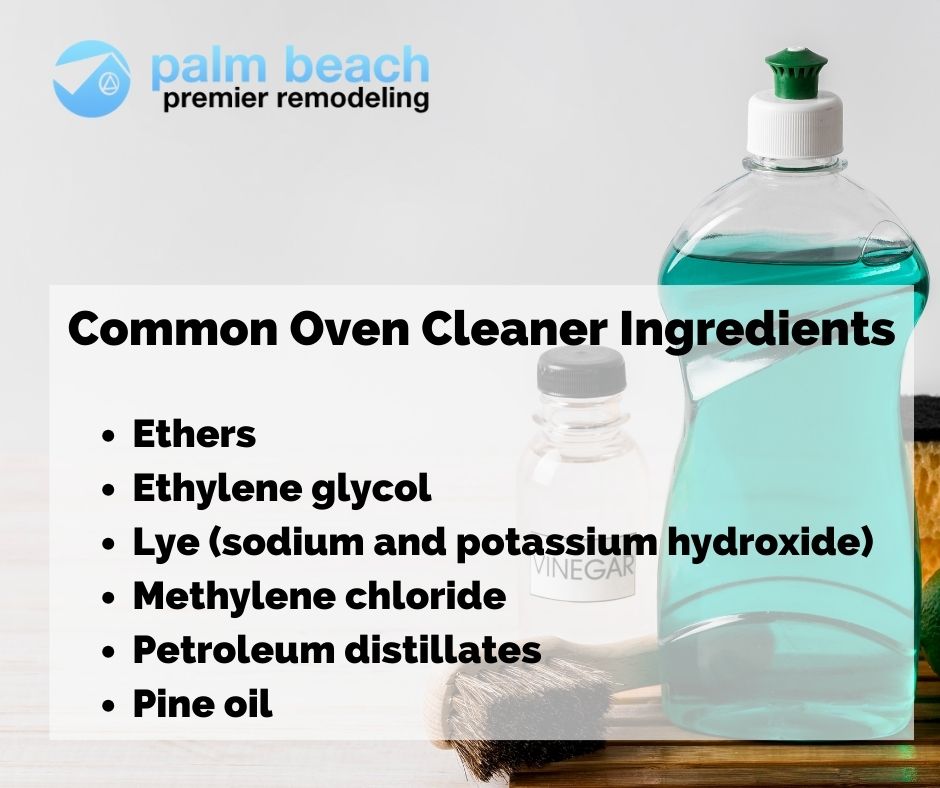
Credit: pbphomerepair.com
Frequently Asked Questions
Is Oven Cleaner Safe For Countertops?
Oven cleaners are not recommended for countertops. They can damage surfaces like laminate, granite, and marble. Always use a cleaner specifically designed for your countertop material. This ensures safety and maintains the surface’s integrity.
What Happens If Oven Cleaner Is Used On Countertops?
Using oven cleaner on countertops can cause discoloration and damage. The strong chemicals may etch or dull the surface. It’s best to clean spills immediately and use gentle, appropriate cleaners for your countertop material.
How To Clean Countertops Safely?
For safe cleaning, use mild soap and warm water. For stubborn stains, consider a homemade vinegar solution or a cleaner designed for your countertop material. Always dry the surface to prevent water damage.
Can Oven Cleaner Remove Stains From Countertops?
Oven cleaners are not suitable for removing stains from countertops. Their harsh chemicals can damage the surface. Opt for a gentle stain remover specifically for countertops to avoid damage.
Conclusion
Oven cleaner can damage kitchen countertops. It’s not worth the risk. Always read labels before using cleaning products. Some surfaces can’t handle harsh chemicals. Safer options exist for cleaning countertops. Mild soap and water work well. Vinegar and baking soda are good alternatives too.
They clean without harming surfaces. It’s wise to test any cleaner on a small area first. This prevents damage. Keep your kitchen looking great by choosing safe cleaning methods. Your countertops will last longer and stay beautiful. Remember, gentle care keeps your kitchen inviting and functional.