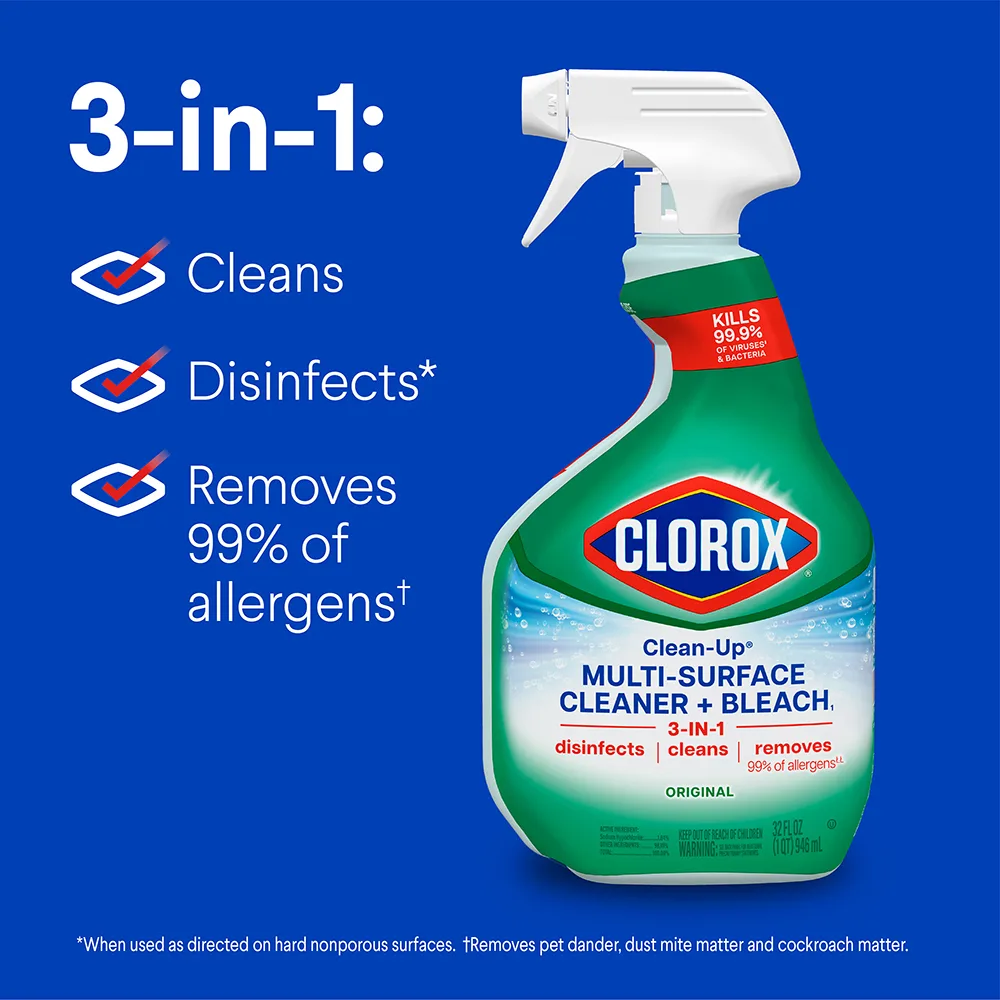
Imagine this: you’re standing in your kitchen, looking at stubborn stains that just won’t budge. You reach for your trusty Clorox Bathroom Cleaner, wondering, “Could this work here, too?”
You’re not alone in this thought. Many people find themselves pondering whether their bathroom cleaner can double as a kitchen miracle worker. After all, who wouldn’t want a cleaner that gets the job done with minimal effort? But before you start spraying, there are some essential things you should know.
Your kitchen is a place where food is prepared, and safety is paramount. So, let’s dive into whether Clorox Bathroom Cleaner is a friend or foe in your culinary workspace. Stay with us as we explore its potential uses, benefits, and risks, ensuring you make the best decision for your home.

Credit: www.amazon.com
What Is Clorox Bathroom Cleaner?
Clorox Bathroom Cleaner is a popular cleaning product. It is known for its effectiveness in tackling bathroom grime. This cleaner is specifically designed to target tough stains. It’s formulated to handle soap scum, mildew, and mold. Many people rely on it for deep cleaning their bathrooms. But what exactly is Clorox Bathroom Cleaner?
Ingredients In Clorox Bathroom Cleaner
The cleaner contains powerful ingredients. These include disinfectants and surfactants. Disinfectants kill germs and bacteria. Surfactants help break down dirt and grime. This combination makes it effective for cleaning.
How Does Clorox Bathroom Cleaner Work?
The cleaner works by breaking down tough stains. It penetrates soap scum and mold. This makes scrubbing easier and less time-consuming. It’s a favorite for tackling stubborn bathroom messes.
Safety Tips For Using Clorox Bathroom Cleaner
- Wear gloves to protect your skin.
- Avoid mixing with other chemicals.
- Ensure proper ventilation in the area.
- Keep out of reach of children and pets.
Common Uses Of Clorox Bathroom Cleaner
This cleaner is primarily used in bathrooms. It cleans showers, tubs, and sinks. It also disinfects toilet bowls. Many trust it for a thorough bathroom clean.

Credit: www.amazon.com
Ingredients And Their Functions
Clorox Bathroom Cleaner contains bleach and surfactants for effective stain removal. Its strong formula targets tough bathroom grime. However, using it in the kitchen might not be ideal due to its potent chemicals, which may not suit food preparation areas.
Understanding the ingredients in Clorox Bathroom Cleaner helps you decide its kitchen use. Each component has a specific role in cleaning and disinfecting surfaces. Knowing their functions aids in assessing safety and effectiveness for kitchen application. Let’s explore the main ingredients found in Clorox Bathroom Cleaner.Water
Water acts as a solvent in Clorox Bathroom Cleaner. It dissolves other ingredients, allowing them to spread evenly. This ensures a uniform application and effective cleaning.Alkyl Dimethyl Benzyl Ammonium Chloride
This compound serves as a disinfectant. It kills bacteria and viruses on surfaces. Essential for maintaining hygiene, especially in areas with food preparation.Sodium Carbonate
Sodium carbonate, or washing soda, is a cleaning agent. It helps in removing grease and dirt. Its alkaline nature makes it effective against acidic stains.Surfactants
Surfactants lower the surface tension of water. They help the cleaner spread and penetrate grime. This makes it easier to wipe away dirt and residues.Fragrance
A pleasant scent is added to mask chemical odors. It leaves surfaces smelling fresh after cleaning. This enhances the overall cleaning experience.Colorant
Colorants give the cleaner its distinct appearance. They have no cleaning function but make the product visually appealing. They help users identify the cleaner easily. Understanding these ingredients helps determine if Clorox Bathroom Cleaner is suitable for kitchen use. Ensuring safety is crucial when using chemical cleaners near food.Safety Concerns In The Kitchen
Using Clorox Bathroom Cleaner in the kitchen may raise safety concerns. Kitchens have unique surfaces and food preparation areas. It’s vital to understand how cleaning products interact with these environments. Safety is key when choosing a cleaner for the kitchen.
Potential Chemical Reactions
Bathroom cleaners often contain potent chemicals. These can react with food-related items and surfaces. Mixing cleaning agents can release harmful fumes. Ensure the cleaner does not react with kitchen substances.
Impact On Food Surfaces
Food surfaces need special care. Clorox Bathroom Cleaner may damage countertops or utensils. It might leave residues unsafe for food contact. Always check if the cleaner is suitable for kitchen use.
Manufacturer Guidelines
When considering the use of Clorox Bathroom Cleaner in your kitchen, understanding the manufacturer’s guidelines is crucial. These guidelines ensure safe usage and help you avoid any unintended consequences. Let’s dive into the specifics to see if this cleaner is suitable for your kitchen surfaces.
The manufacturer provides clear instructions on where and how to use Clorox Bathroom Cleaner effectively. It’s essential to adhere to these guidelines to prevent damage and ensure safety. But what do these guidelines entail?
Ingredients And Chemical Composition
Clorox Bathroom Cleaner is formulated specifically for bathroom surfaces. Its ingredients are tailored to tackle soap scum and mold, which may not be present in your kitchen. You might wonder if these chemicals could impact the food-preparation areas.
Recommended Usage Areas
Clorox clearly states the recommended usage areas on its packaging. Generally, the product is intended for bathroom tiles, tubs, and sinks. Using it in the kitchen might not be advisable unless specified by the manufacturer. Have you checked the label yet?
Warnings And Precautions
Alongside usage instructions, Clorox provides warnings and precautions. These include avoiding contact with food and ensuring proper ventilation during use. How well do you follow these precautions in your cleaning routine?
Alternative Products
If the guidelines suggest avoiding Clorox Bathroom Cleaner in the kitchen, consider alternatives. Clorox offers products specifically designed for kitchen cleaning. Have you explored these options for a safer kitchen environment?
Personal Experience
Many users have shared their experiences with Clorox products. Some find the bathroom cleaner effective on tough kitchen grease, despite manufacturer warnings. Have you tried it, and if so, what was your experience?
Alternatives For Kitchen Cleaning
Exploring alternatives for kitchen cleaning? Clorox Bathroom Cleaner can be used in the kitchen. It effectively removes grease and grime, ensuring a clean surface. Just ensure proper ventilation and follow safety instructions for best results.
Cleaning the kitchen is vital for a healthy home. While Clorox Bathroom Cleaner is effective, it’s not ideal for kitchen surfaces. The kitchen requires different solutions. Let’s explore alternatives that are safe and effective.Natural Cleaning Options
Natural cleaners are gentle and safe for kitchen use. They avoid harsh chemicals. Vinegar is a popular choice. It cuts through grease and eliminates odors. Mix equal parts of vinegar and water in a spray bottle. Apply to surfaces and wipe with a cloth. Baking soda is another powerful cleaner. It scrubs away stubborn stains. Sprinkle it on surfaces and scrub with a damp sponge. Lemon juice is also effective. It acts as a natural bleach. Combine it with salt for an extra cleaning boost.Kitchen-specific Products
Commercial kitchen cleaners are designed for these surfaces. They target grease and food stains. Choose products labeled safe for kitchen use. Multi-surface cleaners work on counters, appliances, and sinks. Ensure they are food-safe. Many are available in eco-friendly options. These cleaners are effective without harmful chemicals. Dish soap is another versatile cleaner. It removes grease from dishes and surfaces. Mix it with warm water for a simple cleaning solution.Consumer Experiences
Using Clorox Bathroom Cleaner in the kitchen is possible. Ensure it’s safe for kitchen surfaces and follow instructions. Always rinse thoroughly after cleaning to avoid residue.
Consumer experiences with Clorox Bathroom Cleaner in the kitchen vary widely. Some users find it effective for stubborn stains and grease. Others face issues with its strong chemicals. This section explores both sides.Success Stories
Many consumers share positive outcomes. They praise its ability to cut through grease on stovetops. Users also mention how it removes stains from kitchen tiles. A few even find it useful for cleaning the sink. Its strong formula seems to work well in these cases.Reported Issues
Some consumers express concerns about using it in the kitchen. They worry about its strong chemical smell. A few report irritation on their skin after use. Others mention it leaves residue on surfaces. These experiences highlight the need for caution.Expert Opinions
When considering the use of Clorox Bathroom Cleaner in your kitchen, it’s crucial to tap into the wisdom of experts. Their insights provide a well-rounded perspective on whether this cleaner can safely and effectively cross the boundary from bathroom to kitchen. Let’s dive into what the experts have to say.
Health And Safety Experts
Health and safety experts often emphasize the importance of using products as intended. They caution against using bathroom cleaners in the kitchen due to their formulation, which may contain chemicals not suitable for food preparation areas. You need to consider potential residue left on surfaces where food is handled.
Have you ever thought about what happens if a cleaner leaves behind toxic residues? It’s a crucial question, especially in spaces where you prepare food. Experts recommend checking labels thoroughly and opting for cleaners specifically designed for kitchen use to ensure your family’s health isn’t compromised.
Cleaning Professionals
Cleaning professionals bring a practical perspective to the debate. They highlight that bathroom cleaners, like Clorox, are formulated to tackle soap scum and hard water stains rather than food grime and grease. This difference in cleaning targets might affect their efficacy in the kitchen.
Imagine spending extra time scrubbing your countertops because the cleaner isn’t doing its job. Cleaning professionals suggest sticking to products designed for kitchen surfaces to save time and achieve better results. Have you ever tried using bathroom cleaner in the kitchen only to find it less effective? It’s a common issue that can be avoided with the right choice of cleaner.
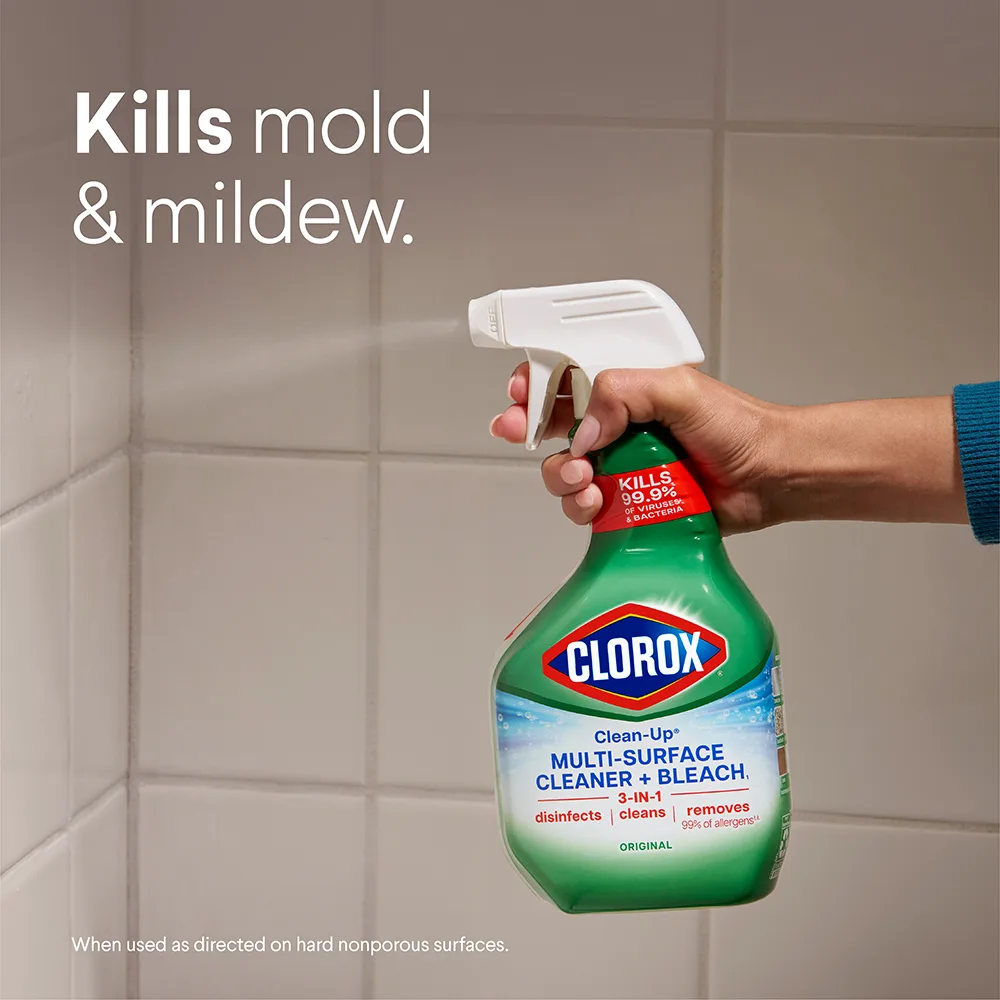
Credit: www.clorox.com
Tips For Safe Cleaning Practices
Using Clorox Bathroom Cleaner in the kitchen is not recommended due to the different surfaces and residues. Opt for a cleaner specifically designed for kitchen use to ensure safety and effectiveness. Always read labels and follow usage instructions for the best results.
Cleaning can be a daunting task, especially when considering the safety of the products you use. When using Clorox Bathroom Cleaner in your kitchen, it’s crucial to adopt safe cleaning practices to ensure not only the cleanliness of your space but also the safety of your household. Below are some essential tips to keep in mind for a worry-free cleaning experience.Read The Label Carefully
Always start by reading the product label thoroughly. The instructions will provide critical information about proper usage and any precautions you should take. If the label advises against using the cleaner on kitchen surfaces, it’s best to adhere to those guidelines.Test On A Small Area First
Before applying the cleaner to a large area, test it on a small, inconspicuous spot. This will help you ensure that it doesn’t damage or discolor your kitchen surfaces. It’s better to be safe than sorry when it comes to your countertops and appliances.Ensure Proper Ventilation
Cleaning products can emit strong odors and fumes, so make sure your kitchen is well-ventilated. Open windows and doors, or use an exhaust fan to allow fresh air to circulate. This will help disperse any potentially harmful fumes, keeping the air you breathe clean and safe.Use Gloves To Protect Your Skin
Protect your hands by wearing gloves while cleaning. This is especially important if you have sensitive skin or any open cuts. Gloves provide a barrier between your skin and potentially harsh chemicals.Avoid Mixing With Other Cleaners
Mixing cleaning products can be dangerous. For instance, combining bleach-based products with ammonia can release toxic gases. Stick to one cleaner at a time to prevent any hazardous reactions.Rinse Thoroughly After Cleaning
After using Clorox Bathroom Cleaner, rinse the surfaces well with water. This step is crucial to remove any residue that might linger and potentially contaminate food. A clean, damp cloth is usually effective for wiping down surfaces post-cleaning.Store The Cleaner Safely
Keep the cleaner out of reach of children and pets. A high shelf or a locked cabinet is ideal for storage. By doing so, you minimize the risk of accidental ingestion or contact. Implementing these tips can make your cleaning routine safer and more efficient. Are there any other cleaning practices you find essential in your kitchen? Share your thoughts and experiences below!Frequently Asked Questions
Is Clorox Bathroom Cleaner Safe For Kitchen Use?
Clorox Bathroom Cleaner is not recommended for kitchen use. It is specifically designed for bathroom surfaces. For kitchen cleaning, it is better to use products formulated for food-preparation areas. Always follow the manufacturer’s guidelines to ensure safety and effectiveness.
Can Clorox Bathroom Cleaner Clean Kitchen Grease?
Clorox Bathroom Cleaner is not designed to tackle kitchen grease. It is formulated for bathroom-specific dirt and grime. For grease removal, use a kitchen degreaser. Ensure you choose a cleaner suitable for kitchen surfaces to maintain hygiene and safety.
Does Clorox Bathroom Cleaner Disinfect Kitchen Surfaces?
Clorox Bathroom Cleaner is not suitable for disinfecting kitchen surfaces. It is tailored for bathroom use. For kitchen disinfection, opt for cleaners specifically made for food-contact surfaces. These products ensure effective germ removal while maintaining safety standards.
Can Clorox Bathroom Cleaner Remove Kitchen Stains?
Clorox Bathroom Cleaner is not ideal for kitchen stain removal. It targets bathroom-specific stains. For kitchen stains, use a cleaner designed for kitchen surfaces. This ensures effective cleaning without damaging surfaces and maintains food safety standards.
Conclusion
Clorox Bathroom Cleaner works great for bathrooms. But, it’s not ideal for kitchens. This cleaner contains chemicals. They may not be safe for kitchen surfaces. Especially where food is prepared. Choose cleaners labeled safe for kitchens. These are usually less harsh.
They help keep your family safe. Always read labels carefully. Follow instructions for best results. Keeping both your bathroom and kitchen clean is important. But, using the right cleaner for each is key. Your home will be sparkling. And safe for everyone.