
Imagine you’re in the middle of cleaning your kitchen, and you suddenly realize you’ve run out of your usual kitchen cleaner. You glance over at the bathroom cleaner and wonder, “Can I use this here?”
It’s a common question that might pop up, especially when you’re juggling a busy schedule and trying to keep your home spotless. You want solutions that work, and you want them now. But is it safe? Is it effective? This article will answer your questions and guide you through the dos and don’ts of using bathroom cleaner in the kitchen.
You’ll discover how certain products can affect your kitchen surfaces and whether they align with your cleaning goals. Keep reading to ensure your cleaning efforts are both safe and efficient, providing you with peace of mind and a sparkling kitchen.

Credit: www.linkedin.com
Bathroom Cleaner Ingredients
Bathroom cleaners contain ingredients like bleach and disinfectants. They are effective in removing tough stains and germs. Using them in the kitchen is possible, but ensure compatibility with surfaces and food safety.
When choosing cleaners, understanding their ingredients is vital. Bathroom cleaners have specific components designed to tackle tough stains and grime. These ingredients often differ from those in kitchen cleaners. They are formulated to handle soap scum, mildew, and hard water deposits. This makes them effective for bathroom surfaces but raises questions about their use in other areas like the kitchen.Common Bathroom Cleaner Ingredients
Bathroom cleaners frequently contain bleach. Bleach is a powerful disinfectant and stain remover. It is effective in killing germs and whitening surfaces. Yet, it can be too harsh for kitchen surfaces and food-preparation areas.Acids And Their Role
Many bathroom cleaners have acids like citric or phosphoric acid. These acids help break down mineral deposits and soap scum. They are great for tiles and sinks. But using them in the kitchen can risk damaging countertops and appliances.Surfactants For Cleaning Power
Surfactants are crucial in bathroom cleaners. They help lift dirt and grease, making cleaning easier. While useful, they might leave residues unsuitable for kitchen surfaces where food is prepared.Fragrances For Freshness
Fragrances are added to bathroom cleaners for a pleasant smell. They mask strong chemical odors. But these scents can be overwhelming in the kitchen, where food smells should be dominant. Safety is key when using bathroom cleaners. Protective measures like gloves and masks are advised. Ingredients can be irritants, making them unsuitable for areas where food is handled frequently.:max_bytes(150000):strip_icc()/SPR-how-pro-cleaners-clean-a-sink-11781060-recirc-d43f366f6fda4e2aa23983aa321c6efa.jpg)
Credit: www.thespruce.com
Kitchen Surface Compatibility
Choosing the right cleaner for kitchen surfaces is essential. Kitchens have diverse surfaces that demand specific care. Using bathroom cleaner on kitchen surfaces raises compatibility concerns. It’s vital to understand which surfaces can handle bathroom cleaners without harm.
Understanding Kitchen Surface Materials
Kitchen surfaces vary widely in materials. Common ones include granite, stainless steel, and laminate. Each material reacts differently to cleaners. Granite countertops may resist bathroom cleaners, but stainless steel might not. Knowing your kitchen’s surfaces helps in choosing compatible cleaning solutions.
Potential Risks Of Using Bathroom Cleaners
Bathroom cleaners often contain harsh chemicals. These can damage certain kitchen surfaces. For instance, acidic cleaners might erode marble countertops. They could also dull the shine of stainless steel appliances. Always check cleaner ingredients before use.
Benefits Of Using Dedicated Kitchen Cleaners
Dedicated kitchen cleaners are formulated for kitchen surfaces. They ensure compatibility and safety. These cleaners often contain milder ingredients. This makes them suitable for sensitive surfaces. They also help maintain the appearance and longevity of your kitchen.
Testing Compatibility Before Use
Always test cleaners on small areas first. Check for any adverse reactions. Look for discoloration or surface damage. This simple test helps avoid widespread harm. It ensures the cleaner is safe for your kitchen surfaces.
Consulting Manufacturer Guidelines
Manufacturers provide cleaning guidelines for kitchen surfaces. These guidelines offer valuable insights. They suggest which cleaners are safe to use. Following these can prevent damage. It ensures surfaces remain in good condition.
Potential Health Risks
Using a bathroom cleaner in the kitchen might seem harmless at first glance. After all, both spaces require regular cleaning to maintain hygiene. However, this practice could expose you to potential health risks that are worth considering. Let’s delve into how chemical exposure and allergenic reactions can pose serious threats.
Chemical Exposure
Bathroom cleaners often contain strong chemicals formulated to tackle tough grime and bacteria found in bathrooms. These chemicals can linger on kitchen surfaces and utensils, especially if not rinsed properly. Imagine preparing a meal on a countertop that still has residues of these chemicals. You might inadvertently ingest them, leading to health issues such as stomach upset or even more severe reactions.
Moreover, these cleaners may release fumes that can be harmful if inhaled over time. Have you ever felt a slight headache or dizziness after cleaning? That could be a sign of chemical exposure. In a kitchen, where you spend a lot of time, these fumes can accumulate and affect your respiratory health.
Allergenic Reactions
Another concern is allergenic reactions. Many bathroom cleaners contain ingredients that can trigger allergies, such as fragrances or preservatives. These allergens can irritate your skin or respiratory system, causing symptoms like sneezing, itching, or rashes. If you have a known allergy, using bathroom cleaners in the kitchen could exacerbate your condition.
Consider your family members or guests with sensitivities. How might they react if exposed to these allergens while visiting your kitchen? It’s essential to think about the broader impact on those around you and choose products that minimize risk.
So, next time you’re tempted to use a bathroom cleaner in the kitchen, pause and think about the potential health implications. Are the risks worth the convenience? Your health and that of your loved ones should always come first.
Environmental Impact
Using bathroom cleaners in the kitchen may pose environmental risks. These products often contain harsh chemicals. Such chemicals can harm aquatic life when washed down drains. Always choose eco-friendly alternatives for safer cleaning practices.
The environmental impact of using bathroom cleaners in the kitchen is significant. These cleaners often contain harsh chemicals. They can harm the environment. Understanding their impact is crucial for making eco-friendly choices.Potential Chemical Runoff
Bathroom cleaners often contain strong chemicals. These can enter water systems. This runoff harms aquatic life. Protecting water sources is essential.Air Quality Concerns
Using harsh cleaners can affect indoor air quality. Fumes may linger in the air. This can impact respiratory health. Choose cleaners with natural ingredients.Biodegradability
Some bathroom cleaners are not biodegradable. They persist in the environment. This can lead to long-term ecological damage. Opt for biodegradable products to reduce harm.Packaging Waste
Cleaner packaging often ends up in landfills. Non-recyclable materials contribute to pollution. Seek products with minimal packaging to lessen waste.Eco-friendly Alternatives
Consider using kitchen-specific cleaners. They are often gentler on the environment. Look for products with eco-friendly labels.Alternatives To Bathroom Cleaners
Using bathroom cleaners in the kitchen might not be safe. These products are formulated for bathroom surfaces and may contain harsh chemicals. Luckily, there are safer alternatives for kitchen cleaning. You can choose from natural solutions or products designed specifically for kitchen use.
Natural Cleaning Solutions
Natural cleaners are effective and safe for the kitchen. They often use simple ingredients found at home. Vinegar and baking soda make excellent cleaning agents. Mix vinegar with water to clean countertops and appliances. Baking soda can scrub away tough stains and deodorize surfaces. Lemon juice is another great option. It cuts through grease and leaves a fresh scent. Essential oils can also be added for extra cleaning power and fragrance.
Kitchen-specific Products
There are many cleaning products made just for kitchens. These are designed to handle grease and food residue. Kitchen cleaners are often non-toxic and food safe. Look for products labeled as multipurpose kitchen cleaners. They can clean countertops, stovetops, and sinks effectively. Some brands offer eco-friendly options with plant-based ingredients. These are gentle on surfaces and the environment.
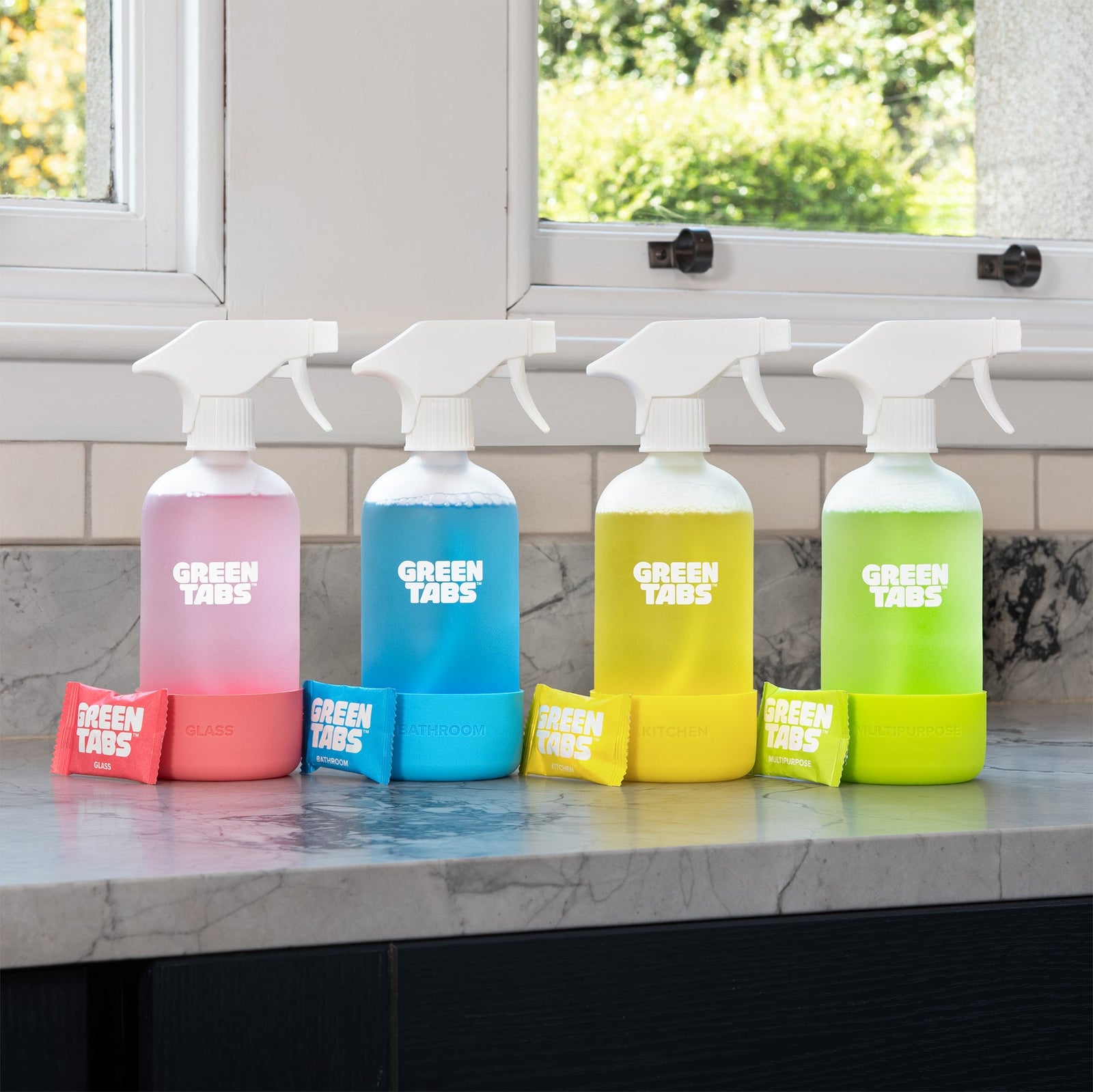
Credit: www.thegreencompany.online
Safety Precautions
Using bathroom cleaners in the kitchen can be risky. These products may contain chemicals not safe for food surfaces. Ensure to use cleaners specifically designed for kitchen use to avoid contamination.
Safety Precautions Using bathroom cleaners in the kitchen might save you time, but it’s crucial to consider safety precautions to protect your health and home. Different cleaners have unique chemical compositions, which may not be safe for all surfaces or environments. Are you sure you’re using that cleaner in a safe way? Let’s delve into some important safety tips.Proper Ventilation
When using any cleaner, especially ones designed for bathrooms, make sure your kitchen is well-ventilated. Open windows and doors to allow fresh air to circulate. This helps to disperse potentially harmful fumes that might build up while you’re cleaning. If possible, use exhaust fans to actively remove these fumes. It’s a small step that can make a big difference in maintaining air quality. Remember, a well-ventilated space keeps you breathing easy.Protective Gear
Wearing protective gear is another vital step when cleaning with strong chemicals. Gloves can protect your skin from harsh substances that might cause irritation or burns. Consider wearing a face mask to prevent inhaling any harmful particles, especially in enclosed spaces. Eye protection can also be a wise choice if you’re dealing with splashes or sprays. Taking these precautions may seem cumbersome, but they ensure you stay safe while keeping your kitchen sparkling clean. Wouldn’t you agree that your safety is worth a few extra minutes of preparation?Manufacturer Guidelines
Manufacturer guidelines caution against using bathroom cleaners in the kitchen. Ingredients might not be safe for food surfaces. Always check product labels for recommended usage areas.
When deciding whether to use a bathroom cleaner in the kitchen, it’s crucial to refer to the manufacturer’s guidelines. These guidelines are the compass that directs you on the safe and effective use of cleaning products. Ignoring them could lead to potential hazards or inefficiencies. Let’s dive into what you should be looking for in these guidelines to make informed decisions.Product Label Instructions
Always start by reading the label. This is where manufacturers provide specific instructions and warnings. You’ll often find details about appropriate surfaces and areas for use, helping you avoid damaging your kitchen surfaces.Ingredients And Chemical Composition
Understanding the ingredients can save you from a lot of trouble. Bathroom cleaners may contain harsh chemicals not suitable for kitchen areas. If the label doesn’t specify kitchen use, consider it a red flag. Manufacturers include safety precautions for a reason. Protective measures such as wearing gloves or ensuring proper ventilation are critical. Always heed these warnings to protect your health and home environment.Contact Information For Clarifications
If you’re unsure about using a product in your kitchen, reaching out to the manufacturer can be helpful. Most labels include contact information for customer service. This direct line can provide clarity and peace of mind.Environmental Impact Statements
Some manufacturers provide information on the environmental impact of their products. This can influence your decision, especially if you’re conscious about eco-friendly practices. Look for certifications or eco-labels that indicate safer options for both home and planet. By closely following the manufacturer’s guidelines, you ensure that your cleaning practices are both effective and safe. Have you ever found a surprising use for a product by reading its label closely?Emergency Measures
Using a bathroom cleaner in the kitchen raises safety concerns. Ingredients in bathroom cleaners may not be food-safe. Read labels carefully before use.
Accidents happen, and sometimes you might find yourself using a bathroom cleaner in the kitchen. While it might seem convenient at first, it’s crucial to know what to do in case something goes wrong. Let’s explore some emergency measures to ensure your safety and well-being if you find yourself in this tricky situation.Ingestion And Inhalation
If you or someone else accidentally ingests bathroom cleaner, it’s essential to act quickly. Do not induce vomiting. Instead, immediately rinse the mouth with water and call a poison control center or seek medical help. Breathing in fumes from bathroom cleaners can also pose health risks. Ensure you open windows to ventilate the area and move to fresh air. If symptoms like dizziness or difficulty breathing occur, contact emergency services promptly.Skin And Eye Contact
Bathroom cleaners can be harsh on your skin. If contact occurs, wash the affected area with plenty of water for at least 15 minutes. Avoid using creams or ointments unless advised by a healthcare professional. For eye exposure, it’s critical to flush the eyes with water immediately. Use a gentle stream of water for at least 15 minutes, keeping your eyelids open. Contact a medical professional for further advice, especially if irritation persists. Preparedness is key. Knowing these steps can turn a potential hazard into a manageable situation. Have you ever experienced a cleaning mishap? Share your story to help others learn from your experience.Frequently Asked Questions
Is Bathroom Cleaner Safe For Kitchen Surfaces?
Bathroom cleaners are often too harsh for kitchen surfaces. They contain chemicals that can damage countertops and leave residues. It’s best to use cleaners specifically designed for kitchen use. These products are formulated to tackle food-related messes while being gentle on kitchen materials.
Can Bathroom Cleaner Remove Kitchen Grease?
Bathroom cleaners might remove some grease, but they’re not ideal. They lack the degreasing power needed for heavy kitchen grime. Kitchen-specific cleaners are designed to cut through grease effectively without damaging surfaces. Choose a product meant for kitchens to ensure thorough cleaning.
Are Bathroom Cleaners Suitable For Kitchen Use?
Bathroom cleaners are not suitable for kitchen use. They contain strong chemicals that can harm kitchen surfaces and utensils. Using the right cleaner ensures food safety and preserves the integrity of kitchen materials. Opt for kitchen-specific cleaners for optimal results.
What Happens If You Use Bathroom Cleaner On Kitchen Counters?
Using bathroom cleaner on kitchen counters can lead to damage. The harsh chemicals may strip or dull the surface. Residual chemicals can be unsafe for food contact. It’s crucial to use cleaners designed for kitchen surfaces to maintain their appearance and safety.
Conclusion
Using bathroom cleaner in the kitchen isn’t always safe. Chemicals differ. Kitchen surfaces need gentler, food-safe solutions. Cross-contamination risks exist. Read labels carefully before use. Consider natural cleaners. Vinegar and baking soda work well. Safety first. Protect your family and food.
Choose the right products. Keep your kitchen clean and healthy. Make informed decisions. Simple steps can prevent problems. Always prioritize safety over convenience. Clean wisely.