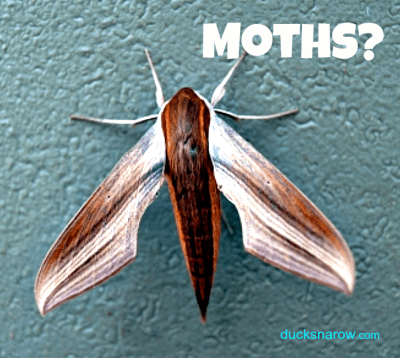
Imagine this: you’re in the middle of your cleaning routine, vacuum in hand, feeling accomplished as you clear away crumbs and dust. But lurking in the corners of your kitchen are tiny moths.
These uninvited guests seem to survive everywhere, leading you to wonder, can they even survive in a vacuum cleaner? You may think that a vacuum’s powerful suction should be enough to handle these pesky insects, but the truth might surprise you.
Your curiosity is piqued, and you’re eager to know if your trusty vacuum can truly eliminate these moths from your kitchen once and for all. Dive into this article to uncover the surprising facts about kitchen moths and discover effective strategies to keep your space moth-free. You won’t want to miss the insights that could change the way you clean forever.
Kitchen Moths: An Overview
Kitchen moths are common pests in households. They thrive in food storage areas. These moths can spoil your pantry items quickly. They lay eggs in grains, nuts, and cereals.
Understanding these moths is crucial for effective control. Knowing their types and behavior helps in managing them.
Common Types Of Kitchen Moths
Different types of moths invade kitchens. The most common ones are the Indian meal moth and the Mediterranean flour moth.
The Indian meal moth is reddish-brown. It is often found in packaged foods. The Mediterranean flour moth is gray and prefers flour-based items.
Life Cycle And Behavior
Kitchen moths have a simple life cycle. It includes egg, larva, pupa, and adult stages.
They lay eggs near food sources. Larvae feed on grains and dry food items. This stage causes most of the damage.
After a few weeks, they turn into pupae. Adults emerge to mate and lay more eggs. This cycle repeats every month.

Credit: moxieservices.com
Vacuum Cleaners And Their Function
Tiny kitchen moths can be sucked into vacuum cleaners, but survival depends on suction power and vacuum design. These pests may escape if the vacuum lacks strong suction or if trapped in a bagless system. Effective vacuuming requires powerful suction and frequent cleaning to eliminate moths completely.
Vacuum cleaners are essential tools in modern homes. They help keep spaces clean and free from dust. But what happens to tiny kitchen moths when they get sucked in? Let’s explore the function of vacuum cleaners.How Vacuum Cleaners Work
Vacuum cleaners create suction using a motor. This suction pulls air and debris into the machine. The collected particles are stored in a bag or container. Filters trap dust and allergens, cleaning the air. Different models vary in power and design. Some are better at picking up small particles than others.Effect On Small Insects
Small insects like kitchen moths can be affected by vacuum suction. The strong pull can disorient and trap them. They may end up in the dust bag or container. The filter system might prevent them from escaping. Yet, not all vacuum cleaners are equally effective. Some may not capture tiny insects efficiently. Regular cleaning ensures better results and reduces insect presence.Moths’ Survival Instincts
Tiny kitchen moths are notorious for their resilience, often surviving in environments where you’d least expect them to. These pesky invaders have evolved over time, developing an impressive set of survival instincts. Understanding their adaptability can help you tackle the challenge of dealing with them, even when they find their way into unexpected places, like your vacuum cleaner.
Adaptations For Survival
Moths have developed several adaptations that allow them to thrive in varied environments. Their ability to reproduce quickly ensures their numbers remain high, even if some are lost. Additionally, their small size enables them to hide in nooks and crannies, escaping predators and harsh conditions.
Another fascinating adaptation is their resistance to certain toxins, making it difficult to eliminate them with common household chemicals. Moths also have a knack for finding food sources, even in seemingly barren places, which aids their survival.
Challenges In A Vacuum Environment
While moths are resilient, a vacuum cleaner presents unique challenges to their survival. The suction power of a vacuum can dislodge moths and their larvae from their hiding places, which is a good start in controlling their population. However, the interior of a vacuum is not a hospitable environment for them.
Without access to food and water, moths trapped inside a vacuum cleaner will struggle to survive. The lack of ventilation and the accumulation of dirt and debris can also impede their ability to thrive. Have you ever wondered if simply vacuuming is enough to rid your home of these pests?
Next time you tackle a moth infestation, consider whether your vacuum cleaner might be their temporary refuge. By understanding their survival instincts, you can implement a more effective strategy to keep your kitchen moth-free.

Credit: moxieservices.com
Can Moths Live In A Vacuum Cleaner?
Tiny kitchen moths often find refuge in vacuum cleaners. The warm, dark environment can be ideal for survival. Regular cleaning helps prevent moth infestations.
Can moths live in a vacuum cleaner? This question puzzles many homeowners. Tiny kitchen moths can be a nuisance. They sneak into food and make a mess. But can they survive inside a vacuum? Understanding their survival can help control them better.Factors Influencing Survival
Several elements affect moth survival in a vacuum. First, the vacuum’s environment matters. Moths need food and air. Inside a vacuum, these are limited. The suction strength also plays a role. Strong suction can harm or kill moths. Lastly, the vacuum’s contents are important. Moths might survive if there are food particles.Case Studies And Observations
Observations show varied outcomes. Some find dead moths in their vacuums. Others notice moths still alive. Studies suggest survival depends on vacuum conditions. A well-maintained vacuum reduces survival chances. Regular cleaning limits food supply. Observations also reveal that moths prefer dark, undisturbed places. Vacuum storage conditions can impact moth life. Keeping vacuums clean and emptied helps manage moth issues.Preventing Moth Infestations
Tiny kitchen moths can survive in a vacuum cleaner if not properly disposed of. Regular cleaning and emptying the vacuum bag prevent moths from finding refuge. Seal and discard the vacuum contents immediately to stop any potential moth infestations.
Preventing moth infestations requires diligence and effective strategies. Tiny kitchen moths can become a nuisance, thriving in hidden spots. Their ability to survive in a vacuum cleaner may surprise many. Regular cleaning and pest control measures can help keep these pests at bay. Understanding how to prevent infestations is key to maintaining a moth-free kitchen.Effective Cleaning Practices
Regular cleaning helps deter moths. Vacuum frequently, especially in corners and under appliances. Empty the vacuum bag or canister regularly to remove any trapped moths. Wipe surfaces with vinegar to repel insects naturally. Store food in airtight containers to prevent moth access. Check pantry shelves and discard old grains and cereals. These simple practices can significantly reduce moth presence.Additional Pest Control Measures
Consider using natural repellents like bay leaves or cloves. Place them in cupboards to deter moths. Use pheromone traps to capture adult moths. They help monitor and control infestations. Seal any cracks or gaps in walls and cupboards. This prevents moths from entering your kitchen. Professional pest control services can offer further help if needed. These additional measures provide extra protection against moths.
Credit: moxieservices.com
Frequently Asked Questions
Can Moths Live Inside Vacuum Cleaners?
Yes, moths can survive in vacuum cleaners. They thrive in debris and dust where they find food and shelter. Regular cleaning and emptying the vacuum can help prevent moth infestations. Moths can lay eggs in the vacuum, leading to further issues if not addressed.
How To Prevent Moths In Vacuum Cleaners?
To prevent moths, regularly empty and clean your vacuum cleaner. Use moth-repellent sprays or natural remedies like lavender or cedar. Ensure your home is free from food debris and dust that attract moths. Regular maintenance of the vacuum cleaner helps deter moths from taking up residence.
Are Vacuum Cleaners Effective Against Moths?
Vacuum cleaners can help reduce moth infestations but are not completely effective. They remove visible moths and debris, but eggs may remain. Cleaning filters and bags thoroughly is essential to eliminate moths. Consider combining vacuuming with other pest control methods for better results.
Do Moths Damage Vacuum Cleaners?
Moths themselves don’t damage vacuum cleaners, but their presence can be problematic. Moth larvae can infest and clog filters, leading to reduced efficiency. Regular maintenance and cleaning prevent moth-related issues. Ensure your vacuum cleaner is free from debris that attracts moths to protect its performance.
Conclusion
Tiny kitchen moths pose a common household nuisance. Vacuum cleaners can help manage them. Regular cleaning reduces their numbers. But moths might still survive. They hide in unreachable areas. Consistent cleaning is crucial. Remove food crumbs and debris. Store food in airtight containers.
Limit their food sources. This helps prevent infestations. Regular vacuuming is part of the solution. But not the complete fix. Combine methods for best results. Keep your kitchen moth-free with diligence. Regularly check for signs of moths. Early detection helps control them.
Protect your kitchen from these tiny invaders.