Imagine this: you’ve just installed beautiful granite countertops in your kitchen. They’re stunning, but maintaining that pristine shine becomes a priority.
You reach for your trusted Lysol Kitchen Cleaner and pause—can it be safely used on granite? The answer isn’t as straightforward as you might think. Your countertops are an investment, and the last thing you want is to inadvertently damage them.
You deserve to know exactly what products are safe to use, and how to keep your granite looking as flawless as the day it was installed. You’ll discover whether Lysol Kitchen Cleaner is suitable for granite surfaces, and learn tips that ensure your countertops remain a centerpiece in your kitchen for years to come. Stay with us, and unlock the secrets to granite care that could save you time, money, and stress.

Credit: www.amazon.com
Granite Countertops: An Overview
Granite countertops add a touch of elegance to any kitchen. Their natural beauty and durability make them a popular choice for many homeowners. Yet, maintaining their pristine condition requires some care. Understanding granite’s properties can help in choosing the right cleaning products.
What Is Granite?
Granite is a natural stone formed from cooled magma. It contains quartz, feldspar, and mica, giving it a speckled look. Each slab is unique, making every countertop distinct. This uniqueness adds charm and character to your kitchen.
Benefits Of Granite Countertops
Granite is strong and durable. It resists scratches and heat, perfect for busy kitchens. Its polished surface adds a luxurious feel. Granite also increases property value, making it a smart investment.
Maintaining Granite Countertops
Regular cleaning keeps granite looking new. Use gentle cleaners to avoid damage. Sealing granite once a year protects its surface. Proper care extends its lifespan and maintains its shine.
Common Misconceptions About Granite
Some think granite is stain-proof. It can stain if not sealed properly. Others believe it’s difficult to maintain, but regular care is simple. Using the right products ensures lasting beauty.
Lysol Kitchen Cleaner: Key Features
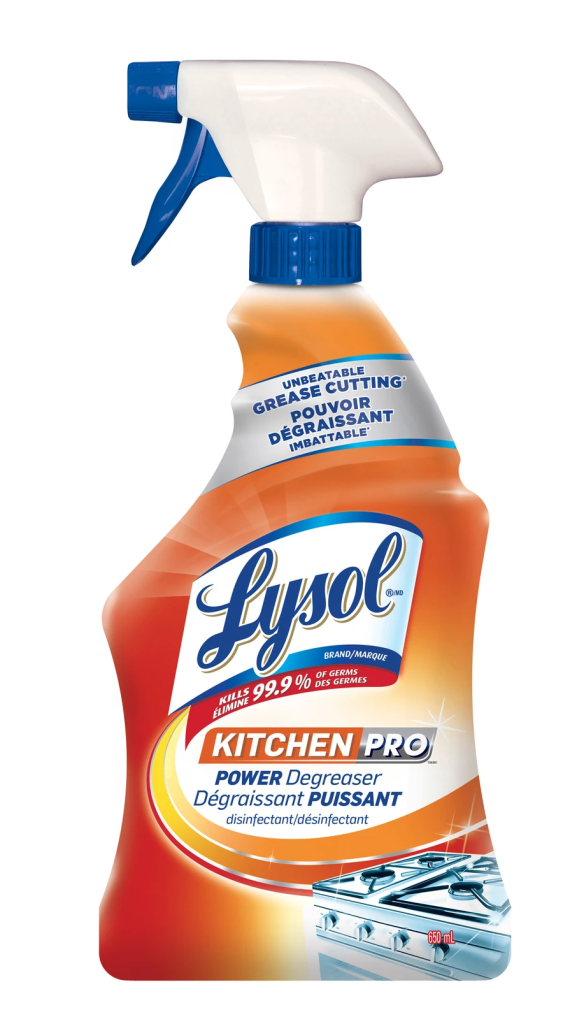
Lysol Kitchen Cleaner is suitable for granite surfaces, ensuring cleanliness without damage. Its formula effectively removes grease and dirt. Always test in a small area first to ensure compatibility.
Lysol Kitchen Cleaner: Key Features Lysol Kitchen Cleaner is known for its powerful cleaning abilities. It tackles tough stains and grease effortlessly. This makes it a favorite in many households.Fast-acting Formula
The cleaner works quickly on various surfaces. It removes dirt and grime effectively. This saves time during cleaning tasks.Disinfecting Power
Lysol Kitchen Cleaner kills harmful germs. It ensures surfaces are hygienic and safe. This feature is crucial for maintaining a healthy kitchen environment.Fresh Scent
The cleaner leaves a pleasant smell after use. This enhances the overall kitchen atmosphere. The fresh scent is long-lasting and inviting.User-friendly Design
The spray bottle is easy to handle. It allows precise application without spills. This design makes cleaning tasks more convenient.Versatility
Lysol Kitchen Cleaner is suitable for many surfaces. It can be used on countertops and appliances. Versatility makes it a valuable cleaning product.Eco-friendly Ingredients
The cleaner is made with safe components. It is gentle on surfaces and the environment. This feature is important for eco-conscious consumers.Chemical Composition Of Lysol
Lysol Kitchen Cleaner contains chemicals like ethanol and alkyl dimethyl benzyl ammonium chloride. These ingredients might harm granite surfaces, risking damage or discoloration. Always check product labels before use to ensure compatibility with granite countertops.
Understanding the chemical composition of Lysol Kitchen Cleaner can help you make informed decisions about its use on different surfaces, such as granite. Lysol Kitchen Cleaner is formulated with specific ingredients to tackle grease, grime, and bacteria effectively.Key Ingredients
Lysol Kitchen Cleaner primarily contains surfactants, solvents, and disinfecting agents. Surfactants help break down grease and grime, making it easier to wipe away. Solvents dissolve dirt and stains, while disinfecting agents kill bacteria and viruses.Impact On Granite
Granite is a natural stone that can react to certain chemicals. While Lysol’s disinfecting agents are great for sanitizing, they might be too harsh for granite’s porous surface. Acidic or abrasive components can dull the finish or cause discoloration.Safety Considerations
Before using Lysol Kitchen Cleaner on granite, consider conducting a patch test. Apply a small amount on an inconspicuous area to see how the surface reacts. If it leaves a mark or alters the sheen, it’s better to opt for a granite-specific cleaner.Alternatives For Granite
For granite surfaces, look for pH-neutral cleaners designed specifically for stone. These products preserve the stone’s natural beauty while effectively cleaning and disinfecting. You can also use a mixture of warm water and mild dish soap for everyday cleaning. When it comes to maintaining your granite countertops, what cleaner do you currently use? Have you noticed any changes in the surface quality when experimenting with different products?
Credit: www.walmart.ca
Granite Surface Characteristics
Granite surfaces require special care to maintain their shine and durability. Using Lysol Kitchen Cleaner on granite is not recommended, as it may contain harsh chemicals that can damage the stone. Opt for a gentle cleaner specifically designed for granite to ensure the surface remains pristine.
Granite is a popular choice for kitchen countertops. Its beauty and durability attract many homeowners. But caring for granite requires understanding its unique characteristics. Each slab of granite is distinct, adding charm and elegance to any kitchen. But, what should you know about its surface?Porous Nature Of Granite
Granite is naturally porous. It can absorb liquids easily. This means spills must be cleaned quickly. If not, stains can occur. Regular sealing helps protect granite from spills.Natural Patterns And Colors
Each granite piece is unique. Patterns vary widely. Colors range from deep blacks to light creams. This variety makes granite special. It enhances the look of your kitchen.Durability And Hardness
Granite is very hard. It resists scratches and heat. This makes it ideal for busy kitchens. Yet, using cutting boards is still wise. This prevents dulling your knives.Maintenance Needs
Granite requires regular maintenance. Sealing every year is recommended. This keeps the surface shiny and protected. Use gentle cleaners for daily care. Harsh chemicals can damage the sealant. Understanding these characteristics helps in maintaining granite. Proper care ensures it remains beautiful and functional.Potential Risks Of Using Lysol On Granite
Granite countertops are a popular choice for modern kitchens. They are durable and add a touch of elegance. But using the wrong cleaner can cause damage. Lysol Kitchen Cleaner is effective for many surfaces. Yet, it may not be suitable for granite. Let’s explore the potential risks of using Lysol on granite.
Chemical Reactions
Lysol Kitchen Cleaner contains chemicals that can react with granite. Granite is a natural stone. It can be sensitive to acidic or harsh chemicals. These reactions can dull the surface. Over time, the shine may fade. This affects the appearance of your countertop.
Impact On Sealant
Granite countertops are sealed to protect them. This sealant prevents stains and damage. Lysol’s ingredients might break down this sealant. Without the sealant, granite becomes vulnerable. It can absorb liquids and stains more easily. This can lead to permanent marks.
Long-term Damage
Using Lysol repeatedly on granite can cause long-term harm. The surface may erode over time. This makes the countertop rough and unattractive. Repairing this damage can be costly. Prevention is better than cure. Use cleaners designed for granite to maintain its beauty.
Safe Cleaning Practices For Granite
Lysol Kitchen Cleaner should not be used on granite surfaces. It may damage the stone’s sealant. Opt for a pH-balanced cleaner instead to protect your granite countertops and maintain their shine.
Granite countertops add elegance to any kitchen. Keeping them in pristine condition requires specific cleaning practices. Not all cleaners are suitable for granite. Using the wrong products can damage the surface.Recommended Cleaning Solutions
Granite needs a pH-balanced cleaner. Acidic or alkaline substances can harm it. You can use warm water and mild dish soap. Mix them in equal parts for a gentle solution. Microfiber cloths are best for wiping the surface. They prevent scratches and streaks.Daily Maintenance Tips
Wipe spills immediately to prevent stains. Use coasters under glasses to avoid rings. Place hot pads under pots to protect from heat damage. Dust regularly with a soft cloth. This keeps your granite looking shiny and new.Avoiding Common Mistakes
Avoid using vinegar or lemon-based cleaners. They are too acidic for granite. Do not use abrasive scrubbers. They can scratch and dull the surface. Never mix bleach with other cleaners. It can cause harmful reactions. Always test new products in a hidden area first. This ensures they are safe for use on your granite.Expert Opinions On Lysol And Granite
Lysol Kitchen Cleaner might harm granite surfaces due to its acidic content. Experts suggest using pH-balanced cleaners specifically designed for granite. Following manufacturer guidelines ensures the longevity and beauty of granite countertops.
Understanding the compatibility of cleaning products with surfaces in your kitchen is crucial for maintaining their longevity and appearance. Granite countertops are known for their durability and elegance, but they require specific care to preserve their natural beauty. Many homeowners wonder whether Lysol Kitchen Cleaner is safe for use on granite surfaces. Let’s delve into expert opinions on this topic.What Do Experts Say?
Experts agree that using the wrong cleaning products can damage your granite countertops. Granite is a natural stone that can be sensitive to certain chemicals. Lysol Kitchen Cleaner, which contains harsh chemicals like ammonia, is generally not recommended for granite. These chemicals can strip away the sealant on the granite, leading to dullness and potential staining.Why Avoid Ammonia-based Cleaners?
Ammonia-based cleaners can etch and dull the surface of granite. This is because granite is porous, and ammonia can penetrate and cause damage over time. Regular use of such cleaners might lead to costly repairs or resealing. Instead, experts recommend using pH-balanced cleaners specifically designed for natural stone.Safe Alternatives For Cleaning Granite
Consider using mild dish soap mixed with warm water for everyday cleaning. This gentle solution effectively cleans without harming the granite. Alternatively, there are commercial granite cleaners available that are designed to maintain the stone’s seal and shine. Always use a soft cloth or sponge to avoid scratches.Personal Experience And Cautionary Tales
Having made the mistake of using a generic cleaner on my granite countertop, I noticed a gradual loss of shine. It was a costly lesson that emphasized the importance of using the right products. This experience taught me to always check labels and consult experts when in doubt.Are You Protecting Your Investment?
Granite countertops are a significant investment in your home. Are you taking the necessary steps to ensure their longevity? Using the right cleaning products is a simple yet effective way to maintain their beauty. By choosing suitable cleaners, you can avoid unnecessary expenses and keep your countertops looking pristine. Engage with your cleaning routine and make informed decisions to protect your granite surfaces. Your countertops will thank you with years of service and elegance.Alternatives To Lysol For Granite
Granite countertops add elegance to any kitchen. Keeping them clean ensures their beauty lasts. While Lysol Kitchen Cleaner is popular, it’s not ideal for granite. Its chemicals can damage the surface over time. So, what are the alternatives?
Natural Cleaning Options
Natural cleaners are safe for granite. They avoid harsh chemicals and are eco-friendly. A simple mixture of water and mild dish soap works well. Use a soft cloth to wipe the surface gently. For extra shine, mix water with a few drops of essential oil. This leaves your kitchen smelling fresh.
Another option is a mix of rubbing alcohol and water. Use equal parts of each in a spray bottle. Add a drop of dish soap. Spray it on the granite and wipe with a clean cloth. This not only cleans but also disinfects the surface.
Commercial Granite Cleaners
Many brands offer cleaners specifically for granite. These products are designed to clean without harm. They maintain the stone’s natural beauty. Look for pH-balanced cleaners. They won’t scratch or dull the surface.
Read the label to ensure it’s safe for granite. Follow the instructions for best results. Some cleaners also seal the granite, providing extra protection. This can extend the life of your countertops.
Credit: www.lysol.com
Frequently Asked Questions
Is Lysol Kitchen Cleaner Safe For Granite?
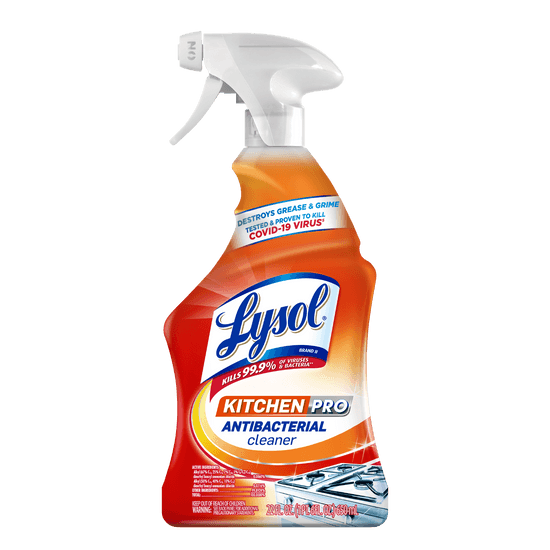
Lysol Kitchen Cleaner is not recommended for granite surfaces. It may damage the sealant and cause discoloration. Use a cleaner specifically designed for granite to maintain its beauty and durability. Always check product labels for compatibility with granite before use.
Can Lysol Damage Granite Countertops?
Yes, Lysol can damage granite countertops. It contains chemicals that can erode the protective sealant, leading to potential stains. To preserve your granite, opt for cleaners specifically formulated for stone surfaces. Always test a small area first to ensure no adverse reactions occur.
What Cleaner Is Best For Granite Surfaces?
A cleaner specifically designed for granite is best. These cleaners maintain the stone’s integrity and shine without damaging the sealant. Look for pH-neutral formulas that gently clean without stripping the protective layer. Regular maintenance with the right cleaner ensures long-lasting beauty for your granite surfaces.
How Do You Clean Granite Safely?
To clean granite safely, use a pH-neutral cleaner designed for stone surfaces. Avoid harsh chemicals like bleach or ammonia. Clean with a soft cloth or sponge to prevent scratches. Regularly sealing granite helps maintain its durability and appearance, ensuring your countertops remain pristine.
Conclusion
Using Lysol Kitchen Cleaner on granite surfaces can be risky. Granite requires special care to maintain its beauty and durability. Harsh chemicals might damage the surface. It’s crucial to choose cleaners specifically made for granite. These products ensure your countertop stays shiny and undamaged.
Always test a small, hidden area first if unsure. Regular maintenance with the right products helps granite last longer. Protect your investment by using the correct cleaning solutions. Your granite deserves the best care possible. Keep it safe and beautiful with proper cleaning methods.