Imagine this: you’re ready to cook a delicious meal, but as soon as you reach for a glass container, you notice it’s covered in stubborn kitchen grease. Frustrating, right?
It’s a problem that many of us face, but not everyone knows the secret to tackling it effectively. You deserve a sparkling clean kitchen, and you deserve to know how to achieve that without a headache. This article is your ultimate guide to conquering kitchen grease on glass surfaces.
You’ll discover simple, effective methods to restore the shine and clarity of your glassware, using products and techniques you might already have at home. Say goodbye to endless scrubbing and hello to effortless cleaning. Keep reading, because your sparkling glass is just a few tips away!

Credit: thekrazycouponlady.com
Common Causes Of Kitchen Grease
Kitchen grease often comes from cooking oils, butter, and food residue. Cleaning glass surfaces requires a vinegar and water mix.
Kitchen grease builds up over time, leaving surfaces sticky and stained. This greasy residue is a common nuisance in most homes, especially on glass surfaces. Understanding the causes can help manage and reduce the buildup.Cooking Oils And Fats
Oils used in cooking are a major source of grease. Frying foods release oil particles into the air. These particles settle on kitchen surfaces, including glass. Over time, they accumulate and form a greasy layer.Steam And Vapors
Cooking produces steam and vapors. This moisture carries tiny droplets of oil and fat. As the steam cools, these droplets land on surfaces. Glass surfaces near stoves often get coated with this residue.Splatters And Spills
Splatters happen when food cooks at high temperatures. Grease splatters spread quickly across surfaces. Spills during cooking also contribute to grease buildup. These accidental messes are a common issue in busy kitchens.Airborne Particles
Airborne particles from cooking are invisible but impactful. They float and settle on various surfaces. Regular cooking activities cause these particles to accumulate over time. Glass surfaces become sticky as these particles build up. Understanding these causes helps in maintaining a cleaner kitchen. Regular cleaning prevents excessive buildup and keeps your glass surfaces sparkling.Natural Cleaning Solutions
Kitchen grease on glass surfaces can be stubborn and unsightly. While commercial cleaners promise quick fixes, they often come with harsh chemicals. Natural cleaning solutions offer an effective and eco-friendly alternative. These methods are not only safe but also surprisingly powerful, using ingredients you likely already have at home.
Vinegar And Water Mix
Vinegar is a versatile cleaning agent that can cut through grease effectively. Mix equal parts of vinegar and water in a spray bottle. Simply spray it onto the greasy glass surface and wipe with a microfiber cloth. The acidity in vinegar breaks down grease, leaving your glass clean and streak-free.
Have you ever tried using vinegar for cleaning before? It’s fascinating how something so common can be so powerful. Plus, it’s a great way to avoid the artificial scents of commercial cleaners.
Baking Soda Paste
Baking soda is another kitchen staple that works wonders on grease. Make a paste by mixing baking soda with a little water. Apply it to the greasy spots on the glass and let it sit for about 10 minutes. Scrub gently with a sponge and rinse with warm water. Baking soda’s mild abrasiveness helps lift the grease without scratching the glass.
Did you know baking soda is not only for baking but also for cleaning? It’s like having a secret weapon in your pantry.
Lemon Juice Scrub
Lemon juice is a natural degreaser with a fresh scent. Squeeze some lemon juice onto the greasy glass surface, then sprinkle a little salt over it. Scrub gently with a sponge and rinse with water. The acidity of lemon juice and the abrasiveness of salt combine to tackle tough grease effectively.
Using lemon juice for cleaning can make your kitchen smell like a citrus grove. Wouldn’t it be nice to have both cleanliness and a refreshing aroma?
Commercial Products
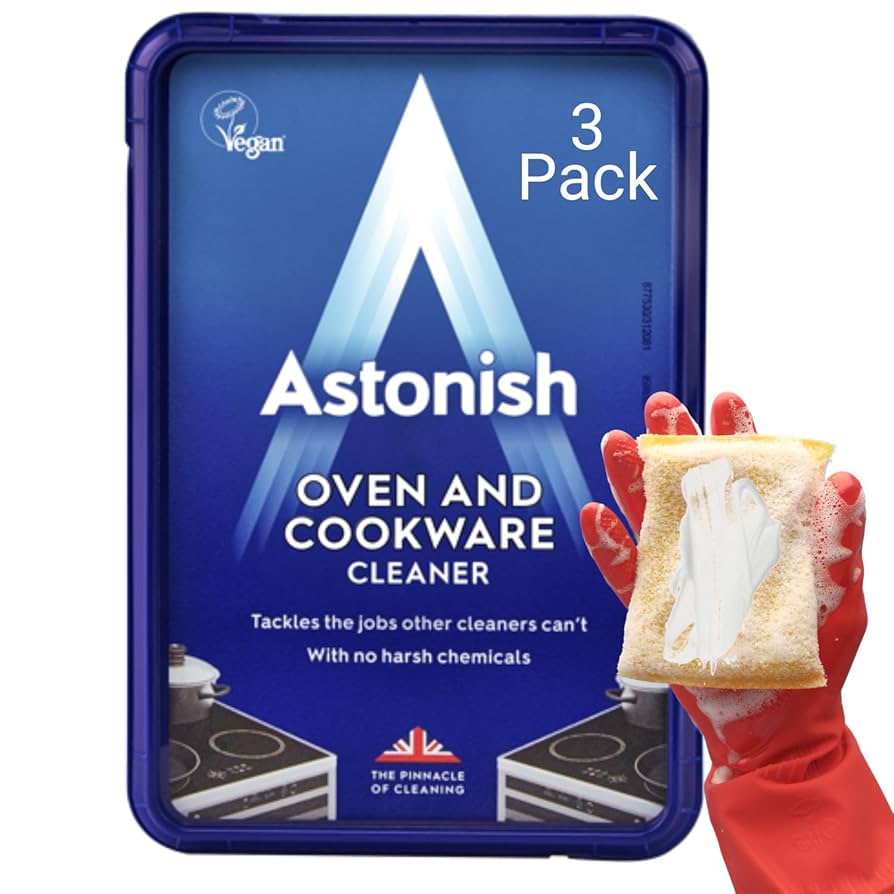
Commercial products offer effective solutions for cleaning kitchen grease off glass surfaces. These products are specially formulated to tackle stubborn grease without harming the glass. They save time and effort, making them a popular choice for homeowners. Let’s explore some commercial products that can help keep your kitchen glass spotless.
Degreasing Sprays
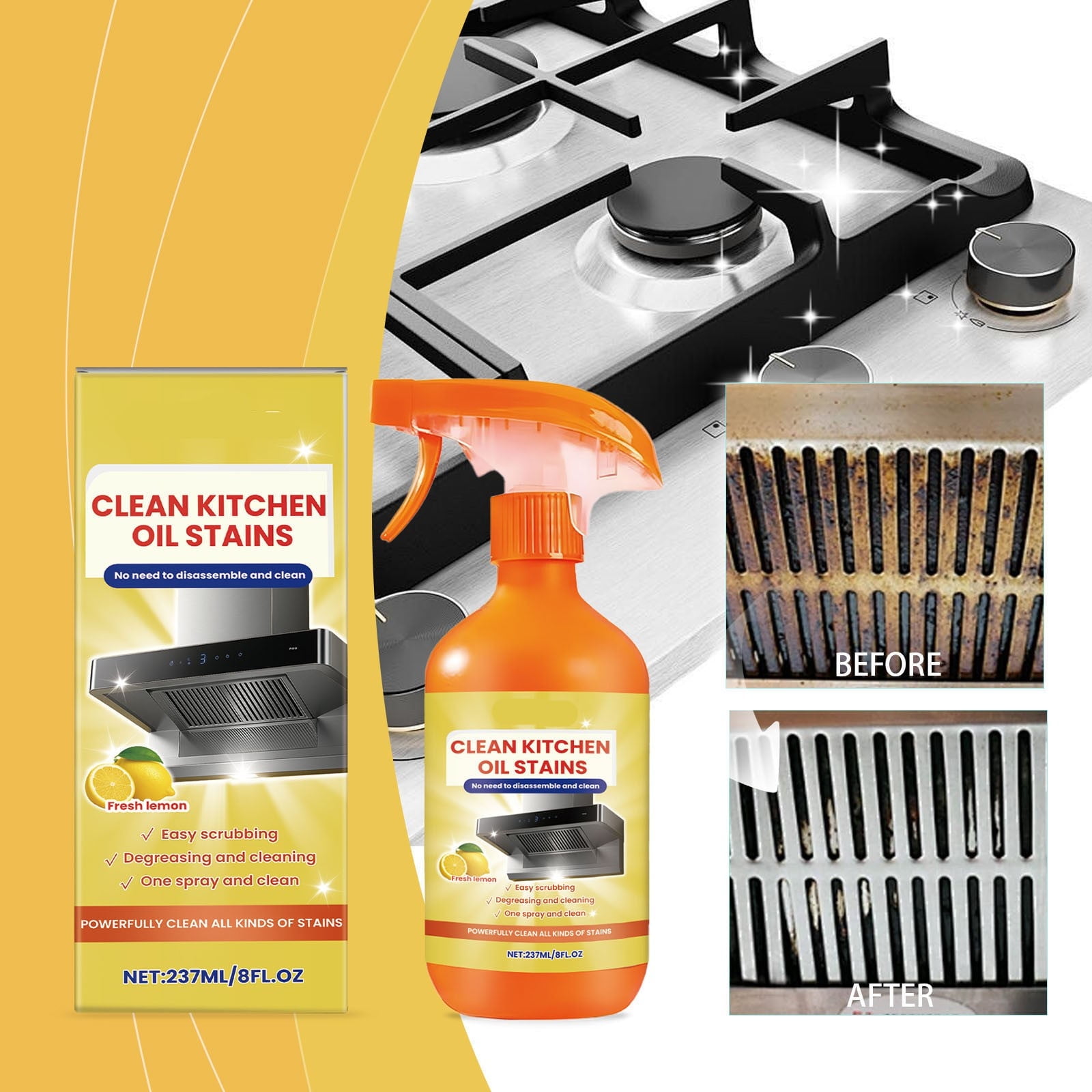
Degreasing sprays are powerful allies in cleaning kitchen grease. They dissolve tough grease stains quickly. Just spray on the affected area, wait a few minutes, and wipe it off. These sprays are convenient and easy to use. They come in various scents, leaving your kitchen smelling fresh. Choose a spray labeled safe for glass to avoid damage.
Glass-safe Cleaners
Glass-safe cleaners are specifically designed to clean glass surfaces. They provide a streak-free shine while removing grease. These cleaners are gentle yet effective. Apply the cleaner to a cloth, then wipe the glass surface. They don’t leave residue, keeping your glass clear and bright. Always check the label to ensure it’s safe for glass use.
Credit: www.walmart.com
Diy Cleaning Methods
Vinegar mixed with water effectively cuts through kitchen grease on glass surfaces. Baking soda and dish soap also make an excellent paste for scrubbing stubborn spots. These simple ingredients offer a non-toxic way to keep your kitchen glass sparkling clean.
Cleaning kitchen grease from glass surfaces doesn’t have to be a daunting task. With a few simple DIY cleaning methods, you can make your glass sparkle using items you likely already have at home. Say goodbye to harsh chemicals and hello to natural, effective solutions that are both eco-friendly and wallet-friendly. Here are some tried-and-true DIY techniques to restore the shine to your kitchen glass.Homemade Glass Cleaner
Creating your own glass cleaner is surprisingly simple and effective. Start with a mixture of equal parts water and white vinegar in a spray bottle. Vinegar is a natural degreaser that cuts through sticky residue with ease. Add a few drops of dish soap to enhance grease-cutting power. Shake the bottle gently to combine the ingredients. Spray the mixture directly onto the greasy glass surface. Use a microfiber cloth to wipe it clean, employing circular motions for the best results. You might be surprised at how quickly the grease disappears. It’s a natural solution that works wonders.Essential Oils For Grease
Did you know essential oils can be a secret weapon against kitchen grease? Citrus oils, like lemon and orange, are particularly effective due to their natural grease-cutting properties. Add a few drops of your chosen essential oil to a spray bottle filled with water. For extra cleaning power, include a splash of white vinegar. Spray this aromatic mixture on the greasy glass and let it sit for a minute. Wipe it off with a soft cloth or paper towel. Not only will your glass be free of grease, but your kitchen will also smell delightful. It’s a win-win! These DIY methods not only clean your glass surfaces but also keep your kitchen environment healthy and pleasant. Which method will you try first?Cleaning Techniques
Vinegar and water mix effectively cuts through kitchen grease on glass. Spray and wipe with a clean cloth. For tough spots, a baking soda paste works wonders.
Cleaning kitchen grease off glass can be challenging. Understanding the right techniques makes it easier. The right tools and methods ensure a spotless finish. Effective cleaning keeps your kitchen looking fresh.Wiping And Scrubbing
Wiping off grease from glass needs the right approach. Use a mild detergent solution. Dip a soft sponge or cloth in the solution. Gently wipe the glass surface. This loosens the grease without scratching. After wiping, rinse with clean water. This removes any remaining detergent. Dry the glass with a clean towel. This prevents water spots.Using Microfiber Cloths
Microfiber cloths are great for cleaning glass. They attract grease and dirt. Wet the cloth with warm water. Wring out excess water. Rub the glass in circular motions. This lifts grease efficiently. Microfiber cloths do not scratch surfaces. They leave glass streak-free. After cleaning, rinse the cloth. This keeps it ready for future use. Microfiber cloths are durable and reusable.Preventing Future Grease Build-up
Regularly clean glass surfaces with a mixture of vinegar and water to prevent grease build-up. Vinegar breaks down grease, making it easier to wipe away. For stubborn spots, use a baking soda paste, gently scrubbing with a soft cloth.
Preventing future grease build-up on kitchen glass can be simple. Regular cleaning and proper ventilation help keep your kitchen spotless. These methods also extend the life of your kitchen items. Let’s explore some effective strategies to maintain a grease-free kitchen.Regular Cleaning Routine
Establish a daily cleaning habit. Wipe down surfaces after every meal. Use a microfiber cloth and warm, soapy water. This prevents grease from hardening on glass. Focus on cleaning areas near the stove. Grease splashes often occur here. Weekly deep cleaning is also essential. It tackles hidden grease spots. Always dry surfaces to prevent streaks.Ventilation And Air Filtration
Good ventilation reduces grease in the air. Install a range hood above your stove. It captures airborne grease and odors. Clean the hood’s filters regularly. This ensures they work effectively. Consider adding air purifiers. They help filter out grease particles. Open windows to let fresh air circulate. This reduces indoor grease and keeps air fresh.Safety Tips For Cleaning
Vinegar and baking soda effectively clean kitchen grease off glass surfaces. Combine them to form a paste. Apply gently on the glass and wipe with a soft cloth for a sparkling finish.
Cleaning kitchen grease off glass surfaces can be a daunting task, especially if you’re not taking the necessary precautions. Safety is paramount when dealing with stubborn grease stains, as the wrong approach could harm both you and your kitchen surfaces. Whether you’re using store-bought solutions or homemade remedies, understanding how to handle chemicals and protect yourself is crucial. Let’s delve into some safety tips that ensure you tackle this chore without any mishaps.Handling Chemicals Safely
Handling cleaning chemicals requires care and caution. Always read the labels on cleaning products before use. This might seem basic, but it’s vital for understanding potential hazards. Ensure your kitchen is well-ventilated. Open windows or switch on an exhaust fan. This will help disperse any harmful fumes that might arise from the chemicals. Consider wearing gloves to protect your hands. Even seemingly mild cleaners can cause skin irritation if exposed for prolonged periods.Protecting Surfaces And Skin
Protecting your skin and surfaces is as important as cleaning the grease itself. Use a damp cloth to wipe away any excess cleaner. This prevents residue from damaging glass surfaces over time. Try testing your chosen cleaning product on a small, inconspicuous area first. This will help ensure it doesn’t stain or damage your glass. Think about using natural alternatives like vinegar or baking soda. These options are often less harsh on skin and surfaces while still effectively breaking down grease. Taking these safety tips to heart not only ensures a clean kitchen but also keeps you and your surfaces safe. Do you have any other strategies that have worked for you in keeping your kitchen glass spotless?
Credit: www.amazon.com
Frequently Asked Questions
What Removes Grease From Glass Effectively?
Using a mixture of vinegar and water can effectively remove grease from glass surfaces. Spray the mixture onto the glass, then wipe it clean with a microfiber cloth. This method is eco-friendly and safe for most kitchen surfaces, leaving your glass sparkling clean without harsh chemicals.
Can Baking Soda Clean Kitchen Grease On Glass?
Yes, baking soda is effective for cleaning grease on glass. Make a paste with water and baking soda, apply it to the greasy area, and let it sit for a few minutes. Wipe off with a damp cloth. This method is gentle and works well for stubborn grease stains.
Is Dish Soap Good For Glass Grease Removal?
Dish soap is excellent for removing grease from glass surfaces. Mix dish soap with warm water and use a sponge to scrub the greasy area. Rinse with clean water and dry with a soft cloth. This simple method is effective and easily removes grease without leaving streaks.
How Do I Clean Glass Without Streaks?
To clean glass without streaks, use a vinegar and water solution. Spray the mixture on the glass and wipe with a microfiber cloth. Ensure you use a lint-free cloth for a spotless finish. This method prevents streaks and leaves your glass looking clear and bright.
Conclusion
Cleaning kitchen grease off glass can be a simple task. Use common household items like vinegar or baking soda. These are effective and safe for glass surfaces. Also, regular cleaning prevents grease buildup. This makes future cleanings easier and quicker.
Remember, gentle scrubbing protects the glass from scratches. With these tips, your kitchen glass can stay shiny and clear. Clean glass adds sparkle to your kitchen space. Try these methods today for a cleaner kitchen. Enjoy the gleaming results and a fresh-looking kitchen.
Keep it simple, and keep it clean.