
Imagine opening your kitchen cabinet and finding an avalanche of mismatched lids and containers. Frustrating, right?
You’re not alone. Organizing kitchen containers is a common struggle, but it doesn’t have to be a daunting task. With just a few smart strategies, you can transform your cluttered cabinet into a streamlined, functional space that not only saves you time but also makes cooking and meal prep a breeze.
This guide is here to help you tackle the chaos and bring order to your kitchen, ensuring that every container has its place. Dive in and discover how easy it is to reclaim your kitchen space and enhance your everyday life.

Credit: www.hgtv.com
Declutter And Assess
Begin by removing unused and expired items from your kitchen containers. Assess what’s left, grouping similar items together for easy access.
Decluttering and assessing your kitchen containers is the first step to organizing. It helps create a clean and efficient space. Begin by gathering all containers in one place. This makes it easier to see what you have. Remove any broken or mismatched items. Keeping only what is useful ensures better organization.Gather All Containers
Bring all your containers into one area. This helps you see the full inventory. Lay them out on a table or counter. This visual overview is essential for assessing what you truly need.Check For Damage
Inspect each container for cracks or damage. Damaged containers can lead to spills. Discard any that are broken. Keeping only functional items prevents future messes.Match Lids And Containers
Pair lids with their matching containers. If you can’t find a lid, consider discarding the base. It’s important to have complete sets. This avoids frustration later.Evaluate Usage
Consider how often you use each container. Keep ones that are used regularly. Donate or recycle those rarely used. This frees up space for essentials.Sort By Size And Shape
Organize containers by size and shape. Group similar items together. This makes them easier to stack. It simplifies finding the right container.Consider Storage Space
Think about where you will store your containers. Ensure there is enough room for easy access. Make sure everything fits neatly without overcrowding.Categorize Containers
Group kitchen containers by size and type for easy access. Store similar items together, like lids with matching containers. Label shelves or drawers for quick identification and maintain order.
Categorizing your kitchen containers is a simple yet effective way to transform your kitchen chaos into a harmonious space. With the right system, you can save time and stress when preparing meals or finding ingredients. Imagine opening your cupboard to find exactly what you need without rummaging through a pile of mismatched lids and bowls. Let’s explore practical ways to categorize your kitchen containers, creating a system that works for you.Group By Material
Organize containers based on their material—plastic, glass, or metal. This not only helps in managing storage but also assists in choosing the right container for specific needs. Glass containers, for instance, are ideal for leftovers and reheating in the microwave. Plastics are lightweight and perfect for storing dry goods. By grouping them, you’ll know exactly where to reach, whether you’re packing lunch or storing pantry staples.Sort By Size
Size matters when it comes to organizing kitchen containers. Have you ever tried stacking containers only to have them tumble down in a noisy avalanche? Sorting by size can prevent this common kitchen mishap. Stack similar-sized containers together, from the smallest snack boxes to large salad bowls. This makes it easier to nest them neatly, saving space and avoiding clutter.Consider Use Frequency
Keep frequently used containers within easy reach. Identify which ones you grab most often—perhaps the trusty lunchbox or the versatile mixing bowl. Place these containers in a prime spot in your kitchen. Less frequently used items can be stored higher up or further back. This practice ensures efficient use of kitchen space and minimizes the hassle of searching.Label For Easy Identification
Labels can be a game changer in container organization. Have you ever stood puzzled, wondering which lid fits which bowl? Use labels to mark containers and their corresponding lids. This simple trick can save you precious minutes during meal prep. You can even label containers with contents, especially if you’re storing similar-looking ingredients.Separate Specialty Containers
If you own specialty containers, like bento boxes or airtight jars, designate a separate area for them. These unique items often require special handling and are used differently than regular containers. By giving them their own space, you protect them from damage and make them easily accessible when needed. Organizing your kitchen containers doesn’t have to be a daunting task. With these categorization tips, you can create an efficient system tailored to your needs. What new organization strategy will you try in your kitchen today?Choose Storage Solutions
Organizing your kitchen containers can feel daunting. Choosing the right storage solutions is key. The right options keep your kitchen tidy and efficient. Consider factors such as space, function, and style.
Stackable Options
Stackable containers are a smart choice. They save space and keep your kitchen neat. These containers fit neatly on top of each other. This design maximizes vertical space in cabinets and pantries.
Look for containers with uniform shapes. This ensures they stack securely without toppling. Clear containers are a bonus. They allow you to see contents easily. This makes meal prep and grocery shopping easier.
Space-saving Designs
Space-saving designs are essential for smaller kitchens. Opt for containers that nest inside each other. This feature helps when storing empty containers. It reduces clutter and frees up cabinet space.
Choose containers with lids that attach to the base. This ensures no more lost lids. Airtight seals are a helpful feature. They keep food fresh for longer. Collapsible containers are another great option. They shrink down when not in use.
Labeling Techniques
Organizing kitchen containers can make meal prep efficient and stress-free. Proper labeling ensures you find ingredients quickly. Various techniques offer unique benefits. Let’s explore some effective labeling techniques.
Chalkboard Labels
Chalkboard labels offer flexibility and charm. Use chalk markers to write on them. Change labels easily by wiping off with a damp cloth. They add a rustic touch to your kitchen. Perfect for those who love to update their pantry often. Chalkboard labels are reusable and eco-friendly.
Color-coded Systems
Color-coded labels simplify organization. Assign each food category a specific color. For example, red for spices, green for grains. This method helps spot items at a glance. It’s especially useful for large families or shared kitchens. Colored labels can be stickers or tags. They make your kitchen visually organized and efficient.
Utilize Shelf Space
Organizing kitchen containers can be a daunting task. Utilizing shelf space effectively makes a significant difference. It helps in maximizing available storage and maintaining a neat kitchen. Proper arrangement ensures easy access to items and keeps clutter at bay. Explore innovative ways to use shelf space for better organization.
Vertical Storage
Vertical storage is an efficient way to save space. Stack containers or use shelves designed for vertical arrangement. This method frees up horizontal space, allowing more items to fit in smaller areas. Use tall shelves or racks to store items like bottles or jars. Vertical storage keeps everything visible and accessible.
Lazy Susans
Lazy Susans are a clever solution for organizing kitchen containers. They rotate, providing easy access to items stored at the back. Place a Lazy Susan in a corner shelf or cabinet. This makes it simple to reach any container without moving others. It’s ideal for storing spices, condiments, or small jars.
Credit: www.vevor.com
Maximize Drawer Use
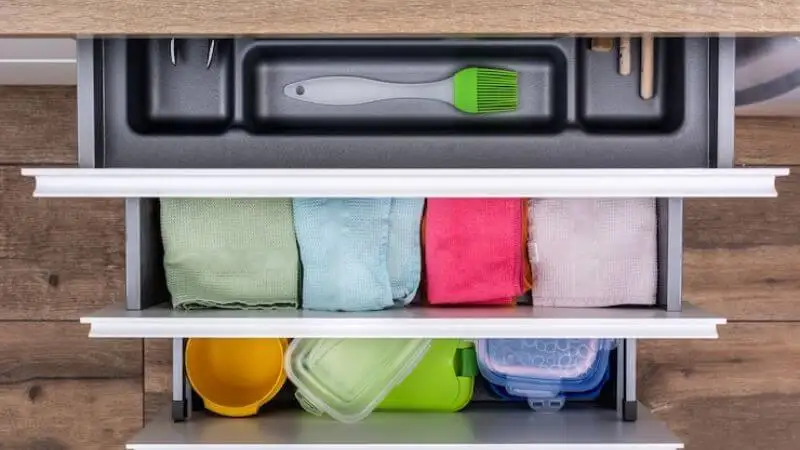
Maximize drawer space by placing kitchen containers in stackable formations. Use dividers to separate lids and bases for easy access. Keep frequently used items at the front to streamline cooking and food storage tasks.
Maximizing the use of your kitchen drawers can transform your cooking space into a beacon of order and efficiency. Imagine finding the right container in just seconds without sifting through a chaotic stack. It’s not just about keeping things neat; it’s about making your kitchen work smarter for you. With a few clever strategies, those deep drawers can become your kitchen’s best asset.Drawer Dividers
Drawer dividers are a game-changer when it comes to organizing kitchen containers. They allow you to create designated spaces for different types of containers and lids, preventing them from mixing into a cluttered mess. Consider using adjustable dividers, which can be tailored to fit your unique collection of containers. This flexibility ensures that even as your container collection grows or changes, your drawers remain organized. Another tip is to label sections, especially if multiple people use the kitchen. Labels can guide everyone to return items to their designated spots, maintaining order over time.Pull-out Racks
Pull-out racks bring the back of your drawers into easy reach. This solution is perfect if you have deep drawers where items can easily get lost. Installing pull-out racks means you no longer have to dig around for the right container. Simply slide out the rack and everything is visible and accessible. Think about the most frequently used items and position them in the front rows of your pull-out racks. This strategy saves you time and effort, making meal prep a breeze. By implementing these straightforward solutions, your kitchen drawers can become a model of efficiency and organization. Are you ready to transform your kitchen space and make cooking an easier, more enjoyable task?Maintain Organization
Keeping your kitchen containers organized can seem like a daunting task, but with a few simple strategies, you can maintain a neat and efficient space. The key is to stay consistent and make a habit of organizing regularly. This way, your kitchen remains functional, and you’re not wasting time searching for lids and containers. Let’s explore some practical ways to maintain organization.
Regular Clean-outs
Set a schedule for regular clean-outs. This could be monthly or quarterly, depending on your usage. During these clean-outs, inspect each container for cracks or stains and dispose of those that are no longer usable.
Take this opportunity to reorganize based on your current needs. You might find that some containers are rarely used, while others are in high demand. Adjust your storage accordingly to reflect these preferences.
By routinely purging unused containers, you make room for new ones and keep your collection fresh and functional. Consider this a mini-reset for your kitchen space.
Consistent Labeling
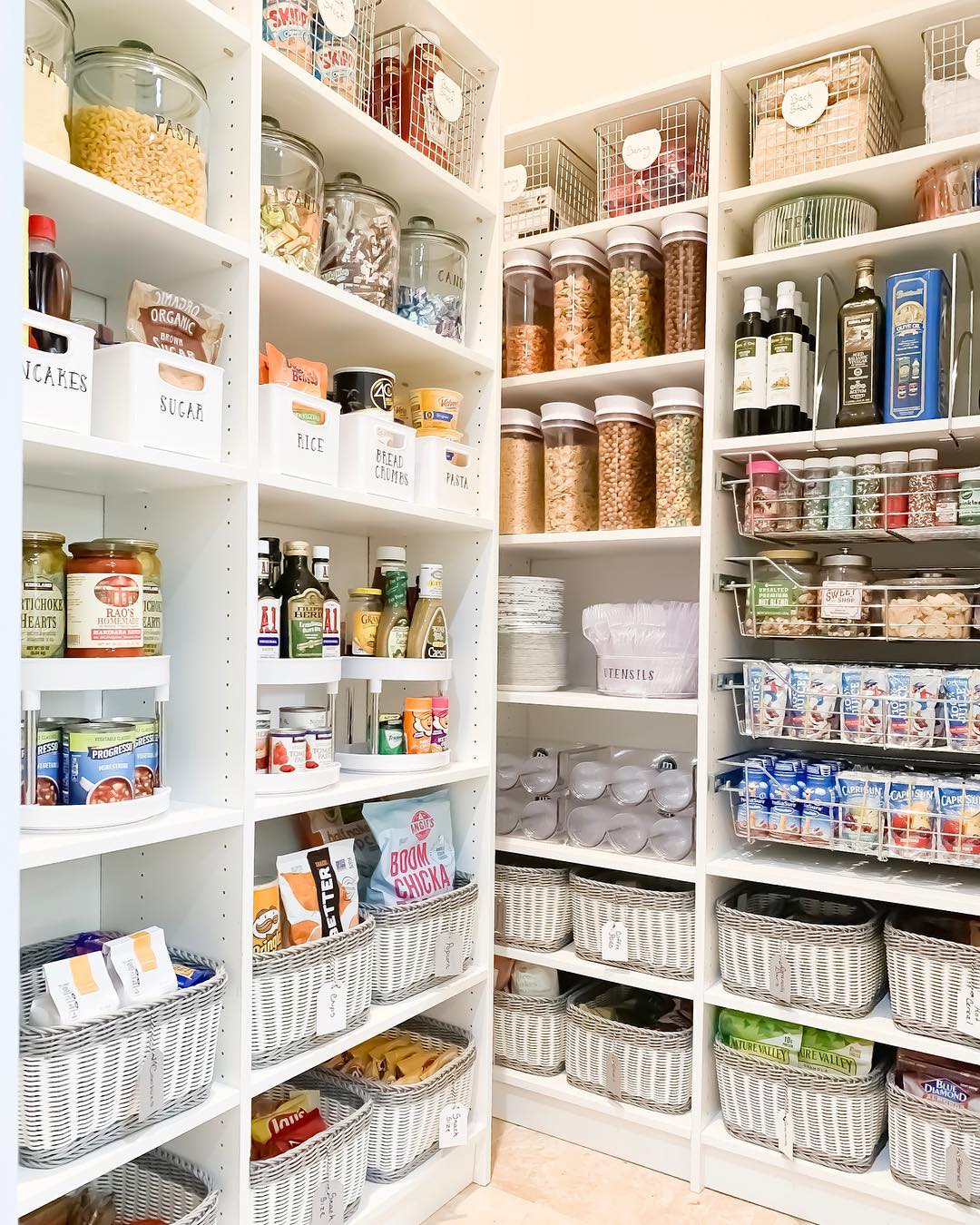
Labels can be your best friend when maintaining container organization. Use them to clearly mark the contents of each container, especially if they are non-transparent. This saves time and prevents opening multiple containers to find what you need.
Consider using waterproof labels or a label maker for a neat, professional look. This small investment can significantly streamline your kitchen activities and ensure that everyone in your household knows where things belong.
Think about it: how much time do you spend searching for specific items in your kitchen? Consistent labeling transforms chaos into order, making meal prep a breeze.
Credit: www.extraspace.com
Expert Tips And Tricks
Organize kitchen containers by grouping similar items together. Use clear labels for easy identification. Stack containers to maximize space efficiently.
Organizing kitchen containers can transform your cooking space. Efficient organization saves time and minimizes clutter. Expert tips and tricks can help you achieve a neat and practical kitchen. Let’s dive into best practices and common mistakes to avoid.Best Practices
- Sort containers by size for easy stacking.
- Use clear containers to identify contents quickly.
- Label containers with contents and date.
- Store lids separately to prevent mismatches.
- Consider open shelving to keep containers visible.
- Group similar items together for quick access.
- Use drawer dividers for a tidy look.
Common Mistakes To Avoid
- Avoid overcrowding shelves with containers.
- Don’t keep containers with missing lids.
- Shun storing containers in hard-to-reach places.
- Resist using non-stackable containers.
- Avoid mixing different container types.
- Don’t ignore unused or broken containers.
- Steer clear of forgetting to label containers.
Frequently Asked Questions
How Do I Start Organizing Kitchen Containers?
Begin by decluttering your kitchen cabinets and drawers. Identify containers you frequently use and sort them by size and purpose. Use stackable options to maximize space. Label each container to enhance accessibility and ensure everything has its designated spot. This will streamline your kitchen activities and keep your space tidy.
What Are The Best Storage Solutions For Containers?
Opt for stackable containers to save space. Use drawer dividers or shelf organizers for lids. Consider clear containers to easily identify contents. Magnetic or wall-mounted racks can help store lids efficiently. These solutions enhance functionality and maintain a neat kitchen environment.
How Can I Keep Container Lids Organized?
Use a dedicated lid organizer or a large, shallow drawer. Stack lids vertically to save space. Consider using tension rods or a dish rack for easy access. This method prevents lid clutter and makes it simple to find the right lid quickly.
Why Use Clear Containers In The Kitchen?
Clear containers offer easy visibility of contents, reducing food waste. They help identify items quickly without opening each container. This choice improves organization, saves time, and maintains freshness. Clear containers are ideal for a streamlined and efficient kitchen setup.
Conclusion
Organizing kitchen containers makes cooking easier and more enjoyable. A tidy kitchen saves time and reduces stress. Label containers clearly for quick access. Group similar items for efficient storage. Stack containers neatly to maximize space. Regularly check for expired items.
This keeps your kitchen fresh and safe. Use clear containers to see contents easily. Store frequently used items within reach. Keep less used items in higher cabinets. Regular maintenance ensures lasting organization. Enjoy a clutter-free kitchen with these simple tips.
Cooking becomes a delight in a well-organized space. Embrace these habits for a more functional kitchen.