Are you dreaming of a kitchen that feels like the heart of your home? One that not only meets your cooking needs but also showcases your style and personality?
Designing a kitchen can be a thrilling yet overwhelming experience. You want it to be functional, beautiful, and a true reflection of you. Whether you’re cooking up a storm or hosting friends, your kitchen is a space where memories are made.
But where do you start? From choosing the right layout to picking colors that spark joy, every decision counts. Dive into this article to uncover the secrets to creating a kitchen that you will love for years to come. Your dream kitchen is just a few steps away!
Kitchen Layout Options
Designing a kitchen involves choosing the right layout for your space and lifestyle. Consider options like L-shaped, U-shaped, and galley layouts. Each offers unique benefits, optimizing space and functionality for cooking and entertaining.
Designing a kitchen involves choosing the right layout. Kitchen layout impacts functionality and aesthetics. Each option offers unique advantages. The right choice depends on space and lifestyle.Galley Kitchen Design
A galley kitchen is efficient. It features two parallel counters. This layout maximizes space in small areas. It offers easy access to everything. There are fewer steps between appliances. This makes cooking faster. Storage can be on both sides. It provides ample cabinet space. A galley kitchen suits narrow spaces well.L-shaped Layout
An L-shaped layout is versatile. It forms a natural triangle. This design improves workflow. It is ideal for open spaces. The layout opens to dining or living areas. It creates a cozy corner. There is room for a small table. This layout works for medium-sized kitchens. It allows flexibility in design.U-shaped Configuration
A U-shaped kitchen offers maximum storage. It surrounds the cook on three sides. This layout increases countertop space. It provides plenty of cabinets. It’s perfect for larger kitchens. You can have multiple work zones. This design supports social interaction. It allows easy movement between tasks. It’s ideal for families who cook together.Island-based Design
An island-based design adds a focal point. It is suitable for spacious kitchens. An island offers extra counter space. It can include a sink or cooktop. This layout is great for entertaining. It allows seating for guests. An island can have storage underneath. It enhances the kitchen’s functionality. This design suits modern homes.
Credit: www.ayakitchens.com
Choosing The Right Materials
Designing a kitchen is more than just aesthetics; it’s about selecting materials that harmonize style with functionality. The materials you choose can dramatically influence your kitchen’s durability and the ease of your daily chores. So, how do you ensure you’re making the right choices?
Countertop Choices
Countertops are the workhorses of your kitchen, bearing the brunt of meal prep and occasional spills. Granite offers a classic look and is known for its durability, but it requires periodic sealing. If low maintenance is your priority, quartz might be your best bet—it’s non-porous and resists staining without any sealing.
Consider your lifestyle. Do you love baking? A marble countertop offers a cool surface ideal for pastry prep, though it can be prone to scratches. For a budget-friendly and versatile option, laminate provides countless design choices and is easy to clean. Wouldn’t you want a countertop that matches your culinary habits?
Cabinetry Materials
Cabinets set the tone for your kitchen’s style and provide essential storage. Solid wood is timeless and durable, perfect for a traditional or rustic look. However, it can be costly. If you’re looking for an economical alternative, MDF (Medium-Density Fiberboard) offers a smooth finish that can be painted in any color you desire.
Veneer cabinets give you the look of wood at a fraction of the cost. They are also resistant to warping, which is a plus in humid environments. How about mixing materials? Glass-front cabinets can break the monotony and display your beautiful kitchenware.
Flooring Options
Kitchen floors must withstand heavy traffic and spills, making the right material choice crucial. Hardwood floors bring warmth and elegance, but they require regular maintenance to prevent water damage. Tile flooring, on the other hand, is water-resistant and comes in a variety of styles, from sleek modern designs to rustic terracotta.
For a softer underfoot experience, consider vinyl or linoleum. They’re resilient, budget-friendly, and come in a wide range of patterns. If sustainability is on your mind, bamboo flooring is an eco-friendly choice that’s both durable and stylish. Which material speaks to your lifestyle and aesthetic preferences?
Maximizing Storage Solutions
Designing a kitchen involves strategic placement of cabinets and shelves to maximize storage. Incorporate pull-out drawers and vertical storage solutions to utilize every inch efficiently. Organize items based on frequency of use for easy access and clutter-free countertops.
Maximizing storage solutions in your kitchen can transform how you cook. A well-organized kitchen saves time and reduces stress. Smart storage solutions make every item easy to find and reach. Here are some tips to help you design a kitchen with ample storage.Efficient Pantry Design
A well-planned pantry keeps ingredients fresh and accessible. Use clear containers for grains and spices. This helps you see what you have at a glance. Install adjustable shelves to fit items of various sizes. Consider pull-out baskets for snacks or baking supplies. Don’t forget to label everything for easy identification.Innovative Cabinetry
Modern cabinetry offers many clever storage options. Choose cabinets with built-in organizers for pots and pans. Lazy Susans in corner cabinets make use of hard-to-reach spaces. Install drawers with dividers for cutlery and utensils. Opt for soft-close drawers to prevent wear and tear. Custom cabinetry can also hide appliances, creating a sleek look.Utilizing Vertical Space
Make the most of your kitchen’s vertical space. Install tall cabinets to store seasonal or rarely used items. Use the space above your cabinets for decorative storage. Hang pots and pans on a wall-mounted rack to free up cabinet space. Consider a magnetic strip for knives or spice jars. Shelves above your countertop can hold cookbooks or decorative items.Lighting Techniques
Design a kitchen with layered lighting to enhance functionality and style. Combine task, ambient, and accent lighting for the perfect balance. Use under-cabinet lights for tasks, pendant lights for ambiance, and spotlights for highlighting features.
Designing a kitchen involves more than just choosing the right cabinets and countertops. Lighting plays a crucial role in how your kitchen looks and functions. By using a mix of different lighting techniques, you can transform your kitchen into a warm and inviting space. Let’s explore these techniques to make your kitchen shine.Task Lighting
Task lighting is essential for areas where you perform specific tasks, like chopping vegetables or reading recipes. Under-cabinet lights are a popular choice, as they provide focused illumination on countertops without casting shadows. Consider installing LED strip lights for energy efficiency and a modern touch. Pendant lights over the kitchen island offer both style and functionality. They create a well-lit area for cooking and dining, adding elegance to your space. Make sure the lights are adjustable so you can direct them exactly where you need.Ambient Lighting
Ambient lighting provides the overall illumination in your kitchen. It fills the room with a pleasant glow, making it comfortable and cozy. Ceiling fixtures like chandeliers or flush mounts are excellent options for ambient lighting. If you’re aiming for a more modern look, recessed lighting can offer a sleek appearance while evenly lighting the room. Place these lights strategically to avoid dark corners and ensure a welcoming atmosphere. Dimmers are a fantastic addition, allowing you to adjust the light levels depending on the time of day or the mood you wish to create. Imagine hosting a dinner party with soft, gentle lighting enhancing the ambiance.Accent Lighting
Accent lighting adds drama and highlights specific elements in your kitchen. Think of it as the spotlight for your favorite features. Installing lights inside glass cabinets can showcase beautiful dishes and glassware. Toe kick lighting is another creative way to use accent lights, offering a subtle glow along the floor and adding depth to the space. This technique not only enhances visual interest but also provides a practical guide during nighttime visits to the kitchen. Consider using colored LED lights to add personality and flair. You can change the color based on seasons or celebrations, making your kitchen a versatile and lively place. With these lighting techniques, you can create a kitchen that’s not only functional but also a true reflection of your style. What changes will you make to illuminate your kitchen’s potential?Color Schemes And Themes
Choosing harmonious color schemes and themes can transform your kitchen into a welcoming space. Opt for soft hues to create a calming atmosphere. Pair with contrasting accents for visual interest and warmth.
Designing a kitchen involves a myriad of choices, but one of the most impactful is selecting the right color scheme and theme. The colors and themes you choose can transform your kitchen into a space that reflects your personality and enhances your home’s overall aesthetic. Whether you prefer a sleek, modern look, a cozy rustic feel, or a bold and vibrant atmosphere, your kitchen’s design can set the tone for the entire house.Modern Minimalist
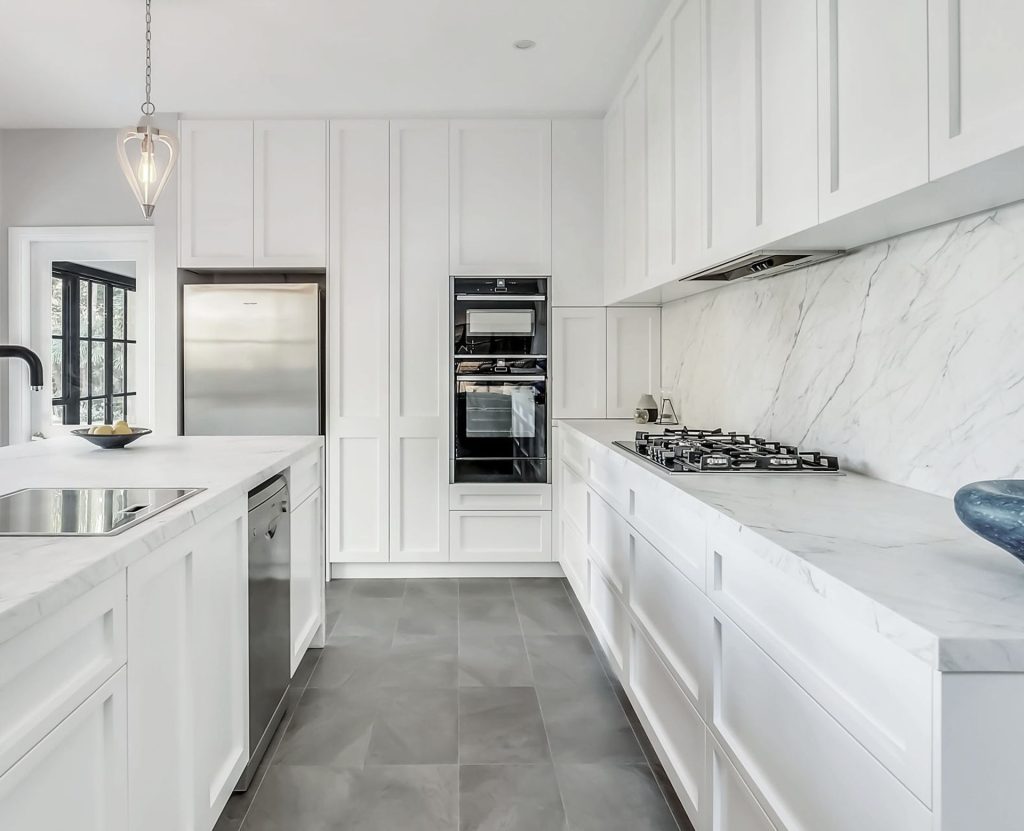
A modern minimalist kitchen is all about simplicity and functionality. Think clean lines, neutral colors, and clutter-free countertops. White and gray are popular color choices, often complemented by stainless steel appliances and sleek, understated cabinetry. Incorporating natural light enhances the minimalist theme, making the space feel open and airy. Consider installing large windows or skylights. Personal touches like a small potted plant or a single piece of art can add warmth without overwhelming the space.Rustic Charm
If you love the idea of a warm, inviting kitchen, a rustic charm theme might be perfect for you. Earthy tones such as browns, greens, and warm reds can create a cozy atmosphere. Wood is a key material in this theme, used in cabinetry, flooring, and even exposed beams. Incorporate vintage elements like a farmhouse sink or a reclaimed wood table to add character. Mismatched dishes or hand-me-down kitchenware can further enhance the rustic feel. Imagine sipping your morning coffee in a space that feels like a welcoming countryside retreat.Bold And Vibrant
For those who love to make a statement, a bold and vibrant kitchen can be a thrilling choice. Bright colors like teal, yellow, or red can energize the space and reflect a lively personality. Consider painting an accent wall or choosing colorful cabinetry. Don’t shy away from mixing patterns and textures. A geometric backsplash or a patterned tile floor can add visual interest. However, balance is key—use bold elements strategically to avoid overwhelming the space. Which theme resonates with you? Consider what colors and styles make you feel most at home. Your kitchen should be a place of inspiration and comfort, matching your lifestyle and taste.
Credit: letshomebody.com
Integrating Smart Technology
Design a kitchen with smart technology by incorporating appliances like smart ovens and fridges. These devices offer convenience with their touch controls and remote access. Integrating voice-activated systems can enhance efficiency and save time in daily tasks.
Integrating smart technology into your kitchen can transform daily cooking tasks. It adds convenience and efficiency to your culinary space. Smart technology connects devices, appliances, and lighting. This integration brings a modern touch to traditional kitchen designs.Smart Appliances
Smart appliances offer ease and control. They can be managed via smartphone apps or voice commands. Refrigerators with touchscreens display recipes and manage grocery lists. Smart ovens adjust cooking times and temperatures automatically. These appliances make cooking more efficient and stress-free.Automated Lighting
Automated lighting enhances kitchen functionality and ambiance. Motion sensors turn lights on as you enter the kitchen. Dimmable LEDs adjust brightness based on time of day. Smart lighting systems can be controlled remotely. They help save energy and improve the kitchen’s atmosphere.Connected Cooking Devices
Connected cooking devices bring precision to meal preparation. Smart kettles can be set to boil water from your phone. Wi-Fi-enabled slow cookers adjust heat levels remotely. These devices simplify cooking and ensure perfect results every time. Embrace these technologies for a seamless kitchen experience.Eco-friendly Design Ideas
Design a kitchen with eco-friendly materials like bamboo or reclaimed wood. Use energy-efficient appliances to save power. Incorporate natural light with large windows to reduce electricity use.
Designing a kitchen with eco-friendly principles not only benefits the planet but also enhances the quality of your home environment. Imagine cooking in a space that not only looks good but also feels good, knowing you’ve made choices that contribute to a sustainable future. Let’s dive into some practical eco-friendly design ideas that will make your kitchen a green haven.Sustainable Materials
Choosing sustainable materials is a crucial step in designing an eco-friendly kitchen. Bamboo, for example, is a fantastic choice for flooring or cabinetry. It’s not just durable but also grows quickly, making it a renewable resource. Recycled materials can add unique character to your kitchen. Consider countertops made from recycled glass or tiles made from reclaimed wood. These options not only reduce waste but also give your kitchen a distinct and personalized look.Energy Efficient Appliances
Modern appliances are more energy-efficient than ever, saving both the environment and your wallet. Look for appliances with the ENERGY STAR label, which indicates they meet energy-saving guidelines set by the government. Smart appliances can also help you monitor your energy usage. Some refrigerators and ovens can be controlled via smartphone apps, allowing you to adjust settings even when you’re not at home. Consider the size of your appliances as well. Do you really need a giant refrigerator, or would a smaller, more efficient model suffice? Asking these questions can lead to better decisions for an energy-efficient kitchen.Water Conservation Tips
Water conservation is often overlooked in kitchen design, but it plays a significant role in sustainability. Installing a low-flow faucet can dramatically reduce water usage without sacrificing performance. A dishwasher is often more water-efficient than hand washing, especially models that are designed to use less water. So, don’t shy away from using it for your daily cleanups. Consider collecting rainwater for non-potable uses, like watering plants. This simple step can make a big difference, especially in areas prone to drought. By incorporating these eco-friendly design ideas, your kitchen can become a model of sustainability and efficiency. Which of these changes are you most excited to try in your kitchen design?Personalizing Your Space
Design your kitchen by focusing on functionality and style. Choose colors and materials that reflect your taste. Add personal touches with unique decor and efficient storage solutions.
Personalizing your kitchen allows you to blend functionality with your unique style, transforming the space into a true reflection of who you are. It’s not just about aesthetics; it’s about creating an environment that you enjoy and that inspires your culinary adventures. Let’s explore some creative ways to add personal touches to your kitchen.Custom Backsplashes
A backsplash is a perfect area to express creativity. Consider using mosaic tiles to craft a design that resonates with your personality. You could even incorporate hand-painted tiles for a one-of-a-kind look. Think about the colors and patterns that energize you. A friend of mine chose a vibrant blue and yellow pattern that reminded her of her favorite beach vacation. Every time she steps into her kitchen, it brings a smile to her face.Unique Hardware
Switching out standard cabinet hardware for something more unique can make a big impact. Opt for knobs and pulls that reflect your style, whether it’s vintage, modern, or eclectic. Hardware is like jewelry for your cabinets. It can be subtle or bold, but it should always complement the overall vibe of your kitchen. I once visited a home where each knob was a different antique find, adding a layer of storytelling to the space.Decorative Elements
Personalize your kitchen with decorative elements that speak to your heart. This could include a collection of vintage plates, framed family recipes, or a quirky clock. These elements are conversation starters and bring warmth to your kitchen. Ask yourself, what items bring joy and tell a story about your life? A small herb garden on the windowsill not only adds a touch of green but also offers fresh ingredients at your fingertips. By focusing on these areas, you can create a kitchen that’s not just a place to cook, but a space that tells your story. How will you make your kitchen uniquely yours?
Credit: www.ayakitchens.com
Frequently Asked Questions
What Are The Key Elements Of Kitchen Design?
The key elements of kitchen design include functionality, layout, storage, lighting, and aesthetics. Prioritize an efficient workflow with the work triangle concept. Optimize storage with cabinets and drawers. Ensure good lighting for tasks and ambiance. Choose materials and colors that reflect your style.
How To Maximize Small Kitchen Space?
Maximize small kitchen space by utilizing vertical storage and multi-functional furniture. Use open shelving or wall-mounted racks. Incorporate pull-out cabinets for easy access. Consider a compact, movable island for extra workspace. Opt for light colors to create an airy feel.
Which Kitchen Layout Is Most Efficient?
The most efficient kitchen layout is the work triangle concept. It involves placing the sink, stove, and refrigerator in a triangular formation. This minimizes unnecessary movement. The U-shaped and L-shaped layouts are popular for optimizing space and efficiency. Choose based on your kitchen size and needs.
What Materials Are Best For Kitchen Countertops?
The best materials for kitchen countertops include granite, quartz, and laminate. Granite offers durability and a natural look. Quartz is low-maintenance and available in many colors. Laminate is affordable and versatile. Consider your budget, maintenance preferences, and desired aesthetic when choosing.
Conclusion
Designing a kitchen involves creativity and careful planning. Focus on functionality and style. Choose colors that reflect your personality. Arrange appliances for easy access. Consider storage solutions that maximize space. Lighting plays a key role; opt for bright and adjustable options.
Remember, a kitchen should be welcoming. It’s where meals are prepared and memories are made. Listen to your needs and budget wisely. Small changes can make a big difference. Keep it simple, yet practical. With thoughtful design, your kitchen becomes a happy place.
A space that truly feels like home.