
Picture this: You step into a kitchen that perfectly suits your style and meets all your needs. The layout is seamless, the cabinets are just where you want them, and the lighting sets the perfect mood for every occasion.
Sounds like a dream, right? But achieving this kitchen nirvana can be a daunting task. That’s where the question arises: Do you need a kitchen designer to turn your culinary space into a masterpiece? You’re probably wondering if hiring a professional is worth it.
After all, designing a kitchen involves more than just picking out countertops and appliances. It’s about creating a functional and beautiful space that enhances your daily life. So, if you’re on the fence about whether a kitchen designer is the right choice for you, keep reading. We’ll unravel the benefits and help you decide if a designer is the key to your perfect kitchen.

Credit: www.msn.com
Benefits Of Hiring A Kitchen Designer
Do You Need a Kitchen Designer A professional kitchen designer creates functional and stylish spaces, saving you time and avoiding costly mistakes. Their expertise ensures your kitchen fits your lifestyle and budget, enhancing both efficiency and aesthetics.
The kitchen is the heart of the home. Transforming it can be overwhelming. Hiring a kitchen designer offers many benefits. You gain access to professional expertise, optimized space, personalized designs, and stress reduction.Professional Expertise
A kitchen designer has specialized skills. They understand the latest trends and materials. Their knowledge ensures a functional and stylish kitchen. They know how to balance aesthetics with practicality. This expertise saves time and prevents costly mistakes.Optimized Space Utilization
Designers excel at maximizing space. They find smart storage solutions. Use every inch efficiently. This results in a clutter-free environment. Even small kitchens feel spacious with their help. Space optimization improves functionality.Personalized Design Solutions
Each family has unique needs. Designers create tailored plans. They consider your lifestyle and preferences. This personalization turns your vision into reality. You get a kitchen that reflects your personality. It enhances daily living.Stress Reduction
Renovations can be stressful. Designers manage all aspects of the project. From concept to completion, they handle the details. This reduces stress and ensures smooth progress. You enjoy peace of mind throughout the process.
Credit: www.cliqstudios.com
Common Misconceptions
Many people believe they don’t need a kitchen designer. This stems from common misconceptions about hiring professionals. Understanding these misconceptions can help make better decisions for your kitchen.
Cost Concerns
Many think hiring a designer is too expensive. They fear it will break their budget. In reality, designers can save you money. They help avoid costly mistakes and ensure smart spending. A designer can find deals and suggest budget-friendly options. This can lead to savings in the long run.
Diy Vs Professional Design
Some prefer to design their kitchens themselves. They feel confident in their skills. But a professional designer brings expertise and experience. They understand layout, flow, and functionality. A designer knows how to optimize small spaces. They can offer creative solutions you might not consider. Their knowledge can elevate your kitchen design.
Time Constraints
People often worry about the time involved. They think hiring a designer will take too long. In truth, a designer can save you time. They manage the project efficiently. They coordinate with contractors and suppliers. This reduces delays and streamlines the process. Your kitchen project can finish faster with professional help.
Key Considerations Before Hiring
Hiring a kitchen designer can transform your culinary space into a functional and stylish hub. Before you dive into this exciting journey, there are key considerations to keep in mind. These elements will guide you in making informed decisions and ensure your project runs smoothly. Let’s explore some essential factors that can make or break your kitchen design experience.
Budget Planning
Money matters. Setting a realistic budget is crucial before hiring a kitchen designer. Knowing your financial limits can prevent overspending and help you prioritize features. Consider creating a detailed list of expenses, including materials, labor, and unforeseen costs. Have you thought about how much you’re willing to invest in your dream kitchen?
Project Scope
Define the extent of your renovation. Are you planning a complete overhaul or just a few tweaks? Understanding the scope helps in communicating your vision to the designer. It also aids in identifying potential challenges early on. Remember, clarity in your project scope can lead to a more efficient and satisfying design process.
Design Style Preferences
What speaks to your aesthetic sense? Identifying your design style preferences is vital in finding a designer who matches your taste. Do you lean towards modern minimalism or prefer a rustic charm? Consider creating a mood board or collecting inspiration images to convey your style effectively. Your kitchen should reflect your personality.
Timeline Expectations
Time is of the essence. Establishing a timeline can set realistic expectations for both you and the designer. It helps in planning around your daily life and minimizes disruptions. Are you hoping for a quick turnaround or willing to invest time for meticulous craftsmanship? Discussing timelines early on can prevent future frustrations.
Selecting The Right Designer
Selecting the Right Designer Need a kitchen designer? They bring expertise and creativity to transform your space. A professional can tailor designs to your needs, ensuring functionality and style.
Selecting the right kitchen designer can be a crucial step. The perfect designer can transform your dream kitchen into reality. This choice impacts both functionality and aesthetics. Here are key steps to help you choose wisely.Research And Recommendations
Start by gathering information. Use online reviews and testimonials. Ask friends and family for their experiences. Recommendations often lead to trustworthy designers. Compile a list of potential candidates. Compare their services and expertise.Portfolio Review
Examine each designer’s portfolio. Look for a variety of styles. Check if they match your vision. Portfolios reveal a designer’s creativity and skills. Assess their attention to detail. Consider their past projects for inspiration.Consultation And Communication
Arrange consultations with shortlisted designers. Discuss your ideas and needs. Evaluate their responsiveness and listening skills. Good communication is essential. It ensures your ideas are understood. A responsive designer makes the process smoother.What To Expect During The Design Process
The kitchen design process can seem overwhelming. Knowing what to expect makes it easier. A kitchen designer helps you visualize and create your dream space. They guide you from the first meeting to the finished kitchen. Here’s a breakdown of what you can expect.
Initial Consultation
The journey begins with an initial consultation. During this meeting, the designer listens to your needs and desires. They assess your kitchen space and discuss your lifestyle. This helps them understand your vision. You can share ideas, preferences, and budget. The designer provides insight into possible styles and layouts. This is a chance to build a rapport and ensure clear communication.
Design Proposal
Next comes the design proposal. The designer creates a detailed plan for your kitchen. This includes layout, materials, and color schemes. They may use 3D models or sketches to illustrate the design. The proposal should align with your vision and budget. You’ll have the opportunity to provide feedback and request changes. This stage is crucial for refining the design until it feels just right.
Implementation And Follow-up
Once the design is finalized, implementation begins. The designer coordinates with contractors and suppliers. They ensure everything runs smoothly and on schedule. Regular updates keep you informed throughout the process. After installation, the designer will conduct a follow-up. This ensures everything meets your expectations. They address any concerns or adjustments needed. The follow-up ensures your satisfaction with the final result.
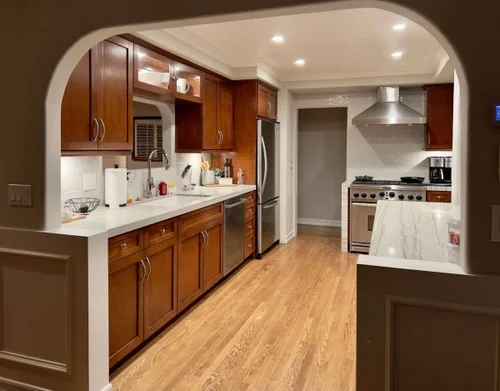
Credit: carlaaston.com
Success Stories And Case Studies
Discover how hiring a kitchen designer can transform your space through real-life success stories. Case studies reveal expert strategies that enhance functionality and aesthetics.
Success stories and case studies offer concrete examples of how a kitchen designer can turn your culinary dreams into reality. They give life to the ideas that might just be forming in your mind. By diving into real-life transformations, you can better visualize the possibilities for your own kitchen space.Transformative Designs
Imagine walking into a kitchen that once felt cramped and outdated but now boasts an open, modern look that feels like a breath of fresh air. One client had a small, dark kitchen with outdated appliances and limited counter space. After working with a skilled designer, they now enjoy a spacious layout with state-of-the-art appliances and ample room to entertain guests. Designers can see potential where you might only see limitations. They use their expertise to create designs that fit the unique needs of your lifestyle. Consider how a professional touch could reimagine your kitchen’s functionality and style.Client Testimonials
Happy clients often share how their kitchen transformations have positively impacted their daily lives. One homeowner noted that their newly designed kitchen became the heart of their home, fostering family gatherings and shared meals. Another praised the designer for understanding their vision and delivering more than they expected. These testimonials highlight the value of collaboration with a professional. Wouldn’t you want to have a kitchen that not only meets but exceeds your expectations? Listening to satisfied clients can inspire you to take the leap.Lessons Learned
Every project comes with its own set of challenges and learning opportunities. In one case, a homeowner learned the importance of considering future needs when planning their kitchen redesign. By incorporating flexible storage solutions, they ensured their space would adapt to their growing family. Another key lesson is the significance of clear communication. Misunderstandings can lead to delays and unexpected costs. Ensure you and your designer are on the same page to avoid potential pitfalls. Reflecting on these experiences can guide you in making informed decisions for your own kitchen project. What lessons will you learn from others’ successes that could save you time and resources?Frequently Asked Questions
What Does A Kitchen Designer Do?
A kitchen designer plans and creates functional kitchen spaces. They focus on layout, aesthetics, and optimizing space. Designers select materials, fixtures, and appliances to meet your needs and style. Their expertise ensures a harmonious balance between functionality and beauty, enhancing the overall value and usability of your kitchen.
How Much Does A Kitchen Designer Cost?
Kitchen designer fees vary based on project scope and location. Typically, they charge hourly rates or fixed fees. A simple consultation might cost less, while full-service design is more expensive. Investing in a designer can save money by preventing costly mistakes and ensuring efficient use of materials.
Can I Design My Kitchen Myself?
Yes, designing your kitchen yourself is possible. However, it requires time, effort, and knowledge of design principles. DIY design might lack the expertise and creativity a professional offers. A kitchen designer can optimize space, functionality, and aesthetics, providing a tailored solution that meets your needs and adds value.
How Long Does Kitchen Design Take?
The duration of kitchen design varies based on complexity and customization. Simple projects may take a few weeks, while detailed designs can take months. Collaboration with a designer helps streamline the process. Their experience ensures efficient planning, minimizing delays and helping create a functional and beautiful kitchen.
Conclusion
Deciding on a kitchen designer depends on your needs. Their skills transform ideas into reality. They bring expertise and creative solutions. Save time and avoid costly errors. Their guidance makes projects smoother. Consider your budget and complexity. Not every kitchen needs a designer.
Smaller updates might not require one. For large renovations, they are helpful. Weigh the pros and cons carefully. Think about your vision and goals. A designer can enhance your dream kitchen. Make sure you choose wisely. Your kitchen should reflect your style and needs.