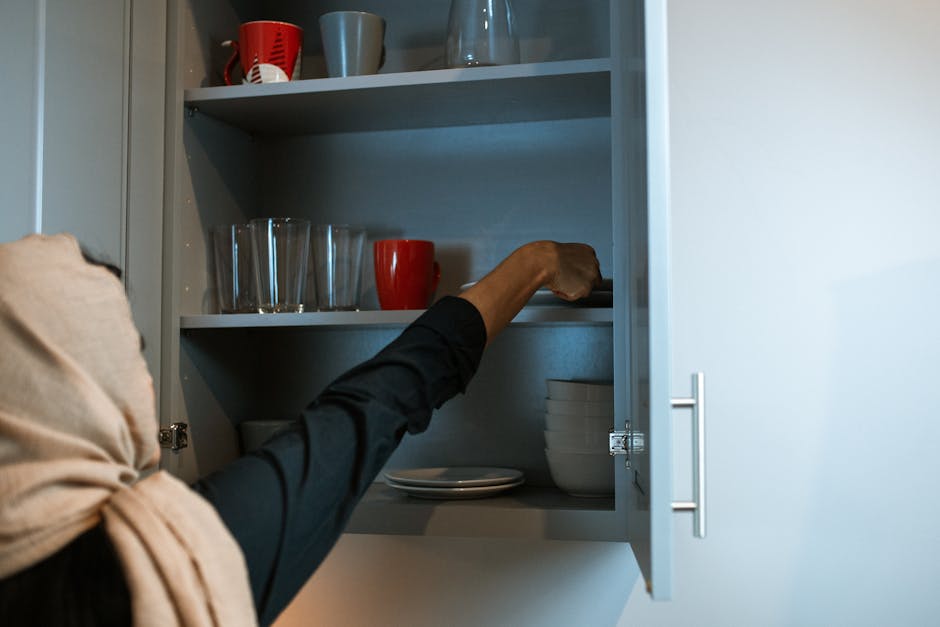
Have you ever wondered if your kitchen gets cleaned when you resurface your kitchen cabinets? It’s a common question that surfaces during kitchen renovations.
You might think that resurfacing is just about giving your cabinets a fresh look, but could it also mean a cleaner kitchen? Imagine transforming your cooking space, not just visually but also in terms of cleanliness. We’ll explore how resurfacing your cabinets might impact the overall tidiness of your kitchen.
We’ll uncover the hidden benefits that could make your kitchen feel as good as new. Stay with us to discover how you can achieve a kitchen that not only looks stunning but also feels pristine. Your kitchen’s transformation might be more profound than you ever imagined!
Resurfacing Kitchen Cabinets
Resurfacing kitchen cabinets can give your kitchen a fresh look. Often, this process leads to a cleaner space. Dust and old grime are removed during the resurfacing, enhancing the kitchen’s overall cleanliness.
Resurfacing kitchen cabinets can be a transformative project for your kitchen. It is a cost-effective way to refresh the appearance of your space without the expense and inconvenience of a full remodel. But does this process also involve cleaning the kitchen? Let’s explore what cabinet resurfacing entails and the benefits it offers.What Is Cabinet Resurfacing
Cabinet resurfacing, often referred to as refacing, involves replacing or covering existing cabinet doors and drawer fronts with new materials. This process can include applying new veneers or laminates to the exterior surfaces of the cabinets. It’s a clever way to give your kitchen a new look without tearing everything apart. During resurfacing, you keep the structure of the cabinets intact while updating the visible parts. This means less mess and disruption compared to a complete renovation. If you’ve ever wished for a kitchen facelift without the chaos, resurfacing might be your solution.Benefits Of Resurfacing
Resurfacing your kitchen cabinets offers numerous advantages. First, it’s budget-friendly. You can achieve a brand-new look without the hefty price tag of replacing all your cabinets. It’s also time-efficient. A project that might take weeks with a full renovation can often be completed in just a few days. This means less time without access to your kitchen, which is a huge plus for busy households. Additionally, resurfacing is environmentally friendly. By reusing the existing cabinet framework, you reduce waste and the need for new materials. This makes it a sustainable choice for eco-conscious homeowners. Have you ever considered how much waste is generated by full kitchen remodels? Resurfacing helps mitigate that, giving you a fresh kitchen look while being kind to the planet.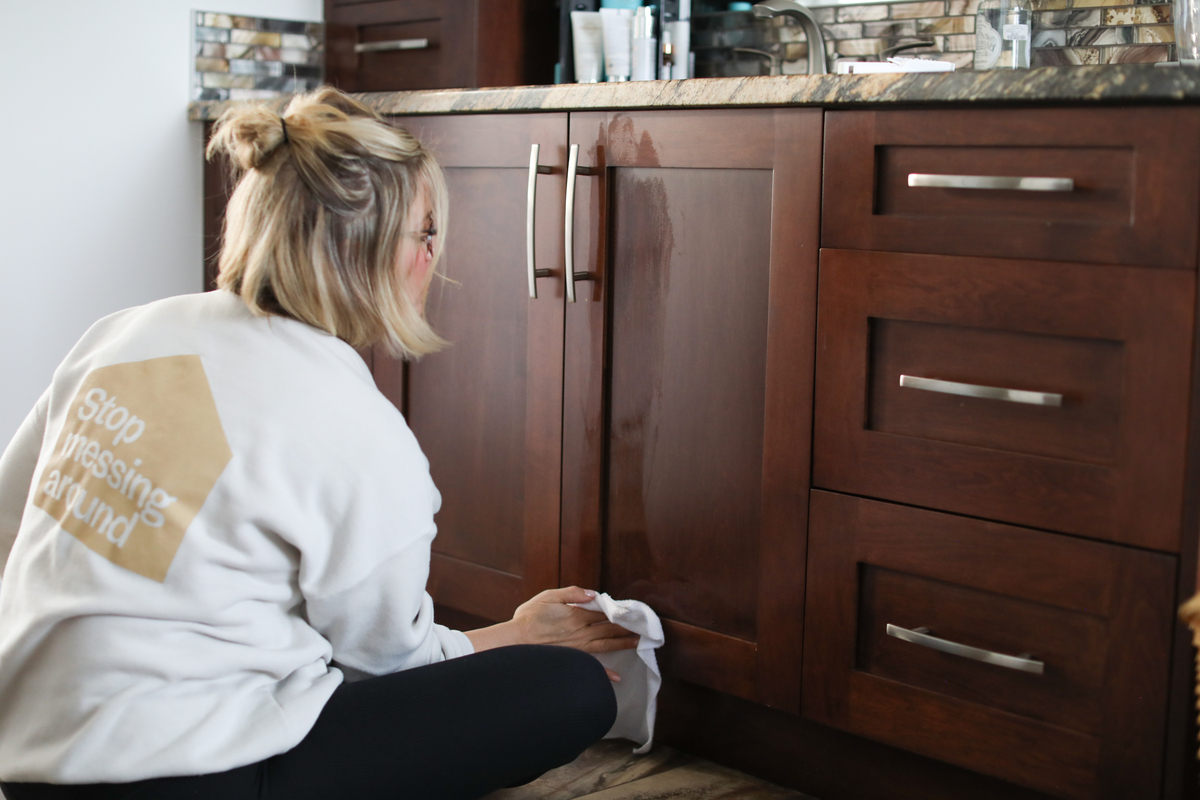
Credit: www.housework.com
Impact On Kitchen Cleanliness
Resurfacing kitchen cabinets can greatly enhance kitchen cleanliness. Fresh surfaces reduce grime build-up and create a more hygienic space. A cleaner kitchen promotes healthier cooking environments and easier maintenance.
Resurfacing kitchen cabinets can significantly impact the cleanliness of your kitchen. This process can breathe new life into your space, but it can also present challenges in maintaining a clean environment. As you embark on this transformation, it’s essential to consider how the resurfacing process affects the cleanliness of your kitchen and its surrounding areas.Dust And Debris Management
During cabinet resurfacing, dust and debris are unavoidable companions. Sanding, cutting, and other activities can release particles into the air, settling on countertops, appliances, and floors. You might find yourself wiping surfaces repeatedly to keep them clean. A proactive approach is crucial. Covering countertops and appliances with protective sheets can prevent dust accumulation. Regularly vacuuming or sweeping can help manage the mess. You might wonder, is it worth the effort? The answer lies in the refreshed look of your kitchen, which often outweighs the temporary inconvenience.Effect On Surrounding Areas
Resurfacing doesn’t just impact the cabinets; it can affect the surrounding areas as well. You may notice dust creeping into adjacent rooms or settling into crevices. This can lead to a more extensive cleaning task than initially anticipated. Consider closing doors to nearby rooms to contain the spread. Implementing a thorough cleaning routine post-resurfacing can ensure your entire kitchen area, including adjacent spaces, returns to its pristine state. Are you prepared to tackle these areas for a fresh start? Embrace the challenge, and you might find unexpected satisfaction in a gleaming, unified kitchen space.Steps To Ensure Cleanliness
Resurfacing kitchen cabinets can enhance cleanliness by eliminating dirt and grime. This process often involves thorough cleaning. Fresh surfaces contribute to a tidy kitchen environment.
Resurfacing kitchen cabinets can breathe new life into your cooking space without the hefty price tag of a complete renovation. However, the process can get messy. Ensuring cleanliness throughout is crucial not only for a smooth finish but also for maintaining hygiene in your kitchen. Let’s delve into the steps you can take to keep your kitchen spotless during this transformation.Preparation Before Resurfacing
Before you begin, clear out all items from your cabinets. This is a great opportunity to declutter and discard expired goods. Lay down drop cloths or plastic sheets to protect your floors and countertops. This will catch dust and debris, making cleanup easier. Gather your cleaning supplies in advance. You’ll need items like microfiber cloths, a vacuum with a brush attachment, and a gentle cleaner.Cleaning During The Process
As you sand or strip the old surface, dust can quickly settle on every surface. Use a vacuum to frequently remove dust from the air and surrounding areas. Wipe down surfaces with a damp cloth to keep them clean and ready for the next steps. This prevents dust from embedding into fresh layers. Remember to clean your tools as you go. A clean brush or roller ensures a smooth application, free from unwanted particles.Post-resurfacing Cleanup
Once the new surface is applied and dried, it’s time for a thorough cleanup. Start by removing protective coverings and disposing of them properly. Wipe down all surfaces to remove any residual dust or debris. Pay special attention to nooks and crannies where dust might hide. Finally, vacuum the entire area and mop the floors. This ensures that your newly resurfaced kitchen shines and is ready for use. Taking these steps seriously not only guarantees a cleaner workspace but also enhances the quality and longevity of your resurfacing project. Are you ready to give your kitchen a fresh start while keeping it spotless?Materials And Tools For Cleaning
Resurfacing kitchen cabinets can enhance their appearance, but cleaning them requires specific materials and tools. Ensure to have cleaning solutions, soft cloths, and brushes ready to tackle dirt and grime effectively. This approach ensures a refreshed and clean kitchen space.
Cleaning your kitchen is crucial when resurfacing cabinets. It ensures a fresh start. Proper cleaning materials and tools can make a big difference. They help maintain the new look of your cabinets. Let’s explore the essential supplies and protective gear needed.Essential Cleaning Supplies
A few basic supplies are necessary for effective cleaning. Dish soap is a gentle yet effective cleaner. It removes grease and grime. White vinegar mixed with water serves as a natural cleaner. It helps sanitize surfaces. Baking soda is great for stubborn stains. It acts as a mild abrasive. A microfiber cloth is perfect for wiping surfaces. It doesn’t leave lint behind. Consider using a soft sponge. It cleans without scratching. A bucket to hold your cleaning solutions is handy. Use warm water for better results. A small brush can help clean corners and edges. It reaches the tight spots easily.Protective Gear
Protective gear ensures safety while cleaning. Rubber gloves protect your hands from chemicals. They prevent skin irritation. A face mask is helpful if you are sensitive to dust. It also protects from strong smells. Wear old clothes during the cleaning process. This avoids damaging your good clothes. Safety goggles protect your eyes from splashes. They are crucial when using strong cleaners. Closed-toe shoes safeguard your feet from spills. They also provide better grip on wet floors.Professional Vs. Diy Resurfacing
Choosing between professional and DIY resurfacing impacts kitchen cleaning. Professionals often ensure a spotless finish, while DIY efforts might leave some mess behind. Resurfacing cabinets can refresh the kitchen’s look, but the cleaning outcome varies with the method used.
Resurfacing kitchen cabinets can transform your kitchen’s look. This process includes cleaning and restoring the cabinets’ surfaces. Many homeowners face a choice: hire professionals or do it themselves. Each option has unique benefits and challenges. Let’s explore both.Pros Of Hiring Professionals
- Professionals ensure a high-quality finish. They have the right tools and experience.
- They save you time and effort. You won’t need to worry about mistakes.
- Professionals can handle complex tasks. They know how to manage intricate designs.
- They offer warranties on their work. This guarantees peace of mind.
Diy Resurfacing Tips
- Prepare your workspace. Clean the area and cover surfaces with drop cloths.
- Remove cabinet doors. This ensures better access to surfaces.
- Clean the cabinets thoroughly. This helps the new finish adhere properly.
- Use quality materials. Invest in good paint and brushes for a better finish.
- Follow instructions carefully. Read product manuals and online guides.
- Take your time. Rushing can lead to mistakes and uneven finishes.

Credit: www.instagram.com
Maintaining A Clean Kitchen
Resurfacing kitchen cabinets can make your kitchen feel refreshed and cleaner. A sleek, new cabinet surface often simplifies cleaning tasks. This upgrade may inspire more frequent tidying, contributing to a cleaner kitchen environment.
Maintaining a clean kitchen can sometimes feel like an uphill battle, especially after resurfacing your kitchen cabinets. You might wonder if the dust and debris from the process will tarnish your gleaming countertops or floors. The good news is that with a few proactive strategies, you can keep your kitchen spotless during and after the cabinet transformation.Regular Cleaning Practices
After resurfacing your kitchen cabinets, establishing a routine cleaning schedule is essential. Regularly wipe down surfaces to prevent dust and grime from settling. Use a damp cloth with a mild detergent for the best results, and don’t forget to clean the corners and hidden spots. Consider adopting a “clean as you go” approach. For instance, if you’re cooking, quickly wipe spills immediately to prevent stains. This habit reduces the workload later and ensures your kitchen remains inviting and hygienic.Long-term Maintenance Strategies
Long-term maintenance is crucial to preserving the fresh look of your resurfaced cabinets. Apply a protective sealant to keep the finish intact and resistant to water damage. This not only extends the life of your cabinets but also simplifies cleaning in the future. Think about implementing a monthly deep-clean routine. This could include vacuuming the cabinet interiors and using a mixture of vinegar and water to tackle any stubborn spots. Consistent care like this ensures your kitchen stays in top shape for years to come. What strategies have you found effective in maintaining a clean kitchen? Share your tips and experiences in the comments below!
Credit: www.instagram.com
Frequently Asked Questions
Do Cabinets Get Cleaned During Resurfacing?
Yes, cabinets are typically cleaned during the resurfacing process. Cleaning ensures a smooth surface for the new finish. It removes dirt, grease, and old residues. This step is crucial for a professional and long-lasting result. Proper cleaning helps the resurfacing materials adhere better to the cabinet surfaces.
How Does Resurfacing Affect Kitchen Cleanliness?
Resurfacing can temporarily disrupt kitchen cleanliness. However, it ultimately enhances it by revamping old surfaces. The process involves dust and debris, but professionals usually clean up afterward. Resurfaced cabinets are easier to clean and maintain. They also give your kitchen a fresh, updated look.
What Cleaning Is Needed Before Resurfacing?
Before resurfacing, cabinets need thorough cleaning to remove grime and grease. This involves using suitable cleaning agents. Ensuring a clean surface is essential for proper material adherence. This step helps achieve a smooth and professional finish. Cleaning also prevents imperfections in the resurfaced cabinets.
Is Professional Cleaning Part Of Resurfacing?
Professional cleaning is often part of the resurfacing process. Experts ensure that all surfaces are spotless before beginning work. This step is crucial for achieving high-quality results. It also ensures the durability of the resurfacing materials. Proper cleaning by professionals guarantees a smooth application and finish.
Conclusion
Resurfacing kitchen cabinets can greatly enhance your kitchen’s look. It doesn’t directly clean your kitchen. But it can inspire a deeper cleaning process. A fresh look often motivates tidying up. Clean surfaces make new finishes shine. Consider cleaning before resurfacing for best results.
This ensures a smooth process. A tidy kitchen complements cabinet updates beautifully. Organize and declutter to complete the transformation. Resurfacing is a great step in a larger refresh. Keep your kitchen looking its best with regular maintenance. Enjoy the renewed space!