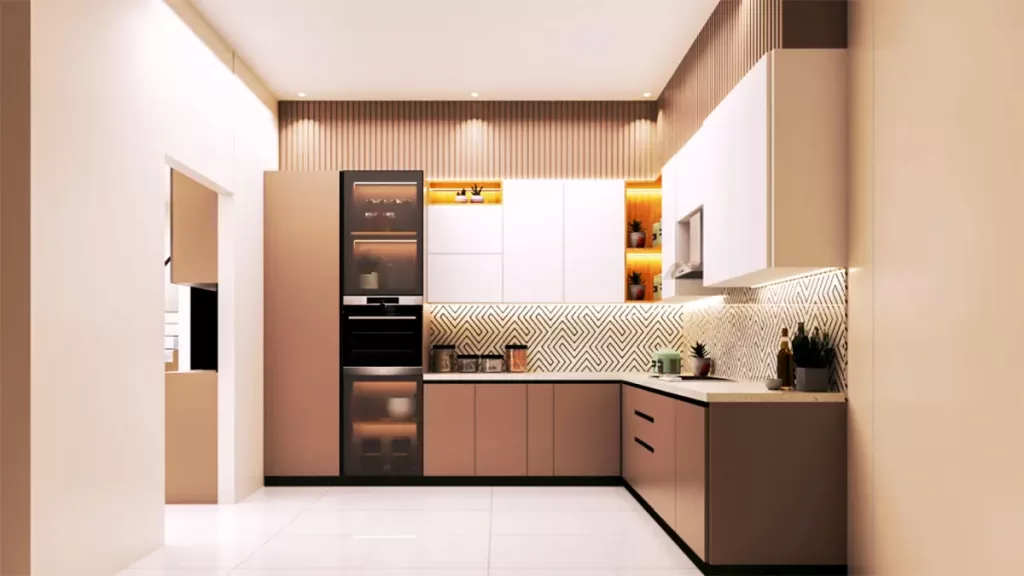
Are you dreaming of a kitchen that radiates warmth and vibrancy, capturing the essence of Indian culture? Designing a kitchen Indian style isn’t just about aesthetics; it’s about creating a space that tells stories, evokes emotions, and becomes the heart of your home.
Imagine the aroma of spices wafting through the air, the vibrant colors that bring joy to your day, and the intricate designs that reflect a rich heritage. This blog will guide you through creating a kitchen that’s not only functional but also a true reflection of Indian tradition.
Ready to transform your space into a captivating blend of culture and comfort? Let’s dive in and uncover the secrets to designing your dream Indian-style kitchen.

Credit: medium.com
Indian Kitchen Design Principles
The Indian kitchen is a blend of culture and practicality. Designing it requires understanding traditional values and modern needs. The kitchen is the heart of the home. It reflects family traditions and culinary passion.
Balance Of Tradition And Modernity
Indian kitchens embrace tradition while incorporating modern features. Traditional elements include wooden cabinets and brass utensils. These evoke nostalgia and warmth. Modern touches like stainless steel appliances enhance efficiency. The balance creates a functional yet charming space. Choose colors that reflect both eras. Earthy tones and bold hues work well together. This blend provides a contemporary yet timeless feel.
Focus On Functionality
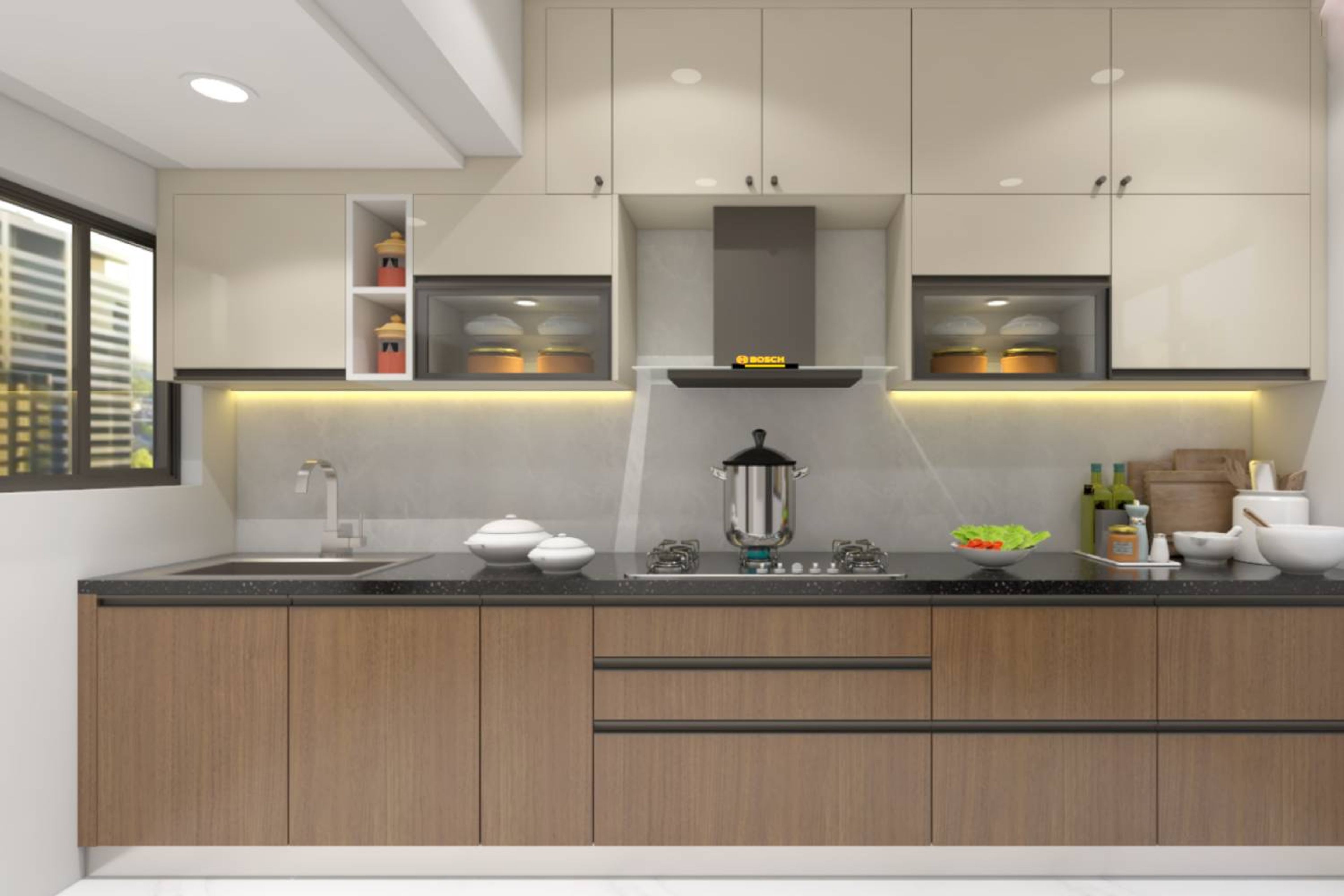
Functionality is key in Indian kitchen design. Space should cater to diverse cooking styles. Ensure ample storage for spices and grains. Install deep drawers and overhead cabinets. This maximizes space usage. Opt for easy-to-clean surfaces like granite or quartz. They withstand heavy use and maintain hygiene. Consider an ergonomic layout for smooth workflow. The triangle layout, linking stove, sink, and fridge, is effective.
Credit: www.livspace.com
Color Palette Choices
Choosing the right color palette sets the tone for your Indian-style kitchen. It enhances the cultural essence and vibrancy. Let’s explore some captivating options.
Warm And Earthy Tones
Warm tones like terracotta and ochre bring a cozy feel. These colors reflect the rich Indian heritage. Earthy shades create a grounded atmosphere. They make the kitchen feel inviting and rustic. Combine them with wooden elements for a natural look.
Muted greens and browns complement these tones well. They add depth without overpowering the space. Use these colors on walls or cabinets. This creates a harmonious look. Consider clay or copper accessories to enhance the theme.
Vibrant Accents
Bright colors infuse energy into the kitchen. Think reds, yellows, and blues. These accents echo Indian festivals and traditions. They can be used in tiles or backsplash. Vibrant colors create focal points that draw attention.
Balance vibrant accents with neutral backgrounds. This prevents the space from feeling overwhelming. Use colorful textiles like curtains or rugs. They add personality without permanent changes. Small decorative items can also pop with vibrant hues.
Material Selection
Material selection is key to achieving an authentic Indian-style kitchen. The right materials can elevate your kitchen’s aesthetic while ensuring practicality. As you plan your kitchen design, consider incorporating elements that reflect the rich textures and vibrant colors of Indian decor.
Natural Wood And Stone
Natural wood is a staple in Indian kitchen design. Its warmth and timeless appeal can make your space inviting. Opt for teak or rosewood for cabinetry and furniture; these woods are known for their durability and rich tones.
Stone countertops, such as granite or sandstone, add elegance and are highly functional. They can withstand the rigors of cooking while adding a touch of luxury. Choose colors that complement your overall color scheme, enhancing the authentic feel.
Consider how these materials will age. Wood and stone develop a patina over time, adding character to your kitchen. Do you prefer a pristine look or one that tells a story?
Incorporating Metals
Metals can add a modern twist to your traditional Indian kitchen. Brass and copper are popular choices for their warm hues and historical significance in Indian households. Use them for fixtures or accents to create a unique blend of old and new.
Stainless steel is another option for a contemporary touch. It offers sleek lines and easy maintenance, making it ideal for busy kitchens. Consider using it for appliances or backsplashes to contrast with more traditional elements.
Think about how metals can reflect light, creating a bright and welcoming atmosphere. What kind of ambiance do you want your kitchen to have? The right metals can help achieve that vision.
Furniture And Cabinetry
Designing an Indian-style kitchen involves vibrant colors and intricate patterns. Traditional wooden cabinetry adds warmth and elegance. Add brass or copper accents for an authentic touch.
Designing a kitchen in an Indian style is a journey that brings together tradition and modernity. Furniture and cabinetry are the backbone of this design process. They not only define the look but also enhance the functionality of your kitchen space. Whether you are inclined towards traditional designs or wish to incorporate a modern touch, the choices you make can transform your kitchen into a vibrant space.Traditional Designs
Traditional Indian kitchen designs often feature rich wooden cabinetry. Teak and rosewood are popular choices, known for their durability and timeless appeal. Imagine a kitchen with intricately carved cabinet doors that tell a story of elegance and heritage. Indian craftsmanship can add a personal touch to your kitchen. Opt for hand-painted finishes or brass handles to infuse a sense of authenticity. These elements bring a warm and inviting vibe to the kitchen, making it a space where family memories are created. Consider the use of open shelving, a hallmark of traditional Indian kitchens. They not only provide easy access to everyday essentials but also display your beautiful crockery and spices. Wouldn’t it be lovely to have your colorful masala jars adding a splash of color to the space?Modern Touches
While traditional designs offer charm, modern touches can bring your kitchen into the 21st century. Sleek cabinetry with minimalist handles gives a clean and contemporary feel. The use of lighter wood or even painted cabinets can make the space look brighter and more spacious. Incorporating glass elements in cabinetry is a great way to modernize. Glass doors on cabinets can make your kitchen appear more open and airy. It also adds an element of sophistication, allowing you to showcase your fine dinnerware. Consider integrating smart storage solutions. Pull-out drawers, lazy Susans, and hidden compartments can maximize space and keep your kitchen clutter-free. Think about how much easier meal prep would be if every utensil had its own designated spot. In blending traditional designs with modern touches, you create a kitchen that is both beautiful and functional. What changes can you make today to your kitchen’s furniture and cabinetry that will inspire your culinary adventures?Decorative Elements
Infuse vibrant colors and intricate patterns for an Indian-style kitchen. Opt for ornate tiles and brass accents. Add traditional Indian cookware for authenticity and cultural flair.
Decorative elements play a crucial role in Indian kitchen design. They bring life and personality to the space. These elements reflect cultural richness and create a warm atmosphere. Indian kitchens often feature vibrant colors and intricate designs. This makes the kitchen not only functional but also aesthetically pleasing. Let’s explore some key decorative elements.Handcrafted Artistry
Handcrafted artistry adds unique charm to Indian kitchens. Skilled artisans create beautiful pottery and sculptures. These items often feature traditional motifs and patterns. Displaying handmade ceramics on shelves can enhance the kitchen’s appeal. Wooden carvings also add warmth and texture. Incorporate these elements to give your kitchen an authentic Indian feel.Use Of Textiles
Textiles play an essential role in Indian kitchen decor. Brightly colored curtains can add vibrancy to windows. Choose fabrics with intricate patterns for an elegant touch. Table runners and placemats also contribute to the decor. They protect surfaces while adding color and design. Consider using traditional Indian prints for a cohesive look. Textiles are both functional and decorative in an Indian kitchen.Lighting Solutions
Designing a kitchen in Indian style involves thoughtful lighting solutions. Bright overhead lights can enhance cooking areas, while ambient lights create a warm dining space. Traditional pendant lamps add charm and illuminate countertops effectively, blending functionality with cultural aesthetics.
Designing a kitchen in the Indian style is an exciting journey filled with vibrant colors, traditional materials, and distinctive decor. One crucial element that often gets overlooked is lighting. It plays a pivotal role in showcasing the beauty of the space while ensuring functionality. The right lighting solutions can transform your kitchen into a warm, inviting, and practical space where you can cook traditional Indian meals with ease.Ambient Lighting
Ambient lighting is the foundation of your kitchen’s lighting plan. It provides overall illumination and sets the mood for the space. You might consider using a combination of overhead fixtures like pendant lights or chandeliers, which add a touch of elegance and charm. Using LED ceiling lights can be energy-efficient and offer a soft glow that complements the vibrant colors typically found in Indian kitchens. Think about the color temperature of the lights. Warm tones create a cozy environment, while cooler tones can make the kitchen feel more spacious.Task Lighting
Task lighting focuses on areas where you perform specific tasks like chopping vegetables, stirring curries, or rolling chapatis. Under-cabinet lights are a popular choice because they illuminate countertops without casting shadows, making your work easier and safer. Consider adjustable LED strip lights for flexibility. They can be dimmed or brightened according to your needs, ensuring you have the perfect amount of light whether you’re preparing a quick snack or a full meal. Ask yourself, where do you need the most light in your kitchen? Address those areas first, ensuring that your design is both functional and stylish. Incorporating these lighting solutions will not only enhance the aesthetic appeal of your Indian-style kitchen but also improve its practicality. Remember, the key is to find a balance between beauty and function, creating a space where you enjoy spending time.Space Optimization
Designing an Indian-style kitchen involves smart use of space with open shelves and compact storage solutions. Utilize vertical space with hanging racks for utensils and spices. Choose multi-functional furniture to maximize efficiency and maintain the traditional charm.
Optimizing space in an Indian-style kitchen is both an art and a necessity. With the variety of spices, utensils, and cookware essential to Indian cooking, making the most of every inch is crucial. A well-organized kitchen not only enhances efficiency but also makes cooking more enjoyable and less stressful.Efficient Layouts
Choosing the right layout can significantly impact how space is utilized. The U-shaped layout is ideal for larger kitchens, providing ample counter space and storage. For smaller spaces, an L-shaped or straight-line layout can maximize functionality without feeling cramped. Consider the classic work triangle—position the stove, sink, and refrigerator in a triangular layout to minimize movement and enhance workflow. This is particularly helpful when preparing elaborate Indian meals. The placement of appliances and workstations should reflect your cooking habits. Are you a frequent baker or do you love making elaborate meals? Tailor the layout to suit your needs.Storage Solutions
Storage is a key component of space optimization in an Indian kitchen. Utilize vertical space by installing tall cabinets or open shelves. These can house everything from spices to larger pots and pans, keeping them within reach yet neatly organized. Pull-out drawers and rotating racks can make a world of difference. They allow easy access to items stored at the back, ensuring nothing gets lost or forgotten. Don’t overlook corners. Corner drawers or lazy Susans can transform these often neglected areas into valuable storage spots. Adding hooks or magnetic strips on walls can free up counter space by holding utensils, knives, or even small spice jars. What creative storage solutions have you implemented in your kitchen? Consider these tips and see how they can improve your cooking space.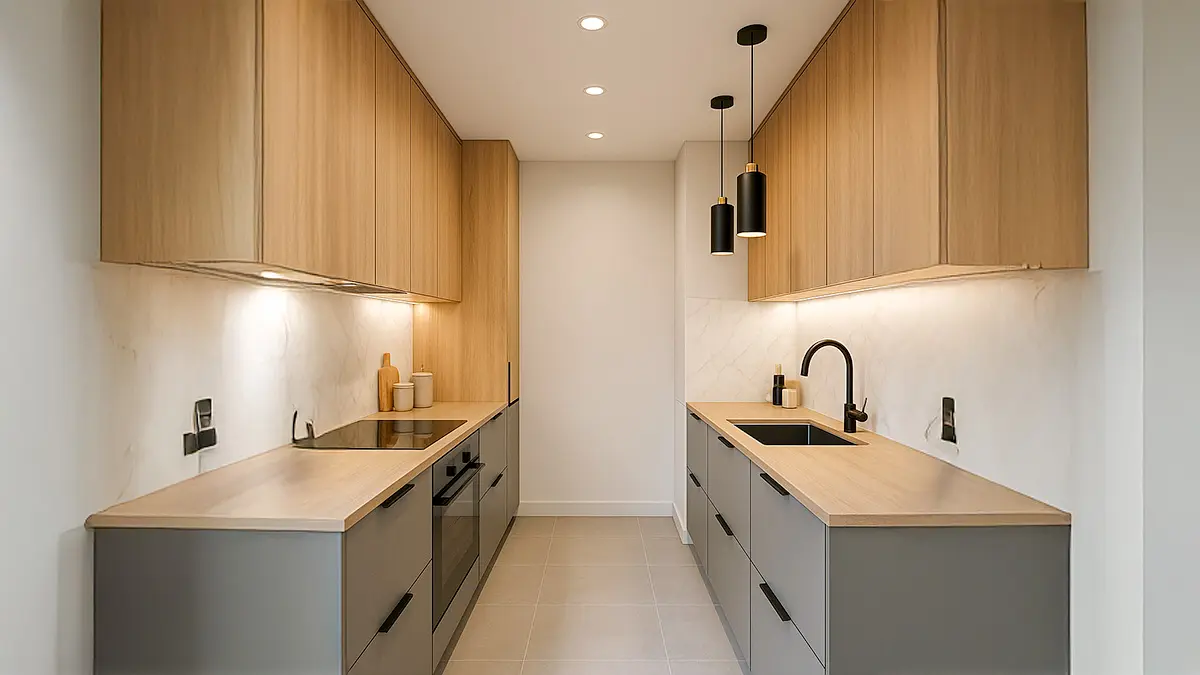
Credit: homzinterio.in
Cultural Influences
Designing a kitchen in Indian style is a journey through rich cultural heritage. Indian kitchens reflect diverse traditions and philosophies passed through generations. Culture influences every aspect, from layout to décor, creating spaces that embody warmth and functionality.
Regional Styles
India’s vast geography offers a variety of regional kitchen styles. Each region has unique materials, colors, and designs. In the north, marble and granite are popular. These materials provide elegance and durability. Southern kitchens often use wood and earthy tones, creating a cozy atmosphere. Eastern styles embrace bamboo and vibrant colors, bringing nature indoors. Western kitchens blend modern and traditional elements, offering innovative designs.
Spiritual Elements
Spirituality plays a vital role in Indian kitchens. Many designs incorporate Vastu Shastra principles. This ancient practice enhances harmony and prosperity. Placement of appliances and colors are chosen for positive energy flow. Kitchens often include a small altar or prayer space. This spot is for daily rituals and blessings. The use of natural materials like wood and stone is common. They symbolize purity and connection to the earth.
Frequently Asked Questions
What Are Key Elements Of Indian Kitchen Design?
Indian kitchen design focuses on functionality, vibrant colors, and natural materials. It incorporates traditional cookware, spices, and versatile storage solutions. Open shelving and efficient layout enhance accessibility. Use of wood, brass, and ceramic adds warmth. Embrace cultural motifs and ornate patterns to reflect Indian heritage and create an inviting atmosphere.
How To Incorporate Indian Motifs In Kitchen Decor?
Incorporate Indian motifs through textiles, wall art, and backsplash designs. Choose vibrant, intricate patterns that echo traditional Indian art. Use paisleys, mandalas, or ethnic prints for curtains and tablecloths. Decorate walls with framed artwork or decals. Blend these elements with modern design to create a unique and culturally enriched kitchen.
What Colors Best Suit Indian Kitchen Style?
Indian kitchen style thrives on vibrant colors like saffron, turmeric, and deep reds. These colors create warmth and vibrancy. Combine them with earthy tones like browns and greens for balance. Use colorful tiles, textiles, and utensils to enhance the palette.
Choose colors that resonate with Indian culture and evoke a welcoming ambiance.
How Can I Optimize Space In Indian Kitchens?
Optimize space by utilizing vertical storage solutions and smart cabinetry. Open shelves display essential items within reach. Incorporate multi-functional furniture like foldable tables and compact appliances. Efficient layout enhances workflow. Use hooks for hanging pots and pans. Maximize space without compromising aesthetics or accessibility.
Conclusion
Designing a kitchen in Indian style brings warmth and tradition home. Focus on vibrant colors and functional spaces. Use natural materials like wood and stone. Incorporate traditional patterns for a cultural touch. Open shelves and brass utensils add charm. Ensure good ventilation for comfort while cooking.
Lighting should be bright and inviting. Plants can add a fresh feel. Personal touches make the space unique. Enjoy the blend of tradition and modernity. Create a kitchen that reflects your personality. A space where family and friends gather. A place full of flavors and memories.