Ever wondered what happens when oven cleaner meets your kitchen countertop? You might think it’s just a simple cleaning process, but there’s more than meets the eye.
If you’ve ever accidentally spilled oven cleaner or considered using it on your countertops for that extra sparkle, you might want to think twice. Understanding the effects of oven cleaner on different surfaces can save you from potential damage and costly repairs.
You’ll discover the surprising reactions that can occur, why some countertops are more at risk, and how to protect your kitchen’s surfaces. Stick around to learn how to keep your kitchen looking pristine without the unintended consequences.
Credit: pbphomerepair.com
Chemical Composition Of Oven Cleaner
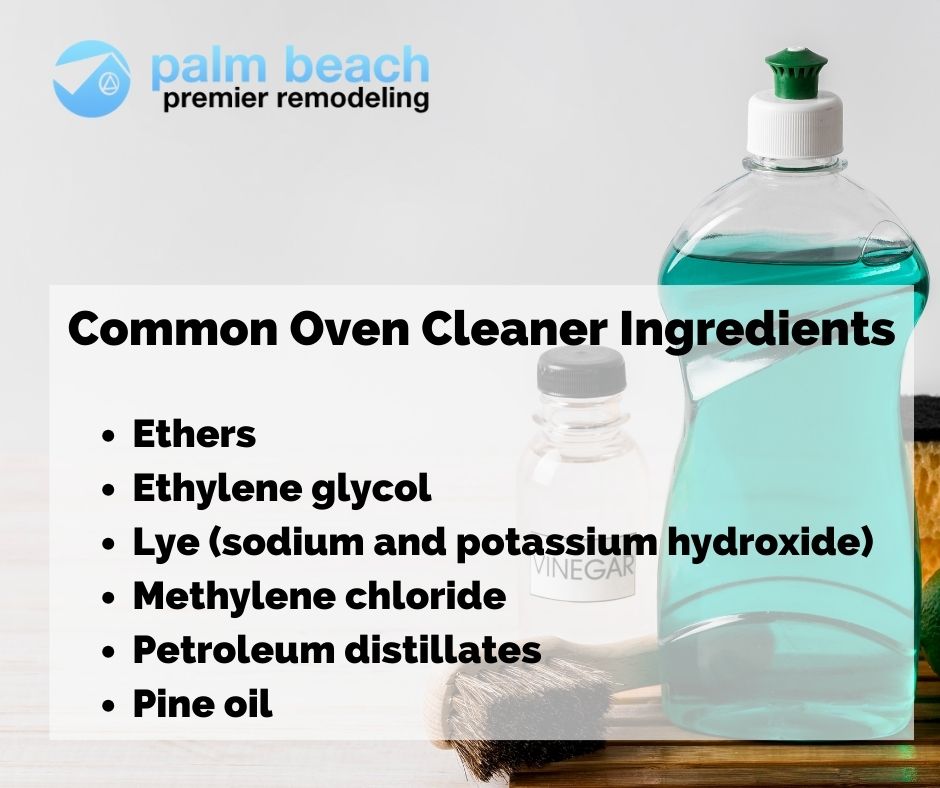
Understanding the chemical composition of oven cleaner is crucial for kitchen care. Oven cleaners are powerful solutions designed to tackle stubborn grease and grime. These cleaning agents contain specific chemicals that break down baked-on residue. Knowing what these chemicals are can help you use them safely.
Common Ingredients In Oven Cleaners
Oven cleaners often include a mix of strong chemicals. The primary ingredient is usually a strong alkali, like sodium hydroxide or potassium hydroxide. These substances effectively dissolve tough grease and food residues. Some cleaners also contain solvents like ethanol or butane. These help in breaking down the oils and fats. Surfactants are added to enhance the cleaning action. They help in spreading the cleaner evenly over surfaces.
The Role Of Alkaline Compounds
Alkaline compounds play a vital role in oven cleaners. Sodium hydroxide, a common alkali, raises the pH level. This high pH breaks down organic matter, making it easier to wipe away. These compounds are effective against burnt-on food and grease.
Solvents And Their Functions
Solvents in oven cleaners help dissolve grease and grime. Ethanol and butane are common solvents used. They break down oils, making them easier to clean. Solvents evaporate quickly, reducing residue on surfaces.
Understanding Surfactants
Surfactants improve the cleaning power of oven cleaners. They lower the surface tension of water, allowing better spread. This ensures that the cleaner covers and penetrates tough stains. Surfactants help rinse away residues, leaving surfaces clean.
Safety Considerations
Using oven cleaners requires care due to their strong chemicals. Always wear gloves to protect your skin. Ensure proper ventilation to avoid inhaling fumes. Follow instructions on the label for safe use.

Credit: www.reddit.com
Effects On Different Counter Materials
Oven cleaner can damage certain kitchen counter materials. Granite may lose its shine, while laminate might get discolored. Wood surfaces could warp or stain, affecting their appearance.
Cleaning your kitchen counters is a routine task, but what happens when you accidentally use oven cleaner on them? This potent cleaning agent can have varying effects depending on the material of your counters. Understanding these effects can save you from costly repairs or replacements. Let’s delve into how oven cleaner interacts with different counter materials.Impact On Granite Counters
Granite is cherished for its durability and elegance, but oven cleaner can be its nemesis. The harsh chemicals can strip the protective sealant, leaving your granite vulnerable to stains and scratches. Imagine investing in stunning granite only to see it marred by chemical damage. You might want to consider using gentler cleaning solutions that maintain its polished finish.Impact On Laminate Counters
Laminate counters are a budget-friendly choice, yet they are sensitive to strong chemicals. Oven cleaner can cause the laminate surface to bubble or peel, ruining its appearance. A friend once shared how her laminate counter developed unsightly blisters after using oven cleaner. It was a costly mistake that serves as a cautionary tale.Impact On Marble Counters
Marble exudes luxury, but it is one of the most sensitive materials in your kitchen. Oven cleaner can etch the surface, leaving dull spots and compromising its beauty. You might wonder, is it worth risking your marble’s elegance for a quick clean? Opt for pH-balanced cleaners to preserve its natural allure.Impact On Quartz Counters
Quartz is known for its robustness, but even it is not immune to oven cleaner. The chemicals can dull the surface and weaken the resin binding the quartz particles. If you value the gleam of your quartz counters, why not explore gentler alternatives that protect their shine? Your kitchen’s aesthetic depends on it. Understanding the specific effects of oven cleaner on various counter materials helps you make informed choices. Are you willing to risk your kitchen’s beauty for convenience?Potential Risks And Damages
Oven cleaners are powerful. They effectively remove stubborn grease and grime. But they can harm kitchen countertops. Understanding potential risks helps prevent damage.
Surface Discoloration
Oven cleaners contain harsh chemicals. These can cause discoloration on countertops. Stone and laminate surfaces are especially vulnerable. The chemicals may leave stains. This alters the countertop’s original look.
Structural Weakening
Some countertops are porous. Chemicals seep into these pores. Over time, this weakens the material. The surface may chip or crack more easily. Maintaining the countertop’s integrity becomes challenging.
Health Hazards
Oven cleaners have strong fumes. These can irritate the skin and eyes. Inhalation may cause respiratory issues. It’s crucial to ensure proper ventilation during use. Protective gear like gloves and masks helps.

Credit: www.reddit.com
Safe Cleaning Alternatives
Oven cleaner can damage kitchen counters by causing discoloration or weakening the surface. Choose safe cleaning alternatives to protect your counters. Use gentle, natural cleaners like baking soda and vinegar for effective results.
Cleaning your kitchen counters with oven cleaner might seem like a quick fix for tough stains, but it could damage your surfaces. Oven cleaners contain harsh chemicals that may strip away finishes and leave your counters dull and discolored. Instead, consider safer cleaning alternatives that are both effective and gentle on your countertops.Natural Cleaning Solutions
Natural cleaning solutions not only protect your surfaces but also the environment. A simple mix of vinegar and water can tackle most everyday messes. Add a few drops of lemon juice for a fresh scent and additional cleaning power. Baking soda is another fantastic natural cleaner. Sprinkle it onto the surface, add a little water to form a paste, and scrub gently. This method is excellent for removing stubborn stains without scratching.Commercial Counter Cleaners
Many commercial cleaners are formulated specifically for kitchen counters, ensuring they are safe and effective. Look for products labeled as non-toxic or biodegradable to keep your kitchen eco-friendly. Read reviews and opt for trusted brands that specify compatibility with your counter material. Whether it’s granite, quartz, or laminate, there’s a product tailored to your needs.Diy Cleaning Recipes
Creating your own cleaning solutions can be both fun and economical. One popular recipe involves mixing equal parts of rubbing alcohol, water, and white vinegar. Add a few drops of essential oil if you prefer a pleasant scent. Another effective DIY cleaner is a combination of dish soap and warm water. It’s gentle enough for regular use and can easily cut through grease and grime. Have you tried any of these alternatives? Finding the right solution might require a bit of experimentation, but your counters will thank you for it.Preventative Measures
Oven cleaner can damage kitchen counters by leaving stains or causing discoloration. Protect surfaces by using barriers like plastic covers.
Preventative measures are crucial when it comes to protecting your kitchen counter from the harsh effects of oven cleaners. These products, while effective for cleaning ovens, can cause damage to other surfaces if not used carefully. Understanding the importance of maintenance and regular cleaning can save you from costly repairs and replacements.Proper Counter Maintenance
Maintaining your kitchen counter involves more than just cleaning up spills. It means knowing what substances can harm your surface. Use cutting boards and trivets to protect against scratches and heat damage. Seal natural stone surfaces regularly to keep them resistant to stains and chemicals. When was the last time you checked your countertop for signs of wear? Keeping an eye out can prevent bigger issues.Regular Cleaning Practices
Routine cleaning is your counter’s best friend. It helps maintain its appearance and extends its lifespan. Clean spills immediately to prevent staining. Use a mild detergent and a soft cloth for daily cleaning. Avoid abrasive pads that can scratch the surface. Instead, opt for microfiber cloths. How often do you clean your counter? Establishing a consistent cleaning schedule can make all the difference. By implementing these preventative measures, you ensure your kitchen counter remains in top condition, even when using strong cleaning products like oven cleaners.Steps To Remedy Damage
Oven cleaners can be harsh on kitchen countertops. They often contain strong chemicals. These chemicals can damage surfaces if not cleaned properly. If your countertop suffers damage, quick action is essential. Follow these steps to minimize and remedy the damage effectively.
Immediate Actions Post-exposure
Begin by wiping the affected area with a damp cloth. Use warm water. This helps remove any remaining cleaner. Do not scrub too hard. Gentle pressure is enough. Use a mild dish soap for added cleaning. Rinse the area thoroughly. Dry it with a clean towel. Prevent further damage by avoiding heat and pressure.
Professional Restoration Options
If damage persists, consider professional help. Experts can assess the severity. They offer specialized services for different materials. Granite, marble, and laminate require specific care. Professionals can restore the original look. They also provide advice to prevent future incidents. Investing in professional restoration can save time and effort.
Frequently Asked Questions
How Does Oven Cleaner Affect Kitchen Counters?
Oven cleaners can damage kitchen counters if not used properly. They contain strong chemicals that may cause discoloration, staining, or surface damage. It’s essential to follow the product instructions and avoid contact with counters. Consider using protective barriers or alternative cleaning solutions for safer cleaning.
Can Oven Cleaner Stain Countertops?
Yes, oven cleaner can stain countertops. The harsh chemicals in oven cleaners may react with countertop materials, leading to unsightly stains. Always test a small, hidden area first and ensure proper ventilation. Using protective coverings or specialized cleaners designed for countertops can help prevent staining.
Is It Safe To Use Oven Cleaner On Counters?
Using oven cleaner on counters is generally not safe. The strong chemicals can cause damage to many countertop materials. It’s advisable to use cleaners specifically designed for countertops to avoid potential damage and ensure safety. Always read product labels and follow usage instructions carefully.
What Should I Do If Oven Cleaner Spills?
If oven cleaner spills on your counter, act quickly. Wipe it off immediately with a damp cloth to minimize damage. Rinse thoroughly with water and mild soap to neutralize any remaining residue. Avoid scrubbing too hard to prevent further damage.
Always wear gloves when cleaning chemical spills.
Conclusion
Oven cleaner can damage kitchen counters if used carelessly. It’s important to choose the right cleaner for your surface. Some cleaners contain harsh chemicals that may cause discoloration or scratches. Always read labels and test a small area first. This helps prevent unwanted reactions.
Regular cleaning with mild detergents keeps counters safe and clean. Protect your counters by using the correct products. Proper maintenance extends their lifespan. Remember, your kitchen is a central part of your home. Take care of it. Choose wisely, clean gently, and enjoy a beautiful kitchen space every day.