Have you ever noticed the grime and stains in your kitchen sink that just won’t budge no matter how hard you scrub? You’re not alone.
The kitchen sink is one of the busiest spots in your home, and it’s no surprise that it can quickly become a breeding ground for germs and dirt. But before you reach for any cleaning product, it’s crucial to know what cleaning agents are best suited for your kitchen sink.
With the right tools, you can transform your sink from a dull, stained surface to a sparkling clean haven. Imagine the satisfaction of seeing your sink shine like new, enhancing the overall ambiance of your kitchen. You’ll discover the most effective cleaning agents that can tackle stubborn stains and keep your sink in pristine condition. So, if you’re ready to say goodbye to grime and hello to a spotless kitchen sink, keep reading to uncover the secrets of choosing the perfect cleaning agents.
:max_bytes(150000):strip_icc()/SPR-how-pro-cleaners-clean-a-sink-11781060-6d7babfdf0074ca79564864a6c7325dd.jpg)
Credit: www.thespruce.com
Common Cleaning Agents
Keeping your kitchen sink clean is important for hygiene. Many common cleaning agents can help maintain its sparkle and prevent germs. These agents are usually easy to find and safe to use. They effectively remove dirt, grime, and stains, leaving your sink fresh and clean.
Dish Soap
Dish soap is a staple in most kitchens. It’s gentle yet effective at cutting grease. A few drops can tackle everyday grime. Use a sponge or cloth to scrub the sink. Rinse well with water to remove soap residue. Regular use keeps the sink looking good.
Baking Soda
Baking soda is a natural cleaner. It’s mildly abrasive, perfect for removing stains. Sprinkle it over the sink surface. Add a little water to create a paste. Scrub gently with a sponge. Rinse the sink thoroughly. Baking soda also helps deodorize the sink.
Vinegar
Vinegar is an excellent cleaning agent. It’s acidic and breaks down mineral deposits. Pour vinegar into a spray bottle. Spray it across the sink area. Let it sit for a few minutes. Wipe with a clean cloth. Rinse well to finish. Vinegar also kills bacteria effectively.
Eco-friendly Options
Explore eco-friendly cleaning agents for your kitchen sink. Vinegar and baking soda effectively remove grime without harmful chemicals. Lemon juice provides a natural fresh scent while fighting bacteria.
Eco-friendly cleaning agents are gaining popularity in many homes. They protect the environment and are safe for your kitchen sink. These natural options are effective in removing grime and bacteria. They also leave your sink sparkling clean. Let’s explore a few eco-friendly choices.Lemon Juice
Lemon juice is a natural cleaner. It has antibacterial properties that help sanitize surfaces. Its acidic nature breaks down grease and grime. It leaves a fresh scent behind. To use, squeeze fresh lemon juice on the sink’s surface. Scrub with a soft brush for a shiny finish.Castile Soap
Castile soap is a gentle cleaner made from vegetable oils. It’s biodegradable and safe for the environment. Mix it with warm water to clean your kitchen sink. Use a cloth or sponge to scrub the area. It effectively removes dirt and grease without harsh chemicals.Hydrogen Peroxide
Hydrogen peroxide is a powerful disinfectant. It kills bacteria and sanitizes your kitchen sink. Use a diluted solution to clean surfaces. Spray it on the sink and let it sit for a few minutes. Scrub with a brush and rinse with water. It’s safe and leaves no residue.Heavy-duty Cleaners
Heavy-duty cleaners for kitchen sinks often include agents like bleach, vinegar, and baking soda. These powerful ingredients effectively remove grease and stains. Use them to maintain a sparkling clean sink effortlessly.
Heavy-duty cleaners tackle stubborn grime in kitchen sinks. They ensure deep cleaning and disinfection. These agents remove tough stains and bacteria effectively. Let’s explore some common heavy-duty cleaners used.Bleach
Bleach disinfects and whitens surfaces. It removes stains and kills germs. Mix it with water for a potent solution. Ensure proper ventilation when using bleach. It can irritate skin and eyes. Use gloves to protect your hands.Ammonia
Ammonia dissolves grease and grime. It leaves surfaces sparkling clean. Mix it with water for a strong cleaner. Avoid mixing ammonia with bleach. This creates dangerous fumes. Use ammonia in well-ventilated areas. Keep it away from children and pets.Commercial Cleaners
Commercial cleaners offer ready-to-use solutions. They target specific stains and dirt. Choose a cleaner suited for kitchen sinks. Follow instructions on the label carefully. Many commercial cleaners are safe and efficient. They save time and effort in cleaning tasks.Specialty Cleaners
Effective cleaning agents for kitchen sinks include vinegar, baking soda, and lemon juice. These natural cleaners tackle stains and odors with ease. Their non-toxic nature makes them safe for daily use, ensuring a sparkling clean kitchen environment.
Cleaning your kitchen sink can be a tricky task, especially when you’ve got different materials to consider. That’s where specialty cleaners come into play. These products are designed to tackle specific surfaces, ensuring your sink stays sparkling and damage-free. Whether it’s stainless steel, granite, or something more, there’s a cleaner tailored just for your needs.Stainless Steel Cleaners
Stainless steel sinks are a popular choice due to their durability and sleek appearance. However, they can easily show water spots and fingerprints. Stainless steel cleaners are formulated to remove these blemishes without scratching the surface. These cleaners often contain ingredients that polish the metal, leaving a shiny and protective finish. It’s amazing how a simple swipe with the right cleaner can transform a dull sink into a gleaming masterpiece. Have you ever noticed how a polished sink can elevate the entire look of your kitchen?Granite And Stone Cleaners
Granite and stone sinks add an elegant touch to any kitchen, but they require a bit of special care. Ordinary cleaners can be too harsh and strip away the natural sealant, leading to dullness and stains. Granite and stone cleaners are pH-balanced, ensuring they clean effectively while preserving the integrity of your sink. These cleaners often contain natural ingredients that gently lift dirt and grease without damaging the stone. If you’ve invested in a beautiful stone sink, it makes sense to use products that protect and enhance its natural beauty. Could using the right cleaner be the secret to a long-lasting shine?Enzyme-based Cleaners
Enzyme-based cleaners are a fantastic choice for tackling organic stains and odors. They’re particularly effective in kitchens, where food residue can cause unpleasant smells. These cleaners use natural enzymes to break down grime, making them a safe and eco-friendly option. Unlike harsh chemicals, enzyme-based cleaners continue working even after application, ensuring a deep clean. They’re perfect for families or those conscious of their environmental footprint. Have you considered the impact of switching to a more natural cleaning method in your kitchen?Diy Cleaning Solutions
DIY cleaning solutions for your kitchen sink are not only budget-friendly but also effective. They allow you to use simple, everyday ingredients found in your kitchen. Let’s explore some of these easy-to-make solutions that can keep your sink sparkling and germ-free.
Baking Soda And Vinegar Mix
Baking soda and vinegar are a dynamic duo when it comes to cleaning. Start by sprinkling a generous amount of baking soda all over the sink surface. Next, pour vinegar over the baking soda. You’ll notice a fizzing reaction that helps break down grime and stains.
Let the mixture sit for about 15 minutes. Then, scrub with a sponge or brush and rinse with warm water. This combination not only cleans but also deodorizes your sink effectively.
Salt And Lemon Scrub
Salt and lemon are perfect for a deep clean. Cut a lemon in half and dip it in salt. Use this to scrub the sink, focusing on areas with stubborn stains.
The abrasive nature of salt, combined with the acidity of lemon, works wonders in removing dirt and disinfecting the surface. Plus, it leaves a fresh citrus scent behind. Rinse thoroughly with water to finish.
Borax Paste
Borax is a powerful cleaning agent that can tackle tough stains. Mix borax with a small amount of water to create a thick paste. Apply the paste to stained areas and let it sit for at least 10 minutes.
Scrub the area with a sponge or brush, then rinse with warm water. Borax effectively removes stains and kills bacteria, making it a reliable choice for maintaining a clean sink.
Have you tried any of these DIY solutions before? They are simple yet effective, offering a natural way to keep your kitchen sink pristine. Give them a try and see the difference they make!

Credit: www.express.co.uk
Safety Tips
Maintaining a clean kitchen sink is essential for hygiene and preventing the spread of germs. However, using cleaning agents safely is crucial to protect yourself and your family. Safety measures ensure that your cleaning routine is effective without compromising your health. Let’s dive into some important safety tips you should follow when using cleaning agents in your kitchen sink.
Proper Ventilation
When using cleaning agents, ensuring proper ventilation is key. Cleaning products often release fumes that can be harmful if inhaled over time. Open windows or turn on exhaust fans to circulate fresh air in your kitchen. This simple step keeps the air breathable and reduces the risk of respiratory issues.
Protective Gear
Wearing protective gear is a smart move. Gloves protect your hands from harsh chemicals that can cause irritation or allergic reactions. Consider using goggles if you’re working with particularly strong agents to shield your eyes from splashes. These precautions may seem minor, but they can save you from discomfort and potential harm.
Avoid Mixing Chemicals
Mixing different cleaning agents can lead to dangerous chemical reactions. A common mistake is combining bleach with ammonia, which produces toxic fumes. Always read labels and stick to using one product at a time. If unsure, a quick internet search can provide clarity on what mixtures to avoid. Is your safety worth the risk of experimentation?
Maintaining A Clean Sink
Baking soda and vinegar effectively remove grime from kitchen sinks. Lemon juice and salt tackle stubborn stains. Dish soap and warm water clean daily residue, maintaining a fresh appearance.
Maintaining a clean kitchen sink is essential for a hygienic and pleasant cooking environment. A spotless sink not only enhances the aesthetic appeal of your kitchen but also prevents the buildup of bacteria and unpleasant odors. By incorporating a few simple practices into your routine, you can ensure your sink remains gleaming and fresh.Daily Rinsing
Make it a habit to rinse your sink after each use. This simple act prevents food particles and grime from settling. Use warm water to effectively wash away residues, leaving the surface clean. Keep a small brush or sponge nearby for quick scrubbing. This way, you can tackle any stubborn spots immediately. Do you feel your sink could be cleaner after each use?Weekly Deep Clean
Dedicate time each week for a thorough cleaning. Use a mild cleaning agent like baking soda or vinegar. Sprinkle baking soda, scrub gently, and rinse with warm water. Alternatively, spray vinegar, let it sit, and wipe down. This routine helps in removing stains and maintaining shine. Have you noticed how a weekly deep clean impacts the overall look of your kitchen?Regular Drain Maintenance
A clean sink isn’t just about the surface; the drain needs attention too. Pour a mixture of vinegar and baking soda down the drain monthly. Let it fizz and follow with hot water to clear any blockages. Consider using a drain catcher to prevent food debris from entering. This simple tool can save you from frequent plumbing issues. How often do you think about the state of your kitchen drain?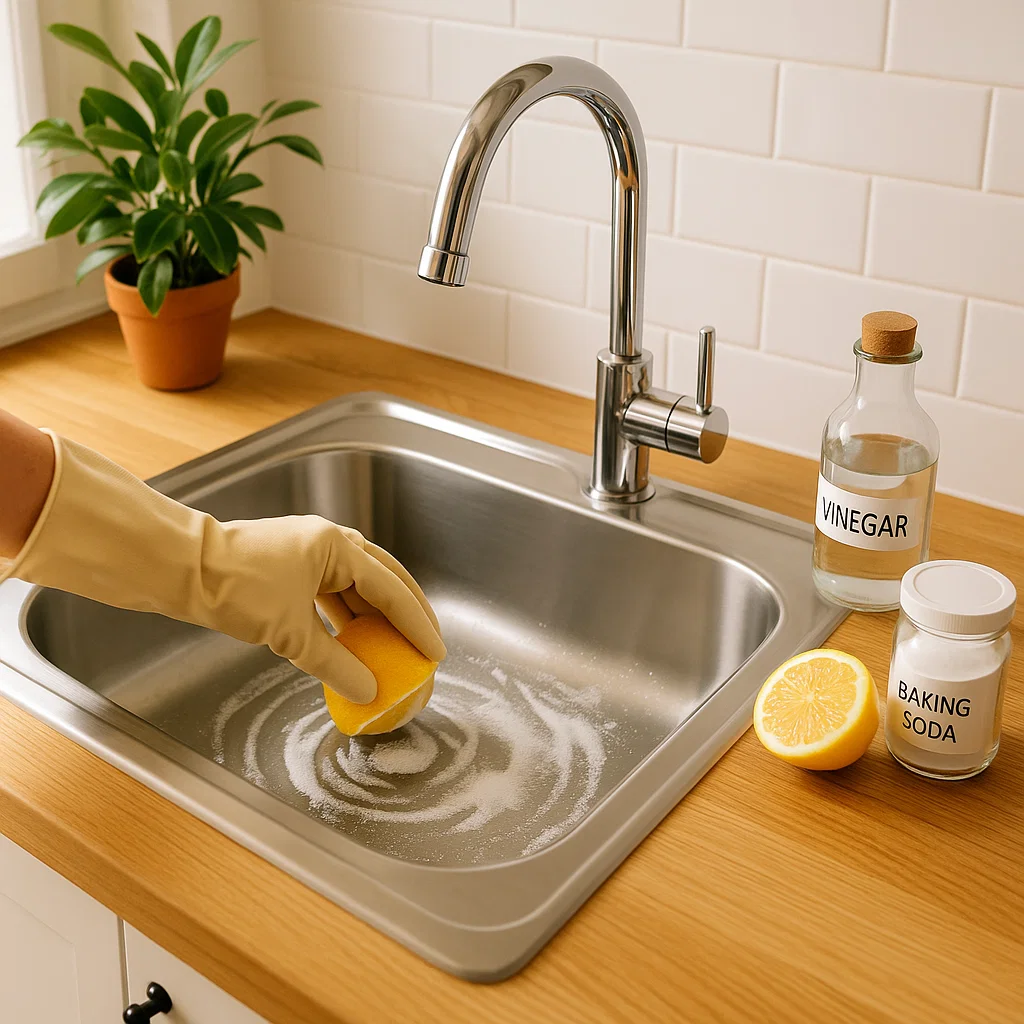
Credit: www.luminalife.ca
Frequently Asked Questions
What Are The Best Kitchen Sink Cleaning Agents?
The best kitchen sink cleaning agents include baking soda, vinegar, and lemon juice. These natural cleaners effectively tackle grease and stains. Commercial products like dish soap and bleach are also effective. Always follow instructions for best results.
How Does Baking Soda Clean A Kitchen Sink?
Baking soda is a mild abrasive that removes stains and odors. Sprinkle it onto the sink and scrub gently. It effectively cleans stainless steel, porcelain, and other sink materials. Rinse thoroughly for a shiny finish.
Is Vinegar Safe For Kitchen Sink Cleaning?
Yes, vinegar is safe for kitchen sink cleaning. It cuts through grease and disinfects surfaces. Simply spray or pour vinegar onto the sink and wipe clean. It’s effective and eco-friendly, making it a popular choice.
Can I Use Lemon Juice On My Kitchen Sink?
Yes, lemon juice is an excellent natural cleaner for kitchen sinks. It removes stains and leaves a fresh scent. Simply apply lemon juice to a sponge and scrub the sink. Rinse well for a sparkling finish.
Conclusion
Choosing the right kitchen sink cleaning agents is essential. It keeps your space hygienic and fresh. Natural options like vinegar and baking soda are effective. They are also safe for daily use. Chemical cleaners can tackle tough grime. Use them sparingly to avoid damage.
Regular cleaning prevents bacteria build-up. It also ensures a sparkling sink. Always read labels carefully before use. Safety first! Mix and match cleaning agents wisely. This creates a clean and inviting kitchen space. Remember, a clean sink reflects a healthy home.
Happy cleaning!