Imagine walking into your restaurant kitchen, ready for the day’s culinary challenges, only to be met with the unpleasant sight of a clogged drain. You know how crucial it is to maintain a clean and efficient workspace, and a blocked drain can quickly spiral into a major headache.
As you look for solutions, you might wonder: is a degreaser the answer to your drain cleaning woes? You’ll discover whether a degreaser is the magic wand your restaurant kitchen needs for clearing stubborn clogs and grease build-up. We’ll explore its effectiveness, potential benefits, and any hidden drawbacks you should be aware of.
By the end, you’ll have a clear understanding of whether a degreaser is the right choice for your kitchen, empowering you to make informed decisions that keep your kitchen running smoothly. Keep reading to ensure your kitchen remains the heart of your restaurant’s success, without the hassle of drain problems.
Degreasers In Kitchen Maintenance
Maintaining a spotless and efficient kitchen is paramount in the restaurant industry. Degreasers play a crucial role in this, especially when it comes to tackling stubborn grease and grime. They’re not just for surface cleaning; they can also be a powerful tool for keeping kitchen drains clear and functioning smoothly. But how exactly do degreasers fit into the kitchen maintenance puzzle?
Common Uses In Restaurants
Degreasers are a staple in restaurant kitchens for several reasons. From ensuring cookware is free from oily residues to cleaning exhaust hoods, their versatility is unmatched. They help in maintaining hygiene standards, which is critical for food safety. By using degreasers, you can easily tackle the greasy buildup that can compromise kitchen operations.
- Cleaning fryers and grills
- Removing grease from exhaust hoods
- Maintaining floors and walls
Think of the last time your kitchen was a bustling hub during peak hours. Degreasers can be the unsung heroes that keep everything running smoothly, preventing clogs and ensuring seamless operations.
Benefits Of Degreasing
Degreasing is not just about aesthetics; it’s about functionality. Regular use of degreasers can significantly reduce the risk of drain blockages, which are a common issue in busy kitchens. This proactive approach can save you from costly plumbing repairs and downtime.
- Enhanced kitchen hygiene
- Prolonged lifespan of kitchen equipment
- Improved safety with less slippery surfaces
Imagine the peace of mind knowing your kitchen drains are less likely to be clogged. Isn’t it worth investing a bit of time in degreasing to ensure everything runs smoothly?
Degreasers are more than just cleaning agents; they’re allies in maintaining an efficient and safe kitchen environment. By integrating them into your routine, you ensure your restaurant runs like a well-oiled machine, pun intended. Have you considered the transformative impact regular degreasing could have on your kitchen operations?
How Degreasers Work
Degreasers dissolve grease and grime, making them effective for cleaning restaurant kitchen drains. They break down oily residues, ensuring smooth drainage and reducing clogs.
Degreasers are essential in restaurant kitchens. They help keep drains clean and free from stubborn grease. Understanding how these cleaners work can simplify maintenance tasks.Chemical Properties
Degreasers contain powerful chemicals. These ingredients break down grease molecules effectively. Many degreasers have alkaline or acidic bases. Alkaline substances dissolve oils and fats. Acidic solutions can remove mineral deposits. The choice depends on the type of buildup. Some degreasers also include surfactants. Surfactants enhance cleaning by lifting dirt and grease. These properties make degreasers versatile tools in the kitchen.Effectiveness On Grease
Grease is tough and sticky. It clings to drain surfaces stubbornly. Degreasers excel at breaking down this buildup. They penetrate and dissolve grease quickly. This process prevents clogs and odors. Regular use keeps drains flowing smoothly. Degreasers also help maintain hygiene standards. Clean drains reduce bacteria and pests. The effectiveness depends on the product and application method. Proper use ensures optimal results.Kitchen Drain Cleaning Challenges
Cleaning kitchen drains in restaurants poses unique challenges. Grease, food scraps, and soap can cause blockages. Proper maintenance is vital for smooth operations. Understanding the types of blockages and the impact of food waste can help.
Types Of Blockages
Blockages come in various forms. Grease is a common culprit. It solidifies in pipes, creating stubborn clogs. Food scraps also contribute. They accumulate over time, reducing water flow. Soap scum can add to the problem, sticking to pipe walls.
Impact Of Food Waste
Food waste is a major issue. Large quantities end up in kitchen drains daily. They can lead to slow drainage or complete blockages. Decomposing food attracts pests, which is unhygienic. It’s crucial to manage food waste effectively.
Degreasers As Drain Cleaners
Restaurant kitchens are bustling places where efficiency is key. One of the less glamorous yet crucial tasks is keeping the drains clear. Grease buildup can lead to slow drains, unpleasant odors, and even costly plumbing issues. While degreasers are commonly used for cleaning kitchen surfaces, their role in drain maintenance is often overlooked. Can they really tackle the stubborn grease lurking in your drains? Let’s explore how degreasers can serve as effective drain cleaners.
Efficiency In Clearing Drains
Degreasers are formulated to break down grease, making them a logical choice for tackling drain clogs. They penetrate the oily residues and dissolve them, allowing water to flow freely. This proactive approach can prevent blockages from forming in the first place. Imagine pouring a powerful solution down the drain that cuts through the grease like a knife through butter.
Using a degreaser routinely can save time and effort, sparing you from the inconvenience of a clogged sink. Instead of waiting for a problem to arise, regular use can keep your kitchen running smoothly. Have you ever found yourself elbow-deep in a sink full of standing water? It’s not a pleasant experience. Avoid it by considering degreasers as part of your regular drain maintenance.
Comparison With Traditional Methods
Traditional methods like plungers and drain snakes are often the first line of defense when dealing with clogs. While effective, they can be cumbersome and time-consuming. A degreaser offers a chemical solution that can be more convenient and less labor-intensive. Consider the difference: a simple pour versus manual labor.
Moreover, chemical drain cleaners can be harsh and damage pipes over time. Degreasers, when used properly, are gentler on your plumbing system. They provide a balanced approach by being tough on grease but kind to your pipes. Are traditional methods worth the hassle when a degreaser can simplify the process?
Overall, incorporating degreasers into your kitchen maintenance routine can offer a preventive measure against the dreaded clogged drain. The next time you face a greasy problem, will you reach for the plunger or the degreaser? The choice might just transform your kitchen’s efficiency.
Safety Considerations
Using a degreaser in a restaurant kitchen drain requires careful consideration. Ensuring safety is crucial. Chemicals can pose risks to health and the environment. Taking proper precautions can prevent accidents and damage.
Handling Chemicals
Always wear protective gear like gloves and goggles. This prevents direct contact with skin and eyes. Read the label instructions carefully before use. Make sure the area is well-ventilated to avoid inhaling fumes. Store chemicals away from food and heat sources. Use the right amount to avoid waste and hazards.
Environmental Impact
Chemicals in degreasers can harm the environment. Choose eco-friendly products when possible. Look for labels that indicate biodegradable ingredients. Proper disposal is vital. Never pour leftover chemicals down the drain. This can pollute water systems. Follow local regulations for disposing of chemical waste. This helps protect the planet.

Credit: www.essind.com
Alternative Solutions
Keeping restaurant kitchen drains clean is crucial. Degreasers are popular, yet there are effective alternatives. Natural solutions and mechanical tools offer eco-friendly and practical options.
Natural Cleaning Agents
Natural agents are safe and eco-friendly. Baking soda and vinegar are powerful. Combine them for a fizzing reaction that breaks down grime. Lemon juice is another option. Its acidity helps dissolve grease. Essential oils like tea tree oil add antibacterial properties. These agents clean without harsh chemicals.
Mechanical Cleaning Tools
Mechanical tools provide a hands-on approach. Drain snakes are flexible and reach deep clogs. They remove blockages with ease. Plungers create pressure to dislodge debris. Wet/dry vacuums can suck out stubborn clogs. These tools are practical and reusable. They reduce the need for chemical cleaners.
Expert Opinions
In the bustling environment of a restaurant kitchen, maintaining a clean and functional drain is crucial. You might wonder if a degreaser is effective as a drain cleaner. To shed light on this, let’s delve into expert opinions that could guide your decision-making.
Insights From Kitchen Professionals
Many chefs and kitchen managers swear by using degreasers for drain maintenance. They emphasize that degreasers efficiently break down the grease and food particles that often clog kitchen drains. One chef shared that, after using a particular brand of degreaser, their kitchen drains remained clog-free for months, reducing plumbing costs significantly.
However, not all experts agree. Some kitchen professionals suggest that while degreasers are excellent for surface cleaning, they might not completely clear the more stubborn blockages. They advise combining regular degreasing with occasional professional drain cleaning for optimal results.
Case Studies
A popular local restaurant faced recurrent drain issues that disrupted their service. They implemented a routine of using degreasers twice a week, followed by a hot water flush. Within weeks, they noticed a remarkable improvement in drain flow, leading to fewer service interruptions.
Another case involved a fast-food chain that experienced slow drainage due to heavy grease buildup. They switched to a bio-degreaser, which not only cleaned the drains but also minimized odors. The manager reported a 40% reduction in maintenance calls, proving the effectiveness of this approach.
These stories highlight varying experiences with degreasers. Are you ready to rethink your kitchen’s drain cleaning strategy based on these expert insights?

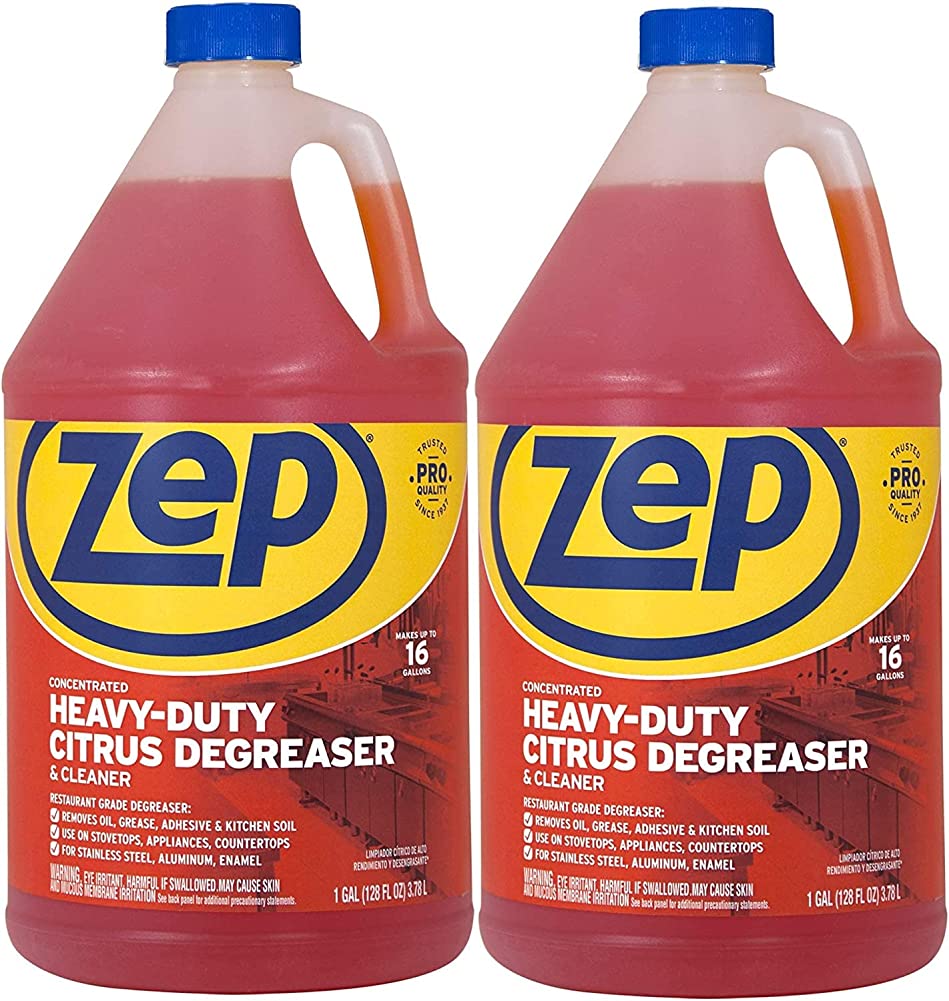
Credit: zep.com

Credit: www.amazon.com
Frequently Asked Questions
Can Degreaser Unclog Restaurant Kitchen Drains?
Degreasers can help in cleaning but aren’t ideal for unclogging drains. They break down grease and oil, reducing buildup. However, for severe clogs, consider specialized drain cleaners or professional services. Regular maintenance with degreasers can prevent future issues and keep drains flowing smoothly.
Is Degreaser Safe For All Drain Types?
Most degreasers are safe for kitchen drains but check the product label. Some degreasers contain harsh chemicals that might damage certain materials. Always follow manufacturer instructions. For sensitive drain types, opt for eco-friendly degreasers. Regular cleaning can prevent residue buildup without harming your plumbing.
How Often Should I Use A Degreaser?
Use a degreaser in restaurant kitchens weekly for best results. Regular use helps prevent grease buildup and clogs. Adjust frequency based on kitchen activity and drain usage. High-volume kitchens may require more frequent applications. Consistent cleaning ensures efficient drainage and reduces the need for professional intervention.
What Are The Benefits Of Using A Degreaser?
Degreasers effectively break down and remove grease and grime. They maintain clean and efficient drains, reducing clogs. Regular use can extend the lifespan of your plumbing. They also enhance the overall cleanliness of your kitchen. Using a degreaser is a proactive measure against potential plumbing issues.
Conclusion
Degreasers can help clean restaurant kitchen drains. They break down grease effectively. Regular use keeps drains clear and reduces clogs. Choose a product suitable for kitchen use. Follow instructions for best results. Remember, safety first. Always wear gloves and ensure proper ventilation.
Consult a professional for severe blockages. Consistent maintenance saves time and money. Clean drains mean a smoother kitchen operation. Consider degreasers as part of your cleaning routine. They make a big difference. Keep your kitchen running efficiently with the right cleaning tools.
Your staff and customers will appreciate it.