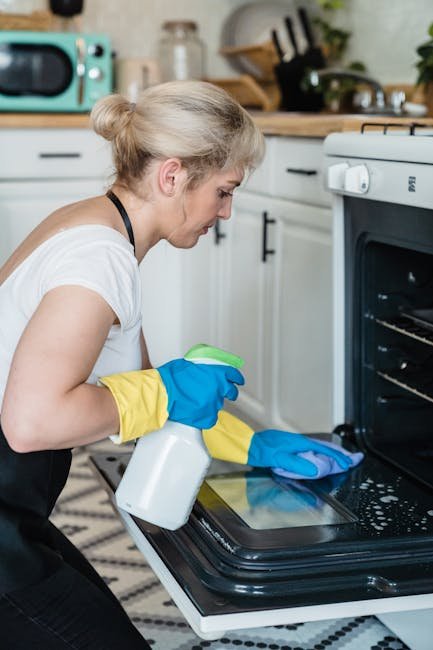
Have you ever looked at your kitchen countertops and wondered how you could get them sparkling clean without spending hours scrubbing? You might have considered using oven cleaner as a quick fix.
But before you reach for that can, it’s crucial to know exactly what oven cleaner does to your countertops. This powerful product promises to cut through grease and grime, but it might be hiding a few secrets that could damage your surfaces.
Are you risking more harm than good? Keep reading to discover how oven cleaner interacts with different countertop materials, and learn safer alternatives that keep your kitchen looking pristine. Your countertops deserve the best care, and this article will help you make informed choices that protect your home and your health.
Chemical Composition Of Oven Cleaner
Oven cleaners contain strong chemicals like sodium hydroxide. These can damage kitchen countertops, causing discoloration and surface erosion. Always use caution and protect surfaces when cleaning.
Understanding the chemical composition of oven cleaner is crucial, especially if you’ve ever considered using it on your kitchen countertops. While these powerful cleaners are designed to tackle stubborn oven grime, their ingredients can have unintended effects on other surfaces. It’s essential to know what you’re dealing with before you reach for that bottle.Active Ingredients
Most oven cleaners contain potent active ingredients like sodium hydroxide, also known as lye. This chemical is highly effective at breaking down baked-on grease and food residues. However, its caustic nature means it can also damage sensitive surfaces. Another common ingredient is butoxydiglycol, which helps dissolve dirt and grease. While it aids in cleaning, it can react with certain countertop materials, leading to discoloration or surface degradation.Potential Hazards
The aggressive nature of these chemicals poses several potential hazards. Using them on countertops made of materials like granite or marble can cause etching and dulling. Even laminate surfaces are not immune; they can warp or lose their finish when exposed to these strong agents. Have you ever noticed a lingering smell after using oven cleaner? That’s due to volatile organic compounds (VOCs) released during application. These can affect indoor air quality and pose respiratory risks if not handled with care. Before you decide to use oven cleaner on your countertops, consider these factors. Is the risk worth the potential damage? Always weigh the convenience against the possible long-term effects on your kitchen surfaces.
Credit: www.aol.com
Effects On Different Countertop Materials
Using oven cleaner on kitchen countertops might seem like a quick solution for stubborn stains. However, its effects vary significantly depending on the material of your countertops. Understanding how these powerful chemicals interact with different surfaces can save you from costly repairs or replacements. Let’s take a closer look at how oven cleaners affect popular countertop materials.
Granite Countertops
Granite is a durable and visually appealing choice for kitchens, but it requires special care to maintain its beauty. Oven cleaner can strip away the protective sealant on granite, leaving it vulnerable to stains and damage. You might notice dull spots or discoloration after using oven cleaner, compromising the natural elegance of your countertops.
Consider using gentle, granite-specific cleaners instead. They preserve the sealant and enhance the stone’s shine. If you accidentally use oven cleaner, resealing the granite as soon as possible may help mitigate damage.
Laminate Surfaces
Laminate countertops are popular for their affordability and variety of designs. However, they can be sensitive to harsh chemicals. Oven cleaner might cause the laminate to bubble or peel away from the surface, leading to unsightly blemishes and weakening the material.
Avoid using abrasive cleaners on laminate. Opt for mild soap and water or specially formulated laminate cleaners to maintain the integrity of your countertops. If damage occurs, consider patching or replacing affected sections to restore the look.
Marble And Stone
Marble countertops are the epitome of luxury, but their porous nature makes them susceptible to etching and staining. Oven cleaner’s harsh chemicals can easily penetrate the stone, leaving permanent marks and dulling its finish. You might find that even a brief exposure can lead to extensive damage.
It’s crucial to use gentle, pH-balanced cleaners on marble and stone surfaces. Regular sealing can protect against accidental spills and cleaner mishaps. Think about how you can maintain your countertop’s pristine condition without resorting to aggressive cleaning solutions.
Visual And Structural Impact
Oven cleaner can cause discoloration or damage to kitchen countertops. Its harsh chemicals may strip finishes, leaving surfaces dull or stained. Always test in a hidden area first.
When you accidentally spill oven cleaner on your kitchen countertops, the effects can be surprisingly dramatic. The visual and structural impact can transform your pristine surface into a blemished and damaged area. Understanding these changes can help you prevent long-term damage and maintain your kitchen’s aesthetic appeal.Discoloration And Staining
Oven cleaners often contain harsh chemicals that can cause discoloration on countertops. This discoloration appears as unsightly white spots or streaks, especially on darker surfaces. Have you ever noticed how a small spill can create a big visual distraction? These stains are not just a temporary nuisance. They can embed themselves deeply into the material, making them challenging to remove. Regular cleaning methods might not be effective, leaving you with a permanent reminder of the spill.Surface Erosion
The strong chemicals in oven cleaners can lead to surface erosion. This erosion not only affects the countertop’s appearance but also its structural integrity. Imagine running your hand over a once-smooth surface, only to feel rough patches where the cleaner has eaten away at the material. This damage can make your countertops more susceptible to further stains and scratches. The eroded areas might also trap dirt and bacteria, making your kitchen less hygienic. Have you considered how a simple spill could compromise your kitchen’s cleanliness and safety? Protecting your countertops from such damage involves being mindful of where and how you use cleaning products. Small changes in your cleaning routine can prevent these issues, preserving both the beauty and functionality of your kitchen surfaces.
Credit: www.thespruce.com
Safety Precautions And Recommendations
Using oven cleaner on kitchen countertops can be risky. It’s crucial to understand safety precautions. These cleaners contain strong chemicals that may damage surfaces. Following guidelines can prevent harm and keep countertops safe.
Proper Usage Techniques
Apply oven cleaner only on surfaces meant for it. Test a small area first. Wear gloves and ensure good ventilation. Avoid using on porous materials. Rinse thoroughly to remove residue. Keep away from food prep areas.
Alternatives For Countertop Cleaning
Consider gentler cleaning solutions. Use baking soda and water paste for stains. Vinegar works well for grease. Lemon juice can freshen countertops. Mild dish soap mixed with water cleans without harm. These methods protect surface integrity.
Long-term Consequences
Oven cleaners may promise sparkling results but can harm countertops. These cleaners are strong, designed to tackle stubborn grease in ovens. On countertops, they pose risks that can lead to long-term damage. Understanding these effects is crucial for maintaining your kitchen’s appearance and functionality.
Durability Concerns
Countertops vary in material like granite, quartz, and laminate. Each reacts differently to harsh chemicals. Oven cleaners can erode the surface, causing discoloration or dullness. This damage weakens the material, reducing its lifespan. The once glossy finish may lose its shine, making your kitchen look worn out.
Granite and marble countertops are particularly vulnerable. The acidic nature of oven cleaners can etch their surface. This etching leads to unsightly marks and grooves. Laminate surfaces may suffer from swelling or peeling. Once damaged, repairs can be costly and time-consuming.
Maintenance Tips
To preserve countertops, use mild cleaners. Opt for gentle dish soap and warm water. Wipe spills immediately to prevent stains. For tougher stains, baking soda can be effective. Mix it with water to form a paste. Apply it gently, then rinse thoroughly. Always use a soft cloth to avoid scratches.
Consider sealing porous countertops like granite. A sealant provides a protective barrier. It reduces the risk of chemical damage. Regular resealing is essential for maximum protection. Follow manufacturer guidelines for frequency and application.
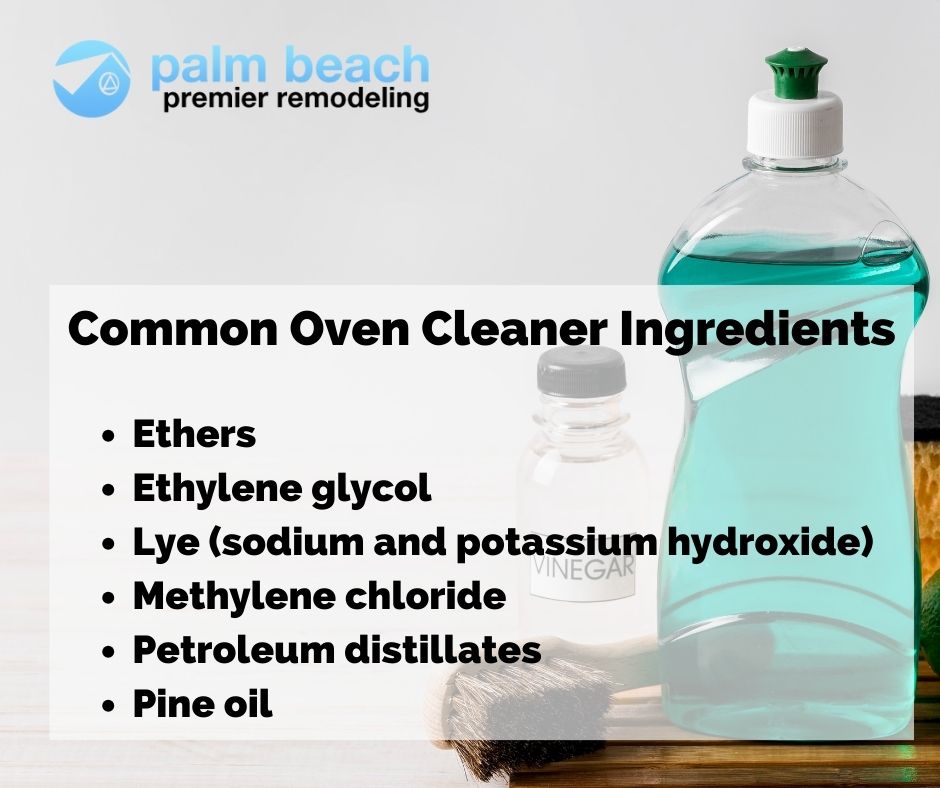
Credit: pbphomerepair.com
Frequently Asked Questions
Can Oven Cleaner Damage Kitchen Countertops?
Yes, oven cleaner can damage kitchen countertops if used improperly. It contains harsh chemicals that may stain or degrade surfaces. Always check the material of your countertop before use. For sensitive surfaces like granite or marble, it’s best to avoid using oven cleaner entirely to prevent any permanent damage.
Is Oven Cleaner Safe For All Countertop Materials?
No, oven cleaner is not safe for all countertop materials. It can harm surfaces such as granite, marble, and wood. Always read the cleaner’s label and test on a small area first. For durable surfaces like stainless steel, it might be safer, but caution is still advised.
Can I Use Oven Cleaner On Granite Countertops?
Using oven cleaner on granite countertops is not recommended. The chemicals can etch and dull the stone, affecting its appearance. Instead, opt for granite-specific cleaners. Always prioritize gentle cleaning solutions to maintain the integrity and look of your granite countertops.
How Do I Clean Countertops Safely?
To clean countertops safely, use mild dish soap and warm water. Avoid abrasive scrubbers and harsh chemicals. For stubborn stains, consider a paste of baking soda and water. Always dry thoroughly to prevent moisture damage, ensuring the longevity and appearance of your countertop.
Conclusion
Oven cleaners can damage kitchen countertops. Their harsh chemicals may cause stains. Some surfaces might even lose their shine. Always read product labels carefully. Test cleaners on a small area first. This helps prevent bigger mishaps. Consider using gentler alternatives.
Baking soda and vinegar are safer options. Protect your countertops for long-lasting beauty. Regular cleaning with mild soap works best. Stay informed and make smart choices. Your kitchen deserves the best care. Keep it looking fresh and new.