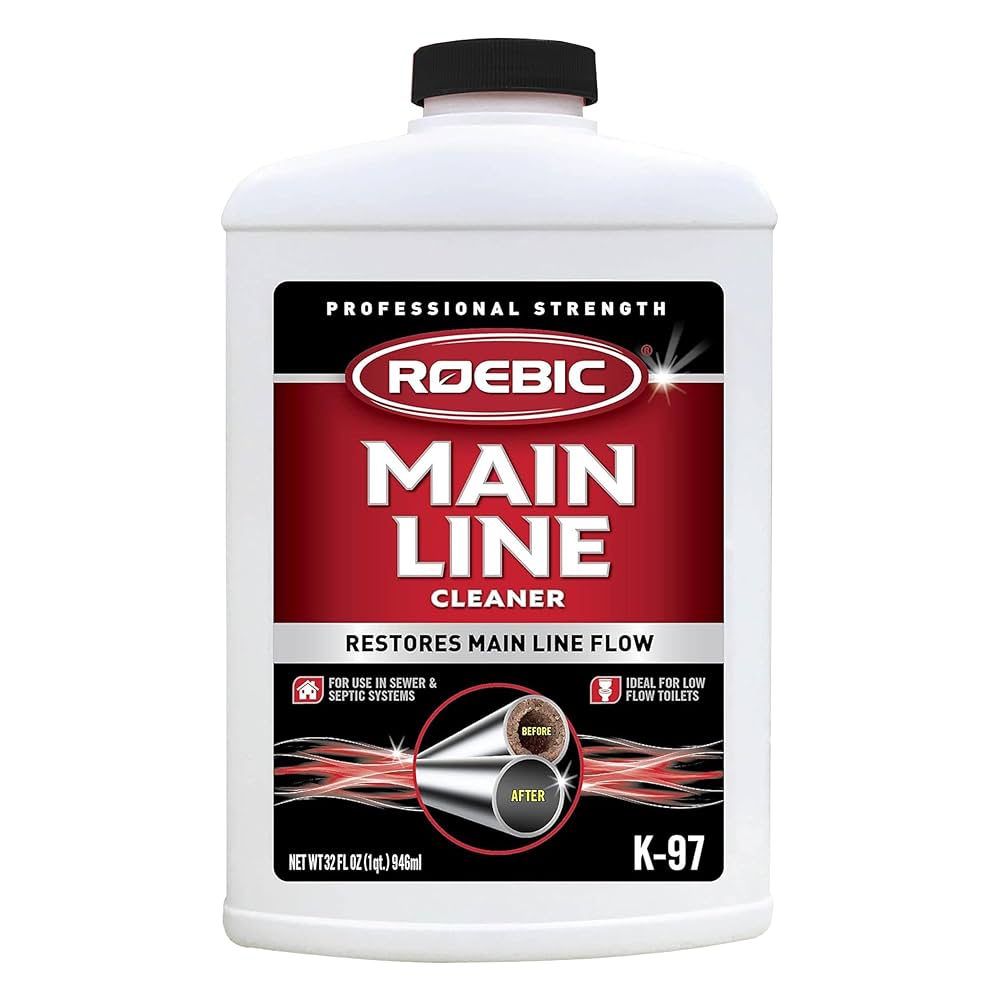
Have you ever stood in your kitchen, frustrated by a stubbornly clogged sink, wondering if your trusty main line cleaner could be the solution? You’re not alone.
Many homeowners face this common dilemma, and the answer isn’t as straightforward as it may seem. Before you pour that cleaner down the drain, it’s crucial to know whether it’s safe and effective for your kitchen sink. We’ll explore the ins and outs of using main line cleaner in your kitchen sink, ensuring you make the best decision for your plumbing.
Discover what the experts say, learn about potential risks, and find out how you can keep your kitchen sink running smoothly without damaging your pipes. Let’s dive in and tackle this plumbing puzzle together!
Benefits Of Using Main Line Cleaner
Main line cleaner can effectively clear kitchen sink blockages, removing grease and food residue with ease. It helps maintain smooth drainage, preventing unpleasant odors from developing over time. Regular use ensures a hygienic and efficient kitchen environment.
Using a main line cleaner in your kitchen sink can be a game-changer when dealing with stubborn clogs. It offers several benefits that go beyond just removing blockages. Let’s explore how these cleaners can be both effective and safe for your plumbing system.Effectiveness In Removing Clogs
Main line cleaners are powerful solutions designed to tackle even the most stubborn clogs. Whether it’s food debris, grease, or soap scum, these cleaners can dissolve it all. Imagine not having to wrestle with a plunger or snake. Main line cleaners do the heavy lifting, saving you time and effort. Plus, they’re designed to work quickly. You could be back to using your kitchen sink in no time.Safety For Pipe Materials
Worried about damaging your pipes? Main line cleaners are formulated to be safe for various plumbing materials. Whether you have PVC, copper, or iron pipes, these cleaners won’t corrode or harm them. It’s like having a gentle giant on your side. Always check the product label to ensure compatibility with your plumbing. It’s a small step that offers peace of mind. Why spend money on costly repairs when prevention is so simple? Main line cleaners can be an economical and effective solution for maintaining a healthy plumbing system.
Credit: www.cnet.com
Types Of Main Line Cleaners
When your kitchen sink is causing you headaches due to slow draining or persistent clogs, it might be time to consider using a main line cleaner. These products are designed to tackle the stubborn blockages that typical cleaners can’t handle. But with various types available, how do you know which one is right for your needs?
Liquid Cleaners
Liquid cleaners are popular for their ease of use and ability to swiftly penetrate blockages. Simply pour them down the drain, wait for a specified period, and rinse with water. They often contain potent chemicals that dissolve grease, food particles, and soap scum. However, while effective, the strong chemical composition can be harsh on your pipes if used excessively. Always check the label for usage instructions and precautions.
Powdered Solutions
Powdered solutions might seem a bit old-school, but they pack a punch against stubborn clogs. These cleaners typically require mixing with water to activate their cleaning power. They’re often favored for their targeted approach, allowing you to measure and use only what’s necessary. One advantage is that they’re generally less corrosive than liquid cleaners, making them suitable for older plumbing systems. But, are they as convenient as their liquid counterparts? That’s a decision you’ll need to weigh based on your situation.
How To Apply Main Line Cleaner
Main line cleaner can be used in a kitchen sink. Follow product instructions carefully for safe application. Pour the cleaner into the sink’s drain and allow it to work for the recommended time. Rinse with water to clear any remaining solution and debris.
Applying main line cleaner in your kitchen sink can help maintain a free-flowing drainage system. Knowing how to use it correctly ensures safety and effectiveness. Follow these simple steps to keep your kitchen sink in top condition.Preparation Steps
Before using a main line cleaner, gather necessary supplies. You’ll need gloves, eye protection, and the cleaner itself. Make sure the kitchen is well-ventilated. Turn off the water to the sink to prevent any accidents. Remove any standing water from the sink, as it can dilute the cleaner.Application Process
Carefully read the instructions on the cleaner’s label. Pour the recommended amount directly into the sink drain. Allow the cleaner to sit for the specified duration. This lets the cleaner break down any blockages effectively. After waiting, flush the drain with hot water. This removes any remaining cleaner and clears the pipes. Repeat if necessary for persistent clogs. Always wash your hands thoroughly after handling the cleaner.
Credit: www.amazon.com
Precautions To Consider
Using a main line cleaner in your kitchen sink can be an effective way to tackle stubborn clogs, but it’s crucial to take certain precautions to ensure safety. These cleaners are potent and can pose risks if not handled correctly. By taking a few simple steps, you can protect yourself and your home while achieving a clear drain.
Protective Gear
Before you begin, make sure to equip yourself with the right protective gear. Wearing gloves is essential to safeguard your hands from harsh chemicals that can cause irritation or burns. Additionally, consider using goggles to protect your eyes from any splashes. It’s always better to err on the side of caution when dealing with strong cleaners.
Ventilation Needs
Proper ventilation is another critical consideration. Chemical fumes from main line cleaners can be intense and overwhelming. Open windows and doors to allow fresh air to circulate. If possible, use a fan to help disperse the fumes quickly. You wouldn’t want your kitchen to turn into a gas chamber, would you?
Alternatives To Main Line Cleaner
Using a main line cleaner in your kitchen sink might not always be the best choice. It often contains harsh chemicals. These can be harmful to pipes and the environment. Thankfully, there are other ways to keep your sink clear and fresh. Explore the following alternatives for a safer and effective approach.
Natural Solutions
Natural solutions are kinder to the environment and your plumbing. Consider these simple methods:
- Baking Soda and Vinegar:Pour half a cup of baking soda into the drain. Follow this with a cup of vinegar. Wait for 15 minutes. Rinse with hot water to clear the clog.
- Salt and Hot Water:Add half a cup of salt to the drain. Flush with hot water. This can help dissolve minor blockages.
- Lemon Juice and Baking Soda:Mix equal parts for a fresh scent and effective clean. Let it sit for 10 minutes, then rinse.
Mechanical Methods
Mechanical methods can be useful for more stubborn clogs. They require a bit more effort but are very effective:
- Plunger:A plunger creates pressure to dislodge clogs. Cover the drain, and push and pull vigorously.
- Drain Snake:A drain snake can reach deeper clogs. Insert it into the drain and twist to catch debris.
- Wire Hanger:Straighten a wire hanger, leaving a hook at the end. Use it to fish out blockages from the sink.
Signs You Need A Professional
Experiencing frequent clogs in your kitchen sink? This might indicate the need for a professional plumber. Persistent blockages or slow drainage suggest that using a main line cleaner alone might not be enough.
Signs You Need a Professional Kitchen sinks face heavy use every day. Sometimes, simple fixes aren’t enough. Knowing when to call a professional can save time and stress. Check for these signs to see if expert help is needed.Persistent Drain Issues
A slow drain can be frustrating. It might clear up with cleaners. If the problem returns often, deeper issues may exist. Professionals can inspect and resolve these underlying problems. Regular clogs may indicate pipe damage or blockages. Expert services ensure thorough cleaning and long-lasting results.Unusual Pipe Sounds
Gurgling sounds in pipes can be alarming. They often signal trapped air or blockages. Using cleaners might not solve these sound issues. Professionals have tools to diagnose and fix pipe problems. Persistent noises need expert attention to prevent further damage.
Credit: www.amazon.com
Frequently Asked Questions
Can Main Line Cleaner Damage Kitchen Sink?
Main line cleaners are strong and can damage kitchen sinks. Always check if it’s safe for your sink type. Follow manufacturer instructions carefully to avoid damage. If unsure, consult a professional plumber. Regular maintenance can prevent clogs and reduce the need for harsh cleaners.
How Often Should You Use Main Line Cleaner?
Using main line cleaner too often can harm pipes. It’s best to use it only when necessary. For regular maintenance, consider using gentler, natural alternatives. If clogs are frequent, consult a plumber to check for underlying issues.
Are There Alternatives To Main Line Cleaner?
Yes, there are alternatives to main line cleaners. Baking soda and vinegar are eco-friendly options. They are effective for mild clogs and safe for most pipes. Regularly flushing with hot water can also help prevent clogs. Always consider safer, environmentally friendly methods first.
Is Main Line Cleaner Safe For All Pipes?
Main line cleaner is not safe for all pipes. It can damage older or PVC pipes. Always check the product label for compatibility with your pipe material. If unsure, consult with a plumbing expert before using harsh chemicals. Safer alternatives may be available.
Conclusion
Using main line cleaner in your kitchen sink is possible. Choose the right product for safe use. Read the label and follow instructions closely. This prevents any damage to your pipes. Regular maintenance helps keep your sink clog-free. Consider eco-friendly options for a greener choice.
Always prioritize safety during cleaning tasks. With these tips, your kitchen sink will stay clean and efficient. Happy cleaning!