
Imagine walking into your favorite restaurant, eager to enjoy a delicious meal. What you might not realize is the crucial role that cleanliness plays in the quality and safety of your dining experience.
This is where commercial kitchen cleaning comes in. You might ask yourself, what exactly does this mean, and why is it so important? Commercial kitchen cleaning is more than just mopping floors and wiping counters. It’s a comprehensive process that ensures every corner of a kitchen is spotless and sanitary.
From the gleaming stainless steel surfaces to the hidden nooks of exhaust systems, each element is meticulously cleaned to meet strict health standards. Now, why should you care about this? Because understanding the intricacies of commercial kitchen cleaning helps you appreciate the unseen efforts that keep your favorite eateries running smoothly. Dive into this article to discover how this essential practice impacts food safety, business success, and ultimately, your dining pleasure. Your curiosity about the unseen world of restaurant cleanliness will be satisfied, and you’ll gain insights that could change how you view your next meal. Keep reading to uncover the secrets behind the scenes.
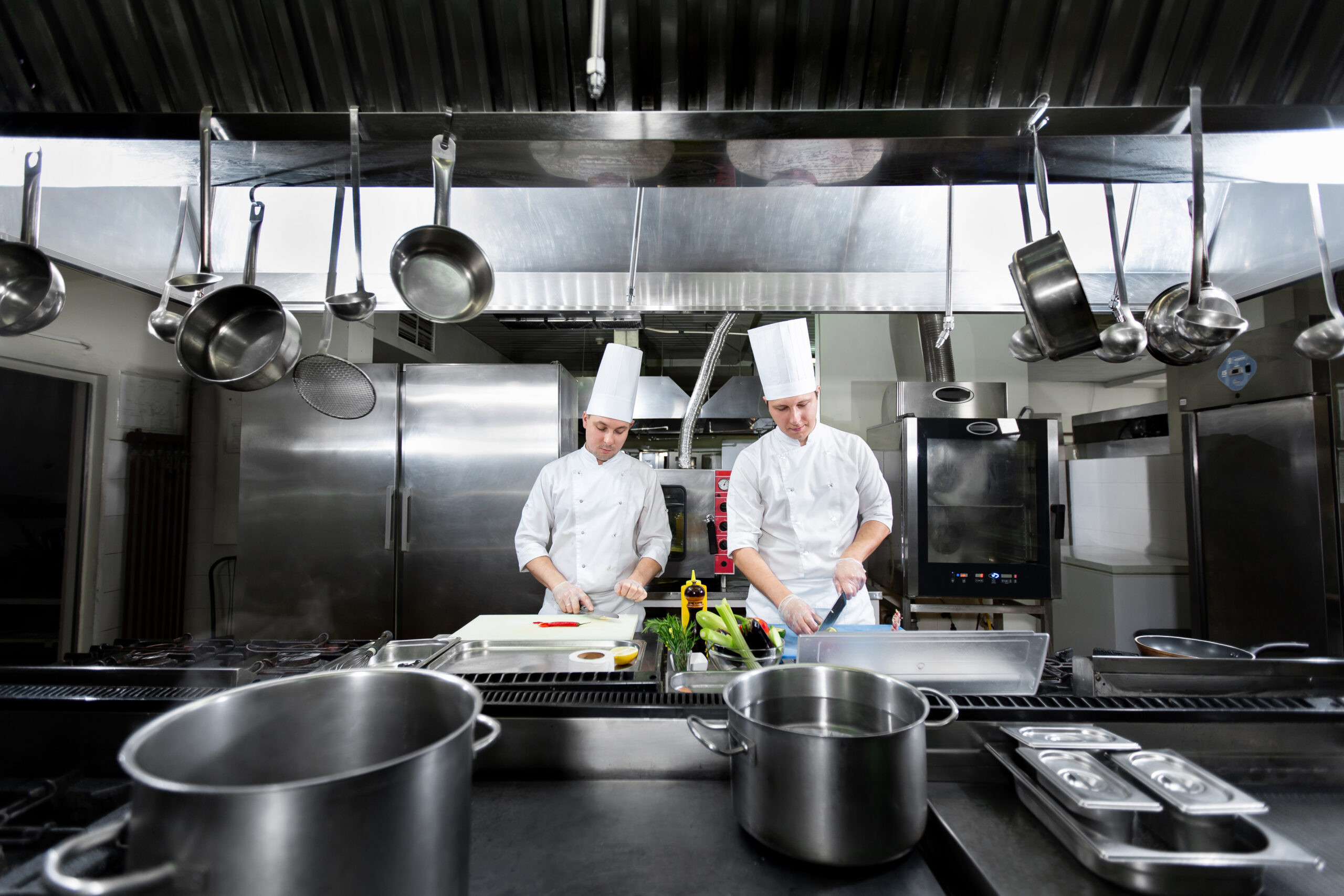
Credit: aquaforce.ca
Importance Of Commercial Kitchen Cleaning
What is Commercial Kitchen Cleaning Commercial kitchen cleaning is vital for maintaining hygiene and safety. Regular cleaning prevents bacteria growth and ensures equipment functions properly. It also helps in meeting health regulations and keeps food safe for customers.
The importance of commercial kitchen cleaning cannot be overstated. A clean kitchen ensures the safety and health of everyone involved. It prevents food contamination and minimizes health risks. Cleanliness also maintains the functionality of kitchen equipment. Dirty kitchens can lead to equipment malfunctions. Regular cleaning extends the lifespan of appliances. Moreover, cleanliness enhances the overall efficiency of kitchen operations. Employees work better in a clean environment. It improves morale and productivity. Customers notice the cleanliness. It reflects the restaurant’s standards. A well-maintained kitchen can boost customer trust.Prevention Of Foodborne Illnesses
Foodborne illnesses can spread rapidly. Regular cleaning reduces this risk. Sanitizing surfaces is crucial. Bacteria thrive in unclean kitchens. Proper cleaning eliminates harmful pathogens.Compliance With Health Regulations
Health inspections demand cleanliness. Compliance is mandatory for operation. A clean kitchen avoids penalties. It ensures the restaurant meets health codes.Preservation Of Equipment Functionality
Equipment lasts longer when clean. Grease buildup causes damage. Regular cleaning prevents costly repairs. It ensures appliances work efficiently.Enhancing Employee Productivity
Employees work better in clean spaces. Morale improves in a hygienic kitchen. Productivity increases when clutter is minimized.Boosting Customer Trust And Satisfaction
Customers appreciate clean environments. Cleanliness reflects on service quality. A spotless kitchen builds customer confidence. It enhances their dining experience.
Credit: skyrexpropertyservices.ca
Key Areas To Focus
Deep cleaning appliances, floors, and surfaces ensures hygiene in commercial kitchens. Regular maintenance of ventilation and grease traps prevents fire hazards. Disinfecting high-touch areas keeps food safety standards intact.
Cleaning a commercial kitchen is crucial for health safety and efficiency. Understanding key areas to focus ensures thorough maintenance. Attention to detail in these areas can prevent hazards and improve the kitchen’s performance. Here are essential zones to prioritize for a spotless and safe kitchen environment.Kitchen Equipment
Kitchen equipment needs regular cleaning to ensure proper function and hygiene. Grease and food particles can accumulate quickly. This buildup can lead to equipment malfunction or contamination. Ensure all surfaces are wiped down and sanitized daily. Regular deep cleaning of ovens, grills, and fryers is essential. This prevents grease fires and ensures consistent cooking results. Check filters and fans in equipment to remove any blockages. This maintains airflow and efficiency.Ventilation Systems
Ventilation systems play a vital role in maintaining air quality. They remove smoke, steam, and odors from the kitchen. Regular cleaning prevents grease buildup in ducts and hoods. This reduces the risk of fire hazards. Inspect fans and filters for dirt and debris. Clean them to ensure proper air circulation. A well-maintained ventilation system improves the kitchen environment.Floors And Walls
Floors and walls require consistent attention to prevent slips and hygiene issues. Regular sweeping and mopping remove food particles and spills. Use appropriate cleaning solutions for different surfaces. This ensures effective stain removal without damage. Pay attention to corners and under equipment. These areas often accumulate dirt and grime. Clean walls regularly to remove splashes and stains. This maintains a clean and welcoming space.Types Of Cleaning Services
Commercial kitchen cleaning is an essential part of maintaining a safe and efficient workspace. Different types of cleaning services cater to various needs and goals within a kitchen environment. Whether you’re aiming to keep daily operations smooth or ensure a deep cleanse to meet health standards, understanding these services can make a significant difference. Let’s dive into the types of cleaning services available for commercial kitchens.
Routine Cleaning
Routine cleaning is the backbone of any commercial kitchen maintenance plan. It’s about keeping things tidy and functional on a daily basis. Imagine the end of a busy day; you want to ensure that surfaces are clean, equipment is ready for the next day, and trash is taken out. This service focuses on tasks like wiping down counters, sweeping and mopping floors, and sanitizing high-touch areas.
Think of it as setting the stage for a successful tomorrow. A clean environment boosts morale and efficiency. Employees work better when their tools and surroundings are spotless. Isn’t it reassuring to know your staff can start fresh every day?
Deep Cleaning
Deep cleaning is like hitting the reset button on your kitchen’s cleanliness. It’s not just about the visible areas—it’s about tackling those hard-to-reach spots that accumulate grime over time. This service involves intensive cleaning of kitchen equipment, exhaust systems, and even the walls and ceilings.
Consider it as a strategic move to prevent long-term issues. A deep clean can help avoid equipment malfunctions and ensure compliance with health regulations. Have you ever noticed how a thorough cleanse can transform the atmosphere of your kitchen? It’s almost like breathing new life into the space.
Both routine and deep cleaning are integral to maintaining a commercial kitchen that is not only compliant with health standards but also a pleasant place for your team to work. Which type of cleaning service does your kitchen need right now?
Tools And Products Used
Tools and Products Used Commercial kitchen cleaning relies on specialized tools like high-pressure washers and heavy-duty degreasers. Scrubbers and steam cleaners help maintain hygiene by removing stubborn grease and grime. Eco-friendly cleaning products ensure a safe environment for food preparation.
Cleaning a commercial kitchen is not just about scrubbing surfaces; it involves using specialized tools and products designed to ensure a hygienic and safe environment. These tools and products are essential for keeping kitchen operations smooth and efficient. Let’s dive into the various tools and products that are commonly used in commercial kitchen cleaning.High-pressure Steam Cleaners
High-pressure steam cleaners are a game-changer in commercial kitchen cleaning. They effectively remove stubborn grease and grime without harsh chemicals. This tool is perfect for sanitizing surfaces like countertops, stovetops, and ovens. Have you ever noticed how quickly grease builds up on cooking equipment? A high-pressure steam cleaner can tackle that with ease, saving you time and effort.Degreasers
Degreasers are a staple in any commercial kitchen cleaning arsenal. These chemical solutions are specifically formulated to break down oils and grease. They come in various strengths, so you can choose one that suits your kitchen’s needs. Imagine the satisfaction of seeing a once grimy surface transform into a spotless one with the right degreaser!Microfiber Cloths
Microfiber cloths are versatile and efficient for cleaning surfaces. They trap dirt and bacteria better than regular cloths, making them ideal for wiping down tables, counters, and appliances. Plus, they’re reusable, which is a win for both your budget and the environment. Have you tried using microfiber cloths? If not, you might be missing out on their incredible cleaning power.Food-safe Sanitizers
Food-safe sanitizers are crucial for maintaining hygiene standards in a kitchen. They kill harmful bacteria without contaminating food-preparation areas. These products ensure that surfaces are safe for food contact. Are you confident in the cleanliness of your kitchen surfaces? Using food-safe sanitizers can give you peace of mind.Floor Scrubbers
Floor scrubbers are essential for keeping kitchen floors clean and safe. They efficiently remove dirt and grease, preventing slips and falls. If you’ve ever struggled with sticky kitchen floors, a floor scrubber might be your best friend. It’s amazing how a clean floor can transform the entire kitchen environment.Dishwashing Machines
Dishwashing machines are not just for washing dishes; they also play a significant role in cleaning kitchen tools and utensils. They ensure that everything used in food preparation is hygienic and ready for the next task. Have you considered how much time and effort a reliable dishwashing machine can save you? Using the right tools and products can make a world of difference in the cleanliness and efficiency of a commercial kitchen. Which tool or product do you think would have the most impact in your kitchen cleaning routine?Health And Safety Standards
Commercial kitchen cleaning is crucial for maintaining health and safety standards. It ensures the environment is safe for food preparation. Adhering to these standards prevents contamination and accidents. Let’s explore the key aspects of these standards.
Food Safety Regulations
Food safety regulations are vital in commercial kitchens. They prevent foodborne illnesses. These rules ensure proper storage and handling of ingredients. Cleaning schedules must be strict. Surfaces must be sanitized regularly. Equipment must be cleaned after each use. Staff must be trained in hygiene practices. This ensures a safe eating experience for customers.
Workplace Safety Protocols
Workplace safety protocols protect kitchen staff from injuries. Floors should be clean and dry to prevent slips. Proper ventilation reduces smoke and odors. Fire extinguishers and first aid kits must be accessible. Staff should wear protective clothing. This includes gloves and aprons. Clear signage should mark hazardous areas. Regular safety drills prepare staff for emergencies.
Benefits Of Professional Cleaning
Commercial kitchen cleaning enhances food safety and efficiency. Professional services ensure thorough cleaning, reducing risk of contamination. A clean kitchen creates a healthier environment for staff and customers.
Commercial kitchen cleaning is vital for maintaining hygiene and safety. Professional cleaning offers numerous benefits. It ensures a clean and healthy environment for staff and customers. Let’s explore the advantages of opting for expert cleaning services.1. Improved Hygiene Standards
Professional cleaners use specialized tools and products. They remove stubborn grease and grime effectively. This reduces the risk of contamination in the kitchen. A clean kitchen prevents foodborne illnesses.2. Compliance With Health Regulations
Health authorities have strict cleanliness standards. Professional cleaning helps meet these requirements. It ensures your kitchen passes health inspections. This avoids penalties and keeps your business running smoothly.3. Extended Equipment Lifespan
Regular cleaning prevents equipment wear and tear. Grease buildup can damage kitchen appliances. Professional cleaning preserves and extends their lifespan. This saves money on frequent replacements.4. Enhanced Safety
A clean kitchen reduces fire hazards. Grease and debris increase fire risks. Professionals clean hard-to-reach areas. This ensures a safer working environment for staff.5. Increased Staff Productivity
A tidy kitchen boosts employee morale. It creates a pleasant working atmosphere. Workers are more efficient in a clean environment. This increases productivity and service quality.6. Positive Customer Impressions
A clean kitchen reflects well on your business. Customers notice cleanliness in dining areas. It builds trust and encourages repeat business. Professional cleaning contributes to a positive brand image.Choosing The Right Cleaning Service
Commercial kitchen cleaning is essential for maintaining hygiene and safety. It involves deep cleaning of kitchen appliances, floors, and surfaces. Choose a service that uses eco-friendly products and has experienced staff.
Choosing the right cleaning service for a commercial kitchen is crucial. A clean kitchen ensures safety and compliance with health standards. It also enhances the quality of food preparation. Selecting the right service requires careful consideration. You need to assess various factors to make an informed choice.Factors To Consider
Start with the company’s reputation. Look for reviews and testimonials. A good reputation often reflects quality service. Check if they have experience in commercial kitchen cleaning. Experience means they understand the unique challenges of large kitchens. Consider the cleaning methods they use. Ensure they follow industry standards. The use of safe and eco-friendly products is important. It protects your staff and the environment. Evaluate their availability and flexibility. A good service should work around your schedule. This minimizes disruption to your business operations.Questions To Ask
Ask about their training programs for staff. Well-trained staff can handle complex cleaning tasks effectively. Inquire about the range of services they offer. Comprehensive services mean less need for multiple vendors. Discuss their pricing structure. Transparent pricing helps avoid hidden costs. Ask if they offer any guarantees or satisfaction policies. This shows their commitment to quality service. Find out how they handle emergencies. Quick response to urgent cleaning needs is essential. Understanding their customer support process can be beneficial. By asking these questions, you ensure a good fit for your needs.
Credit: aquaforce.ca
Frequently Asked Questions
What Is Commercial Kitchen Cleaning?
Commercial kitchen cleaning involves thorough cleaning and sanitation of kitchen spaces in businesses. It ensures compliance with health standards, improves hygiene, and prolongs equipment life. Regular cleaning helps prevent contamination and maintains a safe environment for food preparation.
Why Is Commercial Kitchen Cleaning Important?
Commercial kitchen cleaning is crucial for maintaining hygiene and safety standards. It prevents cross-contamination and ensures food safety, protecting customers from health risks. A clean kitchen also enhances efficiency, reduces equipment breakdowns, and complies with regulatory requirements, avoiding potential fines or closures.
How Often Should Commercial Kitchens Be Cleaned?
The frequency of commercial kitchen cleaning depends on usage and local regulations. Generally, daily cleaning of surfaces and equipment is essential. Deep cleaning should be done weekly or monthly. Regular audits and inspections help determine cleaning schedules and ensure compliance with health standards.
What Are The Benefits Of Professional Kitchen Cleaning?
Professional kitchen cleaning offers expertise and advanced equipment, ensuring thorough and efficient cleaning. It helps maintain high hygiene standards, reduces downtime, and prolongs the lifespan of kitchen appliances. Professional services ensure compliance with health regulations, preventing potential fines and reputational damage.
Conclusion
Keeping a commercial kitchen clean is crucial for safety and efficiency. A clean kitchen prevents foodborne illnesses and ensures compliance with health standards. Regular cleaning extends the life of equipment, saving money in the long run. Professional cleaning services can handle deep cleaning tasks effectively.
They use specialized tools and techniques for thorough sanitation. Staff should also follow daily cleaning routines to maintain cleanliness. A spotless kitchen boosts employee morale and customer trust. Prioritize cleanliness for a successful kitchen operation. Remember, a clean kitchen is a happy kitchen.