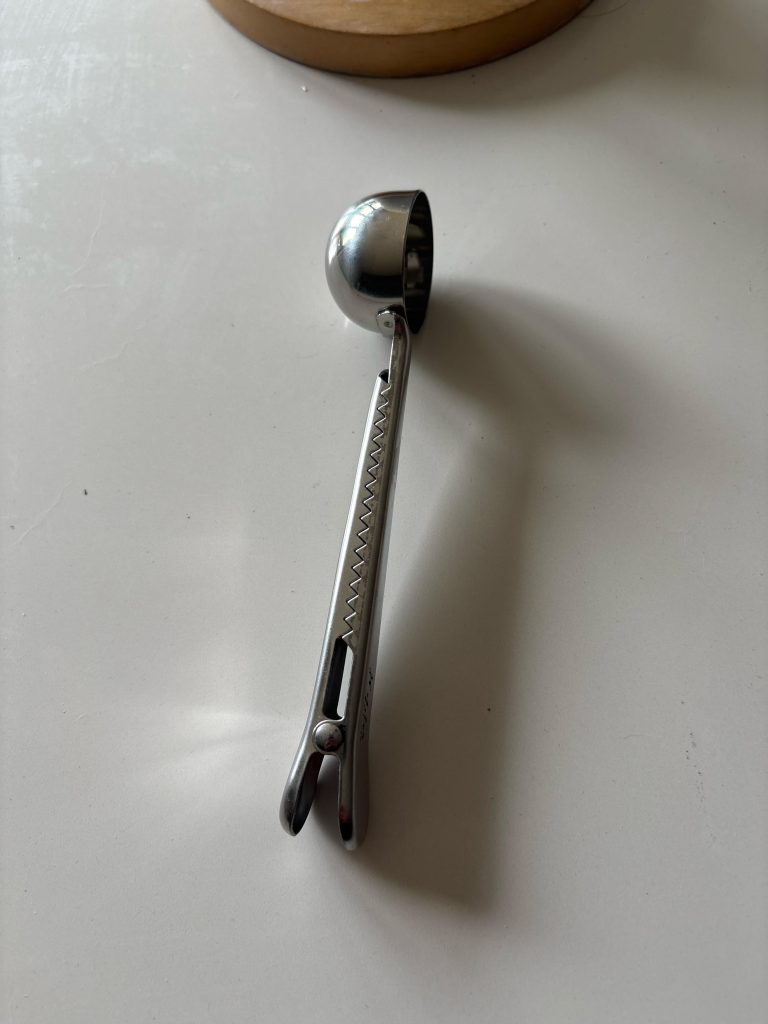
Have you ever found yourself rummaging through your kitchen drawers, only to stumble upon a mysterious tool you can’t quite identify? You’re not alone.
Kitchens are filled with gadgets and gizmos designed to make cooking easier, but sometimes their purpose isn’t immediately obvious. Imagine the frustration of trying to whip up a delicious meal, only to be halted by the question: “What is this kitchen tool used for?
” Your curiosity isn’t just an itch that needs to be scratched; it’s a direct line to unlocking a new level of culinary mastery. The more you understand the tools at your disposal, the more you can elevate your cooking game, impress your guests, and enjoy the process of creating delightful dishes. This article will reveal the secrets behind those puzzling kitchen tools, giving you the confidence to use them like a pro. So, are you ready to turn confusion into clarity and curiosity into competence? Let’s dive in and discover the hidden potential of your kitchen arsenal.
:max_bytes(150000):strip_icc()/faw-hedley-bennett-11-piece-tool-set-priyanka-shahane-04-d150839ed953477e91132ee2d4fc5f61.jpeg)
Credit: www.foodandwine.com
The Mystery Of The Kitchen Tool
Ever wonder about that odd kitchen gadget in your drawer? Often, this tool slices, peels, or grates ingredients. Its unique design suits a specific task, making cooking easier.
The kitchen is a realm of mystery, and within it, tools that might seem perplexing at first glance. Have you ever stumbled upon a gadget in your drawer and wondered, “What on earth is this for?” You’re not alone. Unusual kitchen tools often leave us scratching our heads, but each one has a purpose, often making our cooking experiences smoother and more efficient. Imagine pulling out a spiral-shaped contraption with a handle. It’s not immediately obvious what it does, but it could transform your cooking routine. This tool might just be a spiralizer, a device designed to turn vegetables like zucchini into noodle-like strands. A seemingly trivial tool, yet it unlocks a world of healthy pasta alternatives.Discovering Hidden Functions
Some tools hide their functions behind simple appearances. Take a melon baller, for instance. It looks like a small scoop, but its magic lies in its ability to create perfectly round spheres of fruit. This might sound minor, but those uniform spheres can elevate a fruit salad or garnish a cocktail with flair.Unusual But Essential Gadgets
Certain gadgets might seem unusual but are surprisingly essential. Consider a garlic press. You might think a knife suffices for chopping garlic, but the press extracts more flavor by crushing it. This small tool saves time and intensifies taste, proving its worth in dishes like garlic bread or pasta sauces.Is It Worth The Space?
Now, you might wonder if these tools deserve a spot in your kitchen. Evaluate how often you prepare dishes that could benefit from them. If you frequently make salads, a spiralizer could be invaluable. But if not, maybe it’s time to pass it on to someone who’ll use it more.Engage Your Culinary Curiosity
Take a moment to explore the tools you already own. Can you think of new ways to use them? Sometimes, a kitchen tool can have more than one use, and discovering these alternate functions can reignite your culinary creativity.Challenge Yourself To Experiment
Next time you encounter a mysterious kitchen tool, challenge yourself. Try using it in a recipe or a kitchen task. You might uncover a new favorite technique or dish, enhancing your cooking repertoire. Unlock the potential of those mysterious gadgets, and let your kitchen adventures begin!Historical Background
The historical background of kitchen tools offers a fascinating glimpse into culinary evolution. Tools, often shaped by culture, have transformed cooking practices over centuries. Understanding their origins reveals how innovation has influenced food preparation.
Origins Of Kitchen Tools
Early humans used simple stones to crush food. Over time, tools evolved with technology and culture. Ancient civilizations crafted utensils from clay and metal. These tools improved efficiency and food handling.
Influence Of Trade And Exploration
Trade routes brought new materials and designs to different regions. Explorers introduced foreign tools to native communities. This exchange enriched culinary methods and broadened kitchen tool varieties.
Industrial Revolution Impact
The Industrial Revolution transformed kitchen tool production. Mass production made tools affordable for more households. This era introduced innovative designs, enhancing cooking convenience.
Modern Developments
Today, kitchen tools blend tradition with technology. Modern materials offer durability and precision. Innovations continue to shape how we cook, reflecting our evolving culinary needs.
Design And Features
Discover the design and features of this kitchen tool, crafted for efficiency and ease. Its ergonomic handle ensures a comfortable grip, while the sharp blade slices through ingredients effortlessly. Ideal for both beginners and experienced chefs, this tool simplifies meal prep with precision.
Exploring the design and features of a kitchen tool helps understand its utility. The functionality and appeal lie in the materials and unique characteristics. Let’s delve into these aspects to better grasp their importance.Materials Used
The choice of materials impacts durability and ease of use. Common materials include stainless steel, plastic, and wood. – Stainless Steel: Known for its strength and resistance to rust. – Plastic: Lightweight and often budget-friendly. – Wood: Offers a natural look and gentle on cookware. Each material serves a distinct purpose, catering to different needs.Unique Characteristics
Unique features enhance the tool’s efficiency and user experience. Some tools boast ergonomic handles for comfort. – Ergonomic Handles: Reduce strain during use. – Non-stick Surfaces: Prevents food from sticking, easing the cleaning process. – Adjustable Parts: Allow customization for various tasks. These characteristics make the tool versatile and user-friendly. Understanding them aids in selecting the right tool for your kitchen tasks.:max_bytes(150000):strip_icc()/faw-caraway-5-piece-wooden-utensil-set-priyanka-shahane-01-51bf1c37c14e4454862b2ffed3ae2136.jpeg)
Credit: www.foodandwine.com
Primary Functions
Understanding the primary functions of a kitchen tool can dramatically transform your cooking and baking experiences. Whether you are a seasoned chef or a home cook, knowing how to effectively utilize each tool can save you time, enhance flavors, and improve texture. Let’s dive into the multiple uses of this versatile kitchen gadget.
Cooking Applications
In cooking, precision and efficiency are key. This tool can help you achieve both. It’s perfect for chopping vegetables quickly and evenly, which is essential when preparing a stir-fry or a hearty stew.
Have you ever struggled with mincing garlic or ginger? This tool makes it effortless, ensuring a consistent size that cooks evenly. It also excels in tasks like slicing meats thin for a sauté or even crushing spices to release their full aroma.
Consider how much time you spend on prep work. Now imagine cutting that time in half. By mastering this tool, you free up more moments to experiment with flavors and enjoy the cooking process.
Baking Uses
Baking requires precision, and this kitchen tool is a baker’s ally. It ensures that ingredients are uniformly mixed, which is crucial for the perfect cake or batch of cookies.
When dealing with dough, this tool can assist in achieving the right consistency. It helps in kneading dough to perfection, whether you’re making bread, pizza, or pastry.
Think about the last time your batter had lumps. With this tool, such problems become a thing of the past. It aids in creating smooth mixtures, enhancing the texture and taste of your baked goods.
How often do you bake? Even if it’s not frequently, having a tool that simplifies the process can turn daunting recipes into achievable delights.
Innovative Uses
Discover the versatility of this kitchen tool. It chops, slices, and even grates vegetables effortlessly. Ideal for preparing salads, soups, and garnishes with precision and ease.
The kitchen is a playground for creativity, where even the simplest tools can surprise you with their versatility. Often, a tool designed for one purpose can find new life in unexpected roles, making your culinary adventures more exciting. Let’s dive into some innovative uses of common kitchen tools that might just change the way you cook and even how you handle tasks outside the kitchen.Creative Cooking Ideas
Imagine using a humble rolling pin beyond flattening dough. It’s perfect for crushing nuts or crackers into fine crumbs. You can also use it to tenderize meat, just like a mallet. A muffin tin is not just for cupcakes. It can be a handy organizer for prepping ingredients or creating mini versions of your favorite dishes like quiches or pot pies. Your trusty vegetable peeler can do more than peel. It can make thin slices of cheese for salads or create beautiful chocolate curls for dessert garnishes.Unexpected Applications
Kitchen tools can also shine outside of cooking. A citrus juicer, for instance, can help you extract oil from olives if you’re experimenting with homemade beauty products. Did you know a grater can be used to shred soap for homemade laundry detergent? It’s a simple way to recycle soap scraps and save money. Even a colander has its place beyond draining pasta. Use it as a makeshift steamer when you’re in a pinch or to sift through small toys or craft supplies. Thinking outside the box with your kitchen tools can save you time, money, and space. What other creative uses can you think of for your kitchen gadgets?Maintenance Tips
Proper care keeps kitchen tools effective and long-lasting. For instance, knives require regular sharpening and dry storage. Wash wooden utensils by hand to prevent warping.
Maintaining your kitchen tools is crucial to ensuring they last longer and perform efficiently. Proper maintenance not only keeps them looking new but also makes cooking more enjoyable. Let’s dive into the essential tips that will keep your kitchen tools in top shape.Cleaning Methods
Cleaning your kitchen tools properly is the first step towards effective maintenance. For metal tools like knives and peelers, hand washing with warm soapy water is best. Dishwashers can cause dullness and rust over time. Wooden tools like spoons and cutting boards need a gentle approach. Avoid soaking them in water; instead, wipe them with a damp cloth. Occasionally, treat them with mineral oil to prevent cracking. Silicone tools are dishwasher-safe, but they also benefit from a good hand wash. This ensures that no residue is left behind, keeping them fresh and ready for use.Storage Solutions
Storing your kitchen tools correctly is as important as cleaning them. Knives should be stored in a knife block or on a magnetic strip to keep blades sharp and hands safe. Tossing them in a drawer can cause damage and dulling. Wooden tools should be kept in a dry place. Moisture can lead to mold and warping, reducing their lifespan significantly. Consider using drawer dividers or utensil holders to organize other tools. This not only keeps your kitchen tidy but also makes it easier to find what you need. Have you ever wondered why some kitchen tools last longer than others? The secret often lies in how well they’re maintained. By adopting these simple cleaning and storage tips, you can extend the life of your favorite kitchen tools and enjoy a more efficient cooking experience.Expert Opinions
Understanding the true potential of any kitchen tool often requires the wisdom of those who have mastered their culinary craft. Expert opinions offer invaluable insights into how a seemingly simple gadget can transform your cooking experience. These insights can help you decide whether a tool is worth adding to your kitchen arsenal.
What Chefs Say About Its Utility
Professional chefs often highlight the multifunctionality of kitchen tools. They appreciate gadgets that streamline tasks, reduce prep time, and improve consistency. A chef might say, “A good mandoline slicer can turn a tedious slicing job into a quick, precise task, saving valuable time when preparing large meals.” This feedback emphasizes efficiency, a critical aspect in professional kitchens.
Home Cooks’ Perspective
Home cooks bring a practical viewpoint, emphasizing ease of use and storage. They value tools that fit into everyday cooking without complicating the process. You might hear, “The immersion blender is a lifesaver for quick soups and smoothies, without the hassle of bulky equipment.” Their opinions focus on convenience and accessibility.
Nutritionists’ Advice
Nutritionists often recommend tools that assist in healthier cooking practices. They might suggest gadgets that help preserve nutrients or reduce unhealthy fats. For example, “A steamer basket is perfect for cooking vegetables without losing their nutritional value,” a nutritionist might advise. This perspective encourages you to make mindful choices for better health.
Food Bloggers’ Insights
Food bloggers often share creative ways to use kitchen tools, sparking inspiration and innovation. They might say, “Using a spiralizer for zucchini can transform a plain dish into something gourmet and Instagram-worthy.” Their insights often focus on creativity and visual appeal, making cooking exciting.
Have you ever tried using a tool in a way that surprised you? Consider these expert opinions next time you’re evaluating a new kitchen gadget. Their experiences might just change how you cook and enjoy your meals.
Choosing The Right Tool
Choosing the right kitchen tool can be the difference between a cooking disaster and a culinary masterpiece. Whether you’re whipping up a quick breakfast or preparing a gourmet dinner, the tools you choose can significantly impact your cooking experience and results. But with so many options available, how do you determine which tool is best for your needs?
Factors To Consider
When selecting a kitchen tool, consider your cooking style and the frequency of use. If you often make smoothies, investing in a high-quality blender might be wise. For occasional bakers, a hand mixer may suffice instead of a stand mixer.
Space constraints are also crucial. A compact tool that fits easily into your kitchen might be better than a bulky one that takes up valuable counter space. Always check if the tool is dishwasher safe for easy cleaning.
Think about the material of the tool. Stainless steel is durable and resistant to rust, making it a great choice for long-term use. Consider ergonomic designs that offer comfort during prolonged use.
Comparing Options
It’s essential to weigh the pros and cons of different brands and models. Read reviews and seek recommendations from friends who are avid cooks. Sometimes, the best insights come from those who have already experienced the product.
Compare prices and ensure the tool offers good value for money. Sometimes, the most expensive tool isn’t necessarily the best; a mid-range product might suit your needs perfectly.
Consider if the tool has additional features that can enhance your cooking. A food processor with multiple attachments can be more versatile than one with limited functionality.
How often have you bought a tool that seemed perfect but turned out to be rarely used? Make sure the tool meets your current needs and isn’t just a trendy purchase. Evaluate whether it can make your cooking tasks easier and more enjoyable.
:max_bytes(150000):strip_icc()/faw-all-clad-professional-stainless-steel-kitchen-gadgets-and-caddy-6-piece-set-priyanka-shahane-01-e5d958985d7a428bb4a8d7e982333a7f.jpeg)
Credit: www.foodandwine.com
Frequently Asked Questions
How Do I Use A Garlic Press?
A garlic press is used to crush garlic cloves efficiently. Simply place a peeled clove in the chamber and squeeze the handles. This tool saves time and effort in mincing garlic, enhancing flavors in your dishes. It’s perfect for soups, sauces, and dressings, adding a fresh garlic taste.
What Is The Purpose Of A Zester?
A zester is designed to extract zest from citrus fruits like lemons and oranges. The zest adds a burst of flavor to desserts, salads, and cocktails. This tool is easy to use; simply scrape the fruit’s peel gently. It enhances the aroma and taste of your recipes.
How Does A Mandoline Slicer Work?
A mandoline slicer helps in slicing vegetables and fruits uniformly. Adjust the blade for desired thickness, then slide the food over it. This tool is great for preparing salads and garnishes, providing consistent slices. It speeds up your food prep, ensuring even cooking.
Why Should I Use A Meat Thermometer?
A meat thermometer ensures your meat is cooked to the right temperature. Insert the probe into the thickest part of the meat. It helps avoid overcooking, ensuring safety and flavor. This tool is essential for roasts, steaks, and poultry, giving you perfect results.
Conclusion
Understanding kitchen tools makes cooking easier and more enjoyable. Each tool has a specific use. Knowing what each tool does helps you cook better. It saves time and reduces mistakes. Try using the tools you learned about. Practice makes perfect.
Experiment with different recipes. This builds your skills and confidence. Soon, cooking will feel less like a chore. And more like a fun adventure. Remember, every great chef started small. So, keep learning and enjoy the process. Cooking is about creativity and love for food.
Enjoy each meal you make. Happy cooking!