Have you ever grabbed a bottle of oven cleaner, ready to tackle the grease and grime in your kitchen, only to wonder what it might do to your countertops? You’re not alone.
Many homeowners face the same dilemma. Your countertops are the heart of your kitchen, where meals are prepared and memories are made. Understanding the impact of oven cleaner on them is crucial. This article will delve into the potential effects that oven cleaner can have on various countertop materials.
By the end, you’ll be equipped with the knowledge to protect your kitchen’s surfaces and maintain their beauty. Keep reading to discover how you can ensure your countertops remain pristine, no matter how messy your cooking gets.

Credit: www.angi.com
Chemical Composition Of Oven Cleaners
Have you ever wondered what makes oven cleaners so effective at tackling stubborn grease and grime? The secret lies in their chemical composition. These cleaners are packed with potent ingredients designed to dissolve baked-on residue, making them indispensable in the kitchen. However, it’s essential to understand how these chemicals interact with your kitchen countertops. Let’s explore what makes them tick.
Active Ingredients
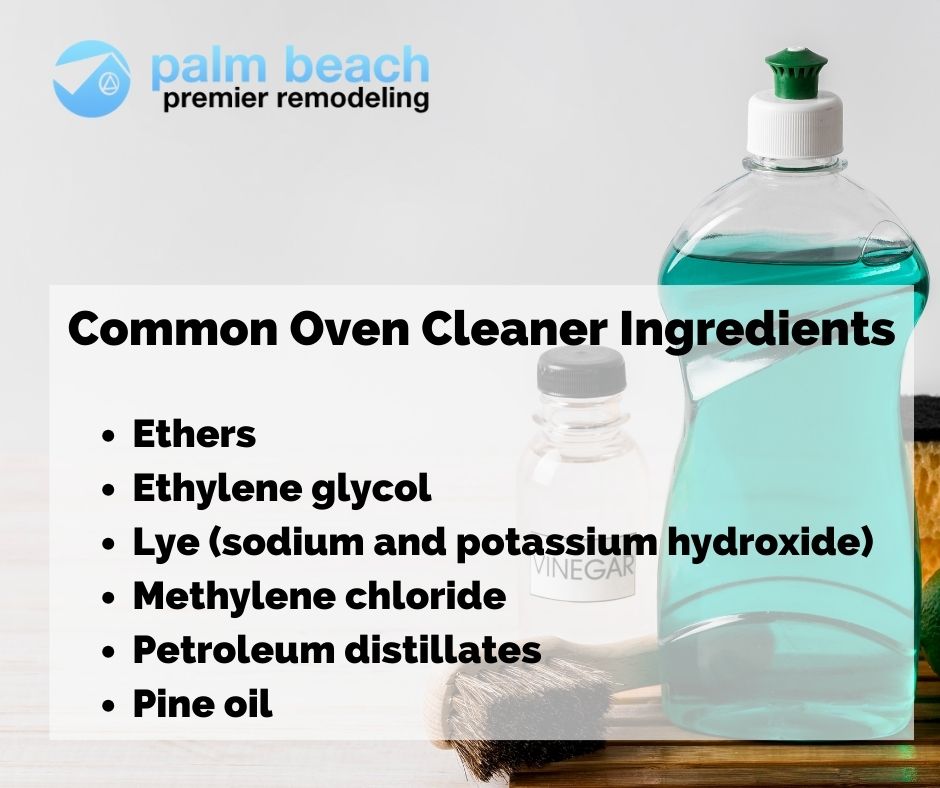
Oven cleaners typically contain powerful compounds like sodium hydroxide, also known as lye. This chemical is a strong alkaline substance that breaks down fats and proteins, making it effective against greasy stains. Other common ingredients include surfactants, which help the cleaner spread across surfaces, and solvents that dissolve tough residues.
Potential Risks
The potency of these chemicals can be a double-edged sword. While they excel at cleaning ovens, they can also harm certain countertop materials. Granite and marble countertops are particularly vulnerable, as the alkaline nature of oven cleaner can cause etching or discoloration. Wood and laminate surfaces may also suffer damage, losing their shine or even peeling.
Safety Measures
Before using oven cleaner, test it on a small, inconspicuous area of your countertop. This precaution can prevent unexpected damage. Always wear gloves when handling these cleaners to protect your skin, and ensure good ventilation to avoid inhaling fumes. Consider using alternatives like baking soda or vinegar, which are gentler on countertops.
Alternative Cleaning Solutions
If you’re worried about potential damage, explore safer options. A mixture of baking soda and water can effectively clean countertops without harsh chemicals. Vinegar is another great alternative, especially for tackling lighter stains. Both methods are eco-friendly and less likely to harm your surfaces.
Do you think the convenience of oven cleaners outweighs the risks? Or is it worth exploring gentler, alternative methods? Your kitchen’s longevity might depend on the choices you make today.
Types Of Kitchen Countertop Materials
Kitchen countertops come in a variety of materials, each offering unique aesthetics and functionality. Understanding how these surfaces react to oven cleaners can save you from potential damage. Let’s explore the different types of countertop materials and their interactions with cleaning agents.
Granite Surfaces
Granite is a popular choice for its durability and timeless appeal. However, oven cleaners are typically too harsh for granite. They can strip away the sealant, leaving the stone vulnerable to stains and etching.
Have you ever noticed discoloration or dull spots on your granite after cleaning? It could be due to the use of aggressive cleaners. Instead, opt for gentle dish soap or specialized granite cleaners.
Quartz Countertops
Quartz countertops are engineered to be durable and resistant to stains. Yet, they aren’t immune to damage from oven cleaners. Harsh chemicals can lead to discoloration and surface degradation.
Your quartz countertops deserve the best care. Using mild, non-abrasive cleaners will preserve their beauty and longevity, ensuring they remain the centerpiece of your kitchen.
Laminate Tops
Laminate countertops are cost-effective and come in various designs. Unfortunately, they are prone to damage from oven cleaners. The chemicals can cause peeling or bubbling of the laminate surface.
Have you ever seen a laminate countertop with unsightly bubbles or peeling edges? That’s often the result of using the wrong cleaner. Stick to gentle, non-abrasive cleaning solutions to keep your laminate tops looking fresh.
Marble Slabs
Marble exudes luxury and sophistication, but it’s highly sensitive to acidic and abrasive substances. Oven cleaners can easily etch and dull marble surfaces, robbing them of their natural luster.
Imagine your marble countertop losing its shine. To prevent this, use pH-neutral cleaners specifically designed for marble. Regular maintenance with soft cloths and warm water can also help retain its elegance.
Next time you reach for an oven cleaner, think about the impact it could have on your countertops. What methods will you use to protect and maintain these surfaces?
Potential Risks To Countertops
Oven cleaner can be a handy tool for tough stains. Yet, using it on kitchen countertops might lead to unexpected damage. The chemicals in oven cleaners are powerful. They can interact with different materials. Understanding potential risks is crucial for preserving countertop beauty and function.
Surface Damage
Oven cleaners often contain harsh chemicals. These can erode countertop surfaces. Materials like granite and marble are vulnerable. Scratches and etches can appear. Even laminate surfaces may suffer. Protective coatings might wear away over time. This can lead to permanent damage.
Color Fading
Countertops come in various colors and finishes. Oven cleaner can cause color fading. This happens when chemicals break down pigments. Bright countertops can lose vibrancy. Dark surfaces might show lighter patches. Restoring original color might be impossible.
Chemical Reactions
Certain countertop materials can react with oven cleaner chemicals. Chemical reactions may alter the countertop’s structure. This can affect the surface texture. Reactions might also release harmful fumes. Safety becomes a concern in such scenarios.
Long-term Effects
Consistent use of oven cleaner can lead to long-term damage. Countertops may weaken over time. Cracks and chips can develop. Repeated exposure can make surfaces brittle. The lifespan of countertops might significantly reduce. Regular maintenance becomes challenging.
Credit: pbphomerepair.com
Safety Precautions
Oven cleaner can cause damage to kitchen countertops by stripping away their protective layer. It may leave stains or discoloration, affecting the surface’s appearance and integrity. Always read the label and use with caution to protect your kitchen surfaces.
Maintaining a clean kitchen often involves using various cleaning agents, including oven cleaners. However, the potent chemicals in these cleaners can have unintended effects on your kitchen countertops. To ensure safety while cleaning, understanding the necessary precautions is vital.Protective Measures
Before you begin cleaning, it’s crucial to protect yourself and your surroundings. Always wear gloves to prevent the chemicals from coming into contact with your skin. Consider wearing goggles to protect your eyes from any accidental splashes. Ensure the area is well-ventilated by opening windows or using a fan. This helps disperse any fumes, reducing the risk of inhalation. If you’re worried about your countertops, test a small, hidden area first to see how the material reacts.Proper Usage Guidelines
Read the instructions on the oven cleaner’s label carefully. Manufacturers provide specific guidelines on how to use their products safely. Applying the cleaner directly to the countertop can lead to damage, so spray it on a cloth or sponge first. Wipe the surface gently, and avoid scrubbing too hard. Once done, rinse the area with water thoroughly to remove any chemical residue. This not only protects your countertop but also ensures your food preparation area remains safe.Alternatives To Oven Cleaners
If you’re hesitant about using oven cleaners on your countertops, consider alternative cleaning solutions. A mixture of vinegar and baking soda can be a powerful yet gentle option. This natural cleaner can tackle grease without the harsh chemicals. Lemon juice combined with salt is another effective choice, especially for removing stains. These alternatives are not only safer but also environmentally friendly. Have you tried any of these methods before? If not, they might be worth exploring for a cleaner, safer kitchen.Cleaning Alternatives For Countertops
Cleaning countertops safely is crucial to maintain their look and durability. Some cleaners, like oven cleaner, can harm countertops. Explore alternatives that clean effectively without damage.
Natural Cleaning Solutions
Natural ingredients can clean countertops without harsh chemicals. Use vinegar mixed with water for a gentle yet effective solution. Baking soda is great for scrubbing away stains. Simply sprinkle on the surface, then wipe with a damp cloth. Lemon juice is another powerful cleaner. Its acidity helps remove grease and grime. Essential oils, such as tea tree or lavender, add a pleasant scent and extra cleaning power.
Commercial Countertop Cleaners
Many commercial cleaners are designed for specific countertop materials. Granite cleaners protect the stone and maintain its shine. For laminate, choose non-abrasive cleaners that won’t scratch the surface. Quartz countertops need pH-balanced cleaners to avoid damage. Read labels carefully to ensure compatibility with your countertop material. Look for eco-friendly options that are safe for both your home and the environment.

Credit: pbphomerepair.com
Expert Recommendations
Expert Recommendations Oven cleaners can damage kitchen countertops by causing discoloration and surface erosion. Always test on a small area first.
Cleaning kitchen countertops with oven cleaner might seem like a quick fix, but experts advise caution. Understanding the potential effects on various countertop materials is crucial. Here are some expert recommendations to consider:Read The Label Carefully
Before using any oven cleaner, check the manufacturer’s instructions. Many cleaning products are not suitable for all surfaces. Ensure compatibility to avoid damaging your countertops.Test A Small Area First
Always perform a patch test on an inconspicuous area. This helps you see how the cleaner reacts with your countertop material. It’s a simple step that can prevent costly damage.Consider The Material
Granite, marble, and laminate can react differently to harsh chemicals. For example, acidic cleaners can dull the shine of granite. Know your material to choose the right cleaning method.Use Mild Alternatives
Vinegar or baking soda can be effective yet gentle alternatives. They clean without the risk of corrosion or discoloration. Plus, they’re eco-friendly and safe for most surfaces.Rinse Thoroughly
After using any cleaner, rinse the area with water. This removes any residues that could harm the surface over time. It’s a simple step that ensures longevity for your countertops.Consult With Professionals
If in doubt, seek advice from a professional cleaner. They can provide tailored recommendations for your specific countertop type. Their expertise can save you from potential mishaps. Does your countertop need a specific type of care? Taking the time to understand can make all the difference.Frequently Asked Questions
Can Oven Cleaner Damage Kitchen Countertops?
Yes, oven cleaner can damage certain countertops. It’s harsh chemicals can lead to discoloration and surface deterioration. Always check your countertop’s material compatibility before use. Consider using milder cleaning alternatives or spot-test in a discreet area to ensure safety.
How Does Oven Cleaner Affect Granite Countertops?
Oven cleaner can etch granite countertops, stripping their sealant and causing dullness. Granite is porous and requires gentle care. Regular maintenance with pH-balanced cleaners is recommended to preserve its natural shine and durability over time.
Is It Safe To Use Oven Cleaner On Quartz Countertops?
No, it’s unsafe to use oven cleaner on quartz countertops. The strong chemicals can damage the resin, leading to stains or surface breakdown. Opt for mild, non-abrasive cleaners to maintain quartz’s appearance and integrity.
Can Oven Cleaner Stain Laminate Countertops?
Oven cleaner can stain laminate countertops by penetrating its surface layer. It may cause discoloration or permanent marks. Use gentle cleaning solutions specifically designed for laminate to avoid damage while keeping surfaces clean.
Conclusion
Oven cleaner can harm kitchen countertops. It may cause discoloration or damage. Always check the cleaner’s label before use. Test on a small spot first. Consider natural alternatives for safety. Lemon juice or vinegar work well. They clean gently without harsh chemicals.
Regular maintenance keeps countertops looking fresh. Wipe spills quickly to avoid stains. A soft cloth and mild soap do wonders. Protect your surfaces with cutting boards and mats. This ensures long-lasting beauty. Remember, prevention is key. Proper care saves money and effort.
Safe cleaning equals a happy kitchen.