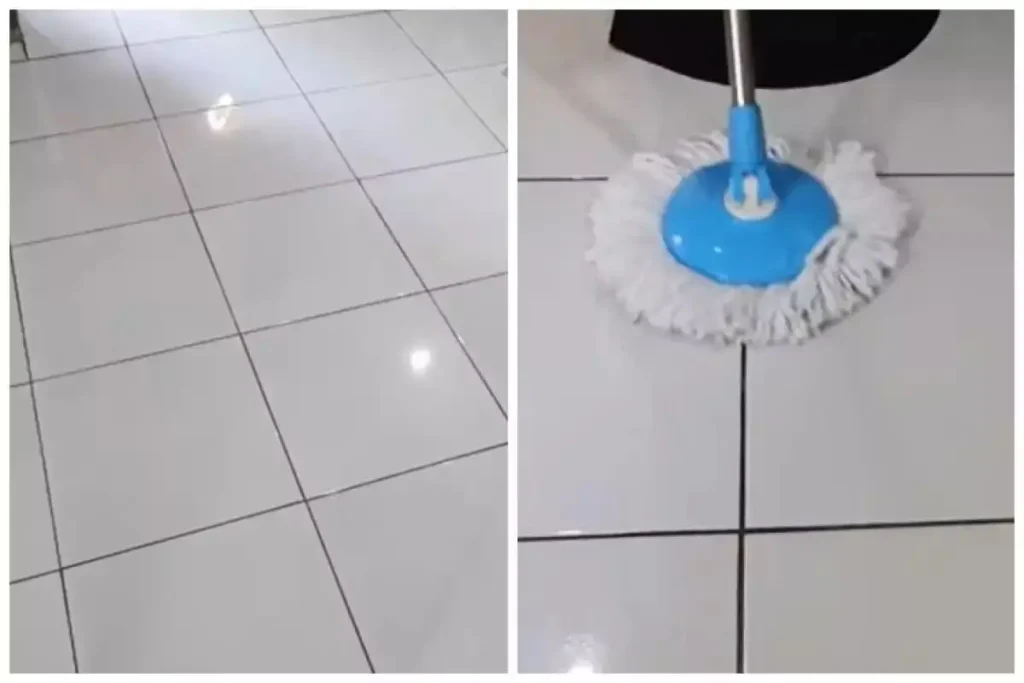
Your kitchen is the heart of your home, a place where delicious meals are crafted and cherished memories are made. But keeping it clean, especially the floor, can sometimes feel like a never-ending chore.
You’ve tried countless commercial cleaners, but they often come with strong chemicals and hefty price tags. Imagine having a simple, effective solution at your fingertips—one that doesn’t compromise on safety or shine. Are you ready to discover how to make your kitchen floor cleaner effortlessly?
This guide will walk you through easy steps to create a cleaner that’s both budget-friendly and eco-friendly. Say goodbye to grime and hello to a sparkling floor that invites joy into your kitchen. Keep reading to transform your cleaning routine and reclaim the sparkle in your kitchen floor.
:max_bytes(150000):strip_icc()/SPR-why-floors-still-feel-dirty-after-cleaning-11778163-d6cc66fad68a46e8b6f9479f34c945ad.jpg)
Credit: www.thespruce.com
Choosing Ingredients
Choosing the right ingredients is crucial for making an effective kitchen floor cleaner. The type of ingredients determines the safety, fragrance, and cleaning power. For those aiming for a safer and environmentally-friendly option, understanding the ingredients is key.
Natural Vs. Chemical Cleaners
Natural cleaners often use ingredients like vinegar, baking soda, and lemon juice. These are gentle on surfaces and safe for families and pets. They break down grease and dirt effectively. Chemical cleaners, on the other hand, may include bleach or ammonia. These can be harsh but powerful against tough stains. Consider the impact on health and the environment. Natural options are usually biodegradable and non-toxic.
Essential Oils For Fragrance
Essential oils add a pleasant scent to your cleaner. They also offer antibacterial properties. Popular choices include lavender, lemon, and tea tree oil. Just a few drops can transform your cleaner’s smell. Essential oils are a natural way to enhance your cleaning routine. They leave your kitchen smelling fresh and inviting.
Tools And Equipment
Cleaning your kitchen floor requires the right tools and equipment. These ensure efficiency and ease in removing dirt and stains. Let’s explore some essential tools that make your cleaning process effective.
Mops And Brushes
Mops come in various types like sponge, flat, and string mops. Sponge mops absorb spills quickly. Flat mops are great for regular maintenance. String mops reach into corners and edges easily. Brushes are ideal for scrubbing stubborn stains. Choose brushes with firm bristles for deep cleaning.
Buckets And Spray Bottles
Buckets are essential for mixing cleaning solutions. Opt for sturdy, large buckets to hold enough water and cleaner. Spray bottles help in distributing the cleaning solution evenly. Use them for spot cleaning or quick touch-ups. Ensure they have a fine mist nozzle for effective coverage.
Step-by-step Recipe
Cleaning your kitchen floor doesn’t need to be a chore. With the right ingredients and steps, you can create an effective cleaner. This step-by-step recipe will guide you through making your own solution. Save money and keep your kitchen sparkling clean.
Mixing The Solution
Start by gathering your ingredients. You’ll need white vinegar, water, and essential oils. Vinegar is a natural cleaner that cuts through grime. Essential oils add a pleasant scent and have antibacterial properties. Mix these ingredients in a spray bottle.
- Add one cup of white vinegar to the bottle.
- Pour two cups of water for dilution.
- Include 10 drops of essential oil for fragrance.
Shake the bottle well to mix everything together. Your solution is now ready for use. You can tweak the ingredients based on your preference.
Proper Dilution Ratios
The right ratio ensures effectiveness and safety. Too much vinegar can harm some floor types. Stick to the recommended ratios for best results.
- For tiles: Use equal parts vinegar and water.
- For wood: Use more water and less vinegar.
- For vinyl: Use two parts water and one part vinegar.
Adjust the ratios if needed, based on your floor type. Test a small area first to ensure compatibility. This prevents damage and keeps your floor looking new.
Credit: en.brilio.net
Cleaning Techniques
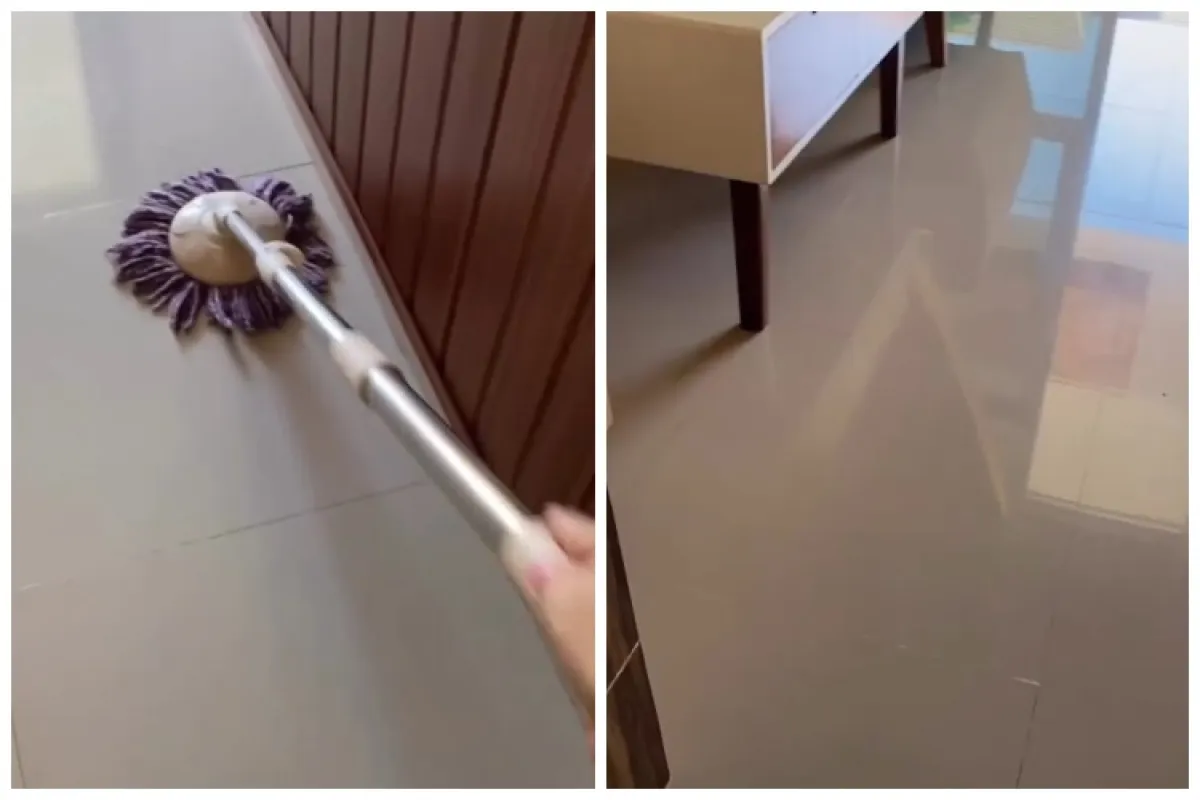
Mix equal parts of white vinegar and warm water for a simple kitchen floor cleaner. Add a few drops of dish soap to enhance cleaning power. Mop the floor with the solution, then rinse with clean water to avoid residue.
Cleaning your kitchen floor efficiently requires the right techniques. Understanding these methods can transform your kitchen into a spotless haven. Let’s explore some effective cleaning techniques to keep your kitchen floor sparkling clean.Spot Cleaning Tips
Spills happen. Tackle them immediately to prevent stains. Use a damp cloth for quick clean-ups. For sticky spots, a mild detergent solution works best. Always rinse with clean water afterwards. Use a soft brush for tougher stains. Avoid harsh scrubbing to protect the floor surface.Deep Cleaning Strategies
Deep cleaning is essential for maintaining floor hygiene. Start by sweeping or vacuuming to remove loose dirt. Prepare a cleaning solution with warm water and a gentle cleaner. Mop the floor thoroughly, ensuring even coverage. Allow the solution to sit for a few minutes. This loosens any embedded grime. Rinse with clean water and dry the floor with a soft towel. Regular deep cleaning keeps floors looking fresh and bright.Safety Precautions
Wear rubber gloves to protect your skin from harsh chemicals. Ensure proper ventilation by opening windows or using fans. Store cleaning supplies away from children and pets.
Ensuring your safety while making and using kitchen floor cleaner is crucial. Even natural or mild cleaning agents can pose risks if not handled properly. By taking simple precautions, you can clean effectively without compromising your well-being.Handling Cleaning Agents
Store cleaning agents out of reach of children and pets. Ensure your workspace is well-ventilated to avoid inhaling fumes, especially with strong agents like vinegar or ammonia. Always label containers clearly to avoid accidental misuse—mistaking a cleaner for a beverage could have dire consequences.Protective Gear
Wearing gloves can protect your skin from irritation, especially if you have sensitive skin or allergies. Consider wearing a mask if you’re sensitive to strong smells or using potent ingredients. It’s wise to wear shoes with good grip to avoid slipping on wet floors, ensuring you stay safe while cleaning. By taking these precautions, you can maintain a spotless kitchen floor without any mishaps. What steps will you take to make your cleaning routine safer?
Credit: www.tiktok.com
Maintenance Tips
Maintaining a clean kitchen floor enhances the beauty and hygiene of your home. Regular upkeep ensures the floor remains spotless and durable. Follow these maintenance tips to keep your kitchen floor in top condition.
Regular Cleaning Schedule
Set a cleaning schedule to keep dirt and debris at bay. Sweep or vacuum daily to remove loose particles. Mop the floor weekly with a gentle cleaner. This routine prevents grime buildup and keeps the surface shining.
Preventing Stains And Damage
Act quickly to clean spills to avoid stains. Use a soft cloth to blot spills immediately. Place mats near sinks and cooking areas to catch drips and crumbs. Avoid dragging heavy items to prevent scratches and dents.
Frequently Asked Questions
What Ingredients Are Needed For Kitchen Floor Cleaner?
To make a kitchen floor cleaner, you’ll need vinegar, water, and dish soap. Mixing these creates an effective, natural solution. Vinegar disinfects and breaks down grime, while dish soap cuts through grease. Water dilutes the mixture, ensuring it’s safe for most floor types.
How Do You Mix A Kitchen Floor Cleaner?
Mix equal parts of water and vinegar, then add a few drops of dish soap. Stir the solution gently to combine. This mixture is both effective and gentle, making it suitable for regular cleaning.
Is Homemade Floor Cleaner Safe For All Floors?
Homemade cleaners are safe for most floors, including tile and linoleum. However, avoid using vinegar on hardwood. The acidity can damage the finish. Always test a small area first to ensure compatibility.
Can Essential Oils Be Added To The Cleaner?
Yes, you can add essential oils for fragrance. A few drops of lemon or lavender oil can enhance the scent. Ensure the oils are safe for your flooring type before use.
Conclusion
Creating your own kitchen floor cleaner is simple and effective. You save money and ensure a cleaner home. Just mix the right ingredients. Always test a small area first. Use it regularly for best results. Your kitchen floor will shine and smell fresh.
Homemade solutions are often safer. They avoid harsh chemicals found in store-bought cleaners. You can adjust the formula to suit your needs. Enjoy a clean, safe kitchen environment. This DIY approach makes cleaning a breeze. Try it today and see the difference.
Keep your kitchen sparkling without the fuss.