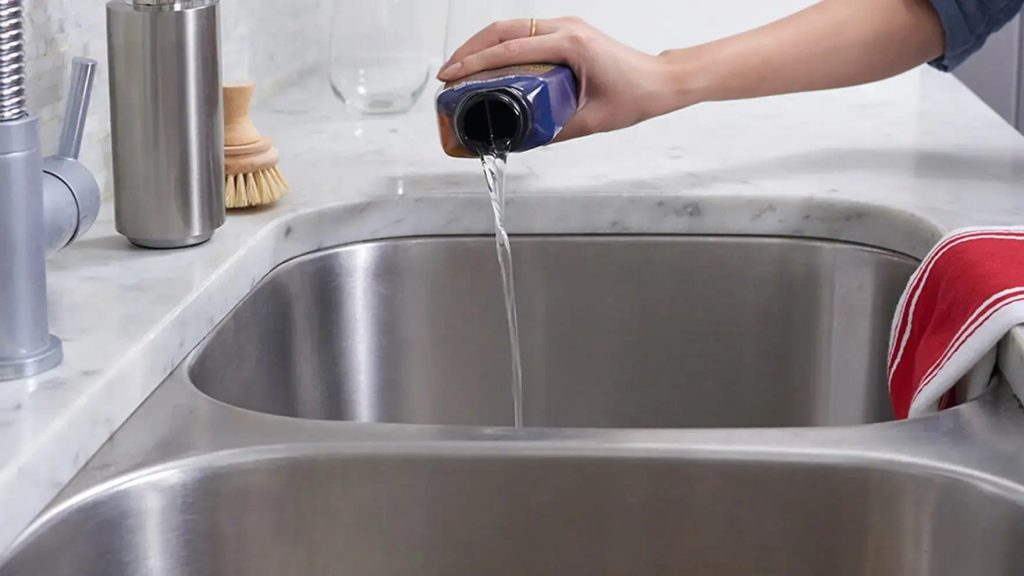
Imagine the frustration of a slow-draining kitchen sink disrupting your daily routine. You’ve tried everything from hot water to a plunger, and still, the problem persists.
It’s tempting to reach for that bottle of drain cleaner under the sink, but is it safe to use in your kitchen? Before you pour those chemicals down the drain, let’s explore whether this quick fix could lead to bigger headaches.
You’ll discover the truth about drain cleaners, potential risks, and safer alternatives that protect both your pipes and your peace of mind. Stick around to ensure you make the best choice for your kitchen sink, because the solution you choose today could save you from costly repairs tomorrow.
Credit: cleaninginto.com
Drain Cleaner Basics
Drain cleaners help clear blocked pipes and prevent unpleasant clogs. They dissolve food scraps, grease, and soap scum. Choosing the right drain cleaner ensures safety and effectiveness. Understanding the basics helps maintain a smoothly running kitchen sink.
Types Of Drain Cleaners
Drain cleaners come in various forms. Each type suits different needs and situations.
- Liquid Drain Cleaners:Easy to pour and often used for minor clogs. They work fast and are widely available.
- Gel Drain Cleaners:Thicker than liquids, these cling to pipe walls. They provide a longer contact time for stubborn clogs.
- Foam Drain Cleaners:Expand within the pipes to reach tight spots. They are ideal for vertical and horizontal pipes.
- Powder or Granular Drain Cleaners:Mixed with water before use. They generate heat, breaking down tough clogs.
- Enzymatic Drain Cleaners:Use natural enzymes to digest organic matter. Safe for regular maintenance and environmentally friendly.
Common Ingredients
Drain cleaners contain specific chemicals that target clogs. Knowing these ingredients helps in choosing the right product.
- Sodium Hydroxide (Lye):A strong alkali that dissolves grease and hair. Found in many liquid and solid cleaners.
- Sulfuric Acid:A powerful acid that tackles severe clogs. Often used in industrial-strength cleaners.
- Bleach:Known for its disinfecting properties. It helps break down organic matter.
- Potassium Hydroxide:Similar to lye, it effectively clears grease and soap scum.
- Bacteria and Enzymes:Found in enzymatic cleaners. They break down organic waste naturally.
Understanding these ingredients ensures safe and effective use of drain cleaners.

Credit: www.stillorgandraincleaning.ie
Safety Considerations
When thinking about using drain cleaner in your kitchen sink, safety should be your top priority. While these products can be effective at clearing clogs, they come with risks that you shouldn’t overlook. Understanding these risks and how to handle the products safely can prevent accidents and keep your kitchen a safe place.
Potential Hazards
Drain cleaners often contain harsh chemicals like sulfuric acid or sodium hydroxide. These substances can pose serious health risks if inhaled or if they come into contact with your skin. Additionally, if not used properly, they can damage your plumbing and result in costly repairs.
Have you ever accidentally splashed a chemical and felt that sting? It’s a stark reminder of how potent these substances can be. Consider what might happen if a child or pet gets curious and investigates the open container.
Safe Handling Tips
- Read the Label:Always start by reading the instructions and warnings. It will guide you on how to use the product safely.
- Wear Protective Gear:Use gloves and safety goggles to protect your skin and eyes from any accidental splashes.
- Ensure Proper Ventilation:Open windows or turn on a fan to avoid inhaling fumes, especially in a small kitchen space.
- Store Safely:Keep the product out of reach of children and pets. Ensure it’s securely sealed and stored in a cool, dry place.
Think of your kitchen as a hub of activity. A mishap with a drain cleaner could disrupt more than just your dinner plans. By taking these precautions, you ensure a safer environment for you and your family.
Have you ever felt the panic of a clogged sink right before hosting a dinner party? Remember that with the right knowledge and preparation, you can tackle the issue without compromising safety.
Effects On Plumbing
When you’re faced with a clogged kitchen sink, reaching for a drain cleaner might seem like a quick fix. But have you ever stopped to consider how these chemical solutions impact your plumbing system? Understanding the effects on plumbing can save you from future headaches and costly repairs. Let’s dive into the specifics of what happens when drain cleaner meets your kitchen pipes.
Impact On Pipes
Drain cleaners are typically made of harsh chemicals that aggressively dissolve clogs. While effective at clearing out blockages, these chemicals can also corrode your pipes. This is especially true for older plumbing systems that might not withstand repeated chemical exposure. Imagine using drain cleaner consistently over time—your pipes might weaken, leading to leaks or even burst pipes.
Not all pipes are created equal. PVC pipes, common in newer homes, can degrade when exposed to certain cleaners. Metal pipes, like those made of copper, might also suffer from corrosion. If you notice any strange sounds or leaks after using a cleaner, it could be a sign that your pipes are reacting negatively.
Long-term Consequences
Beyond immediate damage, using drain cleaner in your kitchen sink can have long-term consequences. Frequent use might lead to a buildup of chemical residue, which can further restrict water flow. You might find yourself needing to clean your pipes more often, adding to maintenance costs.
Repairing damaged pipes can be expensive. If you rely solely on chemical cleaners, you might end up paying more for plumbing repairs than if you had used a safer alternative from the start. Consider the environmental impact too—those chemicals eventually wash down into the water system, affecting local ecosystems.
Have you ever considered how your plumbing choices today could affect your home’s future resale value? Potential buyers might be wary of homes with known plumbing issues. By choosing safer alternatives, you not only protect your pipes but also your investment.
Credit: www.allamericanpha.com
Alternatives To Chemical Cleaners
Many people avoid chemical cleaners for kitchen sinks. They worry about safety and the environment. Luckily, there are effective alternatives. These methods can unclog your sink without harmful chemicals. Let’s explore some options that are safe and easy to use.
Natural Solutions
Natural solutions are safe and effective. They use ingredients you already have at home. Baking soda and vinegar make a great cleaning duo. Pour half a cup of baking soda into the drain. Follow with one cup of vinegar. Let it fizz for 10 minutes. Rinse with hot water. This mix breaks down grime and odors.
Lemon juice is another option. It has natural acidity. Mix lemon juice with baking soda. Pour it down the drain. This helps clean and freshen. Salt can also help. Mix with hot water for stubborn clogs. These natural methods keep your kitchen safe and fresh.
Mechanical Methods
Mechanical methods involve tools. They clear blockages effectively. A plunger is a simple tool. It uses suction to dislodge clogs. Place the plunger over the drain. Push and pull firmly. This can remove even tough clogs.
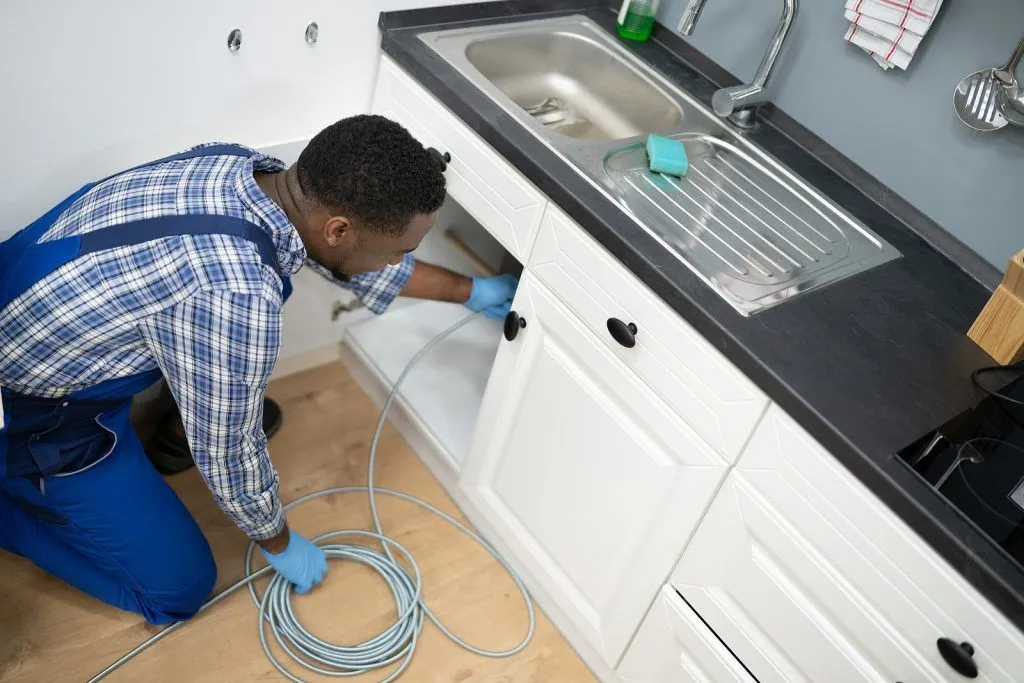
A drain snake is another option. It reaches deep into the pipe. Insert it and twist. It grabs debris and pulls it out. Wire hangers can work too. Straighten the hanger and bend a small hook at the end. Insert and fish out debris. These tools are inexpensive and reusable.
For severe clogs, consider a wet/dry vacuum. It can suck out blockages. Follow the vacuum instructions carefully. Mechanical methods are effective and chemical-free. They help keep your kitchen sink running smoothly.
Preventive Measures
Using drain cleaner in a kitchen sink can help clear blockages. Follow instructions carefully to avoid damage. Regular maintenance with baking soda and vinegar keeps drains clean naturally.
Preventive measures keep your kitchen sink flowing smoothly. They stop clogs and reduce the need for harsh chemicals. Simple actions make a big difference in sink maintenance.Regular Maintenance
Keep your sink clean to avoid blockages. Rinse dishes before washing to remove food particles. Use a strainer to catch larger debris. This prevents them from entering the drain. Regularly check and clean the strainer. This ensures it functions effectively. Weekly flushing with hot water helps too. It melts grease and clears light debris. Consider using baking soda and vinegar monthly. This natural solution cleans and freshens drains.Avoiding Common Blockages
Blockages often come from improper disposal. Grease should never go down the drain. It solidifies and clogs pipes. Dispose of grease in a container and throw it away. Coffee grounds and eggshells are also problematic. They stick to pipes and cause clogs. Be cautious with fibrous foods. Celery, onion skins, and potato peels can tangle in the drain. These should go in the trash or compost. Remember, prevention is easier than dealing with a clogged sink. Keep these tips in mind for a hassle-free kitchen.Signs Of Serious Plumbing Issues
Recognizing signs of serious plumbing issues can save your kitchen sink. Not every clog can be solved with drain cleaner. Sometimes, the problem is more serious and requires professional help. Knowing these signs helps you act quickly, preventing further damage.
When To Call A Professional
Call a professional if your sink drains slowly over time. Persistent clogs might signal a deeper issue. Also, seek help if water backs up frequently. This indicates a potential blockage in the main line. Strange noises from the sink, like gurgling, require expert attention. These sounds suggest trapped air, often from a significant blockage.
Indicators Of Major Problems
Foul odors coming from the sink are a warning. They often mean a buildup of waste or a broken seal. Water pooling under the sink is a red flag. This could mean a leaking pipe or joint failure. Discolored water is another serious sign. It might indicate rusting pipes or contamination. Lastly, low water pressure should not be ignored. It often points to a hidden leak or blockage.
Frequently Asked Questions
Is It Safe To Use Drain Cleaner In Kitchen Sinks?
Using drain cleaner in kitchen sinks is generally safe but can be risky. Some cleaners contain harsh chemicals that might damage pipes or harm septic systems. Always follow the manufacturer’s instructions and consider using natural alternatives like baking soda and vinegar for regular maintenance.
Can Drain Cleaner Damage Kitchen Sink Pipes?
Yes, some drain cleaners can damage kitchen sink pipes. Chemical-based cleaners may erode or weaken pipes over time. This is especially true for older plumbing systems. Opting for enzyme-based or natural cleaners can minimize potential damage and is often a safer choice for regular cleaning.
How Often Should You Use Drain Cleaner?
Using drain cleaner regularly is not recommended. Frequent use can lead to pipe damage or plumbing issues. Instead, use drain cleaner only when necessary. For regular maintenance, opt for natural methods like hot water, baking soda, and vinegar to keep your pipes clear and functional.
Are Natural Alternatives To Drain Cleaner Effective?
Yes, natural alternatives like baking soda and vinegar are effective for regular drain maintenance. They can help prevent clogs and maintain a clean sink without harsh chemicals. For stubborn clogs, consider using a plunger or drain snake before resorting to chemical cleaners.
Conclusion
Drain cleaner can sometimes work in kitchen sinks. But it isn’t always safe. Harsh chemicals may damage pipes or harm the environment. Consider safer alternatives like baking soda and vinegar. They are gentle yet effective. Regular maintenance helps too. Prevent clogs before they start.
Use sink strainers and avoid dumping grease. These habits protect your pipes. Remember, professional help is best for stubborn clogs. Experts ensure safe and efficient solutions. Choose wisely for a clean, healthy kitchen.