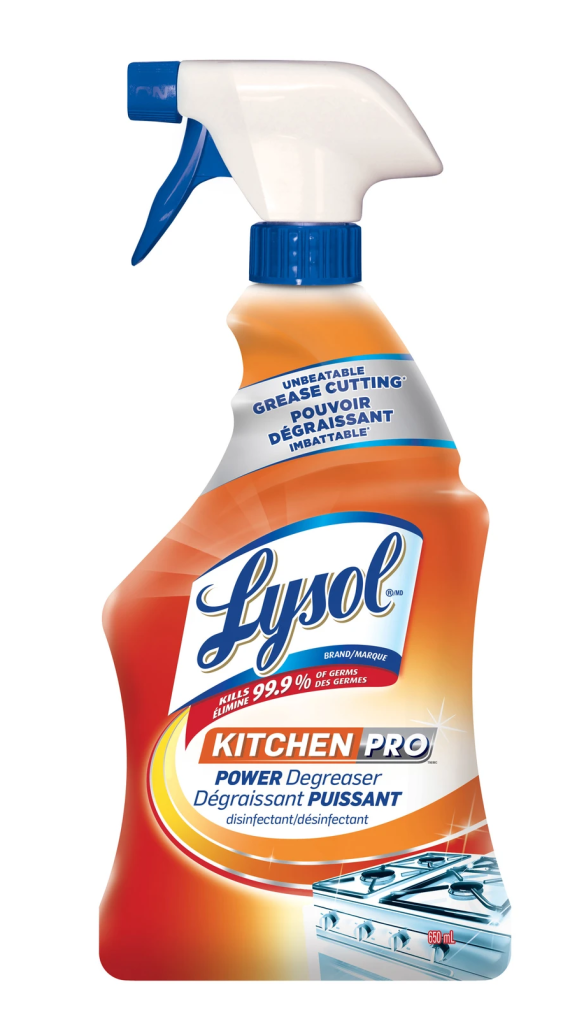
Are you standing in your kitchen, looking at that bottle of Lysol Bathroom Cleaner and wondering if it can tackle the grease and grime on your stove or countertop? You’re not alone.
Many people face this dilemma and ask themselves if it’s safe or effective to use a cleaner meant for the bathroom in other parts of their home. Your kitchen is a place where you prepare meals, and ensuring that it’s clean and safe is crucial.
But can a bathroom cleaner do the job without compromising your health or the surfaces in your kitchen? Let’s dive into the details and discover whether your Lysol Bathroom Cleaner is up to the task or if you should stick to kitchen-specific products. Your peace of mind starts here.
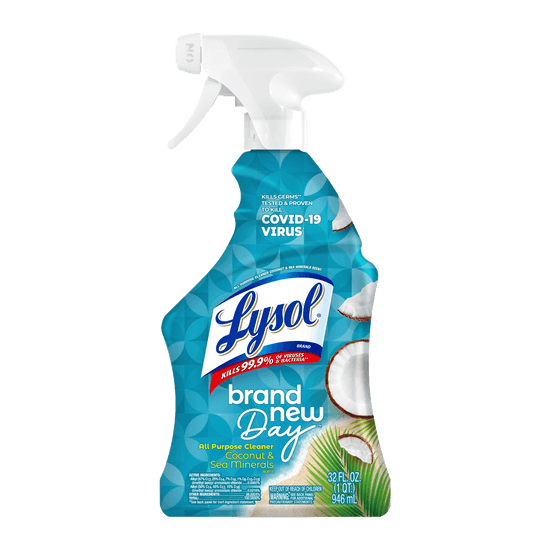
Credit: www.lysol.com
Safety Of Lysol Bathroom Cleaner
The safety of cleaning products is a vital consideration, especially when they are used in areas where food is prepared. Lysol Bathroom Cleaner, popular for its strong cleaning power, often raises questions about its safety in kitchen environments. This section delves into the safety aspects of using Lysol Bathroom Cleaner in your kitchen, helping you make informed decisions.
Ingredients Overview
Lysol Bathroom Cleaner is formulated with various chemicals designed to tackle tough bathroom grime. Key ingredients typically include surfactants, which help lift dirt and grease, and disinfectants like hydrogen peroxide that kill bacteria and viruses. While these ingredients are effective in bathrooms, it’s crucial to understand their impact in a kitchen setting.
Some of these chemicals can leave residues that may not be safe if ingested. If you choose to use it in the kitchen, ensure you thoroughly rinse surfaces to prevent any residue from contaminating food. Are you willing to take that extra step for your peace of mind?
Health Concerns
Health concerns are a major consideration when using any cleaning product in areas where food is handled. Exposure to certain chemicals in Lysol Bathroom Cleaner could potentially irritate skin or eyes, and inhalation might cause respiratory issues.
Using it in a well-ventilated space can mitigate these risks. However, if you or someone in your home has sensitivities, you might want to explore more kitchen-specific cleaning solutions. Would you prefer a cleaner that offers peace of mind without the worry of chemical exposure?
Ultimately, the decision to use Lysol Bathroom Cleaner in your kitchen depends on balancing its effectiveness with the potential risks. Being informed about its ingredients and health implications can help you keep your kitchen both clean and safe.
Cross-application Of Cleaners
Have you ever found yourself wondering if a bathroom cleaner can pull double duty in your kitchen? It’s a common question, especially when you’re aiming to streamline your cleaning supplies. While many of us might reach for the nearest bottle in a pinch, understanding the effectiveness and risks involved is crucial. Let’s explore whether Lysol Bathroom Cleaner is a viable option for your kitchen surfaces.
Effectiveness In Different Areas
Lysol Bathroom Cleaner is a powerhouse against soap scum, mold, and mildew. These attributes might seem appealing for kitchen grime, but kitchens harbor different types of dirt. Grease and food residues are the main culprits here. While Lysol can tackle some greasy messes, it might not be as effective as dedicated kitchen cleaners. You might find yourself scrubbing longer or using more product to get the desired results.
On the flip side, its disinfecting properties are undeniably useful. If you’ve just handled raw meat, using Lysol Bathroom Cleaner could help eliminate potential bacteria. However, it’s worth questioning if using a cleaner not specifically designed for food surfaces is the best choice. Dedicated kitchen cleaners often offer a balance of grease-cutting power and safety for food areas.
Potential Risks
Using Lysol Bathroom Cleaner in your kitchen isn’t without risks. Ingredients in bathroom cleaners can be harsh on sensitive kitchen surfaces like countertops and cutting boards. This could lead to discoloration or damage over time. Additionally, residues left by bathroom cleaners might not be safe for food contact areas.
There’s also the risk of mixing incompatible cleaning chemicals, which can be hazardous. Always read labels and be cautious about using products in unintended ways. Are you willing to gamble with potential damage to your kitchen surfaces for the sake of convenience? A dedicated kitchen cleaner might be a safer bet for the long term.
Best Practices For Kitchen Cleaning
Using Lysol Bathroom Cleaner in the kitchen can be effective but requires caution. Ensure it’s suitable for kitchen surfaces and rinse thoroughly to prevent residue. Always test on a small area first to avoid damage.
Keeping your kitchen clean is essential, not just for aesthetics, but for health and safety. While many products are designed specifically for different areas of your home, you might wonder if a bathroom cleaner like Lysol can be used in your kitchen. It’s important to know the best practices for maintaining a spotless kitchen to ensure every meal is prepared in a safe environment.Recommended Cleaners
When it comes to the kitchen, using the right cleaner is crucial. Products specifically designed for kitchen use often include grease-cutting agents that tackle stubborn food residues. Cleaners like dish soap, vinegar, and baking soda are excellent for everyday use. They’re safe, effective, and gentle on surfaces. For those tougher stains or more significant cleaning tasks, multi-surface cleaners designed for kitchen use can be beneficial. These are formulated to handle both grease and grime without damaging countertops or appliances. Always check the label to ensure the cleaner is safe for the surfaces you intend to use it on.Proper Usage Techniques
Using cleaning products effectively involves more than just spraying and wiping. Begin by removing loose debris and crumbs from surfaces to prevent scratches. Apply your chosen cleaner directly to the area, allowing it to sit for a moment to break down dirt. Use a microfiber cloth for wiping, as it traps particles more efficiently than other materials. For stubborn spots, consider a gentle scrub with a soft-bristled brush. Rinse surfaces with water after cleaning to remove any leftover cleaner residue, especially if you’re using a product not specifically labeled for kitchen use. Finally, always dry surfaces thoroughly to prevent water spots and maintain a streak-free shine. This practice helps maintain the integrity of your kitchen surfaces and ensures they’re ready for your next culinary adventure. Have you ever thought about the impact of using the wrong cleaner on your kitchen’s surfaces? The right approach not only ensures cleanliness but also prolongs the life of your kitchen fixtures.
Credit: www.amazon.com
Alternatives To Lysol Bathroom Cleaner
Can You Use Lysol Bathroom Cleaner in Kitchen Lysol Bathroom Cleaner is strong and effective for bathroom use, but not ideal for kitchens. Safer alternatives include vinegar, baking soda, or mild dish soap to clean kitchen surfaces. These options maintain hygiene without harsh chemicals, ensuring a safer environment for food preparation.
When cleaning your kitchen, you might wonder if it’s safe to use products like Lysol Bathroom Cleaner. While Lysol is effective in bathrooms, it may not be the best choice for your kitchen due to its strong chemicals. Fortunately, there are alternative options that can ensure your kitchen stays clean and safe for food preparation.Natural Cleaning Solutions
Harness the power of nature by using natural cleaning solutions in your kitchen. Vinegar and baking soda are household staples that work wonders. Mix equal parts of vinegar and water in a spray bottle for an effective all-purpose cleaner. Baking soda can tackle stubborn stains and odors. Sprinkle it on surfaces and scrub gently with a damp sponge. Lemon juice is another great option; its acidity naturally cuts through grease and leaves a refreshing scent. Consider essential oils like tea tree or lavender for added antibacterial properties. Just a few drops can transform your homemade cleaner into a fragrant and effective disinfectant. Have you ever tried these natural alternatives?Commercial Kitchen Cleaners
If you prefer store-bought products, there are many commercial kitchen cleaners available that are specifically formulated for food-contact surfaces. These cleaners are designed to be tough on grease yet gentle on the environment and your health. Products like Method Kitchen Degreaser or Seventh Generation Kitchen Cleaner are popular choices. They are often plant-based and free from harsh chemicals, making them safe for your family and pets. Always read labels carefully to ensure they meet your cleaning needs. Are you familiar with the ingredients in your current kitchen cleaner? Choosing the right alternative can make a significant difference in maintaining a healthy and inviting kitchen. Whether you opt for natural or commercial solutions, the key is to find what works best for you and your lifestyle.Consumer Experiences
Consumers often explore the versatility of cleaning products in their homes. Lysol Bathroom Cleaner is no exception. Many wonder if it’s suitable for kitchen use. Real-life experiences shed light on this common query.
User Testimonials
Some users share positive feedback about using Lysol Bathroom Cleaner in the kitchen. They appreciate its ability to tackle tough grease and grime. One user mentioned that it made her stovetop sparkle. Another praised its fresh scent. Yet, caution is advised, as some note its strong chemical smell.
Others prefer Lysol for quick clean-ups. They find it convenient for wiping down counters and sinks. A few users reported no adverse effects on kitchen surfaces. Yet, some express concern about using it near food preparation areas. They suggest rinsing thoroughly after use.
Expert Opinions
Experts emphasize reading labels before using cleaning products outside their intended purpose. Lysol Bathroom Cleaner is formulated for bathrooms. It can clean kitchen surfaces, but caution is advised. Experts recommend testing it on a small area first.
Some cleaning professionals suggest alternatives for kitchens. They recommend products specifically designed for food-safe environments. Expert advice highlights the importance of ventilation when using strong cleaners. Proper usage ensures safety and effectiveness.

Credit: www.amazon.com
Frequently Asked Questions
Is Lysol Bathroom Cleaner Safe For Kitchen Surfaces?
Lysol Bathroom Cleaner is not recommended for kitchen use. It is specifically formulated for bathroom surfaces. Using it in the kitchen could contaminate food preparation areas. Always choose cleaners specifically labeled for kitchen use to ensure safety and effectiveness.
Can Lysol Bathroom Cleaner Disinfect Kitchen Countertops?
Lysol Bathroom Cleaner is designed for bathroom surfaces, not kitchen countertops. It may not be food-safe. For disinfecting kitchen countertops, use a cleaner specifically labeled for kitchen use. This ensures it is safe for food contact surfaces and effectively eliminates germs.
What Alternatives Exist For Kitchen Cleaning?
For kitchen cleaning, consider products labeled as safe for food contact surfaces. Options include Lysol Kitchen Pro Antibacterial Cleaner or other kitchen-specific products. These are designed to clean and disinfect without risking contamination. Always read labels to ensure safety and effectiveness in the kitchen.
Can Bathroom Cleaner Harm Kitchen Appliances?
Bathroom cleaners like Lysol Bathroom Cleaner can damage kitchen appliances. They may contain harsh chemicals unsuitable for kitchen use. Always use products specifically designed for kitchen appliances to avoid potential damage and ensure safe cleaning. Reading labels carefully can help you choose the right product.
Conclusion
Lysol Bathroom Cleaner isn’t ideal for kitchen use. It’s designed for bathrooms. Different areas need specific cleaners. Kitchen surfaces contact food. Choose products safe for food areas. Check labels before using. Safety matters. Use cleaners made for kitchens to avoid harm.
Many options exist for kitchen use. Always read instructions. Ensures proper and safe cleaning. Keeping your home clean is important. But safety should never be overlooked.