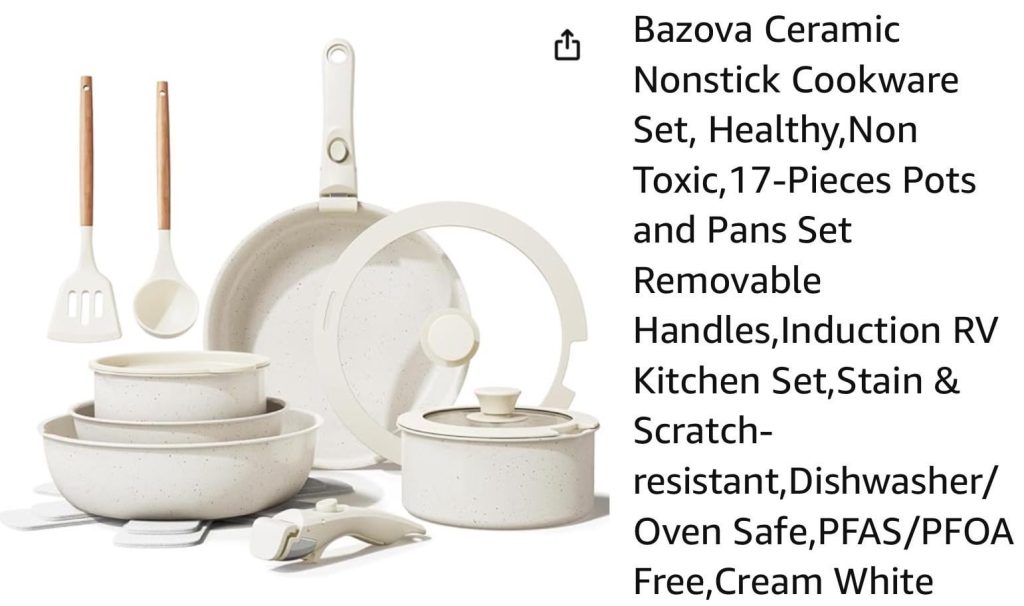
Are you standing in your kitchen, eyeing that shiny aluminum ceramic cookware, wondering if it’s truly safe for you and your family? It’s a common concern, and you’re not alone.
With so many options on the market, choosing the right cookware can feel overwhelming. But what if you could make a confident decision that ensures both your peace of mind and your family’s well-being? Imagine cooking your favorite meals without second-guessing your choice of cookware.
Picture the ease of preparing your dishes, knowing they are not only delicious but also safe. This blog post is crafted just for you, addressing your concerns and providing insights into the safety of aluminum ceramic cookware. Dive in, and let’s unravel the facts together, so you can cook with confidence and enjoy every meal you create.

Credit: www.facebook.com
Aluminum Ceramic Cookware Basics
Aluminum ceramic cookware has become a popular choice for many home cooks. It’s known for its sleek design and efficient cooking capabilities. But what exactly is it made of, and how is it manufactured? Understanding these basics can help you decide if this type of cookware is right for your kitchen.
Material Composition
Aluminum ceramic cookware combines two main materials: aluminum and ceramic. The aluminum core provides quick and even heat distribution, making it ideal for various cooking tasks. The ceramic coating, on the other hand, offers a non-stick surface that makes cooking and cleaning easier.
Aluminum is lightweight, which means your pots and pans won’t weigh you down as you cook. Meanwhile, the ceramic layer is free of harmful chemicals like PTFE and PFOA. This makes it a safer option for those concerned about toxins in their kitchenware.
Manufacturing Process
The manufacturing process of aluminum ceramic cookware begins with forming the aluminum base. This base is often crafted through a process known as die-casting or forging, which ensures durability. Next, the ceramic coating is applied, often through a spraying method, to create that smooth, non-stick surface.
Quality control is crucial during manufacturing to ensure even coating and adherence. Any imperfections can impact the performance and safety of the cookware. This meticulous process ensures that each piece of cookware meets high standards before it reaches your kitchen.
Have you ever wondered how the cookware you use is made? Knowing the process can help you appreciate the craftsmanship and care involved. It might even influence your next purchase decision.
Safety Concerns
Aluminum ceramic cookware often raises concerns about safety due to potential aluminum leaching. Properly coated ceramic surfaces can minimize risks. Ensuring high-quality cookware with intact coatings is essential for safe cooking practices.
Safety Concerns Cooking is an art, but ensuring your cookware is safe is a science. Aluminum ceramic cookware has gained popularity for its sleek design and even cooking. However, many wonder if it poses any safety risks. Let’s dive into the health implications and chemical reactions associated with this type of cookware.Health Implications
Using aluminum ceramic cookware is generally considered safe, but there are some considerations. Aluminum, when used alone, can leach into food, especially acidic dishes like tomato sauce. This can be a concern for people who are mindful of their aluminum intake. However, the ceramic coating acts as a barrier, minimizing direct contact between aluminum and food. It’s essential to maintain the integrity of this coating. Scratches or chips can expose the aluminum beneath, raising potential health concerns. Think about how often you check your cookware for scratches. Are you ensuring your family’s safety by doing regular inspections? This simple practice can keep your cooking experience safe and enjoyable.Chemical Reactions
Chemical reactions in cookware can affect both the taste and safety of your food. The ceramic coating on aluminum cookware is designed to resist reacting with food. It provides a non-stick surface, making cooking and cleaning easier. However, improper use or overheating can compromise the coating. High temperatures might lead to the release of unwanted chemicals. It’s crucial to follow manufacturer guidelines and avoid using metal utensils that can damage the ceramic surface. Consider your cooking habits—are you mindful of temperature and utensil choice? This awareness can prevent potential chemical reactions and ensure your meals are safe and delicious.Pros Of Aluminum Ceramic Cookware
Aluminum ceramic cookware offers a unique blend of advantages. Its lightweight nature, combined with effective heat distribution, makes it appealing. Users enjoy its durability and efficiency in cooking. Explore the key benefits below.
Durability
Aluminum ceramic cookware is known for its robust construction. It withstands daily use without showing signs of wear. The ceramic coating adds a protective layer that resists scratches. This makes it last longer in your kitchen.
Unlike traditional cookware, it maintains its appearance over time. Even with frequent use, it retains its shine and functionality. This reliability makes it a favorite for many home cooks.
Heat Distribution
Efficient heat distribution is a hallmark of aluminum ceramic cookware. The aluminum base conducts heat evenly across the surface. This ensures consistent cooking results every time.
No more unevenly cooked meals. The ceramic layer also aids in heat retention. It keeps food warm, even after cooking. This feature is perfect for serving dishes directly from the stove.
Cons Of Aluminum Ceramic Cookware
Potential drawbacks of aluminum ceramic cookware include susceptibility to scratches and potential aluminum exposure if the coating wears off. These factors can affect durability and safety over time. Regular checks can help maintain its condition.
The allure of aluminum ceramic cookware is undeniable—sleek designs, efficient heat conduction, and the promise of healthier cooking. However, like any kitchen investment, it comes with its own set of drawbacks. Understanding these cons can help you make informed choices for your kitchen.Potential Toxins
While aluminum ceramic cookware is generally considered safe, there are lingering concerns about potential toxins. Some argue that when the ceramic coating chips or wears down, the aluminum base might leach into your food. This could be a concern if you’re cooking acidic foods like tomatoes or citrus-based dishes frequently. The fear of toxins isn’t just theoretical; it has roots in real kitchen experiences. If you’ve ever worried about the safety of your pans, you’re not alone. It’s worth considering how frequently you use this type of cookware and whether it’s showing signs of wear.Maintenance Challenges
Maintaining aluminum ceramic cookware can be more challenging than expected. The ceramic coating, while non-stick initially, requires gentle handling. Using metal utensils or abrasive cleaners can damage the surface, reducing its lifespan. Do you find yourself scrubbing away at stubborn stains? It’s a common issue with this cookware. Hand washing is often recommended, which can be time-consuming compared to the convenience of dishwashers. In real-life scenarios, cooking can get messy, leading to accidental scratches or chips. A little extra care goes a long way, but it’s something to consider if you’re looking for low-maintenance options.Comparisons With Other Cookware
Aluminum ceramic cookware offers a lightweight option compared to cast iron. It heats evenly and is easy to clean. Unlike non-stick pans, it doesn’t release harmful chemicals when heated.
Comparing aluminum ceramic cookware with other types can clarify its safety. Each type of cookware has unique features. Understanding these can help make better choices for the kitchen.Nonstick Options
Nonstick cookware is popular for easy cooking and cleaning. Aluminum ceramic cookware offers a nonstick surface. This surface is free from harmful chemicals like PTFE and PFOA. It provides a safer alternative to traditional nonstick pans. Traditional nonstick coatings may release toxic fumes at high temperatures. Aluminum ceramic cookware does not have this issue. Its surface is durable and resists scratching. This makes it a reliable choice for everyday cooking.Metal Alternatives
Metal cookware options include stainless steel and cast iron. Stainless steel cookware is known for its durability. It does not react with acidic foods. However, it lacks nonstick properties. This can make cleaning difficult. Cast iron cookware is valued for even heating. It requires regular seasoning to maintain its nonstick surface. Aluminum ceramic cookware offers a nonstick surface without extra maintenance. Aluminum ceramic provides a balance of features. It combines the benefits of metal and nonstick surfaces. This makes it an appealing choice for health-conscious cooks.Tips For Safe Use
Ensure cookware is free from scratches to prevent aluminum exposure. Use low to medium heat for cooking. Avoid using metal utensils to maintain ceramic coating integrity.
Tips for Safe Use Cooking with aluminum ceramic cookware can be a great choice. It offers durability and effective heat distribution. To maximize safety, follow a few simple tips. These will help ensure your cookware lasts longer and remains safe to use.Proper Cleaning
Cleaning your aluminum ceramic cookware is essential for safety. Use mild soap and warm water. This preserves the ceramic coating. Avoid abrasive scrubbers. They can scratch the surface. This might lead to food sticking. Dry your cookware completely before storing. Moisture can cause damage over time.Avoiding High Heat
High heat can harm your aluminum ceramic cookware. It may cause the coating to break down. Use medium heat for cooking. This protects the integrity of the ceramic layer. It also helps prevent food from burning. If you need high heat, use a different type of pan. This will ensure you don’t damage your cookware.Consumer Experiences
Exploring the safety of aluminum ceramic cookware is vital for health-conscious consumers. Many find it safe due to its non-toxic coating, which prevents aluminum from leaching into food. User experiences generally highlight its durability and ease of use, making it a popular choice in modern kitchens.
Consumer experiences with aluminum ceramic cookware offer valuable insights into its safety. Many users share their personal stories and opinions. These experiences help others make informed choices.User Reviews
Many consumers praise aluminum ceramic cookware for its even heating. They find it easy to use and clean. Some users report concerns about the coating wearing off. They suggest checking for scratches and damages. Overall, reviews are mixed, highlighting both pros and cons.Expert Opinions
Experts in cookware safety often weigh in on aluminum ceramic options. They highlight the importance of quality manufacturing. Proper care can prolong the life of these pans. Experts also emphasize using low to medium heat. This prevents damage and maintains the cookware’s integrity.
Credit: www.instagram.com

Credit: www.facebook.com
Frequently Asked Questions
What Is Aluminum Ceramic Cookware?
Aluminum ceramic cookware combines aluminum’s heat conductivity with a ceramic coating. This coating provides a non-stick surface, reducing the need for oils or fats. It’s popular for its quick heating and even cooking. However, proper care is essential to maintain its non-stick properties and longevity.
Is Aluminum Ceramic Cookware Non-toxic?
Yes, aluminum ceramic cookware is generally non-toxic. The ceramic coating acts as a barrier, preventing aluminum from leaching into food. It’s free from harmful chemicals like PFOA and PTFE. Ensure you follow the manufacturer’s care instructions to maintain its safety and non-stick qualities.
How Durable Is Aluminum Ceramic Cookware?
Aluminum ceramic cookware is durable but requires careful handling. The ceramic coating can chip or scratch if mishandled. Use wooden or silicone utensils to prolong its life. Regularly check for wear and tear to ensure it remains safe and effective for cooking.
Can Aluminum Ceramic Cookware Be Used On All Stovetops?
Most aluminum ceramic cookware is versatile and suitable for various stovetops, including electric and gas. However, not all are compatible with induction cooktops. Always check the manufacturer’s guidelines for compatibility to ensure optimal performance and safety.
Conclusion
Aluminum ceramic cookware offers a mix of benefits and concerns. It’s lightweight and heats evenly, perfect for everyday cooking. Ensure your cookware has a quality coating to avoid health risks. Look for pieces with no scratches or chips. Regular checks help maintain safety.
Choose trusted brands for peace of mind. Balancing safety with efficiency is key. Always follow care instructions to extend its lifespan. Cooking with care keeps meals safe and tasty. Stay informed to make the best choice for your kitchen. Enjoy cooking with confidence and creativity.