Are you concerned about the safety of your cookware? If so, you’re not alone.
Many people are becoming increasingly aware of the materials that come into contact with their food. One term you might have heard is PFOA. But what exactly is PFOA, and why should you care? Understanding this could be crucial for your health and peace of mind.
As you read on, you’ll discover what PFOA is, how it relates to your cookware, and why it has become a topic of concern. This information could change the way you think about your kitchen and the tools you use every day. Dive in to find out more and make informed choices that benefit you and your loved ones.
Pfoa Basics
PFOA, or Perfluorooctanoic Acid, is a synthetic chemical. It is used in the manufacturing of many consumer products. In cookware, PFOA is often associated with non-stick coatings. This section will explore the basics of PFOA, its definition, composition, and common uses in cookware.
Definition And Composition
PFOA is part of a group of chemicals known as PFAS. These are man-made substances. PFOA is used because of its ability to resist heat, water, and oil. It is a stable compound, meaning it does not break down easily. This makes it effective in various manufacturing processes.
Common Uses In Cookware
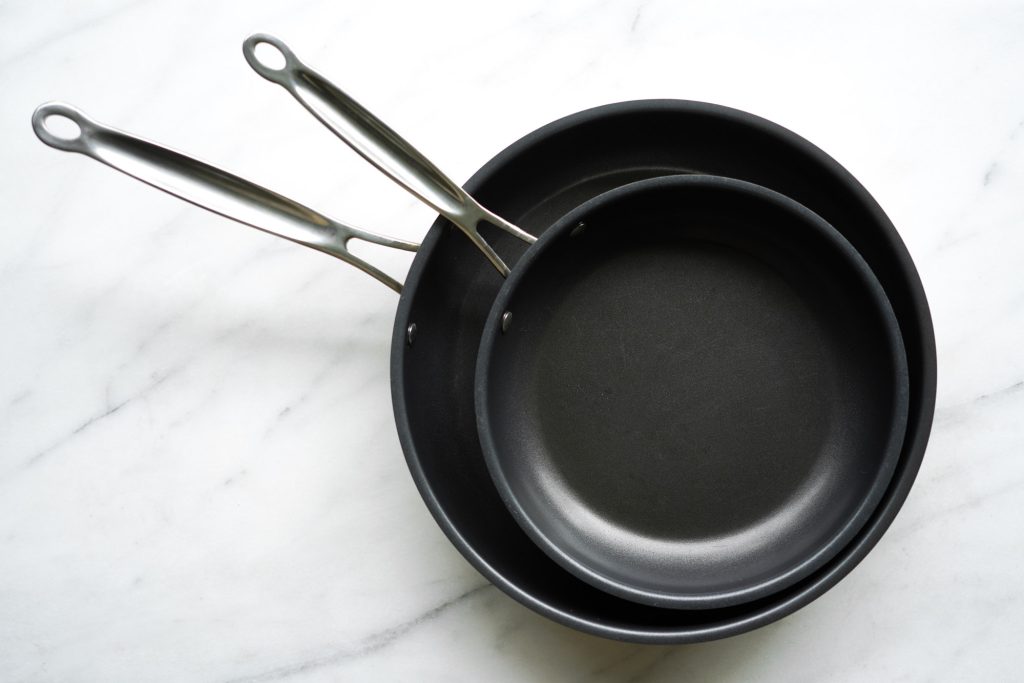
PFOA is commonly found in non-stick cookware. It helps create a smooth surface that food does not stick to. Cookware coated with PFOA is easy to clean. It offers convenience in the kitchen. Though widely used, there are concerns about its safety. Some manufacturers are moving towards PFOA-free alternatives. This change aims to address health and environmental concerns. Always check labels for PFOA content when buying cookware.

Credit: www.youtube.com
Health Concerns
Understanding the health concerns related to PFOA in cookware is crucial for making informed choices in your kitchen. PFOA, or perfluorooctanoic acid, is a synthetic compound found in some non-stick cookware. While it has been praised for its ability to make cooking and cleaning easier, potential health risks have raised alarms. Let’s delve into the specifics of how PFOA may affect your health.
Toxicity And Exposure
PFOA has been classified as a toxic substance, primarily due to its persistence in the environment and potential to accumulate in the human body. Even if you seldom cook, you might still be exposed through everyday use of non-stick pans. Consider how often you fry an egg or flip a pancake; each instance might lead to tiny amounts of PFOA being released, especially if the cookware is overheated or scratched.
Exposure is not limited to the kitchen. PFOA can be found in various household products, contaminating water supplies and even food packaging. The compound’s resistance to breaking down means it can remain in the body for extended periods. This raises an important question: How much PFOA is too much, and are we unknowingly accumulating it?
Potential Health Effects
The potential health effects of PFOA exposure have been the subject of numerous studies. Findings suggest links to a range of health issues, including thyroid disorders, kidney problems, and even some cancers. While these effects are not guaranteed, the possibility is enough to warrant concern.
Long-term exposure may also impact your cholesterol levels and immune system function. Imagine dealing with these issues simply because of the cookware you use. It’s a sobering thought that invites you to reassess the materials you trust in your kitchen.
Are there steps you can take to minimize your exposure? Switching to PFOA-free cookware is a practical option. As awareness grows, more brands are offering safer alternatives, giving you the chance to make healthier choices without sacrificing convenience.
Regulatory Actions
PFOA, a chemical found in some non-stick cookware, raises health concerns. Regulatory actions aim to limit exposure and protect consumers. Understanding these measures helps ensure safer kitchen practices.
Regulatory actions have been crucial in addressing PFOA concerns in cookware. Authorities have taken significant steps to ensure consumer safety and environmental protection. These measures aim to reduce the presence of harmful chemicals in everyday kitchen products.Government Regulations
Governments worldwide have introduced strict measures against PFOA use. Many countries banned or limited PFOA in cookware production. These regulations aim to protect public health and the environment. Agencies regularly monitor compliance and enforce penalties for violations. This creates safer options for consumers.Industry Changes
The cookware industry responded to these regulations by adopting safer practices. Manufacturers explore alternative materials free from PFOA. Many brands now offer PFOA-free cookware lines. This shift boosts consumer trust and product safety. It also encourages innovation in cookware design. Industry changes align with growing consumer demand for healthier options.Safer Alternatives
PFOA, or perfluorooctanoic acid, is a chemical used in non-stick cookware. It can pose health risks. Safer alternatives include ceramic or stainless steel cookware. These options do not contain harmful chemicals.
Finding safer alternatives to PFOA in cookware is essential. Many people are concerned about health risks linked to PFOA. This chemical, once used in non-stick coatings, can pose dangers. Thankfully, there are safer options available today. By choosing wisely, you can cook healthily and confidently.Pfoa-free Options
Several manufacturers now offer PFOA-free cookware. These options are designed to ensure safety without compromising performance. Some popular choices include:- Ceramic Cookware: Made without harmful chemicals. Provides a non-stick surface naturally.
- Stainless Steel: Durable, long-lasting, and free from PFOA. Ideal for various cooking methods.
- Cast Iron: Naturally non-stick with proper seasoning. Adds iron to your diet.
- Anodized Aluminum: Hard-coated, non-stick, and resistant to scratches.
Choosing Safe Cookware
Selecting the right cookware involves considering material and safety. Always check labels for PFOA-free assurance. Avoid products without clear information. Consider your cooking needs and habits. For frequent frying, choose ceramic or anodized aluminum. For stews, cast iron or stainless steel works well. Prioritize quality over price for long-term benefits. With informed choices, you enhance your kitchen’s safety.Consumer Awareness
PFOA, or perfluorooctanoic acid, is a synthetic chemical used in manufacturing non-stick cookware. While it helps in creating smooth surfaces, it’s vital for consumers to understand its implications. Awareness about PFOA enables informed choices, ensuring health and safety in daily cooking practices.
Recognizing Pfoa In Products
Consumers should check labels for non-stick coatings. Look for terms like “PTFE” or “Teflon” which often indicate PFOA presence. Research brand transparency and certifications. Reliable brands disclose their materials and manufacturing processes. If unsure, contact manufacturers directly for information.
Tips For Reducing Exposure
- Opt for cookware labeled “PFOA-free” or “PTFE-free.”
- Avoid high temperatures with non-stick pans.
- Consider alternatives like stainless steel or cast iron.
- Replace old or damaged non-stick cookware regularly.
- Use ventilation while cooking to minimize inhaling fumes.

Credit: www.livwellhq.com

Credit: www.bbcgoodfood.com
Frequently Asked Questions
What Is Pfoa In Cookware?
PFOA, or perfluorooctanoic acid, is a synthetic chemical used in non-stick cookware. It is known for its ability to resist heat, grease, and water. However, concerns about its potential health risks have led manufacturers to phase it out. PFOA-free cookware is now widely available and considered safer.
Why Is Pfoa A Concern In Cookware?
PFOA is a concern because it can release toxic fumes when overheated. These fumes pose health risks, including respiratory issues and environmental harm. Studies have linked PFOA exposure to various health problems. As a result, many companies have removed PFOA from their products, offering safer alternatives.
How Can I Identify Pfoa-free Cookware?
To identify PFOA-free cookware, check the product labels or packaging. Look for phrases like “PFOA-free” or “non-toxic. ” Many manufacturers highlight their cookware’s safety features. Additionally, online product descriptions often mention the absence of harmful chemicals, ensuring you choose safer options for your kitchen.
Is All Non-stick Cookware Pfoa-free Now?
Most modern non-stick cookware is PFOA-free, but not all. Since 2015, many manufacturers have eliminated PFOA from their products. Always check labels and product descriptions to ensure safety. It’s essential to verify that the cookware you choose is free from harmful chemicals for peace of mind.
Conclusion
Understanding PFOA in cookware is crucial for your kitchen safety. Many cookware items contain chemicals. These might affect health over time. Opt for PFOA-free options to reduce risks. Safer cookware choices are widely available. Always check labels before buying. This ensures peace of mind while cooking.
Healthy meals start with safe cookware. Make informed decisions to protect your loved ones. Stay informed about what’s in your kitchen. It’s simple yet important. Your health matters every day. Choose wisely, cook safely, and enjoy your meals.