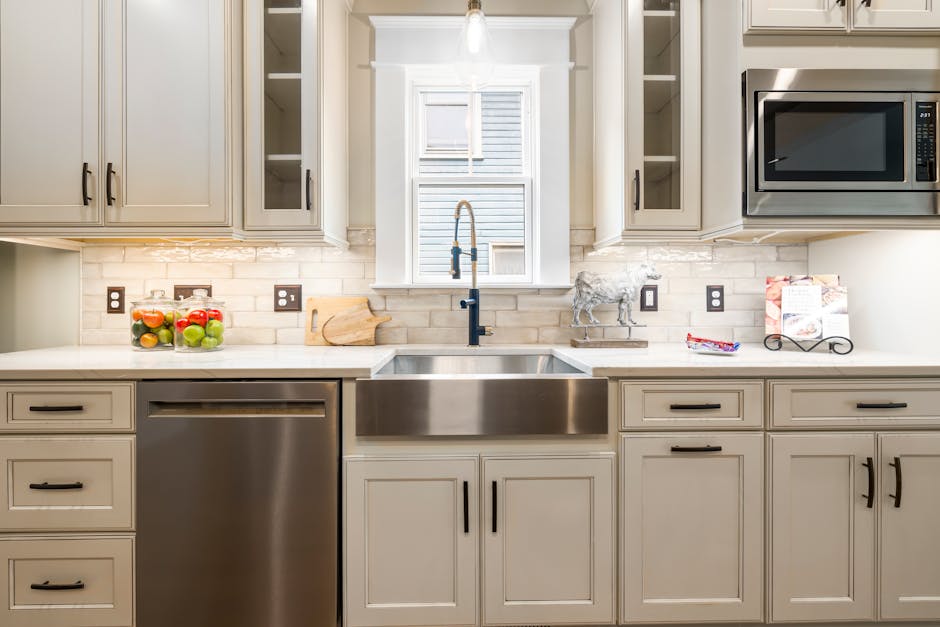
Are you dreaming of a fresh, new look for your kitchen but worried about the costs piling up? You’re not alone.
Remodeling your kitchen is one of the most rewarding home improvements you can make. However, the expenses can be daunting, especially when it comes to appliances. What if you could transform your kitchen without breaking the bank on appliances? In this blog, we’re diving into the real costs of a kitchen remodel that skips the appliance upgrade.
You’ll discover where your money goes, how to plan effectively, and ways to save without sacrificing style. By the end, you’ll have a clear understanding of how to achieve that stunning kitchen makeover without the financial headache. Ready to find out how? Keep reading to unlock the secrets to a budget-friendly kitchen transformation.
Factors Affecting Kitchen Remodel Costs
Remodeling your kitchen can be a thrilling yet daunting task. Understanding the factors that affect the overall cost, excluding appliances, can help you budget effectively. From the size and layout of your space to the quality of materials and labor costs, each decision you make influences your final bill. So, what should you consider to ensure you get the most value for your money?
Size And Layout
The dimensions and configuration of your kitchen play a significant role in determining remodel costs. A larger kitchen naturally demands more materials, time, and labor, increasing your expenses. If you’re planning to change the layout, such as moving walls or altering the floor plan, prepare for additional costs. Altering plumbing and electrical systems can also drive up the price. Consider whether these changes are necessary or if a more efficient use of your current space could satisfy your needs.
Quality Of Materials
The materials you choose can dramatically impact your budget. High-end materials like granite countertops, custom cabinetry, and hardwood floors come with a premium price tag. Opting for mid-range or budget-friendly alternatives can keep costs in check without sacrificing style. Reflect on what elements are most important to you and where you can compromise. Would a laminate countertop serve your family just as well as marble?
Labor And Contractor Fees
Labor costs can vary widely based on your location and the complexity of your project. Hiring a reputable contractor is crucial, but their fees can consume a significant portion of your budget. To ensure you get the best deal, obtain multiple quotes and check references thoroughly. Decide which tasks you can handle yourself to cut costs. Could painting or minor installations be a weekend DIY project for you?

Credit: www.angi.com
Budgeting For A Kitchen Remodel
Kitchen remodel costs without appliances can range from $12,000 to $30,000. Factors like materials, labor, and design influence the budget. Prioritize essential upgrades for cost-effective renovation.
Budgeting for a kitchen remodel can be daunting. Planning can help manage costs and avoid overspending. Understanding where money goes is crucial. This guide will help navigate the complexities of budgeting.Setting A Realistic Budget
Start by analyzing your financial situation. Determine how much you can comfortably spend. Research average costs in your area. This helps gauge what’s realistic. Avoid setting your budget too low. It may lead to unsatisfactory results. Consider quality over quantity. High-quality materials last longer. They save money in the long run.Prioritizing Features And Upgrades
Identify essential upgrades first. Focus on features that improve functionality. Cabinets, countertops, and flooring are key areas. Make a list of desired upgrades. Rank them by importance. This helps allocate funds wisely. Remember, not all features need replacing. Evaluate what can be kept or refinished. This reduces expenses significantly.Unexpected Costs To Consider
Plan for unforeseen expenses. Structural issues might arise during remodeling. Hidden damage can increase costs. Permit fees are often overlooked. They can add up quickly. Factor in labor costs for installations. Skilled labor ensures quality work. Set aside a contingency fund. This covers unexpected surprises. Preparedness prevents budget overshoots.Choosing Cost-effective Appliances
Remodeling a kitchen without appliances can cost between $5,000 and $25,000. Costs depend on materials and labor. Budget-friendly options include refacing cabinets and choosing affordable countertops.
Choosing cost-effective appliances is crucial in kitchen remodels. Appliances impact your budget and long-term savings. A smart choice blends affordability and efficiency. It ensures your kitchen functions well without breaking the bank. Let’s explore how to select energy-efficient options, identify brands offering value, and take advantage of sales and discounts.Energy-efficient Options
Energy-efficient appliances save money on utility bills. They use less electricity and water. Look for Energy Star-rated appliances. They meet strict efficiency standards. This rating means the appliance is eco-friendly. Choose models with advanced technology. Features like smart sensors help reduce energy consumption. Efficient appliances contribute to a sustainable kitchen.Brands That Offer Value
Some brands are known for quality and affordability. Research brands with good reputations. Compare product reviews and ratings. Brands like Whirlpool and LG offer reliable options. They balance cost and performance. Evaluate warranties and customer service. A brand with strong support adds value to your purchase. Long-lasting appliances reduce future replacement costs.Sales And Discounts
Sales and discounts can lower appliance costs. Watch for seasonal sales events. Holidays often feature big discounts. Black Friday and Cyber Monday are great times to buy. Subscribe to newsletters for updates on deals. Retailers often offer exclusive discounts to subscribers. Check clearance sections for discounted models. These options provide savings without compromising quality.
Credit: www.blockrenovation.com
Diy Vs Professional Installation
Remodeling a kitchen is a significant task. One major decision is choosing between DIY or professional installation. Each option has its unique benefits and challenges. Your choice can affect the overall cost and outcome of the project. Understanding both options will help you make an informed decision.
Pros And Cons Of Diy
DIY projects are appealing to many homeowners. They offer a sense of accomplishment and potential cost savings. You control the timeline and make decisions on the fly. This flexibility can be beneficial. However, DIY can be time-consuming. You may lack the skills for complex tasks. Mistakes can be costly and time-consuming to fix.
When To Hire A Professional
Professional installation provides expertise and peace of mind. Professionals have the experience to handle unexpected issues. They ensure the work meets local codes and standards. This can be crucial for plumbing or electrical work. Hiring a professional saves time and reduces stress. It’s ideal for those with busy schedules or limited skills.
Cost Comparisons
The cost of DIY versus professional installation varies. DIY can be cheaper, as you save on labor costs. You may only spend on materials and tools. Yet, the risk of mistakes can add costs. Professional installation includes labor costs. But it often ensures higher quality and fewer errors. Professionals may also have access to discounts on materials.
Weighing these factors will help you decide the best path. Consider your budget, skills, and time available. Choose the option that aligns with your needs and goals.
Maximizing Savings On Appliances
Kitchen remodels without appliances often range between $10,000 to $30,000. Costs depend on materials and labor choices. Careful planning can help maximize savings.
Maximizing Savings on Appliances Remodeling a kitchen without appliances is a smart way to manage costs. But when it’s time to add appliances, maximizing savings becomes crucial. By focusing on smart buying strategies, you can keep your expenses in check. Here’s how you can make the most out of your appliance purchases.Timing Your Purchase
Timing is everything when it comes to saving on appliances. Keep an eye on seasonal sales like Black Friday, Memorial Day, and Labor Day. These periods often offer significant discounts. Consider purchasing at the end of the month or quarter when salespeople are keen to meet their quotas. Have you ever thought about aligning your purchase with the release of new models? Older models often receive markdowns as new ones arrive.Negotiating Prices
Negotiation can be your best friend in securing a deal. Don’t hesitate to ask for a discount or price match. Sometimes, buying multiple appliances from the same retailer can offer leverage for a better price. Why not check if there are open-box or display models available? These often come at a reduced price with minimal wear.Exploring Second-hand Options
Second-hand appliances can be a treasure trove of savings. Check out online marketplaces like Craigslist or Facebook Marketplace. Estate sales and auctions can offer quality appliances at a fraction of the retail price. Are you aware that some refurbished appliances come with warranties? This can provide peace of mind while saving money.
Credit: enthrallinggumption.com
Financing Your Kitchen Remodel
Remodeling your kitchen can be an exciting venture, but the costs can quickly add up. Many homeowners find themselves needing financial assistance to bring their dream kitchen to life without breaking the bank. Understanding your financing options can make this process smoother and more manageable.
Loan Options
Loans can be a practical solution for financing your kitchen remodel. Home equity loans are popular as they often offer lower interest rates compared to personal loans. You’re essentially borrowing against the value of your home, which can be advantageous if you have significant equity.
Consider personal loans as well. They’re unsecured, meaning you don’t risk losing your home if you can’t repay. However, they typically come with higher interest rates. Carefully assess your financial situation and compare different lenders to find favorable terms.
Credit Card Considerations
Credit cards can provide immediate funds for your kitchen remodel but come with caveats. High-interest rates can lead to substantial debt if not managed properly. Opt for cards with introductory 0% APR offers, allowing you to pay off the balance without accruing interest for a set period.
Be mindful of your credit limit and utilization rate. Overusing your card can impact your credit score, making future financing more challenging. Always have a clear plan to repay the balance before the promotional period ends.
Interest-free Financing Plans
Some kitchen remodel companies offer interest-free financing plans. These can be an excellent way to spread the cost over several months or years without paying extra on interest. It’s crucial to read the fine print. Ensure you understand the terms and conditions, including any penalties for late payments or missed deadlines.
Consider the timeframe of the interest-free period. If the remodel company offers two years interest-free, calculate if you can comfortably pay off the remodel within this period. This option can ease financial strain if strategically utilized.
Have you explored all these options? Which one aligns with your financial goals and kitchen aspirations?
Frequently Asked Questions
What Is The Average Cost Of A Kitchen Remodel?
The average cost of a kitchen remodel ranges from $12,000 to $35,000. This depends on the size and scope of the project. Costs can vary based on materials, labor, and region. It’s important to set a realistic budget and plan accordingly.
How Much Does Labor Cost For A Kitchen Remodel?
Labor costs for a kitchen remodel typically account for 20% to 35% of the total budget. This can vary based on project complexity and location. Hiring skilled professionals ensures quality work, but always get multiple quotes. Researching contractor experience and reviews is essential for a successful remodel.
Can I Save Money On A Kitchen Remodel?
Yes, you can save money by doing some tasks yourself. Consider painting, demolition, or installing fixtures on your own. Choosing cost-effective materials and shopping around for deals can also help. Always plan your budget and prioritize essential upgrades to stay within financial limits.
How Long Does A Kitchen Remodel Take?
A kitchen remodel usually takes between 6 to 12 weeks. The duration depends on project size and complexity. Planning and ordering materials in advance can help reduce delays. Working with experienced professionals can ensure your project stays on schedule.
Conclusion
Budget wisely for your kitchen remodel. Costs can vary widely. Materials, labor, and design choices influence the total price. Be clear on your priorities. Set a realistic budget to avoid surprises. Consult professionals for accurate estimates. Research thoroughly to find value deals.
Compare different options before deciding. A well-planned remodel enhances your kitchen’s beauty and function. Enjoy a fresh space that meets your needs. Careful planning saves money and stress. Remember, your kitchen is a vital part of your home. Make choices that reflect your lifestyle and taste.
Happy remodeling!